Whether Curl Predicts How Much a Labradoodle Sheds
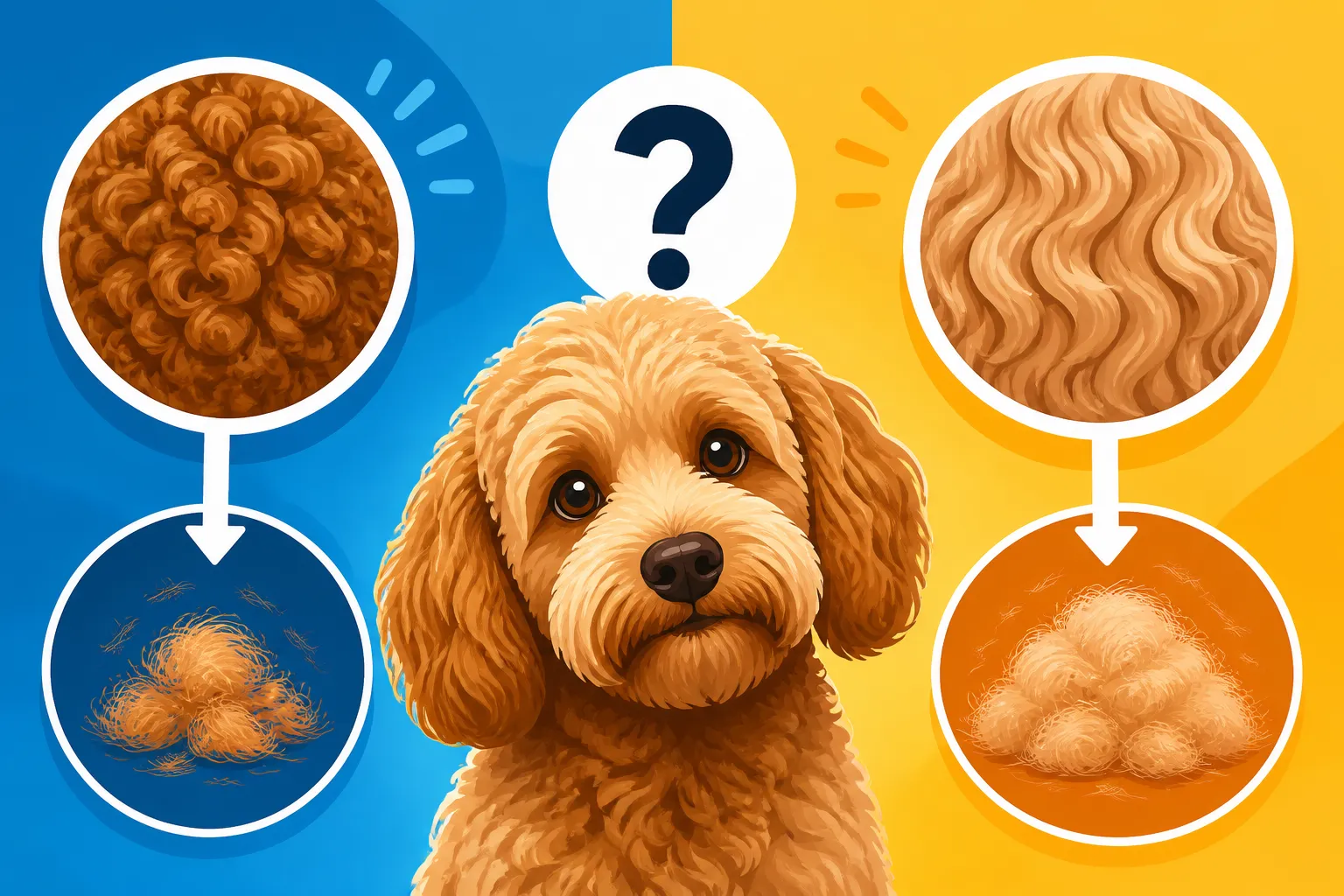
It's a common misconception, one that many aspiring Labradoodle owners bring to the table, that the curlier your Labradoodle's coat, the less it will shed. This idea makes perfect sense on the surface – after all, Poodles are curly and renowned for being low-shedding, and the Labradoodle inherits that beautiful, often curly, texture. However, the reality of Labradoodle genetics is a bit more nuanced, and simply looking at how many curls your puppy has won't tell you the whole story about how much hair you'll be sweeping up. This guide aims to clear up that confusion, diving deep into the fascinating world of Labradoodle coats and explaining what truly dictates their shedding potential.
Unraveling Labradoodle Coat Genetics
When you look at a Labradoodle, you see a delightful mix of its parent breeds, the Labrador Retriever and the Poodle. Both contribute to the final look and feel of the coat, but it's specific genes, not just the visual curl, that play the biggest role in shedding. Understanding these genetic factors is key to knowing what to expect from your furry family member.
The Furnishings Gene and Its Role
Many people are surprised to learn that the presence of the classic "doodle" look – those charming eyebrows and that unmistakable beard and mustache – is actually more indicative of a low-shedding coat than the curl itself. This characteristic is controlled by a specific gene called the "furnishings" gene (scientifically, the RSPO2 gene). Dogs that inherit two copies of this dominant gene from their parents will display these facial furnishings, and more importantly, they are typically low-shedding.
Think of it like this: the furnishings gene changes the way hair grows. Instead of shedding frequently, like a Labrador's coat, the hair continues to grow, more like human hair or a Poodle's coat. This is why these dogs need regular grooming and clipping, because their hair simply keeps getting longer. A Labradoodle with strong furnishings, regardless of its curl pattern, is far more likely to be low-shedding. Without this gene, even a curly coat might still shed quite a bit, mimicking a Labrador's shedding cycle. This is also why responsible breeders will often perform a What a Labradoodle Coat DNA Panel Tells You to ensure they are producing puppies with the desired low-shedding characteristics.
Different Curl Patterns and What They Mean
While the furnishings gene dictates the shedding aspect, the actual texture and curl of a Labradoodle's coat are influenced by other genes. Generally, Labradoodle coats are categorized into three main types: hair, fleece, and wool. Each type has a distinct look and feel, and while curl often accompanies the lower-shedding types, it's not the sole predictor.
- Hair Coat: This coat often looks and feels more like a Labrador's coat. It can be straight, wavy, or slightly curly, but critically, it often lacks the furnishings. These Labradoodles typically shed the most, sometimes even as much as a Labrador. If you've ever seen a Labradoodle and thought it looked "more like a Lab," chances are it has a hair coat.
- Fleece Coat: This is the most common and often sought-after coat type. It's soft, silky, and typically wavy or loosely curled, often described as feeling like an Angora goat. What a Fleece Coat Feels Like on a Labradoodle is a good read for more detail. These coats almost always have furnishings and are generally very low-shedding. The curl in a fleece coat helps to trap any shed hairs, preventing them from falling around your home.
- Wool Coat: This coat is denser and more tightly curled, much like a Poodle's coat. It feels like soft wool. These coats also have strong furnishings and are considered non-shedding. They are often perceived as the most "hypoallergenic" of the Labradoodle coats, but they require the most diligent grooming to prevent matting.
It's clear that while the wool and fleece coats are curly and low-shedding, the hair coat can also have some curl but still shed significantly. The key difference lies in the genetic presence of those furnishings, not just the visual aspect of curl.
The Truth About Curl and Shedding
The idea that curl directly correlates with a lack of shedding is an oversimplification. While many low-shedding Labradoodles do have curly coats, it's not the curl itself doing the work. It's a combination of genetic factors that lead to both the curl and the non-shedding characteristics.
Why Curl Doesn't Guarantee No Shedding
Imagine a dog with a beautifully curly coat, but no beard or eyebrows—a smooth face. This is possible if the dog did not inherit the furnishings gene, or only inherited one copy that isn't fully expressed in combination with other genes. This dog will still shed. The curl might trap some of the shed hair, making it less obvious around the house, but the hair follicles are still going through a shedding cycle similar to a Labrador's. You might find clumps of hair on your brush, or when you run your hands through their coat, but you won't necessarily see hair clinging to your clothes or furniture in the same way you would with a heavy shedder.
This is why simply looking at a puppy's coat at eight weeks can be misleading. A puppy might have a lovely wavy coat, but without knowing the genetics of its parents, especially regarding the furnishings gene, you're essentially guessing its adult shedding potential. This is often the frustration for first-time Labradoodle owners who might have picked a puppy based purely on its cute, curly appearance, only to find themselves contending with shedding later on. For more general information about shedding, you might find Whether a Labradoodle Sheds at All a useful read.
The Impact of "Improper Coats"
This brings us to the concept of an "improper coat," often abbreviated as IC. An improper coat is a Labradoodle that lacks the furnishings that prevent shedding. These dogs may have straight or wavy hair, and they will shed. This is why you sometimes hear of Labradoodles that "shed like a Labrador." It’s not a fault in their temperament or health, but rather a genetic variation in their coat type. A What an Improper Coat Means on a Labradoodle is a comprehensive resource on this topic.
Breeders who are dedicated to producing low-shedding Labradoodles actively test for the improper coat gene. They aim to breed dogs that carry two copies of the furnishings gene, ensuring that their puppies will have the desired low-shedding coats. If a breeder isn't testing for this, or if one parent carries the improper coat gene and the other doesn't, there's a higher chance of puppies inheriting an improper coat. For families with allergies, understanding these genetics is paramount, as an improper coat Labradoodle, even with some curl, can still trigger allergic reactions due to increased dander and shedding.
Managing Shedding Regardless of Curl
Even a low-shedding Labradoodle isn't maintenance-free. Their coats still grow continuously and can easily mat if not properly cared for. The amount of actual hair that detaches from the dog and collects in your home might differ, but the need for diligent grooming remains consistent across fleece and wool coat types.
Grooming for Minimal Shedding
For Labradoodles with fleece and wool coats, regular brushing is your best defense against matting, which can be far more problematic than shedding. These coats trap loose hair within the growing coat, and if not brushed out, these trapped hairs combine with healthy hair to form dense, painful mats. You need to brush all the way Brushing a Labradoodle to the Skin, Not the Surface, not just the top layer. This requires specific tools, like a good quality slicker brush and a metal comb. You can find a wide array of these essential grooming tools, from sturdy slicker brushes to fine-toothed combs, on sites like Chewy or Amazon.
For hair-coated Labradoodles that do shed more, regular brushing also helps to remove loose hair before it ends up on your furniture. While you won't stop the shedding completely, you can significantly reduce the amount of hair floating around your home. Consider investing in a deshedding tool designed for double coats, which can effectively pull out dead undercoat. Even with a perfectly curly, non-shedding coat, professional grooming every 6-8 weeks is essential to keep the length manageable and prevent mats. Ignoring this can quickly lead to a coat that needs to be shaved down, which is a stressful and uncomfortable experience for your dog.
When to Consult a Breeder or Veterinarian
If you've brought home a Labradoodle expecting minimal shedding, perhaps based on its curly appearance, and find yourself dealing with significant hair loss, it's worth having a conversation. First, reach out to your breeder. A reputable breeder will be knowledgeable about the genetics of their dogs and might be able to provide insight into the specific coat genes your puppy inherited. They may even offer to review the results of any DNA testing they conducted on the parents.
If you suspect underlying health issues are contributing to excessive shedding—beyond what might be expected from a hair coat—a trip to your veterinarian is in order. Skin allergies, nutritional deficiencies, parasites, or even hormonal imbalances can all cause increased shedding or poor coat quality. Your vet can perform diagnostics to rule out any medical reasons for the shedding. While good nutrition, perhaps incorporating high-quality fresh food like that offered by Ollie, can contribute to overall coat health and reduce shedding caused by poor diet, it won't change the genetic predisposition to shed or not shed. Still, a healthy coat sheds less because of health issues, so ensuring your Labradoodle is getting the right nutrients is always a good idea.
Setting Realistic Expectations for Your Labradoodle's Coat
Understanding the nuances of Labradoodle coats means setting realistic expectations from the outset. Don't let the "hypoallergenic" label or the visual appeal of a curly coat completely overshadow the practicalities of coat care and shedding potential.
The Puppy Coat Change
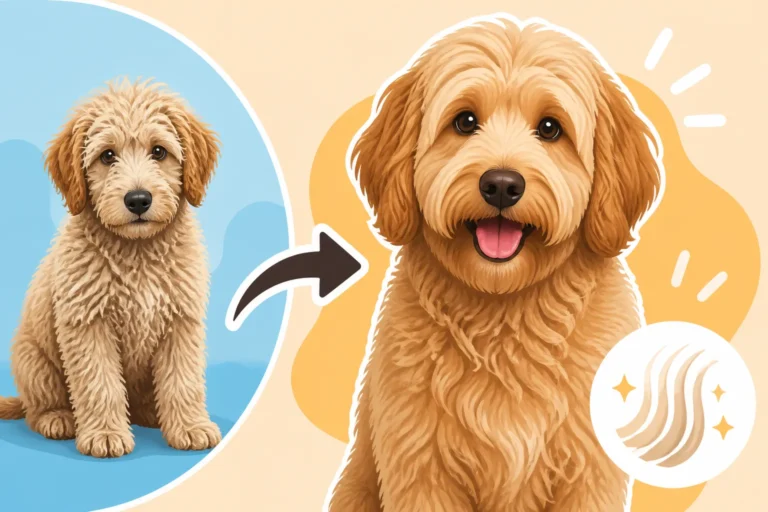
One of the most challenging periods for any Labradoodle owner, regardless of curl, is the dreaded "coat change." Around 9 to 12 months of age, your Labradoodle puppy will transition from its soft, easy-to-manage puppy coat to its denser adult coat. During this time, the puppy coat mixes with the new adult coat, creating a perfect storm for matting. It's not necessarily "shedding" in the traditional sense, where hair falls out readily, but rather the old puppy hairs intertwine with the new, forming incredibly tight tangles close to the skin.
This phase requires intense daily brushing, sometimes even twice a day, to prevent severe matting. Many owners who weren't prepared for this level of grooming commitment find themselves overwhelmed and their dogs ending up with matted coats that need to be completely shaved. The Coat Change That Hits a Labradoodle at Nine Months elaborates on this critical period. Even the curliest, genetically low-shedding Labradoodle will require extra attention during this time.
Genetic Testing for Coat Type
The most accurate way to predict your Labradoodle's shedding potential, irrespective of how curly it looks, is through genetic testing. There are readily available DNA tests that can determine whether a dog carries the furnishings gene (F/f) and the improper coat gene (IC). A reputable breeder will have already performed these tests on their breeding stock and can provide you with the results.
Here’s a quick overview of what those test results typically indicate:
| Gene Test Result | Description | Shedding Potential | Grooming Needs |
|---|---|---|---|
| F/F | Dog has two copies of the furnishings gene (dominant). | Very Low/None | Regular brushing (daily-weekly), professional trims |
| F/f | Dog has one copy of the furnishings gene and one copy of no furnishings. | Very Low/None | Regular brushing (daily-weekly), professional trims |
| f/f | Dog has two copies of the no furnishings gene (recessive). Improper Coat. | Moderate to High | Regular brushing (weekly), may not need clipping |
If you're unsure about your dog's genetic makeup, or if you're looking for a puppy and want solid assurance about its future coat, asking about these genetic tests is crucial. You can even purchase at-home DNA kits from pet supply retailers like Chewy or Amazon to test your own dog. Relying solely on visual cues like curl, especially in a puppy, can lead to surprises down the road. While Whether a Labradoodle Puppy's Coat Predicts the Adult One might offer some clues, genetic testing provides certainty.
Ultimately, while curl is often a good visual indicator that your Labradoodle might be low-shedding, it's the underlying genetics of the furnishings gene that truly makes the difference. Being informed and prepared for the grooming commitment, regardless of how much curl your dog has, will lead to a much happier experience for both you and your beloved Labradoodle.
Disclaimer
This article is for general informational purposes only and does not constitute professional advice. Laws, prices and regulations vary by location and change over time. Consult a qualified professional for guidance on your specific situation.