Whether a Labradoodle Sheds at All
The myth that Labradoodles don't shed at all is one of the most persistent misconceptions out there, and it can lead to a lot of frustration and unexpected grooming challenges for new owners. Many people bring home a Labradoodle expecting a truly "hypoallergenic" dog that leaves no trace of hair behind, only to find themselves battling tumbleweeds of fluff or, at the very least, needing diligent brushing to manage loose hair. This guide aims to clear up the confusion, explaining why some Labradoodles shed more than others and how to prepare for the reality of living with their unique coats.
The Truth About Labradoodle Shedding: It's Not Always Zero
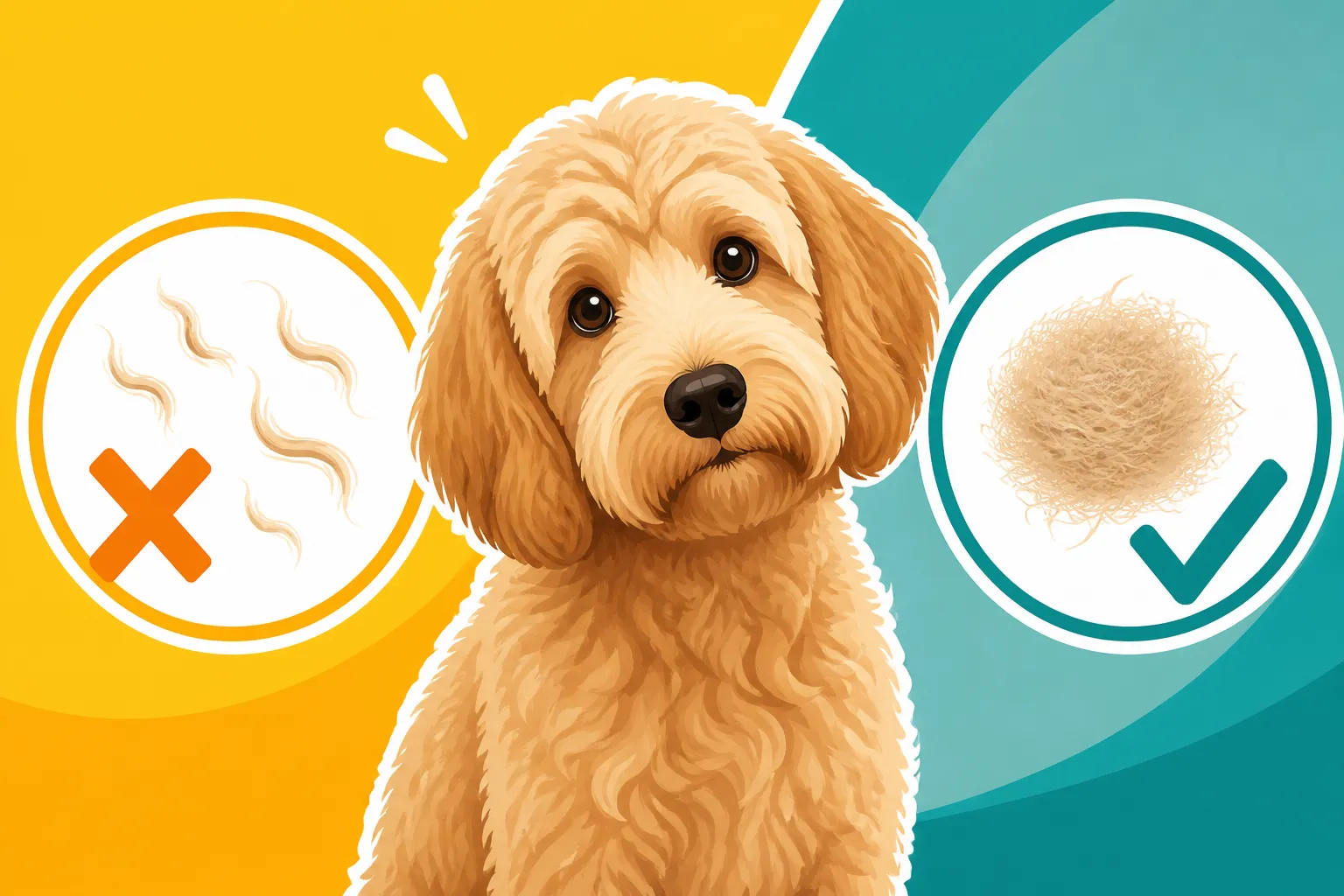
Let's get straight to it: no dog is 100% non-shedding. Every living creature with hair or fur sheds to some degree, just like humans shed hair. The difference with "hypoallergenic" breeds, or low-shedding breeds like many Labradoodles, is how much they shed and how that hair is managed. When people say Labradoodles don't shed, they usually mean they don't "blow coat" twice a year in huge amounts, or leave noticeable hair on every surface like a traditional Labrador Retriever might.
However, the reality is far more nuanced. The Labradoodle is a crossbreed of a Labrador Retriever (a moderate to heavy shedder) and a Poodle (a low-shedding, constantly growing coat). The outcome for an individual Labradoodle's shedding can vary wildly depending on its genetic makeup, specifically which parent's coat genes it inherited more strongly. Some Labradoodles will indeed be very low-shedding, while others might surprise you with a moderate amount of loose hair, especially if they lean more towards their Labrador lineage in terms of coat type. It's a common point of confusion and one that often catches first-time owners off guard when they realize their "non-shedding" dream dog still leaves hair on their dark pants.
The "Hypoallergenic" Misconception
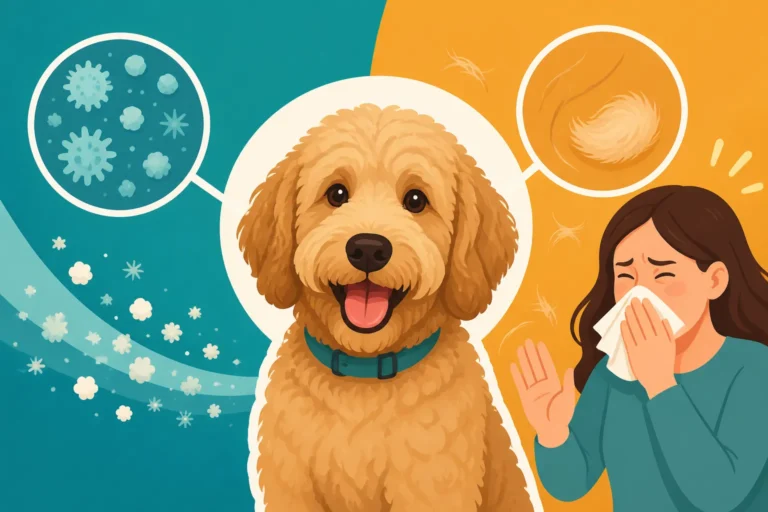
The term "hypoallergenic" is often applied loosely to Labradoodles, but it's a bit of a misnomer. For people with dog allergies, it's not actually the hair itself that causes the reaction, but rather proteins found in a dog's dander (skin flakes), saliva, and urine. These allergens hitch a ride on shed hair and become airborne, triggering symptoms. Poodles are considered low-shedding because their hair grows continuously, trapping shed hair and dander within the coat rather than releasing it into the environment. This is why a Poodle requires frequent grooming – to remove that trapped hair and prevent matting.
When a Labradoodle inherits a Poodle-like coat, it also tends to trap shed hair and dander. This reduces the amount of allergens dispersed into the air, making them more tolerable for many allergy sufferers, but rarely completely allergen-free. Therefore, a low-shedding Labradoodle can still trigger allergies in highly sensitive individuals, and a Labradoodle that sheds more, even if it's less than a Labrador, will likely distribute more allergens. It’s crucial for allergic families to spend time with the specific puppy or its parents to see how they react, rather than relying solely on the "hypoallergenic" label. You can dive deeper into this topic by reading Whether a Labradoodle Is Truly Hypoallergenic and Whether Dander or Hair Sets Off Allergies Around a Labradoodle.
Labradoodle Coat Types and Their Shedding Potential
The Labradoodle's coat is one of its most defining, and often most variable, characteristics. It's not a single type but a spectrum, generally categorized into three main types: hair, fleece, and wool. Each type has a different shedding propensity and requires a specific grooming approach. Understanding these differences is key to managing expectations about shedding.
The Hair Coat Labradoodle
The "hair coat" Labradoodle is the one that most closely resembles a Labrador Retriever's coat, or perhaps a more scruffy, wiry version of it. These coats are typically straighter, coarser, and do not have the characteristic "furnishings" (the longer hair on the face and legs) that Poodles and most Labradoodles possess. This coat type is usually seen in early generations, particularly F1 Labradoodles (a direct cross between a Labrador and a Poodle).
A hair coat Labradoodle will shed. Expect it to shed much like a Labrador, meaning you'll likely find hair on your furniture, clothes, and floors. While it might not be quite as profuse as a purebred Labrador, it's certainly not a non-shedding experience. These coats often require less intense brushing than fleece or wool coats because they don't mat as easily, but they do release loose hair more readily into the environment. If you're looking for a low-shedding dog due to allergies, this is generally the coat type to avoid. For more detailed information, check out The Hair Coat Labradoodle That Sheds.
The Fleece Coat Labradoodle
The fleece coat is often considered the "ideal" Labradoodle coat and what many breeders strive for. It's soft, wavy or spiraled, and feels much like a fluffy lamb's fleece. This coat type strikes a balance between the Poodle's curl and the Labrador's softer texture, creating a beautiful, flowing look. Fleece coats generally have the "furnishings" that give Labradoodles their signature teddy bear appearance.
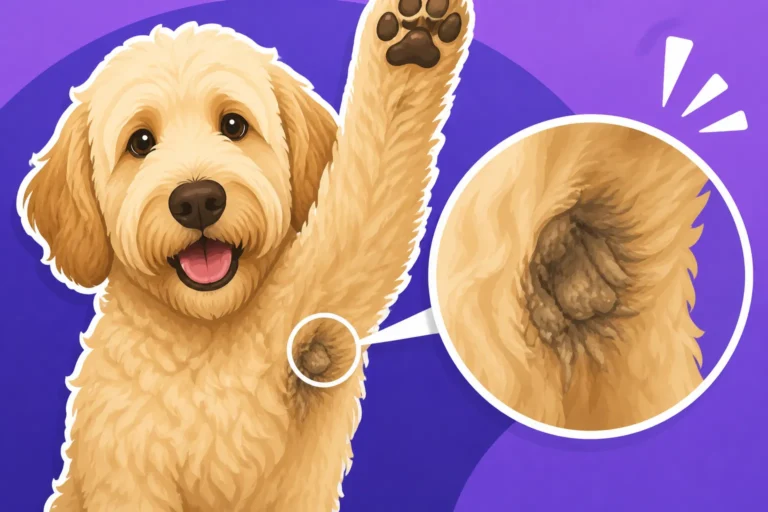
Fleece coats are typically low-shedding. The loose hairs are usually caught within the curls of the coat rather than falling out onto surfaces. This is excellent news for keeping your home cleaner and for many allergy sufferers. However, this also means that fleece coats will mat if not brushed regularly and thoroughly. The shed hair needs to be brushed out to prevent painful tangles and mats that can quickly become severe, especially in areas like behind the ears, armpits, and under the tail. Regular line brushing, as often as daily or every other day, is essential. This coat type is covered in depth in The Fleece Coat and Why Breeders Aim For It. You'll find many excellent grooming tools for fleece coats on sites like Chewy or Amazon.
The Wool Coat Labradoodle
The wool coat is the most Poodle-like of the Labradoodle coats. It's dense, curly, and often feels similar to lamb's wool, but with a more textured feel than fleece. It will have tight curls and prominent furnishings. This coat type is almost universally non-shedding in the traditional sense, meaning you won't typically see hair accumulating on your floors or furniture.
Just like a Poodle, the wool coat's hair grows continuously and traps all shed hair within its dense curls. This makes it an excellent choice for severe allergy sufferers, as very little dander or loose hair is released into the environment. However, this also means the wool coat is the most demanding in terms of grooming. It requires daily brushing and professional grooming every 6-8 weeks to prevent matting. If not meticulously maintained, a wool coat can quickly become a solid block of felt, which is not only uncomfortable and painful for the dog but often requires a complete shave-down. To understand the commitment, read The Wool Coat Labradoodle and Its Upkeep.
Here's a quick comparison of the three main Labradoodle coat types:
| Coat Type | Appearance | Shedding Level | Grooming Needs | Allergy Friendliness |
|---|---|---|---|---|
| Hair | Straight, coarse, sometimes wiry; no furnishings. | Moderate to High | Low brushing frequency, but sheds visibly. | Low |
| Fleece | Soft, wavy to spiraled; full furnishings. | Low (traps hair) | High brushing frequency (daily/every other day) to prevent mats; professional grooming every 6-8 weeks. | Medium to High |
| Wool | Dense, tight curls; full furnishings. | Very Low (traps all hair) | Very high brushing frequency (daily); professional grooming every 6-8 weeks. | High |
The Infamous "Coat Change" Period
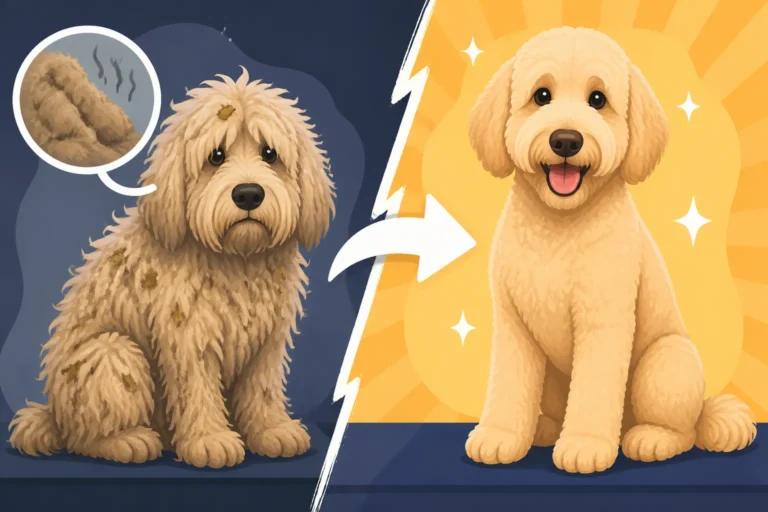
Even if your Labradoodle has a low-shedding fleece or wool coat, there's a specific period in their life that can feel like a shedding explosion: the "coat change." This usually occurs between 7 and 14 months of age, with 9 to 12 months being a very common timeframe. This is when your Labradoodle's soft, easy-to-manage puppy coat starts to transition into their denser, coarser adult coat. It's a rite of passage for Labradoodle owners, and if you're not prepared, it can turn into a matting nightmare.
During the coat change, the puppy hair often tangles and mats with the emerging adult hair at an astonishing rate. It's not so much "shedding" in the traditional sense of hair falling out onto your floor, but rather the old puppy hair getting firmly stuck in the new, more adult-like growth. If this trapped hair isn't meticulously brushed out, it forms dense mats that can pull on the skin and cause significant discomfort. Many owners are caught off guard by this, expecting their "non-shedding" dog to continue with its easy puppy coat, only to find themselves frantically trying to detangle a matted mess. For a deeper dive, read The Coat Change That Hits a Labradoodle at Nine Months and What Happens to a Labradoodle's Coat at Nine Months.
Surviving the Coat Change
Navigating the coat change requires vigilance and dedication. This is the period when many Labradoodles end up needing a full shave-down at the groomer because their coats have become too matted to brush out safely. Here's how to prevent that:
- Increase Brushing Frequency: If you were brushing every other day, step it up to daily, sometimes twice daily. Every single layer of the coat needs to be brushed to the skin. This isn't just surface brushing; you need to part the hair and get your slicker brush and metal comb right down to the root.
- Use the Right Tools: A good quality slicker brush and a sturdy metal comb are indispensable. The slicker brush helps loosen tangles and remove loose hair, while the comb is essential for checking your work and ensuring no mats are hiding deep in the coat. Products like detangling sprays, often found on Chewy, can also be incredibly helpful.
- Don't Skip Professional Grooming: While you're doing your best at home, a professional groomer can be a lifesaver during this period. They have high-velocity dryers and specialized tools that can help blow out the puppy coat and manage the transition. Regular appointments, perhaps every 4-6 weeks during the coat change, can prevent issues from escalating.
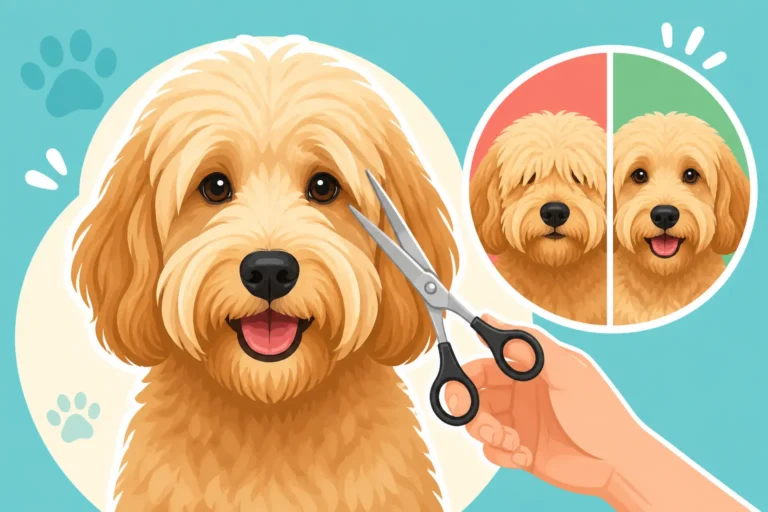
- Consider a Shorter Clip: It might be painful to part with some length, but a slightly shorter clip can make the coat change much more manageable. Less hair means fewer opportunities for mats to form and less time spent brushing. This doesn't mean shaving them bald, but a practical trim.
By being proactive and understanding that this period is temporary but intense, you can get your Labradoodle through their coat change with a healthy, beautiful adult coat.
Managing Loose Hair and Shedding in Your Labradoodle
Even after the coat change, and even with the lowest-shedding fleece or wool coat, you will still encounter loose hair. This isn't "shedding" in the way a Labrador sheds, but simply the natural turnover of hair strands. Think of it like human hair – we shed strands every day, but they mostly get caught in our brush or fall out unnoticed. For a Labradoodle, these loose hairs get trapped in their dense, curly coats, which means they need to be actively removed.
Daily Brushing: Your Best Defense
The most effective way to manage any loose hair and prevent matting in a low-shedding Labradoodle is consistent, thorough daily brushing. This is non-negotiable for fleece and wool coats. How Many Times a Week a Labradoodle Needs Brushing emphasizes that daily work is often necessary. This isn't a quick once-over; it's a dedicated session of "line brushing" where you systematically work through sections of the coat, ensuring you get right down to the skin. This removes any dead hair before it can tangle and compact into mats.
For hair-coated Labradoodles, daily brushing might not be strictly necessary to prevent mats, but it will significantly reduce the amount of loose hair shed onto your furniture and clothing. Regular brushing helps distribute natural oils, keeps their skin healthy, and generally makes their coat look much better. You might find great deals on durable brushes on Amazon.
Professional Grooming is Essential
Beyond daily brushing at home, professional grooming every 6-8 weeks is absolutely vital for Labradoodles with fleece or wool coats. Groomers have the expertise, tools, and high-velocity dryers to thoroughly clean, dry, and demat the coat. They can also provide a fresh, even trim that keeps your dog comfortable and prevents hair from growing too long and becoming unmanageable. Many owners find their groomer to be an indispensable partner in Labradoodle care. Consider trying out new, fresh dog food brands like Ollie to ensure optimal nutrition for a healthy coat from the inside out.
Dealing with Shed Hair in Your Home
Even with diligent grooming, you might still find some loose hair, especially if you have a hair-coated Labradoodle or during the coat change. Here are some tips for keeping your home tidy:
- Invest in a Good Vacuum: A powerful vacuum cleaner designed for pet hair is a game-changer. Look for models with strong suction and specialized attachments for upholstery.
- Regular Cleaning: Frequent vacuuming and dusting will help keep loose hair from accumulating.
- Lint Rollers: Keep lint rollers handy for your clothes, especially before heading out the door.
- Designated Pet Areas: Consider using washable throws or blankets on furniture where your Labradoodle likes to relax, making cleanup easier.
The idea that a Labradoodle never sheds is a myth that can lead to disappointment and unforeseen grooming challenges. By understanding the different coat types, anticipating the coat change, and committing to a consistent grooming routine, you can ensure your Labradoodle's coat stays healthy, comfortable, and beautiful, while keeping your home as hair-free as possible. It’s all about realistic expectations and a little bit of dedication!
Disclaimer
This article is for general informational purposes only and does not constitute professional advice. Laws, prices and regulations vary by location and change over time. Consult a qualified professional for guidance on your specific situation.