Exercise for a Stiff Old Labradoodle
It's a bittersweet milestone when your once-bouncy Labradoodle starts to slow down, and you notice a stiffness that wasn't there before. Seeing them struggle to rise after a nap or hesitate before jumping into the car can tug at your heartstrings, making you wonder how to keep them comfortable and active. This guide is here to walk you through adapting exercise routines and providing the best support for your beloved senior Labradoodle, ensuring their golden years are as happy and pain-free as possible.
Recognizing the Signs of Aging Stiffness in Your Labradoodle
As our Labradoodles gracefully enter their senior years, changes in their mobility are often one of the first things we notice. What might seem like just a little slowdown can actually be subtle indicators of discomfort or stiffness. It’s important to become a detective of sorts, observing their daily movements to catch these signs early, so you can adapt their care proactively.
Subtle Changes in Movement and Gait
One day you might notice your Labradoodle isn't greeting you with the same explosive enthusiasm, or perhaps they're taking a moment longer to get up from their bed. This isn't just them being lazy; it could be the first whisper of joint stiffness. Look for a more deliberate, perhaps slightly choppy, gait where their steps aren't as fluid as they once were. They might lift their paws a little less high, or drag their back paws ever so slightly, creating a scuffing sound you hadn't heard before. Sometimes, it manifests as a reluctance to use stairs or jump onto furniture, things they once did with effortless grace. The Birthday a Labradoodle Counts as Senior is a good read to understand when these changes might typically begin.
Beyond visible movements, pay attention to the sound of their movements. Do you hear little clicks or pops when they stretch or shift position? This isn't always a cause for alarm, but coupled with visible stiffness, it's a sign to note. They might also start shifting their weight, perhaps favoring one side, or sitting with a leg stretched out awkwardly instead of tucked neatly. These tiny adjustments in posture and movement are often their way of compensating for discomfort, and recognizing them allows you to intervene before the stiffness progresses.
Behavioral Indicators of Discomfort
Stiffness isn't just physical; it can manifest in your Labradoodle's behavior too. A dog in discomfort might become less playful, turning down a game of fetch they once adored, or opting for a shorter walk than usual. They might become more irritable, snapping or growling if touched in a sensitive area, particularly around their hips or back. This isn't a personality change; it's a plea for understanding their pain. You might also notice them licking excessively at certain joints, which is another common way dogs try to self-soothe pain.
Another significant behavioral shift can be a change in their sleeping patterns or preferred resting spots. If your Labradoodle used to love sleeping on the hard floor but now seeks out softer beds, or if they struggle to get comfortable and shift positions frequently, it could indicate sore joints. They might also seem more anxious or withdrawn, as chronic pain can really affect a dog’s overall mood and willingness to engage. If you notice these changes, it's crucial to discuss them with your veterinarian, as they can help determine if it's indeed Arthritis in a Labradoodle at Ten or another underlying issue.
Tailoring Exercise for a Senior Labradoodle
Once you've recognized the signs of stiffness, the good news is that exercise remains incredibly important for your senior Labradoodle. It's not about stopping activity, but rather adapting it to support their changing needs. Regular, appropriate exercise helps maintain muscle mass, flexibility, and a healthy weight, all of which are crucial for managing joint stiffness.
Low-Impact Activities for Joint Health
The key to exercising a stiff old Labradoodle is focusing on low-impact activities that minimize stress on their joints. Think slow, steady, and gentle. Swimming is often hailed as the perfect exercise for senior dogs because it provides a full-body workout without any impact. The buoyancy of the water supports their weight, allowing them to move their limbs freely and strengthen muscles that might be difficult to engage on land. If you have access to a safe, warm pool or even a calm lake, this can be a wonderful activity. Just be sure to rinse and dry their coat thoroughly afterwards, especially their ears, to prevent skin issues.
Leashed walks are still essential, but they should be shorter in duration and more frequent if possible. Instead of one long, strenuous walk, try two or three shorter, leisurely strolls throughout the day. Opt for soft, even surfaces like grass or dirt paths rather than hard pavement, which can be jarring on sensitive joints. Consider walking at cooler times of the day to prevent overheating, especially if your Labradoodle has a thicker coat. The goal is gentle movement, not pushing for speed or distance.
Adjusting Duration and Frequency
When your Labradoodle is dealing with stiffness, the "more is better" philosophy for exercise goes right out the window. Instead, think "consistency is key," with a focus on quality over quantity. A stiff Labradoodle will benefit more from several short, gentle walks throughout the day than one long, arduous trek that leaves them sore and exhausted. For example, instead of a 45-minute hike, try three 15-minute sniff-and-stroll sessions around the block.
Pay close attention to how your Labradoodle responds during and after exercise. Are they lagging behind? Are they limping more later in the day? These are signs that you might have done too much. It's a delicate balance, and finding the sweet spot will take some trial and error. The weather also plays a huge role; on colder, damp days, their stiffness might be more pronounced, so a shorter, indoor play session might be more appropriate. Remember, the goal is to maintain mobility and comfort, not to break any speed records. Exercise for a Stiff Old Labradoodle is all about gentle, supportive movement.
Gentle Stretching and Massage
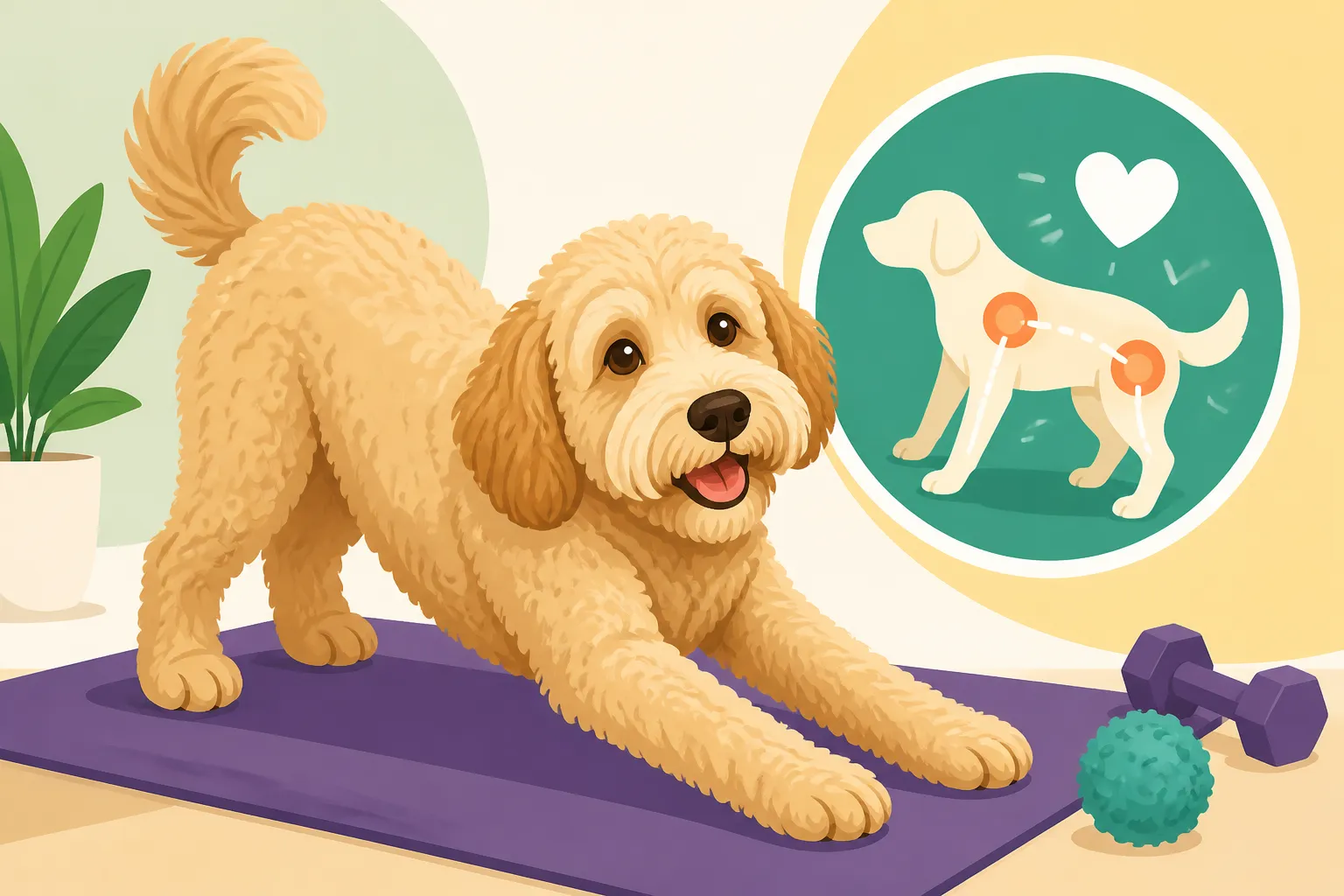
Just like humans, senior dogs can benefit immensely from gentle stretching and massage to improve flexibility and circulation, and reduce stiffness. Before or after a walk, you can perform simple passive range of motion exercises. Gently extend and flex each leg, being careful not to push past their comfortable range. Hold each stretch for about 10-15 seconds. Always ensure your dog is relaxed and comfortable; never force a stretch.
Massage can also do wonders. Using slow, circular motions, gently rub the muscles around their hips, shoulders, and along their spine. Watch for signs of enjoyment, like leaning into your hand, or discomfort, like tensing up or moving away. Focus on areas where you know they carry tension. A warm towel applied to stiff joints before a massage can further help relax the muscles. This intimate bonding time not only helps physically but also strengthens your connection. Consider watching some reputable online tutorials or asking your vet for a demonstration on safe and effective techniques.
Supporting Mobility: Aids and Supplements for Stiff Labradoodles
Beyond adapting their exercise, there are numerous tools and supplements available that can significantly enhance your senior Labradoodle's comfort and mobility. These aids aren't just luxuries; they can be vital in preserving their quality of life.
Mobility Aids and Devices
Ramps and steps can be absolute game-changers for a Labradoodle struggling with stiffness. Instead of struggling to jump onto the couch for cuddles or into the car for an adventure, a ramp provides an easy, low-impact ascent. Look for ramps with good traction and a gentle slope that your dog feels secure using. You can find a wide variety of options on retailers like Amazon, ranging from foldable car ramps to stylish indoor steps. Ramps and Steps for an Aging Labradoodle can really make a difference in their daily independence.
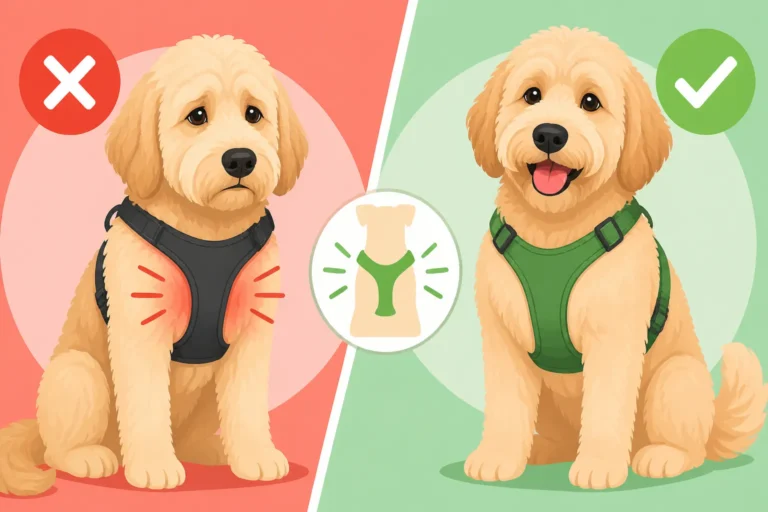
Harnesses are another excellent tool, particularly those with handles over the hips or chest. These allow you to provide gentle support when your Labradoodle needs a little help getting up, navigating stairs, or stabilizing themselves during walks. A good supportive harness distributes weight evenly and prevents strain on their neck or compromised joints. For very stiff or arthritic dogs, a full-body sling or a hind-leg support harness can offer crucial assistance, helping them maintain balance and mobility while reducing your own physical strain.
Joint Supplements and Dietary Support
Nutritional support plays a monumental role in managing stiffness in older Labradoodles. Many owners find success with joint supplements containing ingredients like glucosamine, chondroitin, and MSM. These compounds are believed to help maintain the health of cartilage and support joint lubrication. There are countless brands available, and it's always best to discuss specific dosages and product recommendations with your vet. Many popular pet supply stores like Chewy offer a wide range of these supplements, making it easy to find one that suits your dog.
Beyond supplements, consider their overall diet. Feeding an Old Labradoodle That Has Slowed Down is important. Maintaining a healthy weight is paramount, as excess pounds put enormous strain on already stiff joints. Look for senior dog formulas that are lower in calories but still provide essential nutrients. Some owners also explore fresh food options, like those offered by services such as Ollie, believing that a less processed diet can contribute to overall wellness and reduced inflammation. High-quality omega-3 fatty acids, often found in fish oil, are also excellent for reducing inflammation and supporting joint health. Always introduce new foods or supplements gradually to avoid digestive upset.
| Exercise Type | Benefits for Stiff Labradoodles | Considerations |
|---|---|---|
| Swimming | Non-weight bearing, builds muscle, improves range of motion. | Access to safe water, water temperature, post-swim drying to prevent ear infections. |
| Short Leashed Walks | Maintains muscle, gentle cardiovascular, mental stimulation. | Soft surfaces, cooler times of day, monitor for fatigue, shorter duration, more frequent. |
| Gentle Stretching | Improves flexibility, increases circulation, reduces stiffness. | Never force, ensure dog is relaxed, consult vet for proper techniques. |
| Indoor Play (Soft) | Mental engagement, light movement, safe from falls. | Soft toys, non-slip surfaces, avoid high jumps or sudden twists. |
| Massage | Reduces muscle tension, increases circulation, promotes relaxation. | Focus on tense areas, watch for signs of discomfort, warm towel can help. |
The Role of Mental Engagement in Senior Dog Wellness
While physical exercise needs to be adapted for a stiff old Labradoodle, mental engagement becomes even more critical. A sharp mind can help compensate for a less-abled body, keeping your dog happy, engaged, and feeling like a valued part of the family, even if they can't chase squirrels like they used to.
Brain Games and Puzzle Toys
Just because their legs are stiff doesn't mean their brain has to be. Puzzle toys are fantastic for senior Labradoodles, challenging them to figure out how to get a treat or a favorite kibble. These toys come in various difficulty levels, from simple sniff mats to more complex contraptions that require multiple steps. Engaging their problem-solving skills keeps their minds active and prevents boredom, which can sometimes lead to destructive behaviors or cognitive decline. You can find a wide array of these toys on sites like Chewy or Amazon.
Beyond physical toys, you can incorporate simple brain games into their daily routine. "Find it" games, where you hide treats around the house and encourage them to sniff them out, are wonderful for engaging their powerful noses. Even basic obedience commands, practiced in short, positive reinforcement sessions, can provide valuable mental stimulation. These activities don't require much physical exertion but provide a rich outlet for their cognitive needs. Canine Cognitive Decline in an Old Labradoodle is a challenge many senior owners face, and mental stimulation is a key preventative measure.
Scent Work and Nose Games
Labradors, and therefore Labradoodles, are renowned for their incredible sense of smell. Harnessing this natural ability through scent work is an excellent way to provide mental enrichment for a senior dog, especially one whose physical activity is limited. Scent games can be played indoors, in a small space, making them ideal for dogs with mobility issues. Start by hiding a high-value treat under a cup or a towel and encourage them to find it. As they get better, you can increase the difficulty by hiding treats in different rooms or under more obscure objects.
You don't need fancy equipment or training classes to do this at home. Even scattering a portion of their meal across the lawn or a snuffle mat can turn mealtime into a stimulating "hunt." This not only engages their brain but also slows down their eating, which can be beneficial for digestion. The joy and focus a senior Labradoodle shows when engaged in scent work is truly wonderful to witness, reminding you that their spirit for adventure is still very much alive, just channeled differently.
Creating a Safe and Accessible Environment
Your home environment can either exacerbate or alleviate the challenges faced by a stiff old Labradoodle. Thoughtful adjustments to their living space can dramatically improve their comfort, safety, and overall quality of life.
Non-Slip Surfaces and Comfortable Bedding
Slippery floors are a major hazard for senior dogs with stiff joints. Imagine trying to walk on ice when your legs already ache – that's what a hardwood or tile floor can feel like. Lay down non-slip rugs or carpet runners in high-traffic areas, especially where they eat, drink, or access their favorite resting spots. This provides much-needed traction and confidence, reducing the risk of painful slips and falls.
Investing in orthopedic bedding is another crucial step. Standard dog beds might not offer enough support for aching joints. Orthopedic beds, often made with memory foam, conform to your Labradoodle's body, providing superior cushioning and support. This helps relieve pressure points and allows them to get truly restorative sleep, which is vital for recovery and overall well-being. Place these beds in quiet, easily accessible spots where they feel secure. Supporting a Sixty Pound Labradoodle That Cannot Rise is about making those small, daily movements easier.
Easy Access to Essentials and Outdoor Areas
Think about your Labradoodle's daily routine and identify any areas where they might struggle. Are their food and water bowls in a location that requires them to climb stairs? Consider moving them to a more accessible ground-floor spot. Raised food and water bowls can also make eating and drinking more comfortable, as they don't have to bend their neck and back as much.
Access to the outdoors for potty breaks is another critical consideration. If you have steps leading to the yard, installing a ramp can be invaluable. If ramps aren't feasible, a sturdy outdoor mat can provide better footing. For dogs with very severe mobility issues, you might even consider an indoor potty area with absorbent pads to prevent accidents and unnecessary discomfort from having to hold it or navigate difficult terrain outside. The goal is to minimize obstacles and make their daily needs as easy and stress-free as possible.
Disclaimer
This article is for general informational purposes only and does not constitute professional advice. Laws, prices and regulations vary by location and change over time. Consult a qualified professional for guidance on your specific situation.