What a CAER Eye Exam Costs on a Labradoodle
Let's face it, owning a Labradoodle is a joy, but it's also a significant commitment, and that includes keeping them healthy. One of the often-overlooked aspects of their well-being, especially for those considering breeding or simply wanting peace of mind, is specialized eye health screening. You might be wondering, "What even is a CAER eye exam, and what am I looking at in terms of cost?" It's a valid concern, as these specialized veterinary procedures can definitely add up. This guide aims to demystify the CAER eye exam, explain why it's so important for your beloved Labradoodle, and give you a realistic overview of the costs involved, helping you budget and prepare for this crucial part of their care.
Understanding the CAER Eye Exam for Your Labradoodle
When you hear "eye exam" for your dog, you might think of a quick peek by your regular vet. However, a CAER eye exam is a whole different ballgame. It's a comprehensive, specialized examination performed by a board-certified veterinary ophthalmologist, designed to detect hereditary and non-hereditary eye conditions that could affect your Labradoodle's vision and overall health. Knowing what this exam entails and its purpose is the first step in understanding its value and, consequently, its cost.
What Exactly is a CAER Exam?
CAER stands for Canine Eye Registry Foundation, though these days the certification process is more formally known as OFA Eye Certification, managed by the Orthopedic Foundation for Animals (OFA). The goal remains the same: to screen dogs for inherited eye diseases. This isn't just a basic check-up; it's a thorough examination of all structures of the eye, from the eyelids and conjunctiva to the retina and optic nerve, looking for any abnormalities that could impact your dog's vision or indicate a genetic predisposition to certain conditions.
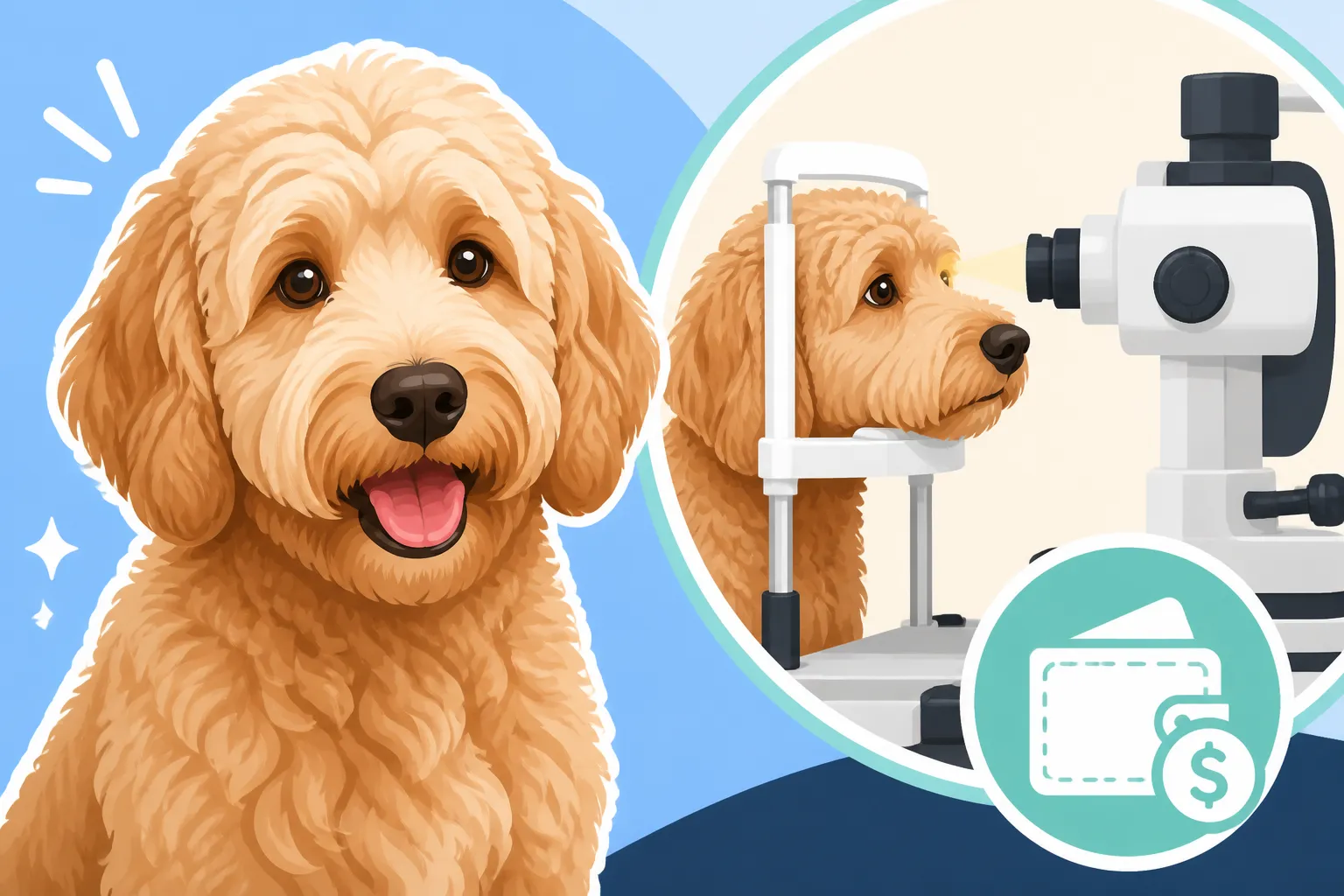
The ophthalmologist uses specialized equipment, much like what you'd see at your own eye doctor, to get a detailed view. They'll dilate your dog's pupils with drops to get a clearer look at the back of the eye, performing indirect ophthalmoscopy and slit lamp biomicroscopy. It's a precise and detailed process that requires significant expertise and training, which is a major factor in why it's not simply bundled into a standard vet visit. Once the exam is complete, the results are submitted to the OFA database, contributing to a broader understanding of breed health.
Why Your Labradoodle Needs a CAER Exam
Labradoodles, being a crossbreed of Labradors and Poodles, can inherit genetic predispositions to eye conditions from both sides of their family tree. Conditions like Progressive Retinal Atrophy (PRA), cataracts, retinal dysplasia, and glaucoma are unfortunately not uncommon in these breeds. A CAER exam is a proactive step in identifying these issues, sometimes even before your dog shows any noticeable symptoms. Early detection can lead to better management, slower progression of disease, or simply help you prepare for future challenges your dog might face.
For breeders, this exam is absolutely critical. Reputable breeders use CAER results to ensure they are not passing on hereditary eye diseases to future generations of puppies. If you're a pet owner, knowing your Labradoodle's eye health status, especially if you adopted them from a breeder who performs these checks, provides invaluable information. It empowers you to make informed decisions about their care and be vigilant for any changes in their vision or eye appearance. We've talked before about The Progressive Retinal Atrophy Labradoodles Are Tested For and how serious conditions like Cataracts in a Middle Aged Labradoodle can be, so regular screening is truly a gift of foresight.
Deconstructing the Cost of a CAER Eye Exam
Alright, let's talk numbers – or rather, the factors that drive the numbers, because specific costs can swing quite a bit depending on where you are and who you see. It's natural to feel a bit of sticker shock when looking at specialist vet bills, but understanding what you're paying for can help. A CAER eye exam isn't cheap, but it's an investment in your Labradoodle's long-term well-being.
Factors Influencing the Price
The price tag on a CAER eye exam isn't a fixed, national rate. Several key factors come into play:
- Geographic Location: Just like human healthcare, veterinary costs vary significantly by region. A specialist in a major metropolitan area like Los Angeles or New York City will likely charge more than one in a rural town in Kansas or Iowa. The cost of living and operating a specialist practice in these areas directly impacts their fees.
- Type of Clinic: While sometimes offered at general veterinary clinics as part of a special event, CAER exams are almost exclusively performed by board-certified veterinary ophthalmologists at specialty referral hospitals or university veterinary teaching hospitals. These facilities have state-of-the-art equipment and highly trained staff, which contributes to the cost.
- Clinic Events vs. Individual Appointments: This is often the biggest cost differentiator. If you take your Labradoodle to an individual appointment with a veterinary ophthalmologist, you're paying for a one-on-one consultation and examination. However, many breeders and pet owners seek out "OFA eye clinics" or "health clinics" often held in conjunction with dog shows, breed club events, or even at some larger veterinary practices. These clinics typically offer a reduced rate because the ophthalmologist is seeing many dogs in succession, making the process more efficient for them and more affordable for owners.
- Additional Services: If the ophthalmologist finds anything concerning during the exam, they might recommend additional diagnostic tests or treatments, which would be separate costs. The CAER exam itself is just the screening.
What the Exam Fee Typically Covers
When you pay for a CAER eye exam, you're primarily paying for the expertise of a board-certified veterinary ophthalmologist. This isn't your regular veterinarian; it's someone who has undergone years of additional specialized training specifically in veterinary ophthalmology. Their fee typically covers:
- The Ophthalmologist's Time and Expertise: This includes their detailed examination of both eyes, often taking 20-30 minutes or more per dog, depending on cooperation.
- Specialized Equipment Usage: The use of a slit lamp, indirect ophthalmoscope, tonometry (to check eye pressure), and other diagnostic tools specific to eye examination.
- Dilating Eye Drops: These are essential for a thorough examination of the retina and lens.
- OFA Submission Fee: The ophthalmologist will typically handle the paperwork to submit the results to the OFA database, and this administrative fee is often included or a small additional charge.
It's important to remember that this fee generally does not cover any follow-up appointments, medications, or surgical interventions if a problem is detected. It's purely for the diagnostic screening itself. So, while you're getting a comprehensive check, be prepared for potential subsequent costs if any issues are identified.
Regional Price Variations and General Cost Expectations
It's truly challenging to give a precise number because of the variations mentioned, but to give you a ballpark, an individual CAER eye exam appointment with a specialist can range from around $150 to $300 or more in most areas. If you can find an OFA eye clinic event, the costs are often significantly lower, sometimes in the range of $50 to $100 per dog. These clinic prices are usually advertised in advance, so it's worth checking with local breed clubs or large vet hospitals.
Here's a general overview of factors:
| Factor | Impact on Cost | General Price Range (Estimate) |
|---|---|---|
| Location | Urban centers typically higher, rural areas lower. | $50 – $300+ |
| Type of Event | Specialty clinics/events are cheaper than individual appts. | Clinic: $50 – $100; Individual: $150 – $300+ |
| Ophthalmologist | Board-certified specialist is required; their fees vary. | Included in clinic or individual fee |
| Additional Tests | Not included in the initial screening fee. | Variable, if needed |
This table provides a general idea, but always call ahead to specific clinics or event organizers for their current pricing. This is part of being a savvy pet owner and managing the financial aspects of your Labradoodle's care.
Managing the Cost and Being Prepared
The cost of specialized veterinary care can feel overwhelming, especially when you're caught off guard. However, with a little planning and awareness, you can manage the expense of a CAER eye exam for your Labradoodle. It's about being proactive and knowing where to look for quality care that fits your budget where possible.
Finding a Board-Certified Veterinary Ophthalmologist
For a CAER exam, you must see a board-certified veterinary ophthalmologist. Your regular family vet, as wonderful as they are, does not have the specialized training or equipment to perform this specific certification. You can find these specialists through:
- OFA Website: The Orthopedic Foundation for Animals has a search tool that can help you locate ophthalmologists who participate in their Eye Certification Exam program.
- American College of Veterinary Ophthalmologists (ACVO) Website: This is the certifying body for veterinary ophthalmologists in North America, and their website offers a directory of specialists.
- Referrals from Your Primary Vet: Your trusted family veterinarian can also provide referrals to local or regional ophthalmologists they work with.
- University Veterinary Teaching Hospitals: These institutions often have excellent ophthalmology departments and are sometimes involved in research or host clinics.
Don't hesitate to call several clinics to inquire about their process, availability, and, of course, their pricing for a CAER exam. It's smart to do your homework.
Attending OFA Eye Clinics
As mentioned earlier, attending a designated OFA Eye Clinic is often the most cost-effective way to get your Labradoodle's eyes certified. These events are typically organized by local breed clubs, kennel clubs, or even some veterinary hospitals. The ophthalmologist sets aside a specific day to see many dogs, streamlining the process and allowing them to offer a reduced fee.
To find these clinics:
- Check Local Breed Club Websites: Many Poodle and Labrador Retriever clubs, or even local Doodle owner groups, will announce upcoming health clinics.
- OFA Website Calendar: The OFA often lists scheduled eye clinics on their website.
- Ask Your Veterinarian: They might be aware of upcoming events in your area or region.
- Dog Show Circuits: Many large dog shows include health testing clinics, including eye exams, as part of their event schedule.
Booking in advance is usually required for these clinics, as slots fill up quickly due to their popularity and affordability. This is one of the best ways to ensure your Labradoodle gets this important health screening without breaking the bank.
Pet Insurance and Eye Exams
This is a tricky area, and it's where reading the fine print of your pet insurance policy becomes paramount. Generally, most pet insurance providers, such as Healthy Paws, distinguish between diagnostic procedures for a suspected illness and screening/wellness exams.
- Diagnostic Exams: If your Labradoodle starts showing symptoms of an eye problem (e.g., redness, discharge, squinting, bumping into things), and the CAER exam is part of the diagnostic workup, your insurance might cover a portion of the costs, especially if it's considered a "covered condition."
- Screening/Wellness Exams: However, if you're getting a CAER exam purely as a preventative screening or for breeding purposes, many standard policies may not cover it. Some policies offer optional "wellness add-ons" that might include coverage for routine screenings, so it's crucial to check your specific plan details.
Always contact your pet insurance provider before the exam to understand what is and isn't covered. It's much better to know upfront than to be surprised by an uncovered bill. We've discussed Whether a Labradoodle Policy Covers Hereditary Conditions before, and eye issues are definitely in that category, so comprehensive coverage is key.
Budgeting for Preventative Care
Ultimately, budgeting for preventative care like CAER eye exams is just part of responsible Labradoodle ownership. These dogs, while generally robust, do come with specific health predispositions, and being proactive can save you a lot of heartache and potentially even higher costs down the road if an issue goes undetected.
Consider setting aside a small amount each month into a "pet health fund" specifically for these types of specialist exams and unforeseen vet bills. Products and services from companies like Chewy, which offers a wide range of pet supplies, or Ollie, focused on fresh food delivery, help us take care of daily needs. But budgeting for specialized vet care is a different category of planning. Regular check-ups, appropriate vaccinations, and a healthy diet are cornerstones, but specialist screenings fill in crucial gaps. Remember, The Health Tests a Labradoodle Breeder Should Show are not just for breeders; they are peace of mind for you too.
What Happens During the CAER Exam?
Knowing what to expect during the CAER eye exam can help alleviate any anxiety you or your Labradoodle might have. It's not a painful procedure, but it does involve specialized techniques and equipment. Being prepared for the process helps everything run smoothly for both of you.
The Consultation and History
Your visit to the veterinary ophthalmologist will begin with a thorough consultation. The specialist or their technician will take a detailed history of your Labradoodle. This will include questions about:
- Your dog's general health: Any other medical conditions, medications, or past surgeries.
- Any observed eye issues: Have you noticed squinting, redness, discharge, cloudiness, or changes in vision?
- Breed and family history: If known, information about parents and grandparents, and any eye conditions reported in their lineage. This is particularly important for Labradoodles due to the inherited nature of many eye diseases.
- Your goals for the exam: Are you seeking certification for breeding, or simply a comprehensive check-up for your pet?
Being honest and thorough with this information is crucial, as it helps the ophthalmologist tailor their examination and interpret their findings. For instance, if you're uncertain about your dog's exact heritage, that's okay, but share what you do know.
The Examination Process
Once the history is taken, the actual eye examination begins. Here’s a typical rundown of what your Labradoodle will experience:
- Initial External Exam: The ophthalmologist will first visually inspect the outer structures of the eye, including the eyelids, eyelashes, conjunctiva (the lining of the eyelids), and surrounding facial structures. They’ll look for any abnormalities, irritation, or signs of inflammation.
- Pupil Dilation: Special eye drops will be administered to dilate your Labradoodle's pupils. This is essential because it allows the ophthalmologist to get a clear view of the deeper structures of the eye, particularly the lens and retina. These drops take some time to work, so there might be a short waiting period after they are given.
- Slit Lamp Biomicroscopy: This involves using a specialized microscope with a focused beam of light (a "slit lamp") to examine the front part of the eye in detail – the cornea, iris, and lens. This allows for detection of subtle changes like early cataracts or corneal dystrophies.
- Indirect Ophthalmoscopy: With the pupils fully dilated, the ophthalmologist will use an indirect ophthalmoscope (a light source worn on their head with a magnifying lens) to examine the retina, optic nerve, and vitreous humor at the back of the eye. This is where conditions like Progressive Retinal Atrophy or retinal dysplasia would be identified.
- Tonometry (Eye Pressure Check): In many cases, the ophthalmologist will also check the pressure inside your dog's eyes using a specialized instrument called a tonometer. This is a quick and painless test that helps screen for glaucoma, a serious condition that can lead to blindness.
Your Labradoodle will typically be held gently but firmly during these procedures, often in a sitting position or on an examination table. The room might be dimmed to aid in visualization. While the process isn't invasive, it requires your dog to remain still, which some Labradoodles might find a little unsettling, but most tolerate it well.
Receiving and Understanding the Results
After the examination, the ophthalmologist will discuss their findings with you. The results will typically fall into one of three categories:
- Normal (Clear): This is the best-case scenario, meaning no observable hereditary eye diseases were detected at the time of the exam. For breeding dogs, this means they are clear for genetic eye conditions that can be screened this way.
- Affected: This means a hereditary eye disease was identified. The ophthalmologist will explain the condition, its potential impact on your Labradoodle's vision, and discuss any management or treatment options. If your dog is a breeding animal, this result would mean they should not be bred to avoid passing on the condition.
- Equivocal/Borderline: Sometimes, the findings might be ambiguous or show very early, subtle changes that aren't definitively "affected" but warrant further monitoring. In these cases, the ophthalmologist might recommend a follow-up exam in six months to a year.
The ophthalmologist will then complete the necessary paperwork to submit the results to the OFA. You'll usually receive a copy of this certificate. It’s important to remember that a "clear" result is a snapshot in time. Eye conditions can develop later in life, so The Yearly Eye Exam a Labradoodle Should Have is a good idea, especially as they age. For breeders, transparency with these results, as we discussed in Asking a Breeder for Labradoodle Eye Certificates, is crucial for maintaining the health of the breed.
Disclaimer
This article is for general informational purposes only and does not constitute professional advice. Laws, prices and regulations vary by location and change over time. Consult a qualified professional for guidance on your specific situation.