Whether Brushing the Top Coat Is Enough on a Labradoodle
Labradoodle coat brushing explains why surface grooming misses deep tangles that form painful mats close to the skin.
The daily stuff, done right.
Feeding amounts by life stage, coat and skin routines, dental and nail care, exercise needs, and what changes as they age.
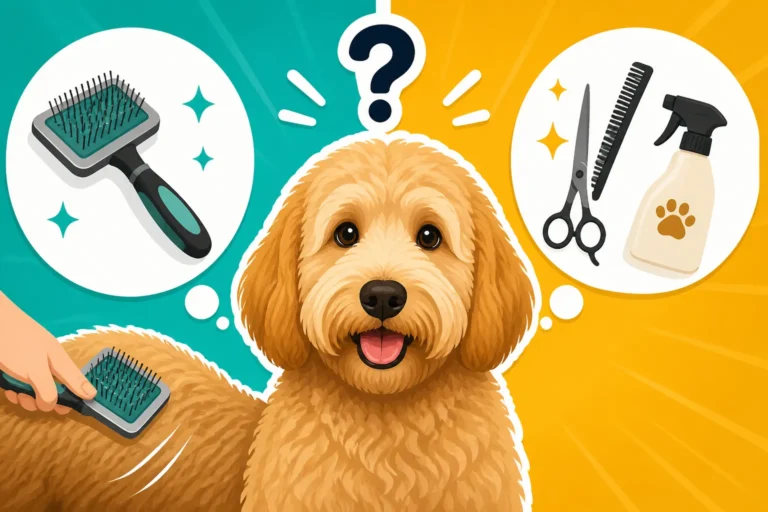
Labradoodle coat brushing explains why surface grooming misses deep tangles that form painful mats close to the skin.
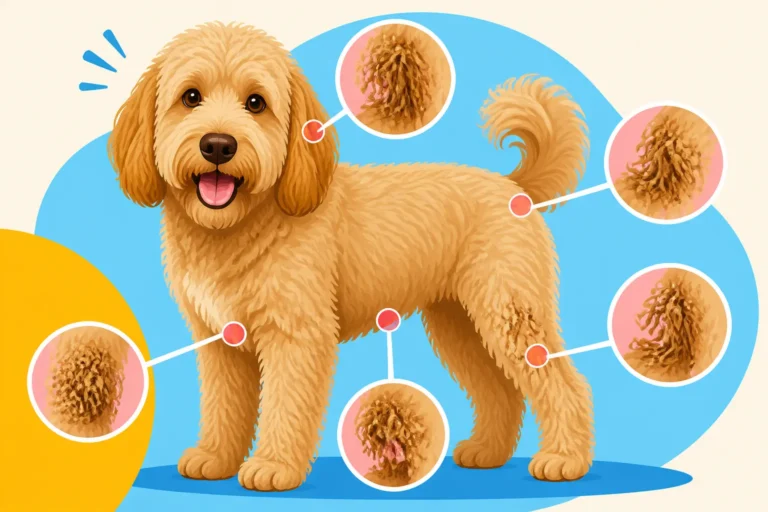
Labradoodle coat matting locations, including behind the ears and coat types like fleece, trap dead hair to cause knots.
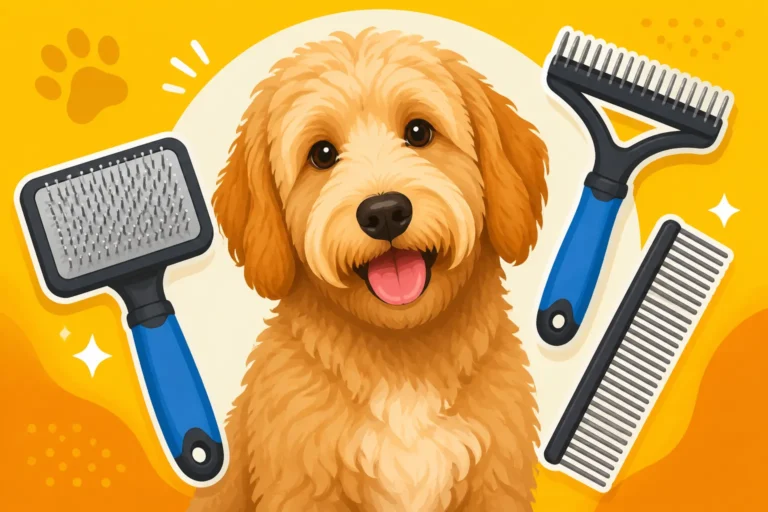
Labradoodle coat maintenance methods and grooming tools including the slicker brush, rake, and metal comb for fleece and wool types.
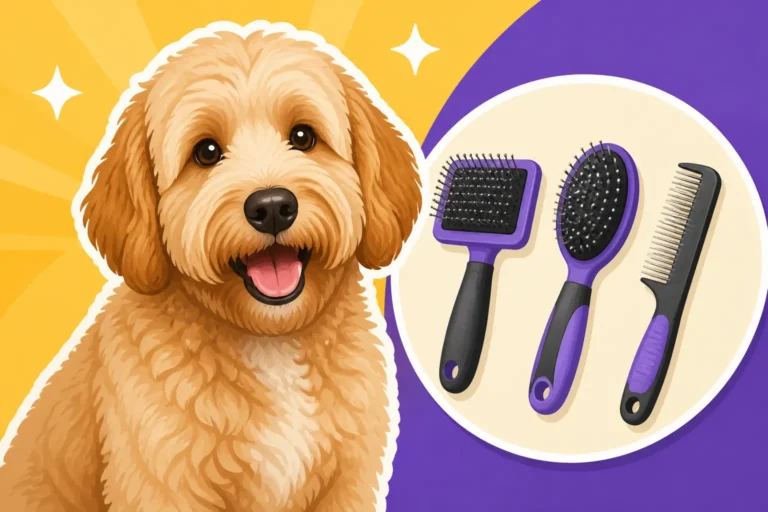
Line brushing techniques for hair, fleece, and wool Labradoodle coats prevent painful mats in armpits and behind ears.

F1 Labradoodle coat genetics create unpredictable shedding and texture because puppies inherit mixed genes from Labrador and Poodle parents.
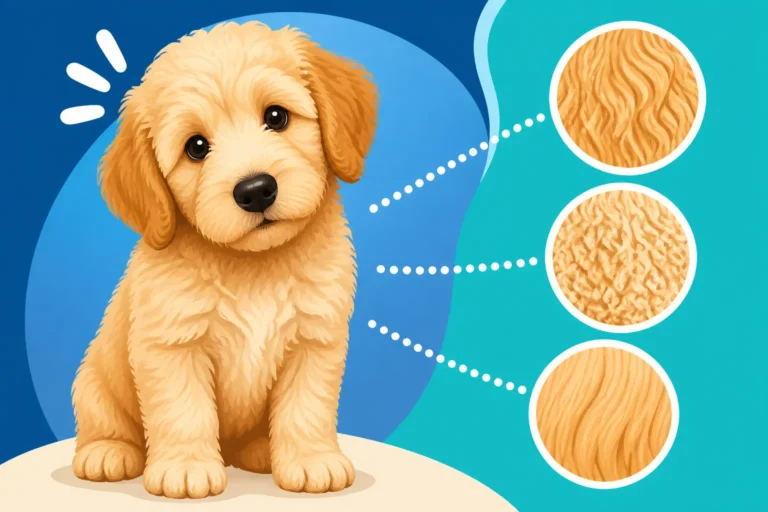
Labradoodle coat types at eight weeks, covering hair, fleece, and wool, determine future grooming needs and shedding levels.
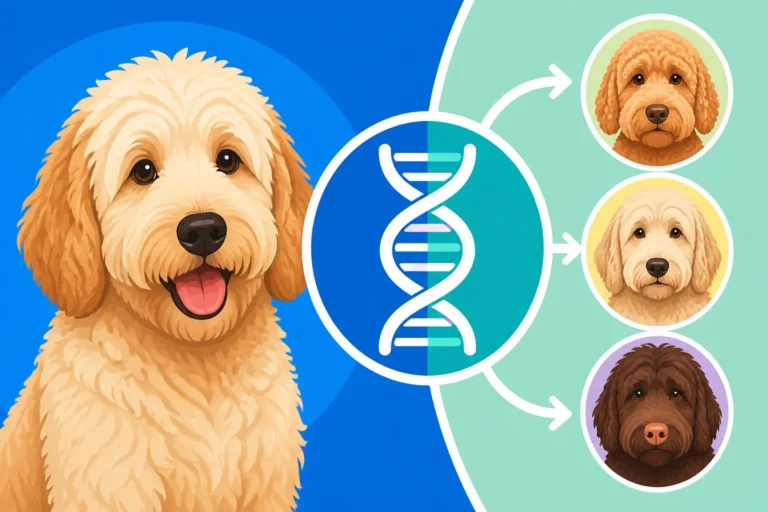
Labradoodle DNA testing explains coat type, shedding potential, and furnishings using the RSPO2, KRT71, and MC5R genes for owners.
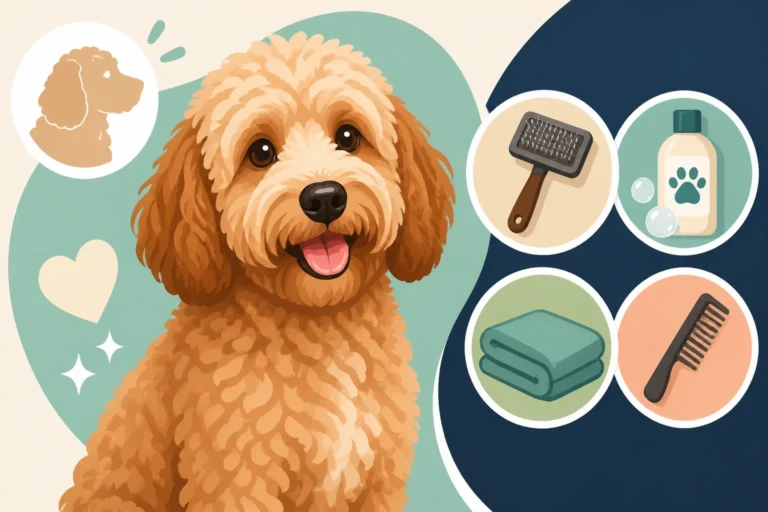
Labradoodle wool coat upkeep involves daily routines and specific tools to prevent painful matting during the adult coat change.

The Labradoodle fleece coat offers low shedding and soft texture, which explains why breeders target this specific trait.
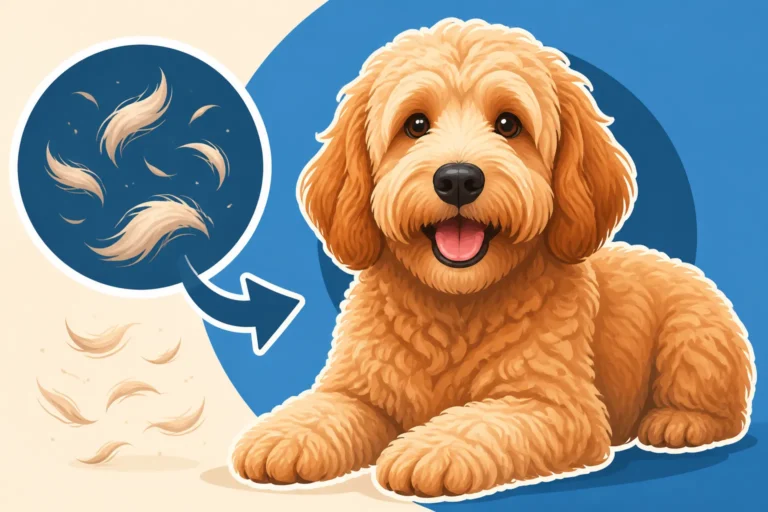
Hair-coated Labradoodles inherit genetics from Labrador parents, causing these hybrid dogs to shed fur extensively around homes.