The Line Brushing a Labradoodle Coat Needs
Oh, the Labradoodle coat! It's one of their most defining features, right? That gorgeous, soft, low-shedding (usually!) fluff that just invites cuddles. But let's be honest, it can also be a real source of frustration, turning into a matted nightmare faster than you can say "doodle." Many of us have found ourselves staring at a knot behind an ear or in an armpit, wondering how it got there overnight, and feeling a pang of guilt. This comprehensive guide is here to walk you through the art of line brushing, ensuring you keep your Labradoodle's coat healthy, beautiful, and mat-free, saving you from expensive emergency grooms and your pup from discomfort.
Understanding Your Labradoodle's Unique Coat
Before we dive into the nitty-gritty of brushing, it's crucial to understand the very thing we're trying to maintain: your Labradoodle's coat. Unlike many breeds with a predictable coat, Labradoodles can have a range of textures, each presenting its own set of grooming challenges. This variety often catches new owners off guard, leading to early matting if not properly managed.
The Different Labradoodle Coat Types and Their Challenges
Labradoodles generally come with three main coat types: hair, fleece, and wool. Each has its own characteristics and, crucially, its own grooming requirements. Misunderstanding your dog's specific coat type is often the first step towards grooming woes. For instance, you might think a hair coat is "easy" because it sheds, but it still needs attention to prevent tangles and maintain its condition.
The hair coat, often seen in earlier generations like F1s, is usually straighter, coarser, and sheds more like a Labrador. While it might seem less prone to matting than the other types, it can still develop tangles, especially in areas of friction or if not brushed regularly. Then there's the fleece coat, the most sought-after type, which is soft, wavy, or spiraled, and feels much like cashmere. It's often described as low-shedding, but this wonderful texture is a magnet for mats if neglected. Finally, the wool coat, which is dense and curly, similar to a Poodle's, is usually non-shedding but incredibly prone to matting right down to the skin if brushing isn't meticulous and frequent. Knowing which one you have is half the battle won when it comes to grooming your Labradoodle. You can learn more about The Three Labradoodle Coats: Hair, Fleece and Wool.
Where Mats Form First on a Labradoodle
Mats aren't random; they have their favorite hangouts on a Labradoodle's body. These are typically high-friction areas or places where the coat is longer and finer. It's easy to focus on the broad expanse of their back, but the real trouble spots are often hidden away, only to be discovered when a small tangle has become a solid, painful mat. Many owners get frustrated when they brush their dog daily, yet still find mats, usually because they're missing these critical areas.
Think about the areas where your Labradoodle bends, moves, or where harnesses and collars rub. The armpits are notorious mat traps because of constant movement and friction. Behind the ears, where the hair is often softer and finer, tangles quickly develop into tight knots. The groin area and under the tail, which are often overlooked, are also prime matting zones. Don't forget the 'feathering' on their legs and the hair between their paw pads, which can pick up debris and clump. Even a soft bed or a favorite spot on the couch can create friction that leads to mats if the dog is always lying in the same position. Understanding Where Mats Form First on a Labradoodle will help you target your brushing efforts effectively.
Why Line Brushing Is Your Labradoodle's Best Friend
You might be thinking, "Brushing is brushing, right?" But for a Labradoodle, especially those with fleece or wool coats, simply running a brush over the top layer of hair isn't enough. That's where line brushing comes in—it's not just a technique; it's a fundamental necessity to keep your dog comfortable and healthy. It’s the difference between a quick surface tidying and a deep, thorough detangling that prevents painful issues down the line.
Preventing Painful Matting and Skin Issues
Mats aren't just an aesthetic problem; they are a serious health concern for your dog. When mats form close to the skin, they pull on it, causing discomfort and pain every time your dog moves. Over time, these mats tighten and can restrict blood flow, leading to skin irritation, hot spots, and even infections underneath the mat. It’s a truly miserable experience for a dog, and one that, as responsible owners, we absolutely want to avoid.
Line brushing works by systematically separating the coat and brushing from the skin outwards, ensuring that every strand of hair is detangled. This prevents the small knots from growing into large, impenetrable mats that require shaving, which can be stressful and expensive. Many owners express frustration when they've been brushing regularly, only to find their groomer recommends shaving due to deep mats. This is almost always a sign that line brushing hasn't been implemented effectively, allowing mats to form unseen close to the skin, underneath a seemingly brushed topcoat. It's a proactive approach that ensures the wellbeing of your furry family member.
Promoting Healthy Skin and a Lustrous Coat
Beyond preventing mats, line brushing plays a vital role in maintaining your Labradoodle's overall skin and coat health. Regular, thorough brushing stimulates blood flow to the skin, which helps distribute natural oils throughout the coat. These oils are essential for keeping the hair shafts healthy, strong, and shiny. A well-brushed coat is not only beautiful but also functions better as a protective barrier against environmental elements.
When you line brush, you're also removing loose hair, dirt, and debris that can accumulate in the coat. This prevents skin irritation and allows the skin to breathe. A clogged coat can lead to dryness, itching, and even skin infections. Think of it like a full-body massage for your dog; it feels good, gets the circulation going, and helps maintain a vibrant, healthy appearance. This kind of consistent care, going beyond just the surface, makes a tangible difference in the look and feel of your Labradoodle's coat, giving it that characteristic luster that turns heads.
Building a Bond Through Grooming
While it might seem like a chore, regular grooming sessions, especially line brushing, offer a wonderful opportunity to strengthen the bond with your Labradoodle. It requires patience, gentle handling, and trust from both sides. When done correctly and calmly, grooming can become a positive, even relaxing, experience for your dog, much like a prolonged petting session.
By approaching grooming with a calm demeanor and making it a routine part of your dog's day, you teach them to tolerate and even enjoy being handled. This process builds confidence and reinforces your role as a benevolent leader. Positive reinforcement, such as gentle praise and small treats, can turn a potentially stressful activity into a shared moment of connection. When you invest this time, you'll find your Labradoodle is more cooperative and comfortable with future grooming, vet visits, and even casual handling by family and friends. This isn't just about a pretty coat; it's about nurturing your relationship and your dog's comfort with physical touch.
Essential Tools for Effective Line Brushing
You wouldn't attempt a DIY home renovation without the right tools, and the same principle applies to grooming your Labradoodle. Having the correct brushes, combs, and conditioning products isn't just a suggestion; it's absolutely crucial for effective line brushing and preventing damage to your dog's coat and skin. Trying to make do with substandard tools will only lead to frustration for you and discomfort for your dog, often resulting in superficial brushing that misses the crucial undercoat.
The Right Brushes: Slicker, Pin, and Comb
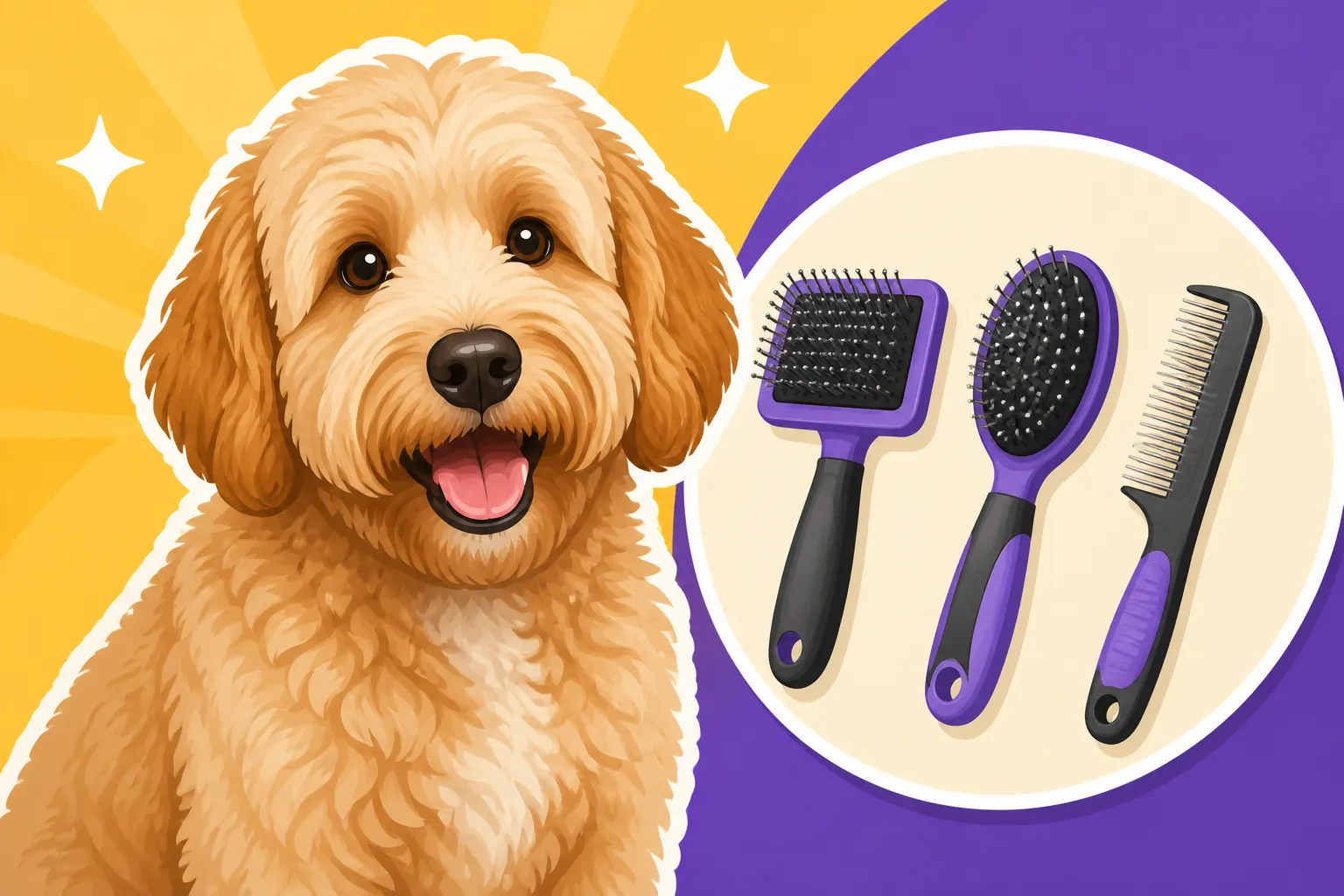
When it comes to Labradoodle grooming, a single brush simply won't cut it. You need a small arsenal of tools, each serving a specific purpose. The star of the show for line brushing is typically a good quality slicker brush. Look for one with fine, bent wire bristles that are firm but not sharp, and a comfortable handle. This brush is designed to get down to the skin and gently separate hairs, lifting out loose undercoat and detangling knots. For areas with longer, more delicate hair, or for a gentler initial pass, a pin brush with rounded pins can be useful.
However, no brushing session is complete without a sturdy metal comb. This is your mat detector. After you've brushed a section with the slicker, run the metal comb through it from skin to tip. If the comb glides smoothly, you've done your job. If it catches, you know there's a tangle you missed. Using a comb is the definitive way to ensure you've truly line brushed down to the skin. Many owners rely solely on a slicker brush, only to find that deep mats persist because the comb was never used to verify the work. For a deeper dive into choosing these, refer to The Slicker, Rake and Comb a Labradoodle Takes. Quality tools can often be found on platforms like Amazon or Chewy, offering a wide range of options to suit your specific Labradoodle's coat needs.
Detangling Sprays and Conditioners
Dry hair mats much more easily and brushing it without a lubricant can cause breakage and discomfort. This is where detangling sprays and conditioners become indispensable in your grooming routine. They help to soften the coat, reduce static, and allow the brush and comb to glide through more smoothly, making the entire process much more pleasant for your dog.
Before you start brushing, especially if your dog is prone to tangles or if it's been a few days since the last full groom, generously mist the section you're working on with a good detangling spray. Look for sprays that are formulated for dogs, ideally with conditioning ingredients. These products help to loosen knots, reduce friction, and prevent hair breakage. For more serious tangles or during the challenging "coat change" phase, a leave-in conditioner can be a real lifesaver, providing extra slip and hydration. A quick search on Chewy or Amazon will show a plethora of options, often with natural ingredients that are gentle on your dog's skin and coat. You'll be amazed at how much easier the brush glides and how much less pulling is involved when you utilize these products. Detangling Sprays for a Labradoodle can really make a difference.
Grooming Table and Restraints (Optional but helpful)
While not strictly essential for every home groomer, a dedicated grooming table can be a game-changer, especially for larger or more energetic Labradoodles. Trying to line brush a wiggly dog on the floor or a sofa can be a frustrating and inefficient experience for both of you. A grooming table raises your dog to a comfortable working height, saving your back and allowing you to see and access all parts of their coat more easily.
Most grooming tables come with a grooming arm and a loop or noose, which can be gently placed around your dog's neck or under their chest. This isn't for punishment or restraint in a harsh way, but rather a safety measure to keep your dog still and prevent them from jumping off the table and injuring themselves. It creates a defined, secure space for grooming, which many dogs learn to associate with quiet time. For dogs that are particularly squirmy, starting with short sessions and plenty of positive reinforcement while using the table is key. Just make sure the loop is snug but not tight, allowing your dog to stand comfortably but preventing sudden movements. While an initial investment, a good grooming table can drastically improve your at-home grooming experience, leading to more thorough and successful sessions.
The Step-by-Step Guide to Line Brushing
Now that you understand the "why" and have gathered your tools, let's get down to the "how." Line brushing isn't difficult, but it does require a systematic approach and a little patience. Rushing through it or skipping steps will only lead to missed spots and future mats. Think of it as painting a wall—you need to cover every inch, not just the visible areas.
Preparing Your Labradoodle and Workspace
Before you even pick up a brush, setting the stage for a positive grooming experience is vital. Choose a calm, quiet time when your Labradoodle isn't overly energetic or distracted. A comfortable, elevated surface, like a grooming table, is ideal, but a non-slip mat on a sturdy table can also work. Have all your tools—slicker brush, metal comb, detangling spray, and some small, high-value treats (perhaps from Ollie's range if your dog loves them!)—within easy reach.
Start by giving your Labradoodle a potty break and a short play session to burn off any excess energy. Then, bring them to your designated grooming spot. Speak in a calm, soothing voice. Give them a treat just for getting onto the table or settling in position. If they're new to grooming, start with very short sessions, gradually increasing the duration as they become more comfortable. This initial calm preparation is crucial; it teaches your dog that grooming time isn't scary and that good things happen when they cooperate. Remember, consistency in routine and positive association makes all the difference.
Mastering the Technique: Section by Section
The core principle of line brushing is to work on small sections of hair at a time, ensuring you reach all the way down to the skin. Imagine parting your dog's hair and working along that line, hence "line" brushing. Start with your dog lying down or standing comfortably, whichever is easiest for you both.
Here’s a common approach:
- Divide and Conquer: Begin by spraying a section of hair with your detangling spray. Use your non-brushing hand to part the hair horizontally, creating a line (like parting human hair). Hold the hair above this line gently but firmly, exposing the skin and the roots of the hair below it.
- Brush from the Skin Out: With your slicker brush, start brushing the hair below the line, working from the skin outwards, in small, gentle strokes. Angle the brush so the pins are slightly pointing towards the skin, but be careful not to scratch or irritate them. Brush downwards and outwards, lifting the hair away from the body.
- Move Up the Line: Once the hair in that small section feels smooth and knot-free, move your non-brushing hand up slightly, creating a new line of hair just above the section you just brushed. Repeat the process, brushing the newly exposed hair from the skin outwards.
- Comb to Confirm: After brushing a small area, take your metal comb and run it through the brushed section, from skin to tip. If the comb glides smoothly without catching, you've successfully detangled that section. If it snags, go back with your slicker brush and repeat the line brushing until the comb passes through easily.
- Systematic Coverage: Work your way methodically across your dog's body. A good starting point is usually a leg, then moving to the belly, chest, back, and finally, the ears and tail. Pay extra attention to those known matting zones: armpits, groin, behind the ears, and the tail. Don't forget the hair between their paw pads! This methodical, section-by-section approach ensures no spot is missed, preventing hidden mats.
This technique, while seemingly slow, is the most efficient way to ensure thorough grooming. It takes time, especially in the beginning, but it saves immense heartache and expense compared to letting mats form.
Dealing with Stubborn Tangles and Mats
Even with the best intentions, you might still encounter stubborn tangles or small mats. The key here is patience and never, ever pulling forcefully. Pulling will hurt your dog, make them fear grooming, and can break their coat.
- Isolate the Mat: Gently separate the matted area from the surrounding coat. You can use your fingers or the fine end of your comb.
- Apply Detangling Product: Saturate the mat thoroughly with a good detangling spray or a conditioning product. Let it sit for a minute or two to penetrate and soften the hair.
- Work from the Outside In: Instead of trying to pull the mat apart from the middle, start at the very edge of the mat, working with just a few strands of hair at a time. Use the tip of your slicker brush or the teeth of your metal comb (using just 1-2 teeth at a time) to gently tease the mat apart. Think of it as unzipping the mat, one tiny section at a time. Some groomers use a mat splitter tool, which has a small blade to carefully slice through the mat, but this should be used with extreme caution to avoid cutting the skin.
- Small Strokes, Big Patience: Use tiny, gentle strokes, working from the outer edge of the mat towards the center. As you loosen a few strands, brush them out. Repeat this process, gradually working your way deeper into the mat.
- When to Call a Professional: If a mat is very large, tight, or close to the skin, and you're struggling to remove it without causing pain, do not hesitate to contact a professional groomer. They have specialized tools and techniques to remove mats safely, often requiring a full shave-down underneath the mat. Attempting to remove severe mats yourself can cause significant pain, skin damage, or even trauma to your dog, leading to future grooming resistance. It’s always better to seek help than to cause unnecessary suffering.
Common Line Brushing Mistakes and How to Avoid Them
Even with the best advice, it's easy to fall into common traps when grooming a Labradoodle. Many of these mistakes stem from a lack of understanding of their unique coat or simply trying to save time. However, a little extra effort now can prevent a lot of headaches and heartache later.
Brushing Only the Top Coat
This is, by far, the most common and damaging mistake new Labradoodle owners make. It feels like you're brushing your dog, and the top layer of their coat looks smooth and tangle-free. But underneath, close to the skin, mats are forming, tightening, and growing. You might be brushing daily, yet your groomer tells you your dog is matted to the skin. How can that be?
The problem is that a slicker brush, when simply run over the surface, doesn't penetrate the dense undercoat or the length of the hair shaft. It just smooths the top. The hair underneath, particularly in a fleece or wool coat, continues to shed and tangle with the live hair, forming a solid felted mat against the skin. This mistake is precisely what line brushing aims to prevent. By parting the hair and brushing from the roots outwards, you ensure every single strand gets detangled. Always remember, if you can't get a metal comb through from skin to tip, you haven't brushed thoroughly enough. Don't be fooled by a pretty surface; the health of the coat lies beneath.
Rushing the Process and Causing Discomfort
We all lead busy lives, and sometimes grooming feels like just another item on a never-ending to-do list. It's tempting to rush through a brushing session to get it over with. However, speed is the enemy of effective Labradoodle grooming. Rushing almost guarantees you'll miss sections, pull on tangles, and cause discomfort or even pain for your dog.
When you rush, your dog learns to associate grooming with a negative experience. They might start to pull away, squirm, or even snap, making future sessions even harder. Instead, allocate dedicated time for grooming, and approach it with a calm, patient mindset. If your dog is getting fidgety, take a short break, offer a treat, and try again. It's better to do shorter, more frequent, positive grooming sessions than long, rushed, and unpleasant ones. If you consistently find yourself rushing, consider if your schedule allows for proper grooming, or if you need to adjust the frequency of professional grooming to help maintain their coat. Remember, a few extra minutes of careful brushing can save hours of painful mat removal later.
Ignoring the Coat Change
The "coat change," often referred to as the "blowing coat" phase, is a crucial developmental stage for Labradoodles, typically occurring between 8 and 12 months of age. This is when their soft puppy coat is gradually replaced by their denser adult coat. And let me tell you, if you thought regular brushing was important before, it's absolutely non-negotiable during this period! Many new owners are caught completely off guard by this, leading to severe matting in an otherwise well-cared-for puppy.
During the coat change, the puppy hair tends to get woven into the adult hair, creating a super-matting phenomenon that can felt solid seemingly overnight. If you've been brushing regularly and suddenly find new, deep mats appearing, chances are your Labradoodle is going through this transition. This phase requires daily, thorough line brushing. You might even need to increase the frequency of professional grooming during this time to help manage the transformation. Don't ignore it, thinking it will pass on its own. It won't; it will only get worse. Understanding What Happens to a Labradoodle's Coat at Nine Months and The Age a Labradoodle Blows Its Puppy Coat is crucial. Be prepared to dedicate extra time and effort to your Labradoodle's coat during these few months, and you'll emerge on the other side with a beautiful, healthy adult coat. It's a temporary challenge with long-term rewards.
Maintaining Your Labradoodle's Coat Between Brushing Sessions
Line brushing is the foundation, but what you do in between those full-grooming sessions is just as important. A healthy Labradoodle coat is the result of consistent, ongoing care, not just sporadic intensive efforts. It’s about integrating small grooming habits into your daily and weekly routine, much like we care for our own hair.
Regular Quick Checks and Touch-Ups
Think of these as your daily spot checks. They don't take long, but they can save you from a major matting crisis. Even if you do a full line brush once or twice a week, small tangles can still pop up, especially in those high-friction areas.
Every day, take a few minutes to quickly run a comb through your Labradoodle's armpits, behind their ears, around their collar area, and their groin. These are the areas where small tangles are most likely to start. If you find a tiny knot, it's far easier to gently tease it out immediately with your fingers or a few teeth of your comb, perhaps with a spritz of detangler, than to let it grow into a formidable mat. This habit is especially important if your dog has been playing vigorously, swimming, or if you live in an environment where debris can easily get caught in their coat. These quick touch-ups can significantly reduce the amount of time you need to spend on full line brushing sessions.
The Importance of Professional Grooming
While at-home line brushing is absolutely vital, it doesn't always replace the expertise of a professional groomer. Think of it as a partnership: you maintain the coat between visits, and the groomer handles the more complex tasks like proper trimming, ear cleaning, nail clipping, and addressing any emerging coat issues you might have missed.
A good groomer not only provides a fresh cut, like a lovely The Teddy Bear Clip on a Labradoodle, but also has specialized tools and techniques to ensure the coat is thoroughly detangled and healthy. They can spot potential skin problems, advise on coat maintenance, and help you navigate challenging phases like the coat change. Even if you’re committed to home grooming, scheduling regular professional grooms, perhaps every 6-8 weeks, is a wise investment in your Labradoodle’s health and comfort. If your dog gets heavily matted despite your best efforts, a professional groomer is equipped to safely remove Mats Behind a Labradoodle's Ears or other difficult areas, sometimes needing to shave parts of the coat to avoid pain for your pup. Communication with your groomer is key; be honest about your home grooming routine so they can provide the best care and advice.
Diet and Coat Health
You know the saying, "you are what you eat"? Well, the same holds true for your Labradoodle's coat. A healthy, shiny, and strong coat isn't just a result of external care; it's also a reflection of their internal health, significantly influenced by their diet. Providing a high-quality, balanced diet rich in essential nutrients is foundational to maintaining coat integrity and reducing potential matting issues.
Look for dog foods that list real meat as the first ingredient and contain healthy fats, particularly omega-3 and omega-6 fatty acids. These fatty acids are crucial for skin health and a lustrous coat. Many dog food brands, including those found on Chewy, or fresh dog food services like Ollie, focus on providing these essential nutrients. A dog with nutritional deficiencies might exhibit a dull, dry, brittle coat that is more prone to breakage and matting. Some owners also supplement their Labradoodle's diet with fish oil, which is a great source of omega-3s, after consulting with their veterinarian. Adequate hydration is also essential; ensure your dog always has access to fresh, clean water. By nourishing your Labradoodle from the inside out, you're giving their coat the best possible chance to be healthy, vibrant, and more resistant to tangles.
Labradoodle Coat Care Summary
| Coat Type | Characteristics | Matting Tendency | Brushing Frequency (Full Line Brush) | Key Tools | Notes |
|---|---|---|---|---|---|
| Hair | Straighter, coarser, sheds more. Similar to Labrador. | Moderate | 2-3 times/week | Slicker brush, Metal comb | Still needs thorough brushing to prevent tangles. |
| Fleece | Soft, wavy to spiraled, low-shedding. "Cashmere" feel. | High | 3-4 times/week (daily during coat change) | Slicker brush, Metal comb, Detangling spray | Most common coat, very prone to matting if neglected. |
| Wool | Dense, curly, non-shedding. Similar to Poodle. | Very High | Daily (especially during coat change) | Firm slicker brush, Fine-tooth comb, Detangling spray | Matts fastest, requires the most diligent care. |
Final Thoughts on Your Labradoodle's Coat
Taking care of a Labradoodle's coat is undeniably a commitment, but it's one that pays off immensely in your dog's comfort, health, and overall happiness. Learning and consistently applying the line brushing technique will transform what might seem like a daunting chore into a manageable and even enjoyable routine. Remember, a matted coat is not just an aesthetic issue; it's a painful condition that can lead to serious skin problems.
By understanding your Labradoodle's specific coat type, having the right tools, approaching grooming systematically, and making it a positive experience, you're setting both you and your furry friend up for success. Don't be afraid to ask for help from a professional groomer when needed – they are an invaluable resource in your grooming journey. With a little patience, consistency, and love, you'll ensure your Labradoodle always looks and feels their best, ready for all the cuddles and adventures you share.
Disclaimer
This article is for general informational purposes only and does not constitute professional advice. Laws, prices and regulations vary by location and change over time. Consult a qualified professional for guidance on your specific situation.