Whether a Wool Coat Weighs a Labradoodle Down in Water
Many Labradoodle owners find themselves enchanted by their dog's luxurious, often curly wool coat – it’s a defining feature! But a common question arises as the weather warms or the thought of a trip to the lake comes to mind: does this gorgeous, dense wool coat actually become a hindrance in the water, potentially weighing your beloved Labradoodle down? It’s a completely valid concern, and one that deserves a thorough exploration, as ensuring our furry friends are safe and comfortable during aquatic activities is paramount. This guide will uncoil the mystery of the wool coat and water, offering insights and practical advice to help your Labradoodle enjoy every splash.
The Unique Characteristics of a Labradoodle's Wool Coat
A Labradoodle's coat is often one of its most celebrated features, particularly the coveted wool type. This isn't just a matter of aesthetics; the coat's structure and density play a significant role in how your dog experiences the world, including their interactions with water. Understanding these unique characteristics is the first step in appreciating why concerns about buoyancy and comfort might arise.
What Defines a Wool Coat in Labradoodles
When we talk about a "wool coat" on a Labradoodle, we're referring to a very specific texture and density that sets it apart from its fleece or hair-coated cousins. Imagine the soft, dense feel of a lamb's wool, but with a more pronounced curl. This coat type is characterized by tightly spiraled, thick curls that are packed closely together, giving it a substantial feel. Unlike the straighter, sparser hair coat that might shed like a Labrador, the wool coat is typically very low-shedding or even non-shedding, which is a major draw for many families, especially those with allergy sensitivities. It's truly a marvel of natural engineering, providing insulation and a plush appearance.
However, this density and curl aren't without their considerations, especially when water is involved. While wonderful for snuggles and often praised for its hypoallergenic qualities, the wool coat's structure means it has a much higher capacity for absorbing and holding moisture than the looser fleece or hair coats. This absorbency transforms its light, airy feel into something much heavier once saturated. To truly grasp the differences, it helps to consider The Three Labradoodle Coats: Hair, Fleece and Wool, as each has its own unique care requirements.
How the Wool Coat Interacts with Water
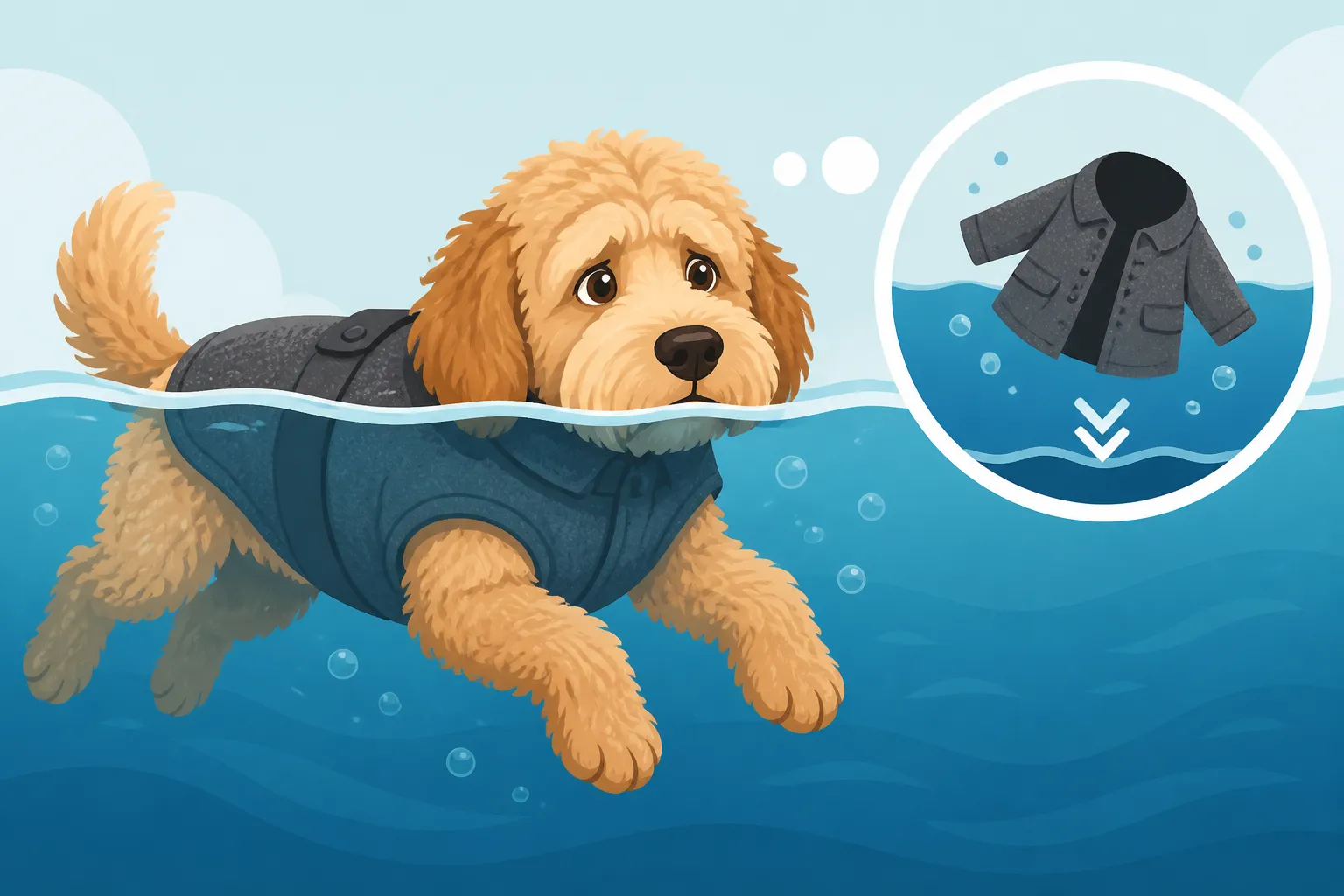
The moment a wool-coated Labradoodle plunges into water, a fascinating transformation begins. Those tight, dense curls, so lovely and light on land, become remarkably efficient at soaking up water. Think of a sponge, but on a much larger scale; the coat drinks in the water, becoming completely saturated from the outermost layer right down to the skin. This isn't just superficial wetness; the weight of all that absorbed water adds a tangible heft to your dog. Owners often describe their wool-coated Labradoodles feeling significantly heavier when they emerge from a swim, and this isn't just an illusion or an exaggeration.
Furthermore, the natural curl of the wool coat, combined with water, creates a perfect storm for matting. As the individual hairs become wet, they tend to coil more tightly and intertwine, especially if there are any pre-existing tangles or if the dog has recently gone through their coat change. Mats can form surprisingly quickly, tightening into dense clumps that are not only uncomfortable but also difficult to remove once dry. This matting potential is a significant factor in post-swim care and highlights why proper grooming is an ongoing commitment for these beautiful dogs.
The sheer volume of water held by the coat can also create a feeling of impedance for the dog. While they are powerful swimmers, the thick, heavy layer around their body can feel restrictive, requiring more effort to move through the water. It can cling to their limbs, making each stroke feel a little more laborious. This physical drag, combined with the added weight, means that a wool-coated Labradoodle might expend more energy during a swim than a dog with a lighter, less absorbent coat.
Understanding Canine Buoyancy and Swimming Mechanics
While the wool coat undeniably becomes heavy in water, it's crucial to balance this understanding with the inherent aquatic abilities of dogs, especially those with a Labrador and Poodle lineage. Dogs possess natural attributes that generally make them quite buoyant, but these can be influenced by breed, individual fitness, and, yes, the characteristics of their coat.
Natural Buoyancy in Dogs
Most dogs possess a natural buoyancy that helps them stay afloat in water. This is largely thanks to their lung capacity, which acts like a built-in flotation device, and the distribution of their body fat. When their lungs are full of air, they can easily keep their heads above the surface, allowing them to breathe comfortably while paddling. This natural lift is why many dogs can swim instinctively from a young age, often without any formal lessons.
However, it's not a one-size-fits-all scenario. Some breeds, like the Labrador Retriever (a key component of the Labradoodle), are practically born for the water, boasting webbed feet, rudder-like tails, and sleek, water-repellent coats that shed water efficiently. These traits make them incredibly agile and efficient swimmers. On the other hand, breeds with dense bone structure, short legs, or brachycephalic (flat) faces, such as Bulldogs, often struggle significantly and may not be naturally buoyant enough to swim safely without assistance. The Poodle side of the Labradoodle also contributes excellent swimming genes, as Poodles were originally bred as water retrievers. So, your Labradoodle has a strong genetic predisposition for swimming from both sides of its ancestry, which helps counteract some of the coat's challenges.
How a Waterlogged Coat Affects Movement and Effort
Even with a strong genetic predisposition for swimming, a heavy, waterlogged wool coat introduces several challenges that can impact a Labradoodle's efficiency and endurance in the water. The primary concern is the increased drag. Picture yourself trying to swim in heavy, wet clothing; the fabric clings to you, creating resistance and making every movement feel like an uphill battle. A saturated wool coat creates a similar effect for your dog, forcing them to work harder to propel themselves through the water.
This added weight, while usually not enough to completely sink a naturally buoyant dog, does require more effort to counteract. It can alter their natural swimming posture, making them slightly less streamlined and requiring more vigorous paddling to maintain their position or move forward. Their legs might feel restricted by the clinging wet fur, preventing the free, powerful strokes they would otherwise execute. This constant struggle against the coat's drag and weight can lead to quicker fatigue, which is perhaps the most significant safety concern. A tired dog, especially in unfamiliar or moving water, is a vulnerable dog.
Over time, if a Labradoodle with a heavy, wet coat is swimming extensively, this increased exertion can lead to muscle strain or even exhaustion. It's not about the coat literally 'weighing them down to the bottom,' but rather making the act of swimming far more taxing than it needs to be. This is why vigilance and preparation are so crucial for wool-coated Labradoodles who love to swim.
Practical Considerations for Wool-Coated Swimmers
Ensuring your wool-coated Labradoodle enjoys their time in the water without unnecessary struggle or discomfort involves a proactive approach. It's all about understanding their unique needs and preparing both before and after their aquatic adventures. Thoughtful grooming and the right gear can make all the difference.
Pre-Swim Preparation for Your Labradoodle
The key to a comfortable and safe swim for a wool-coated Labradoodle often begins long before they even see the water. Grooming is absolutely paramount. A matted or excessively long coat will only exacerbate the problems of water absorption and drag. Before swim season starts, or ideally year-round, ensure your Labradoodle's coat is kept relatively short and completely free of tangles. Many owners opt for a "summer cut" or a shorter kennel clip if their dog is going to be a frequent swimmer. This significantly reduces the amount of hair available to soak up water and become heavy. Regular professional grooming, typically every The Six to Eight Week Clock on a Labradoodle's Coat, is a must, but daily brushing at home is also vital. Consider How Long Brushing a Labradoodle Takes Each Week can reduce matting, especially behind the ears, which is a common problem area, as seen in Mats Behind a Labradoodle's Ears.
Before your Labradoodle even gets wet, a thorough brush-out can do wonders. This removes any loose or shedding hair that might otherwise tangle more severely once wet, creating tighter mats. Think of it as priming their coat for water immersion. If you’re planning extensive swimming, especially in warmer climates, discussing a shorter clip with your groomer, perhaps a length of half an inch to an inch, might be beneficial. This can also help regulate their body temperature, as discussed in Whether a Labradoodle Should Be Clipped in Summer.
For added safety and peace of mind, especially if your Labradoodle isn't a strong swimmer, or if you're venturing into open water or areas with currents, a well-fitting dog life vest is an excellent investment. These vests are designed to provide extra buoyancy, support their natural swimming position, and often feature a handle on the back, which is incredibly useful for lifting your dog in and out of the water or assisting them if they become tired. You can find a wide variety of options available on popular online retailers like Amazon, ensuring you get one that fits snugly and won't impede their movement.
Post-Swim Care to Prevent Issues
The adventure doesn't end when your Labradoodle shakes off the excess water; in fact, the post-swim routine is just as critical as the pre-swim preparation, particularly for a wool coat. The first and most crucial step is to thoroughly rinse your dog. Whether they've been in a chlorinated pool, salty ocean water, or a murky lake, residual chemicals, salt, or debris can irritate their skin and contribute to matting. A good rinse under cool, fresh water helps to flush all of this out, as detailed in Rinsing a Labradoodle After the Lake. Pay close attention to their paws, belly, and any areas where debris might get trapped in the dense curls.
Once rinsed, the real work of drying begins. A wool coat must be dried completely, right down to the skin, to prevent skin infections, hot spots, and, most importantly, severe matting. Air drying a wool-coated Labradoodle is an open invitation for mats to form and tighten, often irrevocably. Invest in a high-velocity dog dryer if you plan on frequent swimming; these are incredibly effective at blasting water out of the coat quickly and efficiently. As you dry, systematically line brush their coat. This involves brushing small sections of hair at a time, making sure to reach all the way to the skin. This ensures every part of the coat is drying properly and prevents tangles from setting in as the hair dries. For a comprehensive guide on this process, consider Drying a Labradoodle to the Skin After a Bath.
Don't forget the ears! Labradoodles are prone to ear infections due to their drop ears and the hair that grows within the ear canal. Water trapped in the ears creates a warm, moist environment perfect for yeast and bacteria to thrive. After every swim, thoroughly clean and dry their ears using a veterinarian-approved ear cleaner and cotton balls. This simple step, expanded upon in Cleaning a Labradoodle's Ears After Swimming, can save you a lot of trouble down the line. If your Labradoodle struggles with skin issues or recurring ear problems, your vet might even recommend Whether a Labradoodle Needs Medicated Baths as part of a routine.
Maximizing Your Labradoodle's Safety and Enjoyment in Water
Beyond coat management, cultivating a positive and safe relationship with water for your Labradoodle involves careful introduction, constant supervision, and knowing when extra help is needed. A happy swimmer is a safe swimmer, and ensuring their comfort and ability is key to years of joyful aquatic play.
Introducing Your Labradoodle to Water Safely
Not all Labradoodles are natural-born water dogs, even with their Poodle and Labrador heritage. A safe and positive introduction is crucial to building their confidence and ensuring they associate water with fun, not fear. Start in shallow, calm water, like a kiddie pool in your backyard or the edge of a still lake. Never, ever force your dog into the water. This can create a lifelong aversion and undo any potential for enjoyment. Instead, make it an inviting experience. Wade in yourself, splash gently, and use plenty of positive reinforcement, treats, and praise.
A favorite floating toy can be a great motivator. Toss it a short distance into the shallow water, encouraging them to retrieve it. Keep initial sessions short and sweet, ending on a high note before they become tired or anxious. Think of it like any other training exercise; patience and consistency are key. Programs like BAXTER & Bella offer excellent guidance on positive reinforcement and building a strong, trusting relationship with your dog, which is invaluable when introducing them to new experiences like swimming. For more insights on how to make this a seamless process, check out Introducing a Labradoodle to a Lake Safely. Remember, even if they take to it quickly, always supervise them closely.
Recognizing Signs of Fatigue or Distress
Vigilance is your best tool when your wool-coated Labradoodle is in the water. Even the strongest swimmers can tire, and a heavy coat only hastens this process. Be acutely aware of your dog's body language and energy levels. Signs of fatigue include heavy panting, slower or less coordinated paddling, struggling to keep their head above water, or a general lack of enthusiasm. They might start trying to climb on you or on nearby objects for a break. If you notice any of these signs, it's time to bring them out of the water for a rest.
Distress can manifest as frantic paddling, wide eyes, whining, or trying desperately to reach the shore. If your dog appears panicked, calmly and gently guide them to safety, using the handle on their life vest if they have one. Never let them swim unsupervised, especially in pools where they might struggle to find or exit steps, or in natural bodies of water with currents or hidden hazards. Knowing when to call it a day, even if they seem to be having a blast, is a crucial aspect of responsible pet ownership. A tired dog can quickly become a dog in danger.
When a Life Vest Becomes Essential
While many Labradoodles are capable swimmers, there are definite scenarios where a dog life vest moves from a helpful accessory to an absolute essential. For puppies, who are still developing their strength and coordination, and for older Labradoodles whose stamina might be declining, a life vest provides invaluable support and confidence. It's also highly recommended for dogs who are simply less confident in the water, giving them the extra buoyancy they need to feel secure and enjoy themselves.
Beyond individual dog needs, the environment itself can necessitate a life vest. If you're planning to take your Labradoodle boating, kayaking, or paddleboarding, a vest is non-negotiable, offering critical flotation if they accidentally fall overboard. Similarly, when swimming in open water like lakes with strong currents, rivers, or the ocean, the added safety margin a vest provides can be lifesaving. Look for vests with bright, visible colors and a sturdy grab handle on the back. This handle is incredibly useful for helping them back into a boat, guiding them through difficult spots, or retrieving them quickly in an emergency. With a quality life vest, readily available from online retailers like Amazon, you can relax a little more, knowing your wool-coated companion is well-supported in their aquatic adventures.
| Coat Type | Water Absorption | Drying Time | Matting Risk (wet) | Shedding Level | Swimming Effort (Relative) |
|---|---|---|---|---|---|
| Hair Coat | Low | Fast | Low | Moderate-High | Low |
| Fleece Coat | Medium | Medium | Medium | Low-Moderate | Low-Medium |
| Wool Coat | High | Slow | High | Very Low-None | Medium-High |
Disclaimer
This article is for general informational purposes only and does not constitute professional advice. Laws, prices and regulations vary by location and change over time. Consult a qualified professional for guidance on your specific situation.