Why Labradoodles Are Surrendered Before Three
It's heartbreaking to hear about dogs being rehomed, especially when they're still so young. For Labradoodles, it's a sad reality that many find themselves in shelters or rescue organizations before their third birthday, often through no fault of their own. This guide dives deep into the common reasons why these wonderful dogs end up needing a new home, helping prospective owners understand the true commitment involved.
Unrealistic Expectations and the Reality of a Labradoodle
When people fall in love with the idea of a Labradoodle, they often have a picture in their mind that doesn't quite match the reality of living with one. It's easy to get swept up in the adorable puppy photos and the breed's reputation without fully grasping the nuances of their needs. This gap between expectation and reality is a significant factor in why some owners feel overwhelmed and ultimately choose to surrender their young dogs.
The "Hypoallergenic" Myth and Allergy Disappointment
One of the biggest draws of the Labradoodle is the promise of a "hypoallergenic" coat. Many families, especially those with allergy sufferers, eagerly seek out these dogs hoping to finally welcome a furry friend into their home without constant sneezing or itchy eyes. Breeders often market them this way, and while it's true that many Labradoodles shed less than a Labrador, "hypoallergenic" isn't a guarantee. The reality is far more complex than a simple yes or no.
Some Labradoodles, particularly those with a "hair" coat or even some "fleece" coats, can still shed significantly, and it's not just the hair that causes allergies. Dander, saliva, and urine all contribute to allergens. When a family discovers their new puppy still triggers allergies, it can be devastating. This unexpected allergic reaction, often manifesting months into ownership, becomes a painful reason for surrender, as the health of a family member must come first. Owners often realize too late that Whether Dander or Hair Sets Off Allergies Around a Labradoodle is a critical question to answer before committing.
The "Easy First Dog" Illusion
Another common misconception is that Labradoodles are inherently "easy" dogs, perfect for first-time owners. While they are intelligent and generally eager to please, a trait they often inherit from both the Poodle and Labrador side, this doesn't equate to automatic good behavior. They are active, smart dogs that require consistent training and mental stimulation. The idea that they will simply fall into line without effort is a setup for frustration.
Many new owners underestimate the time and consistency required to raise a well-behaved dog. They might attend a puppy class or two, but then training falls by the wayside as life gets busy. This can lead to a young Labradoodle that jumps on guests, pulls on the leash, or has poor manners, making them a handful in daily life. What Nobody Tells a First Time Labradoodle Buyer often includes the sheer amount of dedicated effort these dogs demand, even with their charming personalities.
Energy Levels That Surprise New Owners
Labradors and Poodles are both active, intelligent breeds, and their offspring, the Labradoodle, reflects this energy. People often envision a calm, cuddly companion curled up on the couch, but a young Labradoodle, especially under three years old, is typically a bundle of energy. They need significant daily exercise and mental engagement to prevent boredom and destructive behaviors. This isn't just a quick walk around the block; it's often an hour or two of vigorous activity, like fetch, running, or swimming, combined with training sessions.
Owners living in smaller homes or with busy schedules might find themselves completely unprepared for the sheer volume of exercise a Labradoodle demands. A bored Labradoodle is often a destructive Labradoodle – chewing furniture, digging in the yard, or barking excessively. The mismatch between the owner's lifestyle and the dog's intrinsic need for activity can quickly lead to feelings of being overwhelmed, prompting the difficult decision to rehome. This is particularly true for those who thought Whether a Labradoodle Is Really an Easy First Dog meant less daily commitment.
The Demands of Grooming a Labradoodle
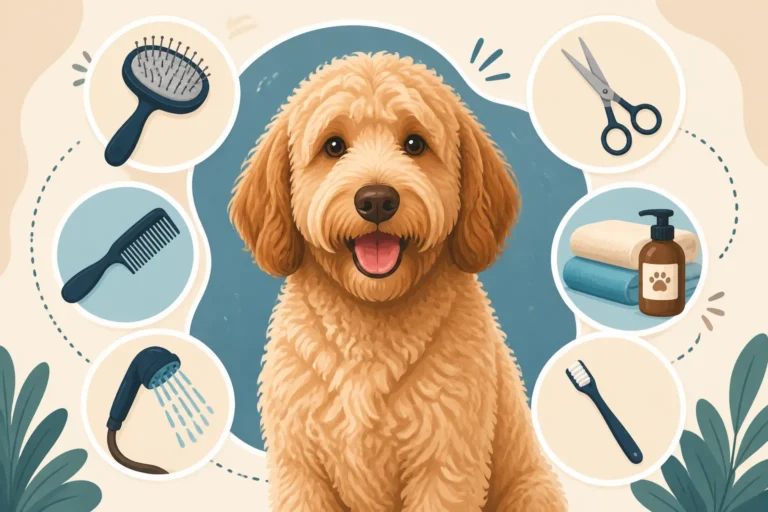
Labradoodles are renowned for their distinctive, often low-shedding coats, which are a major appeal. However, these coats come with a significant care commitment that many new owners drastically underestimate. The allure of a dog that doesn't constantly shed often blinds people to the intensive grooming schedule required to keep their Labradoodle healthy and comfortable. Without proper grooming, a Labradoodle's coat can quickly become a tangled, matted nightmare, causing pain and distress for the dog and frustration for the owner.
The Coat Change Nightmare
One of the most challenging periods for Labradoodle owners occurs between 8 to 18 months of age when the puppy coat "blows" and transitions to the adult coat. This period is notorious for intense matting. The softer puppy fur gets tangled with the coarser adult fur coming in, creating dense knots that can form overnight. Many owners are simply unprepared for the daily, often hours-long, brushing sessions required to navigate this phase.
Without consistent and thorough grooming during this coat change, a Labradoodle can quickly become severely matted. These mats aren't just cosmetic; they pull on the skin, causing pain, restricting movement, and can lead to skin infections. It's a critical time that many owners fail to manage, leading to extreme frustration and, sadly, sometimes the decision to surrender. The Coat Change That Hits a Labradoodle at Nine Months is a prime example of an unseen challenge.
Matting and the Need for Professional Grooming
Beyond the coat change, the unique texture of a Labradoodle's fleece or wool coat requires regular, professional grooming throughout their lives. These coats, while charming, are prone to matting if not properly maintained. Mats often form in hard-to-reach areas like behind the ears, in the armpits, or around the tail, areas that owners might miss during superficial brushing. The frequency of grooming depends on the coat type and length, but generally, a professional groomer is needed every 6-8 weeks.
When a Labradoodle arrives at the groomer severely matted, the only humane option is often a full shave-down, known as a "kennel clip." This can be a shock to owners who envision their dog with a fluffy, teddy bear look. The constant need for professional intervention, combined with the guilt and embarrassment of having a matted dog, can contribute to owner burnout. For those with a beautiful The Wool Coat Labradoodle and Its Upkeep, the demands are even higher.
Time and Effort for Home Grooming
Even with professional grooming, daily or at least several-times-a-week home grooming is essential to prevent mats between appointments. This isn't a quick five-minute brush; it involves "line brushing" down to the skin, using specific tools like a slicker brush and a metal comb, to ensure no tangles are left behind. This process can easily take 30-60 minutes per session, especially for a standard-sized Labradoodle with a dense coat.
Many owners, unaware of this commitment, find themselves unable or unwilling to dedicate the necessary time. They might brush the top layer of the coat, giving the illusion of a well-groomed dog, while mats silently form closer to the skin. The ongoing battle with knots and the realization that their dog needs constant attention can be a heavy burden. It’s a recurring theme that Whether Grooming Costs Are Why Labradoodles Are Given Up is intertwined with the time commitment.
Unexpected Costs Beyond the Purchase Price
The initial price tag for a Labradoodle puppy can be substantial, often running into the thousands. However, many prospective owners fail to budget for the ongoing expenses that come with owning a dog, especially a medium-to-large breed with specific grooming and potential health needs. These accumulating costs can quickly become overwhelming, particularly for younger families or those on a fixed income, leading to financial strain and, in some cases, the difficult decision to surrender.
High Grooming Bills
As discussed, Labradoodles require regular professional grooming, and these services are not cheap. The cost of a full groom can vary widely based on location, the groomer's experience, and the size and condition of the dog's coat. For a wool-coated Labradoodle, these bills can be quite high, especially if the dog needs de-matting. Assuming grooming every 6-8 weeks, these costs add up significantly over a year. Many owners are shocked to discover What a Full Groom Costs on a Wool Coated Labradoodle.
It's a recurring expense that many owners simply don't factor into their initial budget. If the dog's coat becomes severely matted, emergency grooming might be needed, often incurring even higher fees. The choice between paying for expensive professional grooming or trying to manage a painful, matted coat at home can be a huge source of stress. For some, the financial burden of keeping up with a Labradoodle's coat maintenance simply becomes too much to bear.
Vet Expenses for Common Labradoodle Ailments
While Labradoodles are generally healthy dogs, they are still susceptible to certain genetic and breed-specific health issues inherited from their Labrador and Poodle lineage. Conditions like hip and elbow dysplasia, progressive retinal atrophy (PRA), Addison's disease, and bloat can require expensive diagnostics, long-term medication, or even emergency surgery. When a young Labradoodle, under three, develops one of these conditions, the veterinary bills can quickly skyrocket into the thousands.
Many owners assume that a healthy puppy will remain healthy, overlooking the importance of pet insurance or a dedicated savings fund for veterinary emergencies. A sudden diagnosis of Addison's Disease a Labradoodle Inherits From the Poodle or an unexpected episode of Bloat Risk in a Standard Poodle Bred Labradoodle can create an immense financial burden. Without the means to cover these costs, owners might feel they have no option but to surrender their beloved pet to a rescue organization or, in dire circumstances, to a shelter, hoping someone else can provide the necessary medical care. This is where companies like Healthy Paws can offer a lifeline, but owners often only consider insurance after a problem arises.
Food and Supplies for a Growing Dog
While perhaps not as dramatic as emergency vet bills or grooming costs, the ongoing expense of feeding a medium to large-sized dog and providing all its necessary supplies can also be a quiet drain on finances. Quality dog food, especially those tailored to large breed growth or specific dietary needs, can be expensive. A growing Labradoodle eats a fair amount, and these costs accumulate quickly over weeks and months. Consider the options available on platforms like Chewy, but even then, quality comes at a price.
Beyond food, there are costs for treats, toys (which active and intelligent Labradoodles often go through quickly), leashes, collars, beds, crates, and regular flea, tick, and heartworm prevention. If an owner opts for premium options, like fresh dog food from services such as Ollie, the monthly budget can increase substantially. Over time, these seemingly small, routine expenses add up, and if owners haven't budgeted realistically, they can contribute to the overall feeling of financial strain and eventually lead to rehoming.
Training Challenges and Behavioral Issues
Labradoodles are intelligent and generally eager to please, making them highly trainable. However, this intelligence also means they thrive on consistency and mental stimulation. Without proper training and socialization from a young age, these clever dogs can develop behavioral issues that become challenging for even experienced owners, let alone first-timers. Many surrenders before the age of three are directly linked to owners struggling with a dog whose behavior has spiraled out of control.
The Persistent Puppy Stage
While puppies are undeniably adorable, the "puppy stage" in a Labradoodle can feel prolonged, often extending well into their second year. During this time, they are full of energy, curious, and prone to mouthing, jumping, and testing boundaries. Many owners expect their Labradoodle to magically "grow out" of these behaviors without consistent intervention. When a 10-month-old Labradoodle is still acting like a rambunctious puppy, destroying toys, counter-surfing, or nipping, the patience of an owner can wear thin.
This extended adolescence is a critical period for training and socialization. Owners who fail to engage their dog in mental exercises or continue basic obedience beyond puppyhood may find themselves with a dog that seems to ignore commands it once knew. This can be particularly frustrating when you feel like The Ten Month Old Labradoodle That Forgets Everything you taught them. The constant management required for an adolescent Labradoodle can be exhausting, leading some owners to throw in the towel.
Separation Anxiety in Velcro Dogs
Labradoodles are often described as "Velcro dogs" due to their strong desire to be with their people. This affectionate trait is usually endearing, but without proper conditioning and training for alone time, it can quickly manifest as separation anxiety. When left alone, a Labradoodle with separation anxiety might bark incessantly, chew destructively, have accidents in the house, or even injure themselves trying to escape. This behavior is incredibly stressful for both the dog and the owner.
The reality of living with a dog that cannot be left alone, even for short periods, can severely impact an owner's lifestyle. Trips to the grocery store become a race against time, social outings are restricted, and returning home to a destroyed house or angry neighbors is a regular occurrence. Many owners find themselves at their wit's end, feeling trapped and unable to provide the constant companionship their Labradoodle craves. It highlights the challenges of owning The Velcro Labradoodle That Cannot Be Left.
Lack of Consistent Training
Training isn't a one-time event; it's an ongoing commitment throughout a dog's life, especially during its formative first few years. Labradoodles, with their intelligence, pick up bad habits just as quickly as good ones. If owners lack the time, knowledge, or consistency to provide proper training, behavioral issues can escalate. Simple problems like pulling on the leash or jumping on visitors can become ingrained habits if not addressed early and consistently.
Some owners may rely solely on a few puppy classes, believing that's enough, or they might seek advice from various sources without implementing a consistent approach. This inconsistency can confuse the dog and undermine any progress made. When a Labradoodle becomes too difficult to manage in public or at home, owners often feel overwhelmed and ill-equipped to handle the situation, ultimately deciding that the dog is "too much" for them. Understanding Whether a Labradoodle Needs a Trainer or a Class from the outset is crucial for long-term success.
| Common Reasons for Labradoodle Surrender (Before Age 3) | Primary Challenge | Impact on Owner |
|---|---|---|
| Unrealistic Expectations (e.g., "hypoallergenic") | Allergy triggers | Health issues, emotional disappointment |
| High Energy Levels | Boredom, destructive behavior | Stress, damaged property |
| Intensive Grooming Needs (especially coat change) | Matting, pain for dog | High costs, time commitment, guilt |
| Unexpected Veterinary Costs | Illness, accidents | Financial strain, emotional distress |
| Separation Anxiety | Destructive behavior, noise | Restricted lifestyle, frustration |
| Lack of Consistent Training | Behavioral issues (jumping, pulling) | Overwhelm, embarrassment |
Disclaimer
This article is for general informational purposes only and does not constitute professional advice. Laws, prices and regulations vary by location and change over time. Consult a qualified professional for guidance on your specific situation.