What the EIC DNA Test Costs
The thought of a sudden collapse during a joyous romp can be incredibly unsettling for any Labradoodle owner. Exercise Induced Collapse (EIC) is a genetic condition that, if present, can turn those dreams of endless fetch into moments of fear and anxiety. Understanding what EIC is, how it's diagnosed, and crucially, what the DNA test costs, is vital for peace of mind and proactive care for your beloved companion. This guide will walk you through everything you need to know about EIC testing and its financial aspects.
Understanding Exercise Induced Collapse (EIC) in Labradoodles and Why Testing Matters
Bringing a Labradoodle into your life is an exciting journey, and these dogs are renowned for their playful, energetic nature. However, like many breeds, they can be predisposed to certain genetic conditions. Exercise Induced Collapse (EIC) is one such condition that can manifest in an otherwise healthy and exuberant dog, and it's a topic that every Labradoodle owner should be aware of. It's not just a medical term; it’s a reality that can profoundly impact your dog’s quality of life and your daily routine.
What is Exercise Induced Collapse (EIC) in Labradoodles?
EIC is a genetic neuromuscular disorder that primarily affects certain breeds, most notably Labrador Retrievers and, by extension, Labradoodles due to their Labrador ancestry. It’s not something that happens because your dog is out of shape or simply tired; it’s a specific, inherited neurological glitch that causes a temporary loss of muscle control.
Imagine your active, vibrant Labradoodle, happily chasing a ball at the park or sprinting through a field. One moment they’re full of boundless energy, and the next, you might notice their hind legs start to wobble or drag. They might stumble, become uncoordinated, or even collapse completely. This is what an EIC episode looks like. It’s often triggered by periods of intense exercise, especially when combined with high excitement, hot weather, or even just the stress of a highly stimulating situation. The symptoms typically appear after 5-20 minutes of strenuous activity, such as retrieving repeatedly, high-speed chases, or intense swimming. What a Labradoodle Collapse Episode Looks Like
The collapse itself is usually brief, lasting anywhere from 5 to 30 minutes, and most affected dogs regain full control of their legs and appear normal afterwards. However, it can be a terrifying experience for owners, and in rare, severe cases, complications can arise if the dog continues to exert itself during an episode or if they overheat significantly. The age of onset usually falls between 5 months and 3 years, meaning many owners start noticing problems when their puppy is in its prime, just starting to really enjoy those long play sessions. The Age Exercise Induced Collapse First Shows in a Labradoodle This condition is caused by a specific mutation in the DNM1 gene, making genetic testing a reliable way to identify susceptible dogs. The DNM1 Mutation Behind Labradoodle Collapse
The Importance of DNA Testing for EIC
For both current and prospective Labradoodle owners, as well as responsible breeders, DNA testing for EIC is not just a suggestion—it’s a critical step. Knowing your dog’s EIC status can prevent heartbreak, ensure proper management, and safeguard the health of future generations.
For breeders, EIC testing is a cornerstone of ethical breeding practices. By testing all breeding stock, they can identify whether a dog is clear (N/N), a carrier (N/EIC), or affected (EIC/EIC). A reputable breeder will only breed a carrier to a clear dog to ensure no affected puppies are produced. They should never breed two carriers together, as this carries a significant risk of producing puppies that will be affected by EIC. Whether Two Carrier Parents Are a Problem in Labradoodles This kind of proactive testing helps reduce the prevalence of genetic diseases in the breed and provides confidence to buyers that their new puppy has the best possible start.
For individuals bringing home a new Labradoodle puppy, receiving documentation that both parents are EIC clear offers immense peace of mind. If you’re adopting an adult Labradoodle or if the genetic history is unknown, testing your own dog empowers you with crucial information. If your Labradoodle tests as a carrier, while they typically won't experience symptoms themselves, knowing this is important if you were ever considering breeding them (though most pet owners would not). For affected dogs, this knowledge is paramount. It allows you to tailor their exercise routines, avoid known triggers, and anticipate potential episodes, drastically improving their quality of life and preventing dangerous collapses. Exercising a Labradoodle That Carries EIC Understanding your dog's genetic predisposition means you can be their best advocate, ensuring their health and happiness through informed care. Whether an EIC Carrier Labradoodle Is Safe to Own
The Actual Cost of an EIC DNA Test for Your Labradoodle
Once you understand the significance of EIC testing, the next natural question is: what does it actually cost? It's easy to assume there's one standard price, but the actual expense can vary depending on several factors, from where you get the test done to whether you opt for a comprehensive health panel.
Breaking Down the Price
The price tag for an EIC DNA test isn't always a single, all-inclusive figure. Often, it comprises a couple of components that contribute to the final amount you’ll pay. Understanding these can help you budget and make informed decisions.
First, there's the laboratory analysis fee. This is the core cost charged by the genetic testing company to process your dog's sample and analyze its DNA for the DNM1 mutation. Different laboratories have varying price points, influenced by their reputation, the technology they use, and their turnaround times for results. Some labs are purely for breeders, while others cater more to the general pet owner.
Secondly, you might encounter a veterinary collection fee. Even if you purchase a home testing kit, you might choose to have your veterinarian collect the sample (typically a cheek swab or blood draw). This ensures the sample is collected correctly and often comes with a higher degree of authentication, which can be important for official breeding records or if there's any dispute. Not all home kits require vet involvement for collection, but if you prefer the professional touch or need official verification, it's a cost to factor in.
Several other factors can influence the overall cost:
- Single Test vs. Genetic Panel: While you can often find standalone EIC tests, many genetic testing companies offer comprehensive panels that screen for multiple genetic conditions common in Labradors and Poodles. These panels might include tests for EIC, Progressive Retinal Atrophy (PRA), Degenerative Myelopathy (DM), Von Willebrand's Disease (vWD), and more. An EIC-only test might seem cheaper upfront, but a panel often provides better value if you're concerned about several hereditary conditions. What the EIC and PRA Panel Costs on a Labradoodle
- Lab Reputation and Services: Highly reputable labs that provide extensive customer support, clear result interpretation, and quick processing times might have higher fees. You're often paying for their expertise and the reliability of their results.
- Geographic Location: If your vet is involved, their fees for sample collection can vary significantly based on your region and their practice's pricing structure.
It's easy to get caught up thinking there's one single price tag for an EIC test, but it's often more nuanced than that. You might find a great deal on a lab kit online, but then realize your vet charges a separate fee just to collect the sample to ensure it's done correctly and authenticated. Or perhaps you opt for a comprehensive panel that checks for EIC alongside other common Labradoodle issues like hip and elbow dysplasia, which can be a smart long-term investment even if the initial cost is higher.
Different Testing Options and Their Price Points
When you’re ready to get your Labradoodle tested for EIC, you generally have two main avenues to explore, each with its own benefits and cost implications.
1. Direct-to-Consumer Home Kits:
These kits have become increasingly popular for their convenience and affordability. Companies that offer these kits often allow you to purchase them directly from their websites or through online pet supply retailers. For example, you can often find various brands of reputable home DNA testing kits on platforms like Chewy.
- Process: You receive a kit in the mail, which usually contains a sterile cheek swab. You follow simple instructions to collect a saliva sample from inside your dog’s cheek, then mail it back to the lab.
- Cost: Generally, these kits are more affordable than vet-ordered tests, as they cut out the veterinary collection fee. The price often covers the kit itself, laboratory analysis, and sometimes even return shipping.
- Pros: High convenience, can be done in the comfort of your home, often more budget-friendly.
- Cons: While reliable, the results might not always be considered "official" enough for some breeder registries without veterinary verification of the sample collection. There's also the responsibility on the owner to ensure a good sample is collected.
2. Vet-Ordered Laboratory Tests:
This option involves your trusted veterinarian in the testing process from the start.
- Process: Your veterinarian will collect the sample, which could be a cheek swab but is often a blood draw, and then send it directly to a specialized veterinary diagnostic laboratory. This is a common practice for pre-breeding health screenings or if your vet is investigating EIC due to your dog showing symptoms.
- Cost: This route typically comes with a higher price tag. You’ll be paying for the lab analysis fee, plus your vet’s consultation time and their fee for collecting and submitting the sample.
- Pros: Professional sample collection ensures accuracy and proper handling. Results from vet-ordered tests are widely accepted for all official purposes, including breeding registrations and health databases. Your vet can also help interpret the results and discuss any necessary next steps.
- Cons: Less convenient as it requires a vet appointment, and the overall cost is usually higher.
Here’s a table summarizing the key differences to help you decide which option is best for you and your Labradoodle:
| Feature | Home DNA Test Kits (e.g., via Chewy) | Vet-Ordered Lab Tests |
|---|---|---|
| Sample Collection | Owner collects cheek swab | Veterinarian collects blood or cheek swab |
| Cost | Generally lower | Generally higher |
| Convenience | High (done at home) | Requires vet appointment |
| Official Use | May need vet verification for breeder registration | Usually accepted for all official purposes |
| Interpretation | Basic interpretation provided; vet consultation extra | Vet provides interpretation and guidance |
| Range of Tests | Can be single EIC or multi-panel | Often part of comprehensive panels |
Beyond the Test: Other Financial Considerations
While the cost of the EIC DNA test itself is a one-time expense, understanding the broader financial implications, especially if your Labradoodle is identified as a carrier or, more significantly, affected by EIC, is crucial for responsible pet ownership. The test is a gateway to knowledge, but that knowledge can sometimes lead to further considerations.
Potential Costs if a Labradoodle is an EIC Carrier or Affected
The financial impact of EIC varies greatly depending on your Labradoodle’s genetic status.
If your Labradoodle is a Carrier (N/EIC):
For most pet owners, a Labradoodle who is a carrier for EIC will not exhibit any symptoms of the condition throughout their life. They typically lead normal, active lives without any special medical or lifestyle interventions. Therefore, there are generally no ongoing medical costs directly related to being a carrier. The main financial consideration here arises only if you were to consider breeding your Labradoodle. In that scenario, you would need to ensure any mate is completely clear (N/N) to avoid producing affected puppies. This might entail additional health testing costs for potential mates or a narrower selection of breeding partners. For the average loving pet home, however, a carrier status typically means peace of mind that your dog won’t suffer from the disease.
If your Labradoodle is Affected (EIC/EIC):
This is where significant ongoing costs can potentially arise. An affected Labradoodle is highly likely to experience EIC episodes when triggered. While EIC is manageable, not curable, it does require a mindful approach to their daily life.
- Lifestyle Management: The biggest "cost" here isn't monetary but a commitment to managing your dog's activity levels. You might need to adjust your routine, opting for shorter, less intense play sessions or walks, especially during warmer weather. You may need to avoid highly stimulating environments that could over-excite your dog and trigger an episode. For instance, a long, high-intensity game of fetch might be out, replaced by several shorter, calmer walks. What Triggers a Labradoodle's Collapse Episode
- Veterinary Consultations: While EIC itself doesn’t always require frequent vet visits once diagnosed and managed, regular check-ups are still important. Your vet can help you fine-tune management strategies, rule out any other conditions if symptoms seem atypical, and monitor your dog's overall health. These routine visits, of course, come with their own costs.
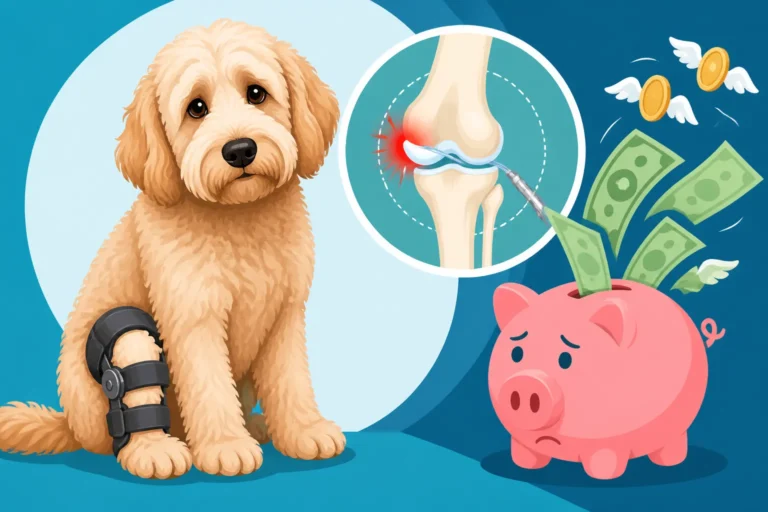
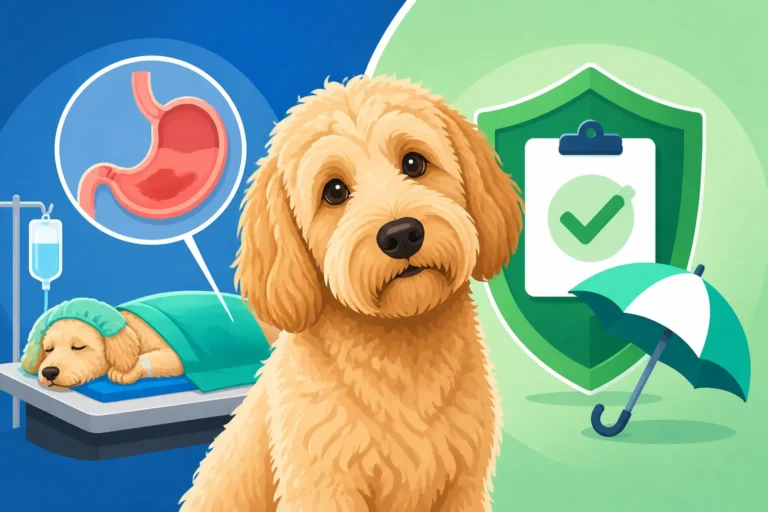
- Emergency Care: Despite careful management, an affected Labradoodle might still experience a collapse episode. If a collapse is severe, prolonged, or if you're concerned about other complications like overheating, an emergency vet visit might be necessary. These unexpected visits, especially after hours, can be quite expensive, ranging from several hundred to over a thousand dollars depending on the required intervention. It's one of The EIC, Addison's and Bloat Bills a Labradoodle Owner Meets that owners of genetically predisposed dogs need to be prepared for.
- Supportive Care: While there's no specific diet for EIC, maintaining overall excellent health is paramount. Ensuring your Labradoodle receives high-quality, balanced nutrition can support their general well-being, energy, and recovery. This might involve investing in premium dog food.
How Insurance Might Help with EIC-Related Expenses
Pet insurance can be an invaluable financial safety net, especially when dealing with genetic conditions like EIC. However, it's crucial to understand how it works in relation to pre-existing conditions.
- Coverage for Illnesses and Accidents: Most comprehensive pet insurance policies, including those from providers like Healthy Paws, are designed to cover unforeseen accidents and illnesses. This can include diagnostic tests, treatments, and emergency care for new conditions.
- The Pre-existing Condition Clause: This is the most critical aspect to remember regarding EIC. If your Labradoodle is diagnosed with EIC (or shows symptoms of it) before you enroll them in a pet insurance policy, it will almost certainly be classified as a pre-existing condition. Insurance companies do not typically cover pre-existing conditions. This means any vet visits, medications, or emergency care related to EIC will not be reimbursed by your policy.
- Timing is Everything: This highlights why proactive genetic testing and securing pet insurance while your Labradoodle is young and healthy is so important. If you get your Labradoodle tested as a puppy, and they are found to be affected, but you had an insurance policy in place before that diagnosis, subsequent vet visits or management related to EIC might be covered (subject to your policy's terms, deductibles, and reimbursement rates). Even if your Labradoodle is a carrier and never shows symptoms, having insurance in place for other potential health issues is a smart move.
- Understanding Your Policy: Always review a policy’s deductible, reimbursement percentage, and annual limits. These factors significantly impact your out-of-pocket costs. Research different providers and their offerings to find the best fit for your family and your Labradoodle's needs.
Finding Reputable Breeders and Interpreting Test Results
The journey to understanding EIC and its costs is also about empowering yourself with knowledge to make the best choices. This includes knowing how to identify responsible breeders and what to do once you have your Labradoodle's test results in hand.
What to Look for in a Breeder's Health Clearances
Finding a reputable Labradoodle breeder who prioritizes health testing is the single most important step in mitigating the risk of genetic conditions like EIC. A good breeder will do more than just tell you their dogs are healthy; they will prove it.
- Transparency is Key: A responsible breeder will be completely transparent about the health testing of their breeding dogs. They should readily provide copies of actual health certificates and test results for both parents of your potential puppy. This isn't a request for a quick glance; you should be able to sit down and review these documents thoroughly. If a breeder is vague, hesitant, or only offers verbal assurances, consider it a significant red flag.
- Specific Tests Beyond EIC: For Labradoodles, beyond the EIC DNA test, you should expect to see clearances for hip and elbow dysplasia from organizations like the Orthopedic Foundation for Animals (OFA) Whether Both Labradoodle Parents Need OFA Hips. You should also look for DNA tests for other conditions common to Labradors and Poodles, such as progressive retinal atrophy (PRA) The prcd-PRA Test Both Labradoodle Parents Need, von Willebrand's Disease (vWD), and potentially Addison's disease, depending on the lines. These tests are usually conducted through specialized genetic laboratories.
- Documentation from Reputable Labs: The DNA test results for EIC should clearly state the genotype (N/N, N/EIC, or EIC/EIC) for each parent. Reputable genetic testing companies like PawPrint Genetics or Embark provide detailed reports that breeders should be able to share.
- Ask Plenty of Questions: Don't be shy about asking specific questions about the health history of the parent dogs and their lineages. A dedicated breeder welcomes educated buyers and will be eager to explain their health screening protocols, interpreting the certificates for you if needed. They should be able to tell you The DNA Test That Clears a Labradoodle of EIC and show you the results.
When you're looking for a Labradoodle puppy, it's not enough for a breeder to just say, "Oh yeah, the parents are healthy." You need to see the proof. For EIC, that means a clear DNA test result for both parents, showing them as N/N. This documentation usually comes from a reputable genetic testing lab. Don't be afraid to ask for these papers, and if a breeder is hesitant or only offers verbal assurances, it's a big red flag. A truly dedicated breeder wants you to feel confident and informed about the health of your future family member.
Understanding Your Labradoodle's EIC Test Results
Once you’ve received your Labradoodle’s EIC DNA test results, knowing how to interpret them is key to making informed decisions about their care. The results will typically fall into one of three categories:
- Clear (N/N): This is the ideal and most desirable result. A Labradoodle that tests as "Clear" has inherited two normal copies of the DNM1 gene. This means your dog does not carry the EIC mutation, will not develop EIC related to this specific gene, and cannot pass it on to any offspring. For pet owners, this offers significant peace of mind that EIC is not a concern.
- Carrier (N/EIC): A "Carrier" Labradoodle has inherited one normal copy and one mutated copy of the DNM1 gene. These dogs are generally considered asymptomatic, meaning they typically will not show clinical signs of EIC themselves under normal circumstances. The main implication of a carrier status is for breeding purposes: a carrier dog can pass the mutated gene to approximately half of its offspring. If two carrier dogs are bred together, there's a 25% chance of producing affected puppies. This is why Whether Two Carrier Parents Are a Problem in Labradoodles is a critical question for breeders. For pet owners, a carrier Labradoodle should live a normal, healthy life without needing special management for EIC.
- Affected (EIC/EIC): An "Affected" Labradoodle has inherited two copies of the mutated DNM1 gene. This means they are highly likely to develop symptoms of EIC if exposed to sufficient triggers, such as intense exercise or high excitement. If your Labradoodle tests as affected, careful management of their activity levels, avoidance of known triggers, and close observation are essential to prevent collapse episodes and ensure their safety and well-being.
Knowing your Labradoodle’s EIC status empowers you to take specific, actionable steps. For a clear dog, you can simply enjoy their boundless energy. For a carrier, you have the knowledge for responsible breeding decisions if applicable, and otherwise, the assurance of normal health. And for an affected dog, this knowledge isn't a sentence to a sedentary life, but rather a guide to understanding your dog's physiological limits and managing their activities to keep them safe and happy. This proactive approach based on genetic insight is a hallmark of truly dedicated pet ownership. Remember to consult your veterinarian for any questions regarding your dog's specific test results and to develop the best management plan.
Disclaimer
This article is for general informational purposes only and does not constitute professional advice. Laws, prices and regulations vary by location and change over time. Consult a qualified professional for guidance on your specific situation.