What an Addisonian Crisis Costs Overnight
One of the most terrifying moments a Labradoodle owner can face is when their beloved, usually boisterous dog suddenly collapses, seeming to fade before their eyes. This isn't just a bad day; it's often an Addisonian crisis, a life-threatening emergency that demands immediate, intensive, and often overnight veterinary care. The emotional toll is immense, and the financial impact can be just as shocking. This guide will walk you through what an Addisonian crisis entails, the critical overnight care your Labradoodle will need, and the associated costs you might face when your furry family member is fighting for their life.
Understanding Addison's Disease and the Crisis Point in Labradoodles
Addison's disease, also known as hypoadrenocorticism, is a tricky condition. It's often called the "Great Pretender" because its early signs can mimic so many other common ailments. For Labradoodle owners, understanding this insidious disease is the first step in recognizing when something is truly wrong, before it escalates into a full-blown crisis.
The Silent Threat: How Addison's Develops
Addison's disease occurs when your Labradoodle's adrenal glands, located near their kidneys, fail to produce enough of certain vital hormones, primarily cortisol and aldosterone. Cortisol helps the body respond to stress, regulate metabolism, and fight inflammation, while aldosterone controls electrolyte balance (sodium and potassium), which is crucial for heart and kidney function. When these hormones are deficient, the body can't cope with even minor stressors, and its internal systems begin to break down.
The frustrating thing about Addison's is how subtly it often starts. You might notice your Labradoodle seems a bit "off" for a few days, then rallies, only to relapse again. These vague symptoms – maybe some lethargy, a decreased appetite, occasional vomiting, or diarrhea – can come and go, making it incredibly hard to pinpoint. You might think it's just a sensitive stomach, a passing bug, or perhaps a bit of anxiety. One day, they seem fine, bouncing around, and the next, they're withdrawn and refusing food. This waxing and waning pattern is a hallmark of the disease and often leads to delays in diagnosis. Many owners only truly suspect something serious when their dog "crashes." If you've ever seen The Vague Signs of Addison's in a Labradoodle, you know how easily they can be dismissed or attributed to other things, which is precisely why the crisis can be so sudden and unexpected.
When a Labradoodle "Crashes": The Addisonian Crisis
An Addisonian crisis is the dire, acute manifestation of the disease. It happens when the body's hormone levels drop so dangerously low that it can no longer compensate, especially under any form of stress. This could be anything from a minor illness, an emotional upheaval, or even just a particularly strenuous play session. Suddenly, your Labradoodle can go from seeming merely unwell to being critically ill in a matter of hours.
During a crisis, you'll witness severe symptoms that are impossible to ignore. Your dog might collapse, become extremely weak, unable to stand, or barely responsive. They may experience violent vomiting and diarrhea, leading to rapid dehydration. Their heart rate can become slow and weak, their gums pale, and their body temperature might drop. Essentially, they go into hypovolemic shock, a life-threatening condition where the body doesn't have enough blood and fluid to deliver oxygen to vital organs. This isn't just "feeling sick"; it's a full-blown medical emergency requiring immediate, aggressive intervention. It’s a terrifying experience for any owner, as your vibrant Labradoodle suddenly looks utterly broken. This is often the point where a definitive diagnosis is finally made because the symptoms are so severe and point directly to a systemic failure.
The Urgency of Emergency Care
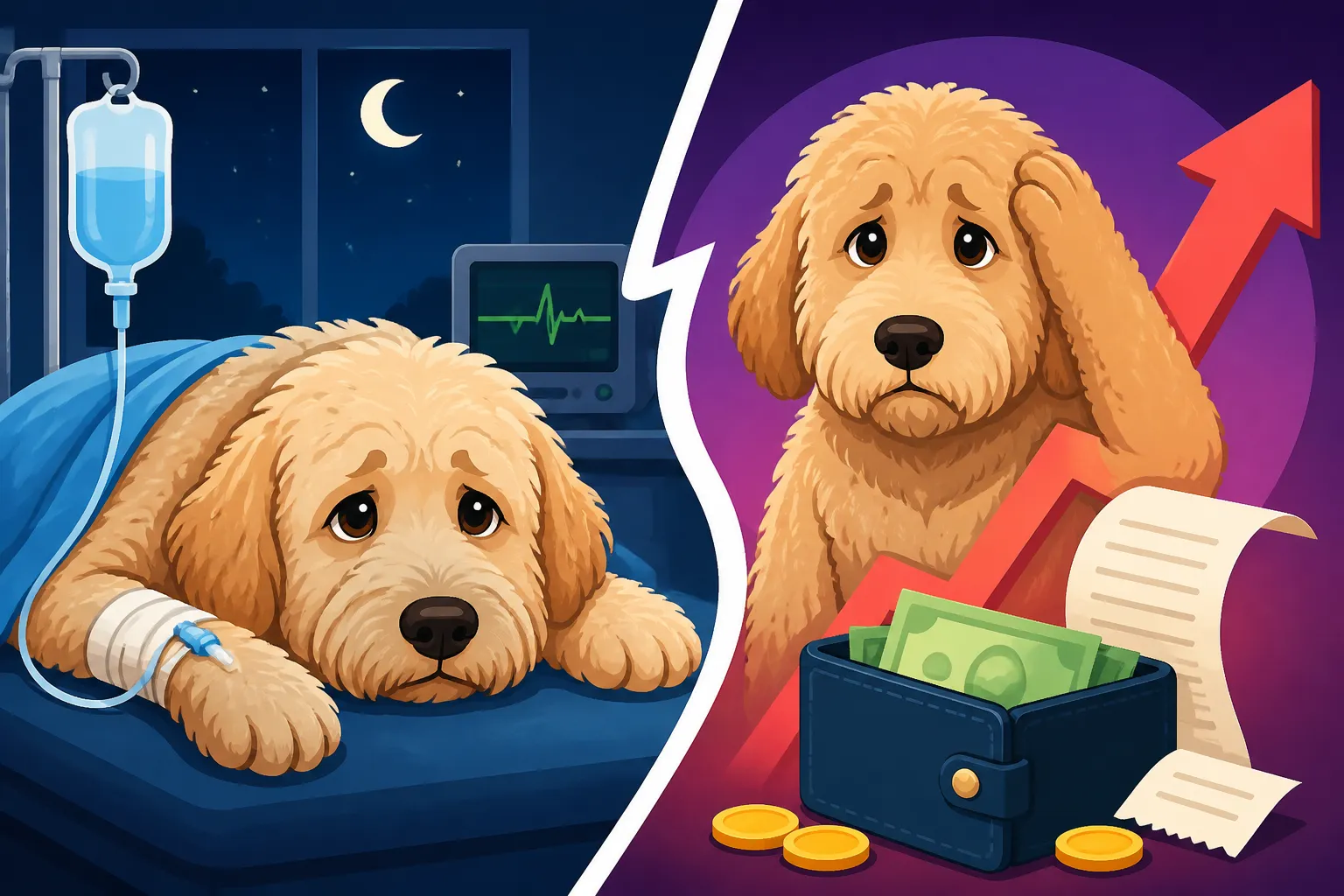
When an Addisonian crisis strikes, time is absolutely of the essence. This is not a "wait and see" situation. Your Labradoodle needs to be at an emergency veterinary clinic as quickly as possible. The primary goals of emergency care are to stabilize your dog, correct the life-threatening electrolyte imbalances, and replace the missing hormones. This involves intravenous (IV) fluids to combat shock and dehydration, high doses of corticosteroids to replace cortisol, and sometimes other supportive medications.
Overnight care is almost always crucial during a crisis because your dog needs continuous monitoring. Their electrolyte levels, blood pressure, heart rate, and overall response to treatment must be watched hour by hour, sometimes minute by minute. IV fluids need to be adjusted, medications administered on a strict schedule, and any changes in their condition addressed immediately. The fear you feel as an owner, leaving your desperately ill Labradoodle with strangers, is gut-wrenching, but that constant, professional vigilance is what will pull them through. It's a high-stakes situation where every hour counts towards their recovery.
Breaking Down the Costs of Overnight Addisonian Crisis Care
When your Labradoodle is rushed to the emergency vet in the throes of an Addisonian crisis, the last thing on your mind is the bill. However, the reality is that saving their life involves a significant financial commitment. Emergency veterinary care, especially overnight, comes with a specific set of charges that can quickly add up.
Initial Emergency Assessment and Stabilization
The moment you walk into an emergency veterinary clinic, there’s an immediate process that begins, and each step has an associated cost. First, your Labradoodle will undergo triage, a rapid assessment by a veterinary technician or veterinarian to determine the severity of their condition. This is often followed by a full emergency examination. They'll check vital signs, assess hydration, and look for any immediate life threats.
Once stabilized, immediate diagnostics are crucial. This usually includes a full blood panel, with particular attention paid to electrolyte levels (sodium and potassium), blood sugar, and kidney values. These tests are essential for confirming Addison's disease and gauging the severity of the crisis. Simultaneously, or even before, your Labradoodle will likely be placed on IV fluids. These fluids are critical for addressing shock, dehydration, and rebalancing those vital electrolytes. They're also the conduit for rapidly administering life-saving medications, such as a fast-acting steroid. The emergency visit fee, the vet's time for examination, the blood work, and the IV setup and initial bag of fluids all contribute to the initial bill. It’s an intensive, time-sensitive process where every second matters, and that expertise is reflected in the cost.
Continuous Monitoring, Medications, and Diagnostics
Once your Labradoodle is admitted for overnight care, the costs continue to accumulate. The bulk of the expense stems from the continuous, intensive nursing care they receive. Unlike a regular daytime vet visit, emergency clinics have staff working around the clock, dedicated to monitoring critical patients. This means a veterinary technician is constantly checking IV fluid rates, assessing your dog's vital signs, administering medications on schedule, and reporting any changes to the emergency veterinarian.
Medications are a significant component of the cost. Your Labradoodle will likely be receiving high doses of intravenous corticosteroids, which are vital to reverse the effects of the hormone deficiency. They might also need anti-nausea medications, gastroprotectants, or other supportive drugs depending on their specific symptoms and any complications that arise. Repeated blood tests are often necessary to monitor how well the electrolytes are responding to the IV fluids and medication. For example, after stabilization, your vet will likely want to perform The ACTH Test That Confirms Addison's in a Labradoodle to confirm the diagnosis definitively, which is another specialized test with its own fee. In some severe cases, oxygen therapy might be required, adding further to the overall expense. Each of these components, from the individual syringe of medication to the lab analysis, contributes to the final overnight bill.
The Range of Potential Expenses
It's really tough to give an exact number for what an Addisonian crisis will cost, as it varies wildly depending on your geographic location, the specific emergency clinic, and the severity of your Labradoodle's condition. However, it's safe to say you should prepare for a significant bill. You're looking at a combination of:
- Emergency Examination Fee: A baseline fee just for the emergency visit.
- Diagnostics: Blood tests (full panels, electrolyte checks, ACTH stimulation test), possibly urine tests or imaging if other issues are suspected.
- Intravenous Fluids & Supplies: The cost of the fluids themselves, the IV catheters, lines, and pumps needed for continuous administration.
- Medications: High-dose steroids (injectable), anti-nausea drugs, and other supportive care.
- Hospitalization/Monitoring: The biggest component, covering the continuous nursing care, veterinary oversight, and use of specialized equipment overnight.
- Additional Treatments: If complications arise, such as severe anemia or cardiac issues, further specialized treatments may be required.
To give you a clearer picture, here's a general breakdown of potential cost categories, though remember these are illustrative and can fluctuate greatly:
| Cost Category | Description |
|---|---|
| Emergency Exam Fee | Initial assessment by emergency vet, regardless of treatment |
| Bloodwork & Lab Tests | Full chemistry, CBC, electrolytes, ACTH stimulation test (diagnostic) |
| IV Fluids & Catheterization | IV drip, IV catheter, administration supplies, multiple bags of fluids |
| Medications | Injectable steroids, anti-emetics, gastroprotectants, pain relief (if needed) |
| Overnight Hospitalization | Continuous nursing care, monitoring, access to oxygen, veterinary supervision |
| Additional Procedures (if needed) | X-rays, ultrasound, additional specialty consults |
This table helps illustrate that an Addisonian crisis isn't a single item charge; it's a comprehensive package of life-saving services, provided under urgent and intense circumstances.
Preparing for the Unthinkable: Managing Financial Strain
The shock of an Addisonian crisis for your Labradoodle is immense, both emotionally and financially. No one wants to think about money when their dog is fighting for their life, but being prepared can make an impossible situation a little less daunting.
Pet Insurance: A Lifeline in a Crisis
Pet insurance can be an absolute game-changer when faced with an emergency like an Addisonian crisis. Imagine receiving a hefty vet bill, but knowing that a significant portion of it will be reimbursed. This peace of mind allows you to focus solely on your Labradoodle's recovery, rather than agonizing over financial decisions during an already stressful time.
However, the key with pet insurance is to have it before anything goes wrong. Addison's disease, once diagnosed, becomes a pre-existing condition, meaning any future treatment related to it might not be covered if you enroll after the diagnosis. That's why considering insurance when your Labradoodle is a puppy or young adult, before any health issues arise, is so crucial. Providers like Healthy Paws offer comprehensive coverage that can help with accidents and illnesses, including emergency care for conditions like Addison's. Be sure to thoroughly review different policies, understand their deductibles, reimbursement percentages, and what constitutes a pre-existing condition. The peace of mind offered by knowing you’re covered, as discussed in Insuring a Labradoodle Before Anything Is On Record, is invaluable.
Budgeting and Savings: Building an Emergency Fund
While pet insurance is fantastic, it's not the only way to prepare. Every Labradoodle owner should consider establishing a dedicated emergency fund for their pet. Think of it as a safety net specifically for unexpected vet bills. Instead of being caught completely off guard, having a separate savings account where you regularly deposit a small amount can grow into a substantial buffer over time.
This proactive approach ties into the broader financial commitment of pet ownership. Owning a Labradoodle isn't just the initial purchase price; it's a long-term investment that includes food, grooming, routine vet visits, and yes, unexpected emergencies. When you consider The Full Cost of Fourteen Years With a Labradoodle, it's clear that these unexpected health issues are a significant part of the equation. Setting aside money each month specifically for pet emergencies means that when something like an Addisonian crisis hits, you have options beyond credit cards or difficult choices. Regular veterinary check-ups are also part of this proactive strategy, as The Yearly Screening a Labradoodle Should Get can sometimes help identify underlying issues before they become full-blown crises.
Alternative Payment Options and Resources
Even with insurance or savings, emergency vet bills can be overwhelming. Thankfully, there are often other avenues to explore. Many veterinary clinics offer payment plans, allowing you to spread the cost over several months. It's always worth asking about this upfront. Additionally, credit options designed specifically for healthcare, like CareCredit, are widely accepted at veterinary practices. These can offer deferred interest options if paid within a certain timeframe, which can be a huge relief in an emergency.
Beyond direct payment options, there are also various charitable organizations and foundations that sometimes offer financial assistance for pet owners facing dire circumstances. While these usually have strict eligibility criteria and funding can be limited, they are worth exploring if you find yourself in a truly desperate situation. Remember, the veterinary staff genuinely wants to help your Labradoodle, and they often know about resources in your community that can provide support. For everyday care that can contribute to overall health, making future emergencies less likely, services like Chewy and Ollie offer convenient access to high-quality food and supplies, helping you maintain your Labradoodle’s well-being on an ongoing basis.
Life After an Addisonian Crisis: Ongoing Management and Costs
Surviving an Addisonian crisis is a huge milestone for your Labradoodle, but it's often just the beginning of a new chapter in their care. Addison's disease is a lifelong condition that requires consistent management, and understanding this ongoing commitment – both in terms of daily routine and financial outlay – is crucial for every owner.
Daily Life with an Addisonian Labradoodle
Once your Labradoodle is stabilized and back home, life becomes a routine of medication and careful observation. The cornerstone of Addison's management is hormone replacement therapy. This typically involves monthly injections of desoxycorticosterone pivalate (DOCP), a mineralocorticoid that replaces aldosterone, and daily oral corticosteroids, like prednisone, to replace cortisol. Monthly Fludrocortisone for an Addisonian Labradoodle is another common medication that might be prescribed, depending on your dog's specific needs.
Beyond medication, close monitoring by you, the owner, is paramount. You'll become highly attuned to any subtle changes in your Labradoodle's appetite, energy levels, or stool consistency, as these can be early indicators that their medication dosage needs adjusting. Regular vet visits are also non-negotiable, often every few months initially, then biannually, to run blood tests and ensure their electrolyte levels and overall health remain stable. It's a journey, but with consistent care, many Addisonian Labradoodles live full, happy lives. As we delve into Life on Daily Medication for an Addisonian Labradoodle, you'll see that consistency is truly key.
The Long-Term Financial Commitment
While the overnight crisis bill is often the largest single expense, the ongoing costs of managing Addison's disease can add up over your Labradoodle's lifetime. The monthly injections are a recurring expense, as are the daily oral medications. These costs can vary, but they are a constant factor in your budget.
Consider the following table for typical ongoing expenses:
| Cost Category | Frequency | Description |
|---|---|---|
| DOCP Injection | Monthly | Lifesaving hormone replacement, administered by vet or at home |
| Oral Prednisone | Daily | Cortisol replacement, dose adjusted based on stress/symptoms |
| Bloodwork (Electrolytes) | Quarterly/Bi-Annually | Essential to monitor hormone balance and medication effectiveness |
| Vet Consultation | Bi-Annually | Check-ups, medication adjustments, overall health assessment |
| Emergency Fund Top-Up | Ongoing | Replenishing savings for any future unforeseen issues or crises |
This long-term financial commitment is what many owners grapple with after the immediate crisis has passed. The initial relief that your dog survived is immense, but it quickly shifts to a new reality of managing a chronic condition. It’s important to remember that these ongoing costs are what enable your Labradoodle to thrive. Many Labradoodles are predisposed to this genetic condition, tracing back to Addison's Disease a Labradoodle Inherits From the Poodle lineage. Investing in good nutrition, perhaps through reputable brands like Chewy or Ollie that offer a variety of dog food options, can also contribute to overall health and potentially reduce other health complications down the line, though it won't prevent or cure Addison's itself.
Preventing Future Crises
The best way to prevent future Addisonian crises is diligent, consistent management of the disease. This means strict adherence to your Labradoodle's medication schedule – never miss an injection or a daily pill. Work closely with your veterinarian to find the optimal dosages for both the monthly injections and the daily prednisone, adjusting the prednisone as needed during times of stress (like travel, boarding, or minor illnesses).
Recognizing those subtle, pre-crisis signs, even after a diagnosis, is still important. If your Labradoodle seems more lethargic, has a reduced appetite, or shows any signs of gastrointestinal upset, contact your vet immediately. Early intervention can often prevent a full-blown crisis, which not only saves your dog from distress but also saves you from another expensive emergency visit. Maintaining a low-stress environment for your Labradoodle also plays a role, as stress can deplete their already compromised hormone levels. Even minor events can be stressful, so being prepared for moments like needing Whether Anesthesia Is Safe for an Addisonian Labradoodle requires a careful plan with your vet. Catching issues early, especially since The Age Addison's Strikes a Labradoodle can vary, is a constant effort but ultimately the best defense.
Disclaimer
This article is for general informational purposes only and does not constitute professional advice. Laws, prices and regulations vary by location and change over time. Consult a qualified professional for guidance on your specific situation.