The Yearly Grooming Total on a Standard Labradoodle
Oh, the Labradoodle coat! It’s one of the most irresistible things about these wonderful dogs, isn't it? That soft, curly, often non-shedding fur is a huge part of their appeal. But let's get real for a moment: that gorgeous coat is also a demanding mistress. Many new Labradoodle parents are genuinely surprised by the sheer financial commitment involved in keeping their furry friend looking neat, tidy, and most importantly, mat-free. This isn't just about aesthetics; neglected coats can lead to painful skin issues and even costly veterinary visits. So, if you're wondering what you're really signing up for each year in grooming expenses for your standard Labradoodle, you've come to the right place. We're going to break down every aspect, from professional services to home care, to give you a realistic picture.
The Labradoodle Coat: A Prerequisite for Understanding Grooming Costs
Before we even talk about dollars and cents, we need to understand the star of the show: your Labradoodle's coat. Unlike many other breeds, Labradoodles aren't a "wash and wear" type of dog. Their unique blend of Labrador and Poodle genetics results in a variety of coat types, each with its own set of grooming demands, and thus, its own price tag. Misunderstanding this from the outset is often where owners get caught off guard with unexpected costs and frustrating matting.
What Makes a Labradoodle's Coat Unique?
The beauty of the Labradoodle lies in its hybrid vigor and often its low-shedding qualities, but this also means its coat isn't simple. You typically hear about three main types: hair, fleece, and wool.
The hair coat is the least common and often resembles a scruffy Labrador's coat. It might shed more than the other types, and while it might seem easier to manage because it's less prone to matting, it still needs regular brushing to keep it clean and healthy. Think of it as a double coat, but with a bit of a wave.
The fleece coat is often considered the "ideal" Labradoodle coat. It's soft, wavy or spiraling, feels like angora wool, and usually doesn't shed much, if at all. It’s wonderfully tactile and what many people envision when they think of a Labradoodle. However, this beautiful softness also means it’s incredibly prone to matting, especially in high-friction areas like behind the ears, armpits, and under the collar.
Then there's the wool coat, which is dense and curly, much like a Poodle's coat. It’s also low to non-shedding, which is fantastic for allergy sufferers, but it requires the most diligent and frequent grooming. Without proper care, a wool coat can quickly become a felted mess, tight against the skin and causing significant discomfort for your dog. The Three Labradoodle Coats: Hair, Fleece and Wool dives deeper into these types.
The Demands of Each Coat Type
Each coat type dictates a different level of grooming commitment. A hair-coated Labradoodle might get away with professional grooming every 10-12 weeks and a weekly brush at home. A fleece-coated dog, however, often needs professional attention every 6-8 weeks, coupled with diligent line brushing at home several times a week. If you've got a wool-coated Labradoodle, weekly professional grooming isn't unheard of, and daily line brushing at home is practically non-negotiable to prevent mats.
It’s not just about the type of hair, but also its density and length. The longer you keep the coat, the more work it demands. Many owners love the fluffy "teddy bear" look, but that extra length is a magnet for debris, burrs, and, you guessed it, mats. This is where the cost-benefit analysis truly begins. Do you want that long, flowing look? Be prepared to pay for it, either in professional grooming fees or in the significant time commitment for daily home care.
The Dreaded "Coat Change"
If you're a first-time Labradoodle owner, you might be blissfully unaware of the "coat change." This is a period, typically between 8 and 14 months of age, when your puppy's soft, fluffy puppy coat is replaced by their denser, adult coat. It's often compared to a human teenager's awkward phase, but for their fur, and it is a huge challenge for grooming.
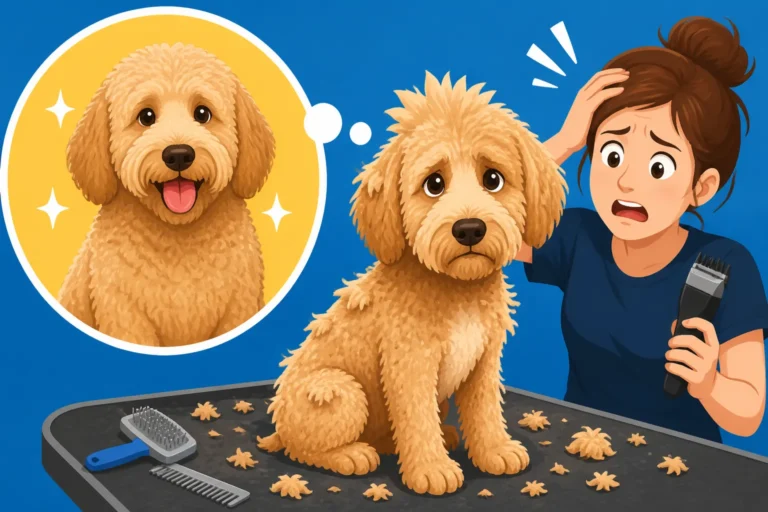
During this transition, the shedding puppy fur gets tangled and trapped within the emerging adult coat, creating an absolute matting nightmare. It's not uncommon for a Labradoodle to go from needing a brush every other day to needing intense, daily grooming just to keep mats at bay. This period is notorious for leading to emergency full body shave-downs at the groomer, which, as you can imagine, adds significantly to your annual grooming total. The Coat Change That Hits a Labradoodle at Nine Months explains this phenomenon in detail. Many owners find themselves bringing their dog to the groomer more frequently during these months, sometimes every 3-4 weeks, just to survive it. This isn't usually something a breeder warns you about in great detail, but it's a very real financial and time investment you need to be ready for.
Deciphering Professional Grooming Expenses for Your Labradoodle
For most Labradoodle owners, professional grooming is not an optional luxury but a fundamental necessity. These dogs simply require skilled hands and specialized tools to maintain their coats properly. Understanding what goes into a professional groom and how often your dog will need it is key to calculating your yearly costs.
Breaking Down the Cost of a Single Groom
The price of a professional groom for a standard Labradoodle can vary widely depending on several factors:
- Geographic Location: Grooming services in a bustling city like New York or Los Angeles will naturally command higher prices than those in a rural town. This is simply the cost of doing business in different areas.
- Groomer's Experience and Reputation: Highly sought-after groomers with years of experience and a reputation for handling challenging coats or difficult dogs will charge more. They often have advanced training and a deeper understanding of breed-specific cuts.
- Size of Your Labradoodle: A "standard" Labradoodle can range anywhere from 50 to 75 pounds. A larger dog takes more time, more shampoo, and more physical effort to groom, so the price will scale up accordingly.
- Coat Condition: This is arguably the biggest factor. If your Labradoodle arrives at the salon with a perfectly brushed, mat-free coat, the groomer can proceed directly to washing, drying, and styling. However, if your dog is matted, even slightly, the groomer will have to spend considerable extra time carefully detangling or, in severe cases, shaving. This matting fee is often charged by the hour on top of the base groom price, and it can quickly double or even triple the cost of a single visit. Imagine paying for someone to meticulously comb out knots from a shaggy sheep – that's essentially what a groomer is doing. What a Groomer Charges to Dematt a Labradoodle by the Hour really highlights this impact.
- Type of Clip/Style: A simple kennel clip or a short all-over trim will generally be less expensive than a more elaborate "teddy bear" trim that requires more scissor work and shaping.
- Add-on Services: Nail grinding, teeth brushing, special conditioning treatments, or de-shedding services (if applicable to a hair coat) will also add to the bill.
It's common for a full groom on a standard Labradoodle to fall within a certain range, but again, always call local groomers for their current pricing structures.
Frequency and Scheduling
The frequency of professional grooming directly impacts your annual total. For most standard Labradoodles, especially those with fleece or wool coats, a full professional groom is needed every 6 to 8 weeks. Some owners opt for "mini-grooms" or "bath and tidies" in between full grooms to keep up with hygiene and prevent matting, particularly around the face, paws, and sanitary areas. This might be a quicker, less expensive service but still adds to the overall yearly cost.
Let's do some quick math: if you take your Labradoodle for a full groom every 8 weeks, that's 6-7 full grooms per year. If you opt for every 6 weeks, that's 8-9 grooms annually. Then, factor in those tricky "coat change" months where you might need to go every 4 weeks. It quickly adds up! Consistent, regular grooming, even if it feels expensive in the moment, is actually more cost-effective in the long run than letting the coat get out of control and paying hefty dematting fees, or worse, vet bills for skin issues.
Unexpected Grooming Expenses
Beyond the regular appointments, several "unexpected" expenses can pop up:
- Emergency Dematting: We've touched on this, but it bears repeating. A neglected coat can go from slightly tangled to severely matted in what feels like overnight. If your dog gets into burrs, swims frequently, or you simply miss a few brushing sessions, you could be looking at a several-hour dematting charge or a mandatory full shave-down. A groomer might even refuse to work on a severely matted dog due to the pain it would cause, requiring a veterinary visit for sedation before they can proceed. This is where pet insurance, like a plan from Healthy Paws, might offer some peace of mind for related veterinary complications, though it typically won't cover routine grooming.
- Sedated Grooms: For very anxious or aggressive dogs who simply cannot tolerate the grooming process, a veterinarian might recommend sedation. This involves a vet visit, medication, and often higher grooming fees because of the specialized handling required. This is a last resort, but it's a real possibility for some dogs, adding another layer of unexpected cost.
- Skin Issues: Mats pull on the skin, causing irritation, sores, and infections. If a groomer discovers hot spots, yeast infections, or other skin problems hidden beneath a matted coat, your next stop will be the vet's office, adding prescription medications and examination fees to your grooming budget. Maintaining good skin and coat health with appropriate shampoos and conditioners, readily available from retailers like Chewy, can help prevent some of these issues.
The Realities and Costs of Home Grooming Your Labradoodle
Given the high cost of professional grooming, many Labradoodle owners ponder taking on the task themselves. It's a noble thought, and certainly, daily home care is essential regardless of how often you visit a professional. However, becoming your Labradoodle's sole groomer isn't for the faint of heart or light of wallet when it comes to initial investment.
Initial Investment in Home Grooming Tools
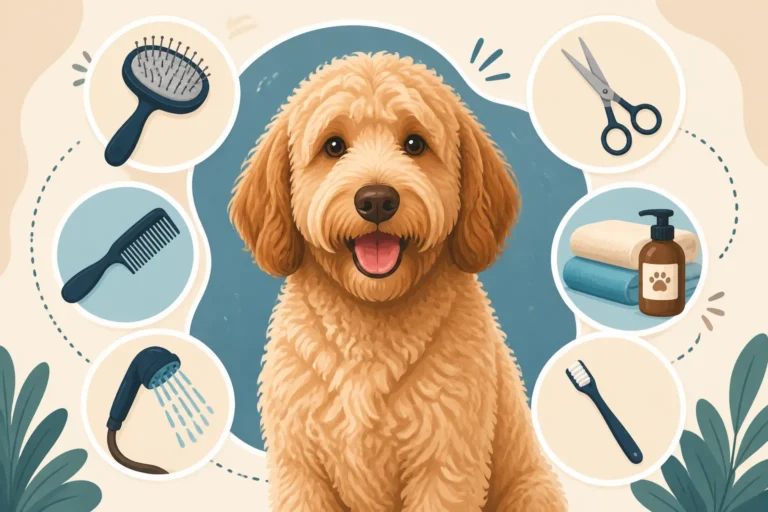
Successfully grooming a Labradoodle at home requires more than just a brush from the pet store. You'll need an arsenal of quality tools, and these don't come cheap. Think of it as investing in a new hobby – you need the right gear to do it properly and safely.
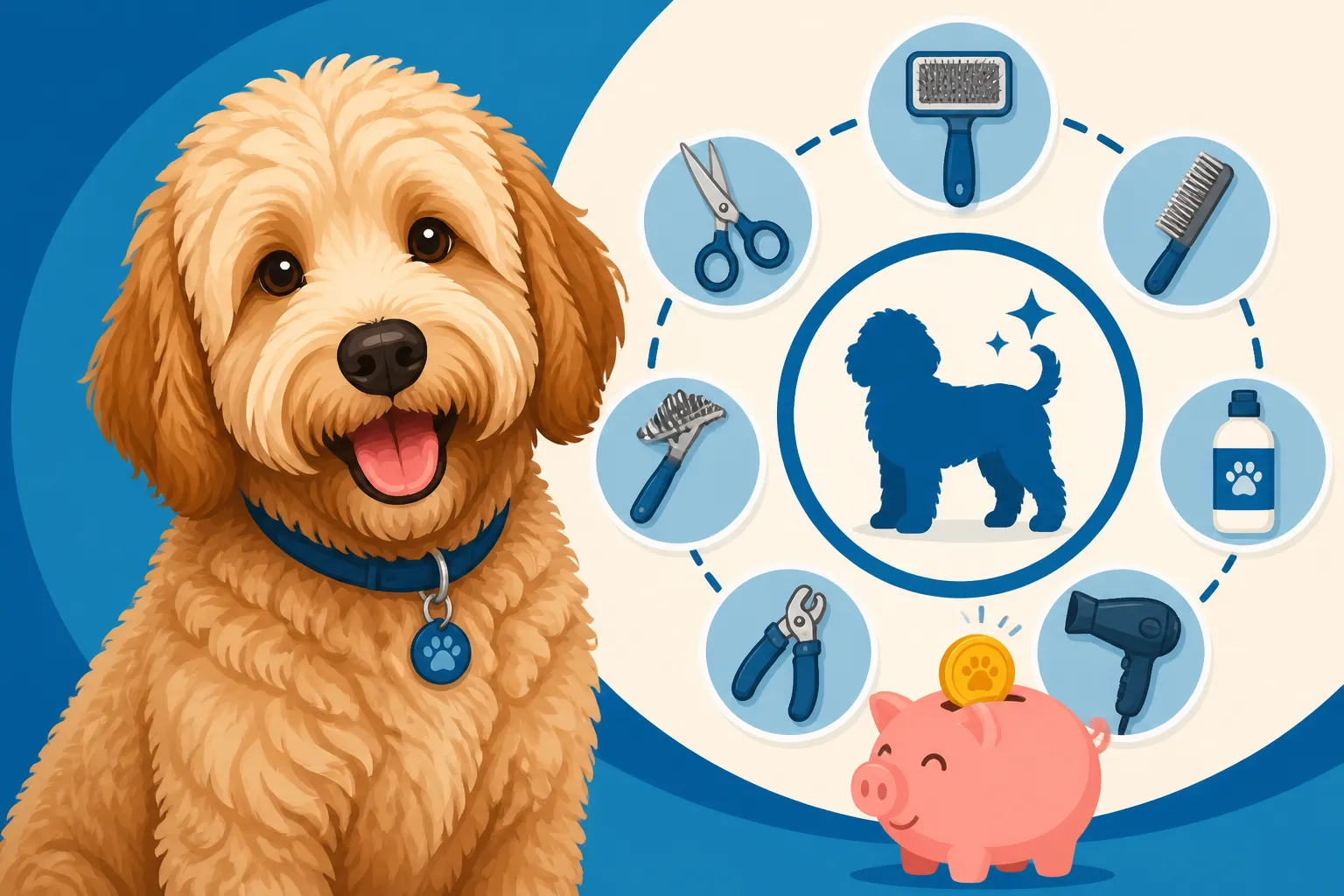
Here’s a breakdown of what you'll likely need:
- High-Quality Slicker Brush: Essential for getting through the coat to the skin and lifting mats. You'll need a sturdy one that won't break halfway through.
- Metal Comb: A good sturdy steel comb is crucial for line brushing and checking for mats after brushing with the slicker. This is how you ensure you're actually getting all the tangles.
- Demating Rake/Tool: For those tricky knots that refuse to budge.
- Grooming Shears (Scissors): For trimming around the face, paws, and sanitary areas. You might need both blunt-tip shears for safety and thinning shears for blending.
- Electric Clippers: A powerful set of clippers with various blades (e.g., #10, #7F, #5F, #4F) is a significant investment. Cheap clippers will pull hair, overheat, and quickly burn out when faced with a dense Labradoodle coat. The Clipper, Blade and Dryer a Labradoodle Owner Buys is a great resource if you're looking to invest.
- Force Dryer: This isn't just a fancy hairdryer; it's a powerful tool that blows water off the coat, helps straighten the hair for easier clipping, and significantly reduces drying time, which is critical for preventing mats. Trying to air-dry a Labradoodle leads to a matted mess.
- Grooming Table with Arm: Seriously, trying to groom a wiggly, 60-pound dog on the floor or your kitchen counter is a recipe for disaster and back pain. A sturdy grooming table will make the process safer and more efficient for both of you.
- Quality Shampoos and Conditioners: Formulated for dogs, these are essential for cleaning and softening the coat, making it easier to brush.
- Nail Clippers or Grinder: Keeping nails trimmed is part of overall paw health.
The initial outlay for these items can easily run into the hundreds of dollars, potentially even a thousand or more if you opt for professional-grade equipment. This cost needs to be factored into your yearly grooming total, especially in the first year.
Ongoing Supplies and Maintenance
The initial tool purchase isn't a one-and-done deal. There are ongoing costs associated with home grooming:
- Shampoos and Conditioners: You'll be going through these regularly, especially if your Labradoodle enjoys mud puddles or swimming.
- Blade Sharpening and Replacement: Clipper blades dull over time and need to be professionally sharpened or replaced. Dull blades pull hair, causing discomfort for your dog.
- Tool Replacement: Brushes wear out, scissors get dull, and even force dryers need occasional maintenance or replacement parts.
- Ear Cleaner and Cotton Balls: Labradoodles are prone to ear infections due to their drop ears and often hairy ear canals. Regular cleaning is a must. Drying a Labradoodle's Ears Properly after baths or swims is critical.
When DIY Isn't Enough
While home grooming is fantastic for maintenance and extending the time between professional appointments, it’s not always a complete substitute. There are times when professional help is simply essential:
- Severe Matting: If you've missed a few sessions and your dog's coat is severely matted, it's safer and more humane to take them to a professional groomer or even a vet. Attempting to de-mat a heavily matted coat at home without proper training and tools can be incredibly painful for your dog and risks skin injuries. A professional groomer has the expertise to assess the situation and decide if de-matting is even possible or if a humane shave-down is the only option. Whether Home Grooming a Labradoodle Ends Badly is a good read on this.
- Specialized Clips: If you want a specific breed-standard clip or a more intricate style, a professional groomer's skill is invaluable. While you can learn basic clipping, achieving a truly polished look takes practice and an artistic eye.
- Safety Concerns: If your Labradoodle is particularly difficult or aggressive during grooming, a professional groomer might be better equipped to handle them safely. They have specialized restraints and techniques to minimize stress and prevent injury to both dog and groomer.
- Time Constraints: Let's be honest, life gets busy. A full groom at home can take several hours, including bathing, drying, brushing, and clipping. If you don't have that kind of dedicated time, outsourcing to a professional is a wise choice for your dog's well-being.
Ultimately, home grooming is an excellent way to supplement professional care and keep your Labradoodle comfortable, but it's rarely a complete replacement for the skilled hands of a professional, especially for the typical fleece or wool coated Labradoodle.
Estimating Your Labradoodle's Annual Grooming Budget
Now that we’ve delved into the intricacies of Labradoodle coats and the various costs associated with keeping them tidy, it’s time to pull it all together and figure out what your yearly grooming total might realistically look like. This isn't a fixed number, of course, but a range that reflects your choices and your dog's specific needs.
Putting All the Pieces Together
Let's consider a few scenarios for a standard Labradoodle (roughly 50-65 pounds) with a fleece or wool coat, as these are the most common and require the most intensive care.
Scenario 1: Primarily Professional Grooming with Moderate Home Care
This is perhaps the most common approach. Owners take their Labradoodle for a full professional groom every 6-8 weeks and do diligent brushing (2-3 times a week) and minor trims at home.
| Service Type | Frequency | Estimated Cost Per Service (Range) | Annual Estimate (Low) | Annual Estimate (High) |
|---|---|---|---|---|
| Professional Full Groom | 8 times/year | $X to Y$ | $8*X$ | $8*Y$ |
| Home Grooming Supplies (yearly) | N/A (replacements) | $A to B$ | $A$ | $B$ |
| Total Annual Estimate | 8*X + A | 8*Y + B |
(Please note: Specific prices for grooming services and supplies vary greatly by region and provider. The ranges above are illustrative; please consult local groomers and pet supply retailers for current figures.)
In this scenario, you're paying for convenience, expertise, and generally, a more polished look. The home grooming supplies are mostly for upkeep and prevention.
Scenario 2: Professional Grooming Only When Absolutely Necessary (Heavy Home Grooming)
Some dedicated owners invest heavily in home equipment and their own skills, taking their Labradoodle to a professional only for specific issues like severe matting or a very precise clip.
| Service Type | Frequency | Estimated Cost Per Service (Range) | Annual Estimate (Low) | Annual Estimate (High) |
|---|---|---|---|---|
| Initial Home Tool Investment | Once (Year 1 only) | $P to Q$ | $P$ | $Q$ |
| Professional "Emergency" Groom | 2 times/year | $R to S$ | $2*R$ | $2*S$ |
| Home Grooming Supplies (yearly) | N/A (replacements) | $A to B$ | $A$ | $B$ |
| Total Annual Estimate (Year 1) | P + 2*R + A | Q + 2*S + B |
(Please note: Specific prices for grooming services and supplies vary greatly by region and provider. The ranges above are illustrative; please consult local groomers and pet supply retailers for current figures.)
This scenario requires a significant time commitment from the owner and a good deal of patience from the dog. While it can save money on professional services in the long run (after the initial investment), it places the burden of skill and consistency squarely on your shoulders. Whether Grooming a Labradoodle Yourself Saves Money delves into this more.
Scenario 3: The "Oops, We Got Matted" Cycle
This is unfortunately common for owners who underestimate the Labradoodle coat. They attempt minimal home care, delay professional grooms, and then end up paying premium "dematting" fees or requiring shave-downs.
| Service Type | Frequency | Estimated Cost Per Service (Range) | Annual Estimate (Low) | Annual Estimate (High) |
|---|---|---|---|---|
| Professional Groom with Dematting | 4 times/year | $U to V$ | $4*U$ | $4*V$ |
| Basic Home Grooming Supplies | N/A (replacements) | $C to D$ | $C$ | $D$ |
| Vet Visit for Skin Issues (if any) | 1 time/year (potential) | $E to F$ | $E$ | $F$ |
| Total Annual Estimate | 4*U + C + E | 4*V + D + F |
(Please note: Specific prices for grooming services and supplies vary greatly by region and provider. The ranges above are illustrative; please consult local groomers and pet supply retailers for current figures.)
This scenario often ends up being the most expensive and stressful for both dog and owner. It's a prime example of how trying to save money upfront can lead to higher costs down the road, not to mention discomfort for your beloved pet.
Saving Money Without Sacrificing Care
It is possible to manage your Labradoodle's grooming expenses without resorting to neglect. Here are some strategies:
- Prioritize Daily Home Brushing: This is your number one defense against mats and the best way to extend time between professional grooms. Learn how to Brushing a Labradoodle to the Skin, Not the Surface to truly be effective.
- Learn Basic Trimming Skills: Investing in good quality clippers and learning to do face trims, paw pad trims, and sanitary clips yourself can save significant money on "mini-grooms" or add-on services. There are many online tutorials and even short courses for pet owners.
- Regularity is Key: Stick to a consistent grooming schedule, whether professional or at home. Prevention is always cheaper than a cure when it comes to matted coats.
- Communicate with Your Groomer: Discuss your budget and your dog's coat needs with your groomer. They might suggest alternative schedules or styles that are more budget-friendly. For example, keeping the coat shorter can often reduce the frequency of full grooms.
- Look for Grooming School Discounts: Sometimes, local grooming schools offer discounted services performed by students under supervision. This can be a great way to save a bit of money if you're comfortable with a student groomer.
Budgeting for Your Labradoodle's Grooming Needs
Integrating grooming costs into your overall pet budget is crucial. When you're considering bringing a Labradoodle into your home, it’s not just the puppy price (though that's a big one, as discussed in The Fifteen Hundred to Three Thousand a Labradoodle Puppy Costs); it's the ongoing, predictable expenses like grooming that truly define long-term ownership.
Think about setting aside a monthly amount specifically for grooming. If you know a full groom costs a certain amount and you need 6-8 per year, divide that total by 12 and put that money aside. That way, when the bill comes, it’s not a shock. Don't forget to factor in the cost of quality food from places like Ollie, or regular flea and tick medication from Chewy, and pet insurance from Healthy Paws. These are all part of responsible pet ownership.
The commitment to a Labradoodle's grooming is substantial, but it's a necessary part of ensuring your dog lives a comfortable, healthy, and happy life. By understanding the costs, being proactive with home care, and budgeting wisely, you can keep your beloved Labradoodle looking and feeling their best year after year.
Disclaimer
This article is for general informational purposes only and does not constitute professional advice. Laws, prices and regulations vary by location and change over time. Consult a qualified professional for guidance on your specific situation.