Whether a Labradoodle From Untested Parents Is a Risk
It’s an exciting time when you’re considering bringing a Labradoodle puppy into your home. Their charming personalities, intelligent eyes, and those fluffy, hypoallergenic-leaning coats make them incredibly appealing. But sometimes, in the rush of excitement, or when faced with a lower price tag, we might overlook one of the most critical aspects of choosing a puppy: the health testing of its parents. Skipping this crucial step can lead to heartbreaking and financially devastating health issues down the road, transforming the dream of a playful companion into a future filled with worry, vet visits, and unexpected expenses. This guide is all about understanding those real risks and how to navigate them.
The Lure of the Untested Labradoodle Puppy and Its Hidden Costs
Let's be honest, everyone loves a good deal, especially when it comes to something as exciting as a new family member. When you see Labradoodle puppies advertised at a significantly lower price than others, it's easy to get swept up in the idea of saving money. But with dogs, and particularly with popular crossbreeds like the Labradoodle, a lower price often comes with a hidden cost that far outweighs any initial savings. This usually stems from a lack of proper health testing for the parent dogs, a corner that some breeders are all too willing to cut.
Why Some Breeders Skip Health Testing
There are a few reasons why a breeder might choose to skip the essential health tests for their breeding dogs, and none of them are truly good news for you, the future puppy owner. Firstly, these tests are expensive. Performing comprehensive hip and elbow evaluations, eye certifications, and DNA panels for various genetic conditions for both parent dogs adds a significant overhead cost to each litter. Some breeders, unfortunately, prioritize profit over the long-term health and well-being of the puppies they produce. They might argue that "their dogs are healthy" or "they've never had a problem," which simply isn't a substitute for objective, verifiable health clearances.
Another reason can be ignorance or a lack of understanding about the importance of these screenings. While less common among experienced, reputable breeders, a novice or backyard breeder might simply not know the extent of testing required, or they might underestimate the prevalence of certain genetic conditions in the parent breeds. They might genuinely love their dogs, but without proper knowledge and commitment to health screening, they're inadvertently contributing to the spread of preventable diseases. Lastly, some just want to get puppies to market quickly. Health testing takes time – certain orthopedic tests require dogs to be two years old, for instance – and some breeders aren't willing to wait. This rush can put profit margins ahead of ethical breeding practices.
The Immediate Savings vs. Future Heartbreak
The upfront savings you might see on an untested Labradoodle puppy can feel substantial. Perhaps you save a thousand dollars, or even more, compared to a puppy from health-tested parents. But let me tell you, that "saving" can quickly evaporate, and then some, once your beloved puppy starts showing signs of an inherited condition. Imagine your energetic Labradoodle puppy, full of life, suddenly limping or struggling to get up after a play session at just eight months old. A trip to the vet, x-rays, consultations with specialists – these initial steps alone can quickly rack up hundreds to thousands of dollars. If it's something like severe hip dysplasia, the corrective surgery can easily run into five figures per hip.
Beyond the sheer financial drain, there's the emotional toll. Watching your furry best friend suffer, going through countless vet appointments, giving medications, and seeing them in pain is incredibly difficult. This isn't just about money; it's about the quality of life for your dog and the peace of mind for your family. Many common Labradoodle conditions, such as Hips and Elbows in a Sixty Pound Labradoodle, Addison's Disease a Labradoodle Inherits From the Poodle, or The Progressive Retinal Atrophy Labradoodles Are Tested For, can lead to chronic pain, blindness, or lifelong medication requirements. What might have seemed like a bargain quickly becomes a constant source of stress, worry, and immense expense.
Understanding the Core Health Tests Labradoodle Parents Need
When you’re looking at Labradoodles, you’re essentially looking at a mix of two wonderful breeds: the Labrador Retriever and the Standard Poodle. Both breeds bring their own unique charm, but also their own predispositions to certain genetic health conditions. A responsible breeder understands this and actively works to minimize these risks by health testing their parent dogs. These tests aren't just a suggestion; they are a fundamental part of ethical breeding.
Orthopedic Issues: Hips, Elbows, and Knees
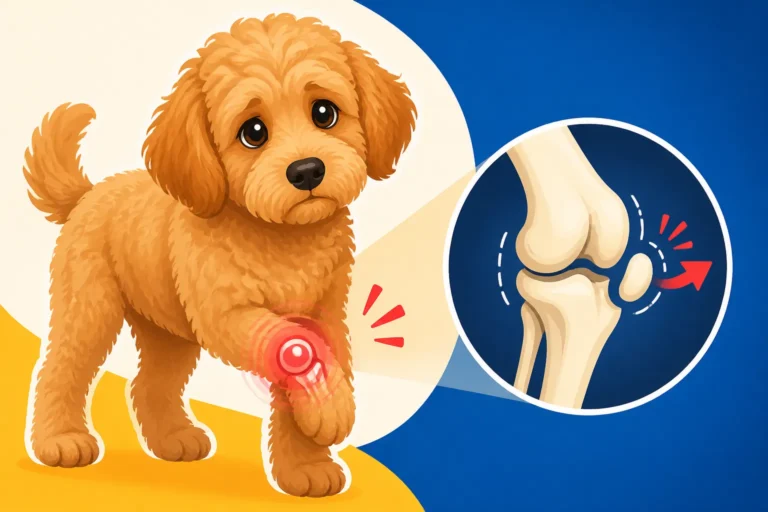
Orthopedic health is paramount for an active, medium-to-large breed like the Labradoodle. They love to run, jump, and play, and healthy joints are crucial for that. The most common concerns here are hip and elbow dysplasia. Hip dysplasia is a malformation of the hip joint, where the ball and socket don’t fit together properly. This can lead to pain, arthritis, and lameness. Elbow dysplasia is a similar condition affecting the elbow joint. Both can severely impact a dog's mobility and comfort throughout their life.
Reputable breeders will have their breeding dogs evaluated by organizations like the Orthopedic Foundation for Animals (OFA) or through PennHIP. OFA certifications provide grades for hip and elbow conformation, typically requiring dogs to be at least two years old for final certification. PennHIP offers a quantitative measurement of hip laxity, which can be done earlier. These evaluations are not just a "vet check"; they involve specialized X-rays and assessments by a panel of experts. For smaller Labradoodles, like miniatures, patellar luxation (slipping kneecaps) can also be a concern, and good breeders will have their dogs screened for this condition as well. Without these screenings, you're taking a significant gamble that your puppy won't develop these painful and expensive conditions. If you want to delve deeper, you might explore articles on Elbow Dysplasia in a Labradoodle Puppy or Slipping Kneecaps in a Miniature Labradoodle.
Eye Conditions: PRA and Cataracts
Imagine your dog slowly losing its sight, bumping into furniture, becoming disoriented. This is the reality for dogs affected by certain genetic eye conditions. Progressive Retinal Atrophy (prcd-PRA) is one such condition that is a serious concern in Poodles and, by extension, Labradoodles. It's a degenerative disease that leads to blindness, typically starting with night blindness and progressing to full blindness. The good news is that there are DNA tests available that can identify if a dog is clear, a carrier, or affected by prcd-PRA. This means a responsible breeder can ensure that no puppy they produce will be affected by this specific type of PRA.
Beyond DNA tests, annual eye examinations by a board-certified veterinary ophthalmologist are also essential. These examinations, often referred to as CAER (Companion Animal Eye Registry) exams, look for any observable eye conditions, including the early signs of cataracts. While some cataracts are age-related, others can be inherited and appear in middle-aged dogs. A clean bill of health from an ophthalmologist ensures the parents have no obvious hereditary eye diseases that could be passed on. For more information on this specific concern, you can check out The prcd-PRA Test Both Labradoodle Parents Need or Cataracts in a Middle Aged Labradoodle.
Other Genetic Concerns: Addison's Disease, EIC, and Von Willebrand's
The genetic tapestry of the Labradoodle means there are other important inherited conditions to be aware of. Addison's disease, or hypoadrenocorticism, comes from the Poodle side. It's a tricky condition to diagnose because its symptoms can be vague – lethargy, vomiting, diarrhea, lack of appetite – often mimicking other illnesses. If left untreated, an "Addisonian crisis" can be life-threatening. The good news is that once diagnosed, it's manageable with lifelong medication, but the initial diagnosis can be challenging and costly. Genetic markers for Addison's are being studied, and responsible breeders are increasingly testing for predisposition.
From the Labrador side, we have Exercise Induced Collapse (EIC). This is a neurological disorder where affected dogs, after 5-20 minutes of strenuous activity, can experience weakness, stumbling, and even collapse. It's not usually painful, and dogs typically recover with rest, but it can be alarming. Like PRA, there's a DNA test for EIC, allowing breeders to ensure they don't produce affected puppies. Knowing about The DNM1 Mutation Behind Labradoodle Collapse can help you understand this better. Finally, Von Willebrand's disease (vWD) is a common inherited bleeding disorder, also prevalent in Poodles, that can lead to excessive bleeding after injury or surgery. A DNA test is available to screen for this as well. These tests, while seemingly numerous, are critical for minimizing the risk of a lifetime of health challenges for your Labradoodle. You can find more details on Von Willebrand's Bleeding in a Labradoodle to understand its implications.
The Long-Term Impact and How to Protect Yourself
When we bring a dog into our lives, we envision years of joy, companionship, and endless games of fetch. What we don't always consider is the potential for significant health issues that can dramatically alter that vision. The long-term impact of acquiring a Labradoodle from untested parents isn't just theoretical; it's a very real and often devastating experience for many families.
The Emotional and Financial Toll of an Unforeseen Illness
Imagine the scenario: your sweet Labradoodle, who you thought was perfectly healthy, starts showing subtle signs of lameness around a year old. After numerous vet visits, X-rays, and specialist consultations, you receive the devastating diagnosis of severe hip dysplasia in both hips. Your options are now complex and expensive: ongoing pain management, physical therapy, or potentially multiple surgeries, each costing thousands upon thousands of dollars. This isn't just about the financial burden, which can be crippling for many families; it's also about the emotional toll. Watching your beloved pet in pain, limiting their natural desire to run and play, and having to make difficult decisions about their treatment path is incredibly stressful and heartbreaking.
These unforeseen illnesses often require a complete shift in your daily life, from administering medication to coordinating specialized care. This is where the foresight of a good pet insurance plan becomes an absolute game-changer. Companies like Healthy Paws, for example, can offer a crucial safety net, helping to cover a significant portion of unexpected veterinary costs for accidents and illnesses. Having that financial backing can allow you to make treatment decisions based on what's best for your dog, rather than what your bank account can handle. While no insurance covers pre-existing conditions, having a policy from a provider like Healthy Paws in place before any issues arise can offer invaluable peace of mind when facing potentially lifelong conditions or emergency surgeries.
What to Look for in a Responsible Labradoodle Breeder
Finding a responsible Labradoodle breeder is your best defense against many of these inherited health problems. It requires a bit of detective work, but it's well worth the effort. First and foremost, a responsible breeder will be transparent about their health testing. They won't just say their dogs are "vet checked" (which is not the same as specific health clearances); they will provide verifiable certificates for OFA hips and elbows (or PennHIP scores), current CAER eye certifications, and DNA panel results for conditions like prcd-PRA, EIC, and Addison's disease. They should be eager to share these with you and explain what they mean.
Don't be afraid to ask for vet references from the breeder and call them. A good breeder will also ask you a lot of questions to ensure you're a suitable home for one of their puppies. They will invite you to visit their facility, see the parent dogs (at least the mother), and observe the puppies' living conditions. Their facilities should be clean, and the puppies should be well-socialized and appear healthy. Look for breeders who specialize in one or two breeds, not those who offer a revolving door of "designer" puppies. For a more detailed guide on this, consider reading The Health Tests a Labradoodle Breeder Should Show. Ultimately, a responsible breeder is a lifelong resource, ready to answer questions and offer support long after you take your puppy home. Choosing a breeder who prioritizes these health screenings is one of the most impactful ways to ensure Whether Health Tested Parents Add Years to a Labradoodle.
Navigating the Purchase: Questions to Ask and Red Flags to Watch For
When you're actively looking for a Labradoodle puppy, it's easy to fall in love with a cute face. But it's vital to put your emotions aside for a moment and ask the tough questions. Here’s a checklist to guide you:
- "Can I see the health clearances for both parents, specifically OFA/PennHIP, CAER eye exams, and DNA results for PRA, EIC, and Addison's?" Don't accept excuses like "the vet says they're fine" or "I've never had issues." You need verifiable documentation.
- "What is your health guarantee, and what does it cover?" A good health guarantee will cover genetic health issues for at least the first two years of the puppy's life.
- "Can I meet the mother dog and see where the puppies are raised?" This allows you to assess the temperament of the mother and the cleanliness of the environment.
- "How often do you breed your females, and at what age do you retire them?" Responsible breeders typically don't breed females before they are two years old (to allow for full health clearances) and don't over-breed them.
- "What kind of socialization do the puppies receive?" Early socialization is crucial for temperament.
Now, let's talk about red flags. Be wary of any breeder who:
- Refuses to provide health testing documentation or gives vague answers.
- Offers puppies that are significantly cheaper than the market rate without a clear, ethical reason.
- Has multiple breeds available, or always has puppies ready to go.
- Insists on meeting in a public place rather than at their home or kennel.
- Pressures you into making a quick decision or demands full payment upfront without a contract.
- Seems more interested in your money than in your ability to provide a good home.
Here's a quick table to help summarize the differences:
| Characteristic | Responsible Breeder | Untested/Irresponsible Breeder |
|---|---|---|
| Health Testing | Provides verifiable certificates for parents (OFA, PennHIP, DNA panels for PRA, EIC, Addison's, vWD) | Claims "vet checked," or uses vague language, avoids testing |
| Transparency | Openly discusses health issues, encourages vet calls, allows visits, shares references | Defensive, secretive, pushes for quick sales, avoids questions |
| Puppy Environment | Clean, safe, puppies raised in home, well-socialized | Unsanitary, puppies in kennels/barns, little socialization |
| Contract/Guarantee | Robust health guarantee, spay/neuter clause, take-back policy | Minimal or no contract, no health guarantee, no support after sale |
| Pricing | Reflects investment in health, care, and quality; may seem higher | Significantly lower prices, often too good to be true, no value behind it |
| Support | Lifelong resource for puppy owners, genuine interest in puppy's welfare | Disappears after sale, offers no support, solely transactional |
Living with an Untested Labradoodle
If you’ve already brought an untested Labradoodle into your home, please don't despair. While you can't undo the past, there are proactive steps you can take to give your furry friend the best possible chance at a healthy and happy life. It’s about being vigilant, proactive, and committed to their care, no matter what genetic predispositions they might unknowingly carry.
Early Detection and Proactive Care
The key to managing potential health issues in an untested Labradoodle is early detection. Establish a strong relationship with a veterinarian you trust, and ensure your Labradoodle has The Yearly Screening a Labradoodle Should Get. These routine check-ups are not just for vaccinations; they are an opportunity for your vet to perform thorough physical exams, listen to heart and lungs, palpate joints, and discuss any changes in behavior or physical condition you might have noticed. Be an observant owner: pay close attention to how your dog moves, eats, and behaves. Is there a new subtle limp? Are they suddenly less enthusiastic about walks? Are they drinking more water than usual, or showing signs of discomfort after exercise? These could all be early indicators of an underlying issue.
For certain conditions like EIC or vWD, DNA testing can still be done on your adult Labradoodle to understand if they are affected or a carrier. While this won't change whether they have the gene, it can give you crucial information for managing their exercise, planning for future surgeries, or simply understanding why certain symptoms might arise. Even without knowing a specific predisposition, a healthy lifestyle can go a long way in supporting overall well-being.
The Role of Nutrition and Exercise in Joint Health
Regardless of whether your Labradoodle's parents were tested, proper nutrition and controlled exercise are foundational for their health, especially for their joints. For growing puppies, it’s critical not to over-exercise them. High-impact activities like excessive jumping, long runs on hard surfaces, or repetitive fetch sessions can put undue stress on developing joints, potentially exacerbating any underlying genetic predispositions to conditions like hip or elbow dysplasia. Instead, focus on controlled, moderate exercise appropriate for their age. You can find more specific advice on The Exercise Limit for a Growing Labradoodle to ensure you're not overdoing it.
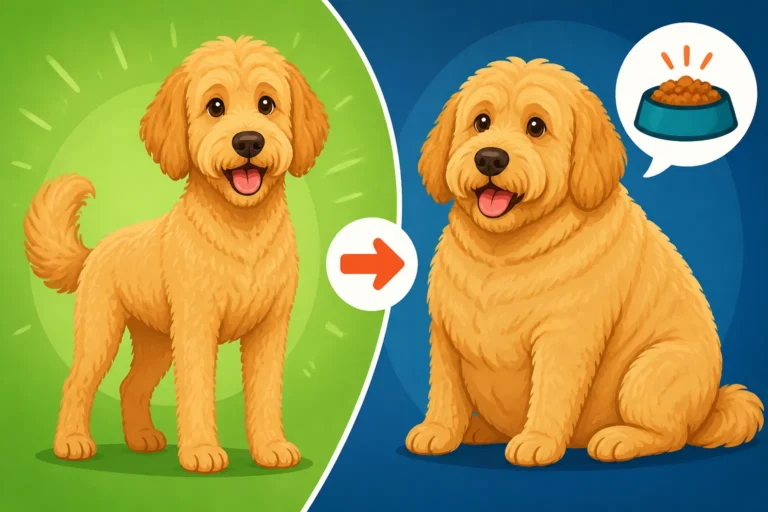
As your Labradoodle matures, maintaining a healthy weight is paramount. Excess weight puts significant strain on joints, worsening the symptoms of conditions like arthritis that might arise from dysplasia. A lean body condition, achieved through a balanced, high-quality diet and regular, appropriate exercise, can make a huge difference in their comfort and mobility. Be mindful of The Weight a Labradoodle Puts On Without Anyone Noticing, as it can creep up over time. Discuss your dog's diet with your vet, considering any specific needs based on their activity level and age. Sometimes, joint supplements might be recommended as a proactive measure, especially for breeds prone to orthopedic issues, but always consult your vet before adding any supplements to their diet.
Disclaimer
The information provided in this article is for general informational purposes only and is not a substitute for professional veterinary advice. Always consult with a qualified veterinarian or animal health professional for any questions or concerns regarding your Labradoodle's health and specific medical conditions.