The Weight a Labradoodle Should Hold
One of the trickiest things about owning a Labradoodle is figuring out what a healthy weight truly looks like for them. With their diverse genetics and varying sizes, it's easy to second-guess if your furry companion is just right, a little too chunky, or perhaps a touch too lean. This guide will walk you through everything you need to know about your Labradoodle's ideal weight, how to assess it, and what you can do to help them stay fit and healthy throughout their wonderful life.
Understanding Labradoodle Growth and Size Variations
It’s completely normal to feel a bit lost when it comes to your Labradoodle’s weight. Unlike purebreds where you can often pinpoint an exact breed standard, Labradoodles are a crossbreed, which means there’s a wider range of what’s considered "normal." You might have heard about miniature, medium, and standard Labradoodles, and each of these categories comes with its own expected weight range. This genetic variability, stemming from their Labrador Retriever and Poodle ancestry, means that two Labradoodles of the same age could look vastly different in size and build.
The Influence of Parent Breeds and Generations
The "doodle" craze means there's a huge spectrum of Labradoodle types out there. An F1 Labradoodle, which is a direct cross between a purebred Labrador and a purebred Poodle, might have a more unpredictable mix of traits. Some might lean more towards the Poodle’s lanky frame, while others inherit the Labrador’s stockier build. Then you have F1b, F2, and multi-generational Labradoodles, where breeders are often working to refine certain characteristics, including size. For example, breeding a Labradoodle back to a Poodle (F1b) often results in a dog that is lighter and has a curlier coat.
The specific parent breeds, particularly the size of the Poodle used (standard, miniature, or even toy), play a huge role in determining the eventual size and therefore, the ideal weight of your Labradoodle. A Labradoodle from a Standard Poodle will naturally be much larger than one from a Miniature Poodle. It's not uncommon for owners to overestimate or underestimate their puppy's adult size, leading to questions about their growth trajectory. Knowing whether your puppy’s parents were standard, medium, or miniature poodles, and their general weight, can give you a much better estimate. For a deeper dive into how these sizes are determined, you might find The Three Labradoodle Sizes and How They Are Set really helpful.
Typical Weight Ranges for Each Size
Let’s get down to some numbers, keeping in mind these are general guidelines and individual variations are expected. It’s important not to get too hung up on hitting an exact number, but rather using these as a reference point.
- Miniature Labradoodle: These delightful smaller doodles typically weigh between 15 to 30 pounds (approximately 7 to 14 kg). They’re often the result of breeding a Labrador with a Miniature Poodle.
- Medium Labradoodle: Falling in the middle, medium Labradoodles usually weigh around 30 to 45 pounds (approximately 14 to 20 kg). They're a popular choice for families looking for a slightly smaller but still substantial dog.
- Standard Labradoodle: The largest of the bunch, standard Labradoodles can weigh anywhere from 50 to 75 pounds (approximately 23 to 34 kg), and sometimes even a bit more. These are often from a Labrador and a Standard Poodle pairing.
It's helpful to compare these ranges to what your puppy's breeder estimated for them, and how they stack up against their littermates. Keep in mind that a Labradoodle will continue to grow and fill out until they are around 12-18 months old, with larger standards taking a bit longer to reach their final adult weight.
Identifying a Healthy Weight: Beyond the Scale
Just looking at a number on a scale isn't enough to tell if your Labradoodle is at a healthy weight. Their unique coat, often fluffy and dense, can be incredibly deceiving! You might think your dog is perfectly fine, only to discover a much thinner or heavier dog underneath all that glorious fur. This is where learning how to properly assess their body condition score comes in handy – a skill every Labradoodle owner should master.
The Importance of Body Condition Scoring
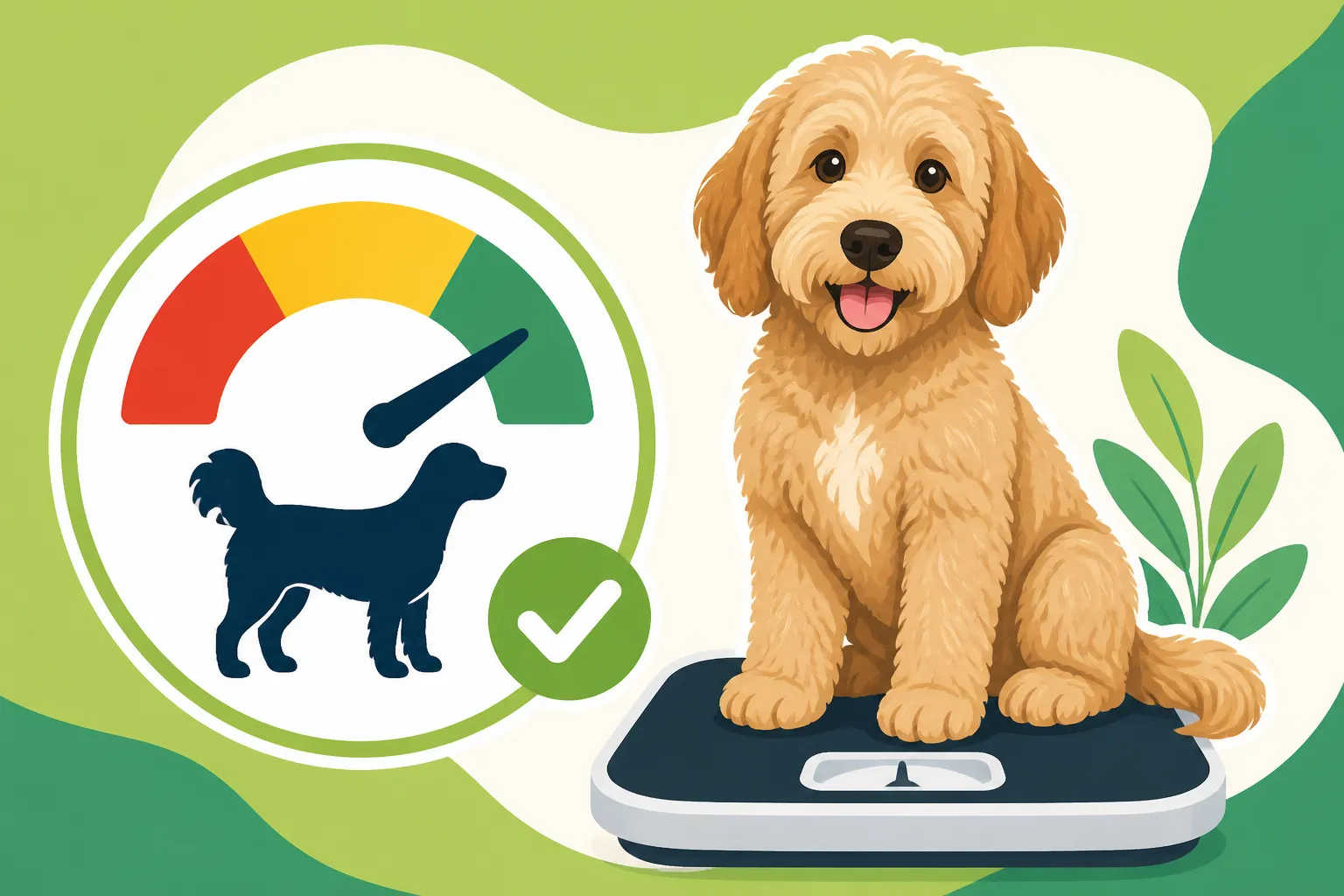
Body Condition Scoring (BCS) is a standardized way for veterinarians and owners to assess a dog’s fat reserves and muscle mass, providing a more accurate picture of their weight status than just pounds or kilograms. It’s usually on a 9-point scale, where 1 is emaciated, 5 is ideal, and 9 is morbidly obese. Think of it as feeling for their frame under all that fluff.
An ideal body condition (a 4 or 5 on a 9-point scale, or a 2.5-3 on a 5-point scale) means you can easily feel your Labradoodle’s ribs without seeing them, their waist tucks in nicely when viewed from above, and there's an abdominal tuck when viewed from the side. You should also be able to feel their spine and hip bones without them protruding sharply. If you can’t easily feel their ribs, or they feel like they’re under a thick blanket of fat, they might be overweight. Conversely, if their ribs, spine, or hip bones are visibly prominent, they could be underweight.
Here’s a simplified guide to assessing your Labradoodle's body condition:
| Score | Description | What to Feel/See |
|---|---|---|
| 1-3 | Underweight | Ribs, spine, pelvic bones easily visible from a distance. No discernible fat. Obvious waist and abdominal tuck. |
| 4-5 | Ideal Weight | Ribs easily felt with slight fat cover, but not visible. Waist discernible when viewed from above. Abdominal tuck present. |
| 6-9 | Overweight | Ribs difficult to feel under thick fat cover. Waist absent or barely visible. No abdominal tuck, may be saggy. |
This table provides a quick reference, but remember, practicing with your vet is the best way to become proficient. Regular vet check-ups are essential for this. Many owners miss the subtle signs that The Weight a Labradoodle Puts On Without Anyone Noticing.
When to Consult Your Veterinarian
If you’re ever unsure about your Labradoodle’s weight or body condition, the best course of action is always to consult your veterinarian. They have the expertise to accurately assess your dog and rule out any underlying health issues that might be contributing to weight loss or gain. Unexpected changes in weight can sometimes be a sign of a medical problem, such as thyroid issues or other metabolic conditions.
Your vet can help you create a tailored feeding plan, recommend appropriate exercise levels, and even suggest dietary changes if needed. They might also suggest specific supplements, like joint support, if your Labradoodle is carrying extra weight and putting strain on their joints, especially as they get older. When it comes to health, a good pet insurance plan, like one from Healthy Paws, can really help cover these unexpected vet visits and ensure your Labradoodle gets the best care. Early intervention for weight issues can prevent more serious health problems down the road, and this proactive approach is something that can save you a lot of worry and expense.
Factors Influencing a Labradoodle's Weight
Maintaining an ideal weight for your Labradoodle is a dynamic process, influenced by a combination of genetics, diet, activity level, and even their age. It's a constant balancing act that requires attentive ownership and understanding of these key factors.
Diet and Nutrition: Fueling a Healthy Life
What you feed your Labradoodle is paramount to their weight and overall health. Not all dog foods are created equal, and choosing the right one requires some thought. High-quality dog food, appropriate for their age, size, and activity level, provides the necessary nutrients without excessive calories. For puppies, it’s crucial to follow guidelines for Feeding a Labradoodle Through Its Growth to support healthy development without rapid growth that can strain joints.
As they mature, the amount of food an adult Labradoodle eats daily will depend heavily on their individual metabolism and activity. Overfeeding, even slightly, can quickly lead to weight gain, especially with a breed that often has a strong appetite. Treats, while a wonderful training tool, also contribute to daily calorie intake, so remember to factor them into their overall diet. Many Labradoodles are quite food-motivated, a trait they often inherit from their Labrador side, which means they can be master beggars! It’s important to resist those puppy-dog eyes and stick to healthy portion sizes.
Exercise and Activity Levels
Labradoodles are generally energetic dogs that need a good amount of exercise to stay physically and mentally fit. Their activity level directly impacts their caloric needs. A Labradoodle that gets regular, vigorous exercise will naturally burn more calories and be less prone to weight gain than one who leads a more sedentary life. Think about daily walks, runs, fetch in the park, or even swimming – many Labradoodles love the water!
However, it's not just about running them ragged. The type and intensity of exercise should be appropriate for their age and physical condition. A young, healthy adult Labradoodle can handle more strenuous activity, but you might need to adjust for Exercise for a Stiff Old Labradoodle. If you notice your Labradoodle slowing down or struggling with activity, it’s a good idea to consult your vet. A good pet insurance policy, such as one from Healthy Paws, can be incredibly beneficial for covering expenses related to joint issues or other age-related conditions that might impact their ability to exercise.
Genetics and Predisposition to Weight Gain
While diet and exercise are major players, genetics also have a role. Some Labradoodles might inherit a predisposition to gain weight more easily than others. The Labrador Retriever side of their family tree, for instance, is known for being prone to obesity, with some studies even identifying a specific gene (POMC gene mutation) linked to increased appetite and fat storage in Labradors. This means your Labradoodle could potentially carry this trait, making them feel perpetually hungry and more likely to put on pounds if not managed carefully. Understanding Whether a Labradoodle Carries the Labrador Obesity Gene can provide insight.
This doesn't mean your Labradoodle is destined to be overweight, but it does mean you need to be extra vigilant about portion control and ensuring they get enough exercise. Regular monitoring of their body condition and consistent veterinary check-ups, which include weight assessments, are crucial for staying ahead of potential weight issues.
Maintaining a Healthy Weight for a Long, Happy Life
Helping your Labradoodle maintain a healthy weight isn't just about aesthetics; it's a cornerstone of their overall health and longevity. Overweight dogs are at a significantly higher risk for a myriad of health problems, from joint issues and diabetes to heart disease and certain cancers. On the flip side, being underweight can also indicate underlying health problems or insufficient nutrition. Your goal is to find that sweet spot for your individual dog and commit to it for their lifetime.
Establishing a Consistent Feeding Routine
Consistency is key when it comes to feeding. Establishing a regular feeding schedule – typically two meals a day for adult Labradoodles – helps regulate their metabolism and makes it easier to monitor their intake. Use a measuring cup to ensure accurate portion sizes, rather than just eyeballing it. This might seem like a small detail, but even a slight overestimation each day can add up to significant weight gain over time, especially when you're trying to keep Keeping a Labradoodle's Weight in Range.
If your Labradoodle tends to eat too quickly, consider a slow-feeder bowl or puzzle feeder. This not only helps prevent bloat by slowing down their eating but also provides mental stimulation. Remember to factor in all treats and chews into their daily calorie count. If you’re training, use small, low-calorie treats or even pieces of their regular kibble. For more specific guidance on daily caloric needs, you can look into How Much an Adult Labradoodle Eats Daily.
Tailoring Exercise to Age and Health
Just like humans, a Labradoodle's exercise needs change throughout their life. A young, bouncy puppy needs bursts of play and controlled exercise to protect their growing joints, while an adult typically requires 60-90 minutes of moderate to vigorous activity daily. This could include long walks, vigorous games of fetch, or even dog sports. For older Labradoodles, the focus shifts to maintaining mobility and muscle mass without overexertion. Whether an Old Labradoodle Still Needs Long Walks explores this topic in more detail.
Regular exercise not only keeps their weight in check but also contributes to their mental well-being, reducing the likelihood of destructive behaviors that often stem from boredom or pent-up energy. If your Labradoodle has any health conditions, such as arthritis, your vet can recommend exercises that are gentle on their joints. Hydrotherapy, for example, can be excellent for senior dogs or those recovering from injury.
Regular Veterinary Check-ups and Monitoring
Your veterinarian is your most valuable partner in maintaining your Labradoodle's ideal weight. Regular check-ups, ideally once a year for adult dogs and more frequently for puppies and seniors, allow your vet to monitor their weight, assess their body condition score, and detect any subtle changes that you might miss. These yearly screenings are crucial for overall health, as detailed in The Yearly Screening a Labradoodle Should Get.
During these visits, discuss your Labradoodle's diet, exercise routine, and any concerns you have about their weight. Your vet can provide personalized recommendations and adjustments as needed. If your Labradoodle does show Signs a Labradoodle Is Carrying Too Much Weight, your vet can help you implement a safe and effective weight loss plan. Having pet insurance, like a policy from Healthy Paws, can provide peace of mind, knowing that you're covered for unexpected health issues that might arise, including those related to weight management or the diagnosis of underlying conditions. Proactive care is the best way to ensure your beloved Labradoodle enjoys a full and vibrant life.
Disclaimer
This article is intended for informational purposes only and does not constitute veterinary advice. Always consult with a qualified veterinarian for any health concerns or before making any decisions about your Labradoodle's diet, exercise, or medical care. Individual needs may vary.