Centronuclear Myopathy in a Labradoodle’s Labrador Line
Finding out your beloved Labradoodle puppy might be facing a serious health challenge is one of the most heartbreaking experiences for any dog parent. Many of us fall in love with the breed's spirited nature and charming looks, often unaware of specific genetic conditions that can crop up, especially those inherited from one of their parent breeds. If you've just heard the term Centronuclear Myopathy, or CNM, you're likely feeling a swirl of fear and confusion. This comprehensive guide is here to shed light on what Centronuclear Myopathy means for a Labradoodle, where it comes from, how to recognize its signs, and what steps you can take to manage it and hopefully prevent it in future generations.
Understanding Centronuclear Myopathy in Labradoodles
Centronuclear Myopathy (CNM) is a genetic condition that primarily affects the skeletal muscles of dogs. It’s a bit of a mouthful, but essentially, it's a disorder where the muscles don't develop or function quite right, leading to a range of physical challenges for affected pups. For Labradoodle owners, understanding CNM is crucial because it stems directly from the Labrador Retriever side of their beloved canine companion's lineage. It's not something that just appears; it's written into their genetic code, passed down through generations.
What is CNM and How Does It Affect Dogs?
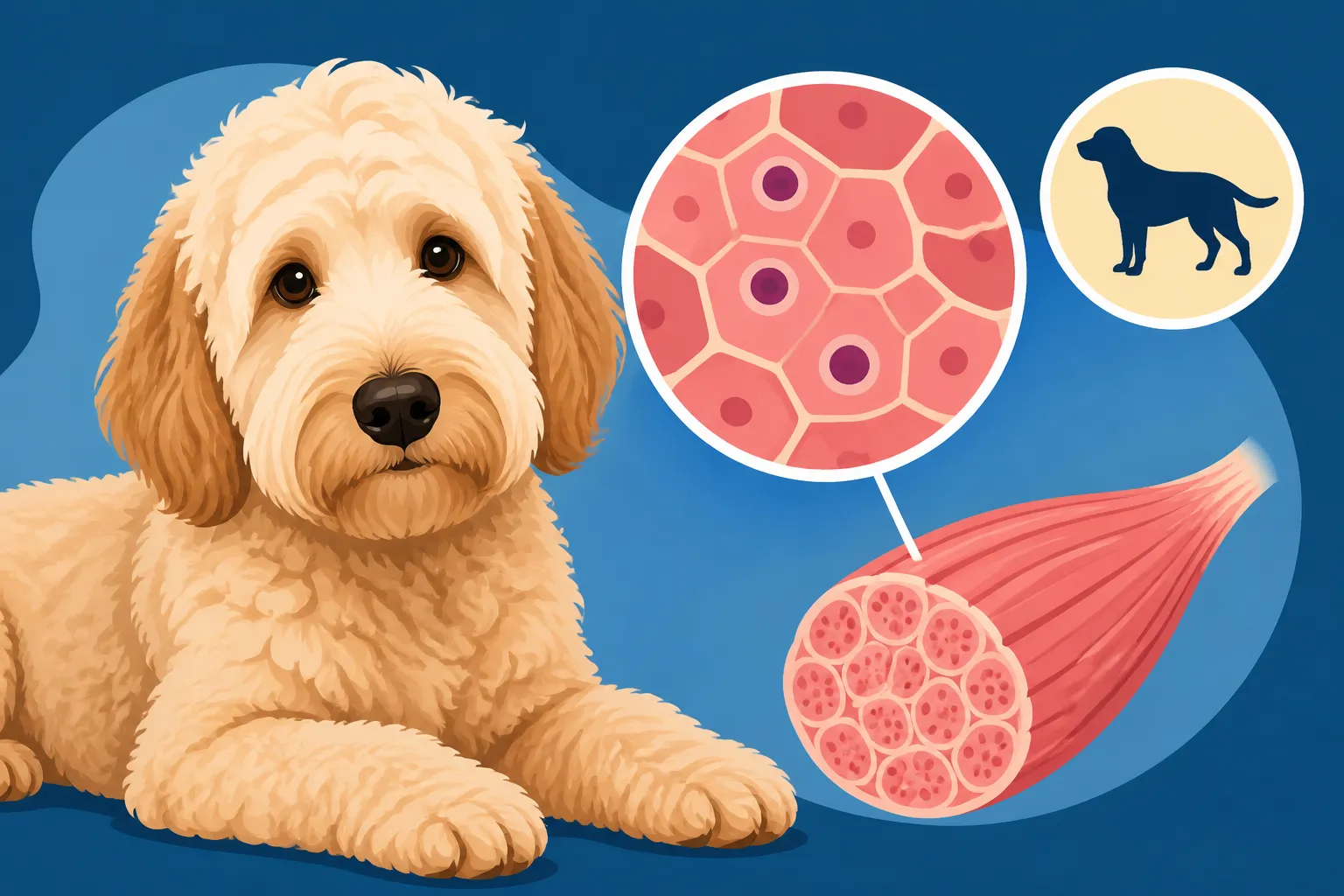
At its core, Centronuclear Myopathy is a muscular disease. Dogs with CNM often exhibit muscle weakness and a reduced tolerance for exercise, which can be particularly disheartening in a breed known for its energy and love of play. The condition is characterized by an abnormal arrangement of nuclei within muscle cells – they tend to cluster in the center, hence the "centronuclear" part of the name. This cellular oddity impairs normal muscle function, leading to a variety of symptoms that typically manifest early in life. Imagine a puppy that struggles with tasks that should be easy, like standing up or running with its littermates, and you start to get a picture of what CNM can look like. It's a progressive disease, meaning symptoms can worsen over time, though the rate of progression varies from dog to dog.
The Labrador Connection: Inherited from a Parent Breed
The direct link to Centronuclear Myopathy in Labradoodles comes from their Labrador Retriever heritage. This isn't a condition unique to Labradors, but it's one of the known genetic health concerns within the breed that can be passed on to their offspring, including Labradoodles. The Poodle side of the Labradoodle equation doesn't carry this particular genetic mutation, but if a Labrador parent is a carrier or affected, the Labradoodle puppies are at risk. This highlights why understanding the health history of both parent breeds is so incredibly important when bringing a Labradoodle into your home. It’s not just about getting a cute puppy; it's about getting a healthy one, and that starts with knowing where both sides of the family tree stand genetically.
How Labradoodles Inherit CNM: The Recessive Gene
CNM is inherited in an autosomal recessive pattern. What this means in plain English is that a dog must inherit two copies of the mutated gene – one from each parent – to actually develop the condition. If a dog inherits only one copy of the mutated gene and one normal gene, they won't show symptoms of CNM themselves, but they will be a "carrier." Carriers are healthy but can pass the mutated gene on to their own puppies. This is why a perfectly healthy-looking Labradoodle parent could unknowingly pass on the gene, leading to affected puppies if bred with another carrier. This recessive inheritance pattern is common for many genetic diseases, and it’s why responsible breeders are so diligent with The Health Tests a Labradoodle Breeder Should Show. Without proper testing, two carrier parents could produce a litter where 25% of the puppies are affected, 50% are carriers, and 25% are clear. It's a silent threat that can only be uncovered through genetic screening. For more information on this, you might want to look into Whether Two Carrier Parents Are a Problem in Labradoodles.
Recognizing the Signs of Centronuclear Myopathy in Your Labradoodle
Spotting the signs of Centronuclear Myopathy can be heartbreaking, especially when you're expecting a vibrant, energetic puppy. The symptoms typically begin to appear quite early in a Labradoodle's life, often between 2 to 5 months of age. As a new owner, you might initially dismiss some subtle signs as typical puppy clumsiness or a "lazy phase," but with CNM, these signs are persistent and often progressive, indicating a deeper issue with muscle function.
Early Onset Symptoms in Puppies
One of the most common early indicators of CNM is generalized muscle weakness. You might notice your Labradoodle puppy has difficulty standing up, or that they stumble more often than their littermates. Their gait might appear a bit awkward or "bunny hopping," especially in their hind limbs. They might struggle with stairs, or find it hard to lift their legs for house training outside.
Other signs can include:
- Exercise Intolerance: A puppy with CNM will tire much more quickly than expected for its age and breed. While Labradoodles are known for their playful energy, a CNM-affected pup might only manage short bursts of activity before needing to rest extensively. This isn't just a puppy being lazy; it's a physical limitation.
- Muscle Atrophy: Over time, the muscles, particularly in the limbs, can start to waste away or appear smaller than normal. This is due to the lack of proper muscle development and use. You might feel their legs are thinner, or notice a general loss of muscle mass despite adequate nutrition.
- Megaesophagus: In some cases, CNM can affect the muscles of the esophagus, leading to a condition called megaesophagus. This means the esophagus struggles to push food down to the stomach, causing the puppy to regurgitate undigested food. This can lead to aspiration pneumonia if food or liquid enters the lungs, making it a very serious complication. Signs include coughing, difficulty swallowing, and recurrent pneumonia.
- Trouble with Eating and Drinking: Due to weakness in facial and throat muscles, affected puppies might struggle to chew or swallow, leading to messy mealtimes and potential weight loss or difficulty gaining weight.
It’s truly tough to see your young pup struggle, and these subtle signs can easily be overlooked or misattributed. However, persistence in these symptoms should always prompt a visit to your veterinarian.
Progression and Severity: How CNM Affects Daily Life
The progression of Centronuclear Myopathy can vary. Some Labradoodles might show mild symptoms that plateau, allowing them a relatively normal, albeit managed, life. Others might experience a more severe and rapidly progressing form of the disease. As the condition advances, the muscle weakness can make routine activities incredibly challenging. Walking, running, jumping, and even just maintaining balance can become difficult. A dog that once loved to chase a ball might barely be able to walk a block.
For those with more severe cases, the impact on their quality of life can be significant. They might require special accommodations, like ramps to get on furniture or in and out of cars, or specific feeding strategies if megaesophagus is present. The constant struggle with physical tasks can also take an emotional toll on the dog, potentially leading to anxiety or frustration. Pet parents often have to adapt their entire lifestyle to support their furry friend, ensuring they remain comfortable and as mobile as possible. This is where Keeping a Labradoodle Sound Into Its Teens takes on a different meaning; it's about providing comfort and care for a potentially lifelong condition.
Differentiating CNM from Other Conditions
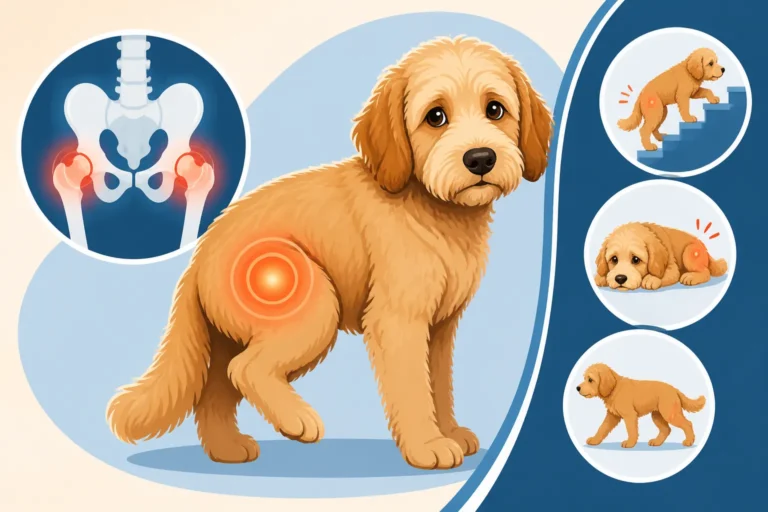
It's absolutely essential to get an accurate diagnosis, as CNM symptoms can sometimes mimic those of other common Labradoodle health issues. For example, general weakness or an unusual gait could be confused with developmental orthopedic problems like Signs a Young Labradoodle's Hips Are Failing or elbow dysplasia. Another condition that affects Labradoodles, particularly from their Labrador side, is Exercise Induced Collapse and the Labradoodle's Labrador Half (EIC), which also involves exercise intolerance. However, EIC episodes are typically triggered by intense exercise and resolve with rest, whereas CNM presents as more persistent, generalized weakness.
If your vet suspects a neurological or muscular issue, they will likely perform a thorough physical and neurological exam. They might also suggest specific tests to rule out other possibilities, such as blood work to check for electrolyte imbalances or thyroid issues, or imaging like X-rays to assess bone and joint health. The crucial next step in confirming or ruling out CNM is often genetic testing, which can provide a definitive answer by identifying the specific gene mutation responsible for the condition.
Diagnosing and Managing CNM in Labradoodles
When faced with a potential diagnosis of Centronuclear Myopathy, the path forward might seem daunting. However, with advancements in veterinary medicine, there are clear steps for accurate diagnosis and effective management to ensure your Labradoodle has the best possible quality of life. The key is early intervention and a strong partnership with your veterinary team.
The Role of Genetic Testing for Parents
The most definitive way to prevent CNM and to confirm its presence is through genetic testing. Reputable Labradoodle breeders should routinely screen their breeding dogs for known genetic conditions, including CNM. This is done through a simple DNA test, often a cheek swab or blood sample. The results indicate whether a dog is "clear" (no copies of the mutated gene), a "carrier" (one copy of the mutated gene), or "affected" (two copies of the mutated gene).
| Genetic Test Result | Meaning for the Dog | Implications for Breeding |
|---|---|---|
| Clear | Does not have the mutated gene; will not develop CNM. | Can be safely bred with any dog without risk of producing affected offspring. |
| Carrier | Has one copy of the mutated gene; will not develop CNM symptoms. | Can be bred with a "clear" dog; will produce no affected offspring, but 50% will be carriers. Should not be bred with another "carrier" or "affected" dog. |
| Affected | Has two copies of the mutated gene; will develop CNM symptoms. | Should not be bred, as all offspring would receive at least one copy of the mutated gene, and could be affected if bred to a carrier or another affected dog. |
As an owner, always ask your breeder for proof of genetic testing for both parent dogs. If one or both parents are carriers, they should not have been bred together to avoid producing affected puppies. This is a vital part of responsible breeding, and it's just as important as knowing about The prcd-PRA Test Both Labradoodle Parents Need or Hips and Elbows in a Sixty Pound Labradoodle.
Veterinary Diagnosis and Confirmation
If you suspect your Labradoodle has CNM based on the symptoms, your veterinarian will be your first point of contact. After a thorough physical examination and neurological assessment, they will likely recommend a definitive genetic test for your dog. This test will identify the specific mutation in the PTPLA gene that causes CNM. A positive genetic test confirms the diagnosis.
In some cases, especially if other muscle disorders are suspected, your vet might also suggest a muscle biopsy. This involves taking a small sample of muscle tissue for microscopic examination. In dogs with CNM, the biopsy would reveal the characteristic central nuclei in muscle fibers, supporting the genetic test results. While the genetic test is usually sufficient, a biopsy can provide additional information about the extent of muscle changes.
Living with CNM: Supportive Care and Management
Currently, there is no cure for Centronuclear Myopathy. However, management focuses on supportive care to maximize your Labradoodle's comfort and quality of life. This can involve a multi-faceted approach:
- Physical Therapy: Gentle, regular exercise tailored to your dog's capabilities can help maintain muscle mass and prevent contractures. Hydrotherapy (swimming) is often beneficial because it allows for exercise without putting excessive strain on joints. A certified canine physical therapist can develop a customized program.
- Nutritional Support: A high-quality diet that supports muscle health is important. If megaesophagus is a factor, special feeding techniques, such as feeding in an upright position or using a Bailey chair, and offering smaller, more frequent meals of a gruel-like consistency, might be necessary to prevent regurgitation and aspiration.
- Weight Management: Keeping your Labradoodle at an ideal weight is crucial to avoid putting extra strain on already weakened muscles and joints.
- Mobility Aids: For dogs with significant mobility challenges, products like ramps, slings, or even custom wheelchairs can help them navigate their environment and maintain independence.
- Regular Veterinary Check-ups: Consistent monitoring by your vet is essential to track the progression of the disease, manage any secondary complications (like aspiration pneumonia), and adjust supportive care as needed.
Dealing with a chronic condition like CNM can be financially challenging. This is where having pet insurance can be a real lifeline. Companies like Healthy Paws can help cover a significant portion of the costs associated with diagnostics, ongoing physical therapy, medications, and specialized care. It’s worth looking into a plan early on, even before symptoms appear, as many policies have waiting periods for pre-existing conditions. Proactive planning for potential health issues is always wise.
Preventing Centronuclear Myopathy: The Role of Responsible Breeding
The most effective way to combat Centronuclear Myopathy in Labradoodles is through diligent, responsible breeding practices. While a diagnosis can be managed, the ultimate goal is to reduce and eventually eliminate the incidence of this heartbreaking condition. This responsibility falls squarely on the shoulders of breeders, with informed buyers playing a crucial supporting role.
Breeder Responsibility: Mandatory DNA Testing
Any breeder serious about the health and well-being of their Labradoodle puppies will prioritize comprehensive health testing for all their breeding stock. For conditions like CNM, which have a known genetic marker, DNA testing is non-negotiable. Breeders should test both the Labrador Retriever and Poodle parents for CNM, even though the gene comes from the Labrador side. This ensures full transparency and allows them to make informed breeding decisions.
A responsible breeder will never breed two carrier dogs together, nor will they breed an affected dog. They might choose to breed a carrier dog with a clear dog, understanding that some puppies might still be carriers, but none will be affected by the disease. However, those carrier puppies should then only be bred with clear mates in the future, if at all. This careful selection process is vital for slowly phasing out the mutated gene from the breeding lines, ensuring healthier futures for Labradoodles. This kind of thoroughness is a key indicator of a good breeder, and contributes significantly to Whether Health Tested Parents Add Years to a Labradoodle.
Asking the Right Questions as a Prospective Owner
As a prospective Labradoodle owner, you have a powerful role to play in promoting responsible breeding. Don't be afraid to ask tough questions! A good breeder will welcome your inquiries and be transparent about their health testing protocols. Here's what you should specifically ask about:
- Genetic Health Clearances: Ask to see the official genetic test results for both parents for CNM (and other conditions like The Progressive Retinal Atrophy Labradoodles Are Tested For and The DNA Test That Clears a Labradoodle of EIC). These should be from reputable testing labs and clearly show "clear" status, especially for CNM carriers.
- Breeding Philosophy: Inquire about their overall breeding program. How do they select their breeding dogs? What steps do they take to ensure the health and temperament of their puppies?
- Puppy Health Guarantee: A health guarantee is common, but understand its specifics. Does it cover genetic conditions like CNM, and for how long?
- Parentage Information: Understand the lineage of the puppies. Knowing if the parents are F1, F1b, or multigen can sometimes give you a better idea of potential genetic risks, although comprehensive genetic testing is always the most important factor.
If a breeder seems evasive, can't provide documentation, or downplays the importance of genetic testing, it's a major red flag. There are many wonderful, ethical breeders out there, and it's worth the extra effort to find one who prioritizes the health of their dogs above all else. Remember, a cheap puppy now can lead to incredibly expensive vet bills and heartache later on. While pet insurance providers like Healthy Paws can help with unexpected costs, prevention is always the best strategy.
Impact on the Breed's Future
The collective efforts of responsible breeders and informed buyers are essential for improving the genetic health of the Labradoodle breed. By consistently testing for CNM and making smart breeding choices, the incidence of affected puppies can be dramatically reduced over time. This not only prevents suffering in individual dogs but also strengthens the breed as a whole. Every decision to breed a clear dog, or to choose a puppy from health-tested parents, contributes to a healthier future for Labradoodles.
It's a testament to the dedication of the Labradoodle community that many breeders are so committed to these health screenings. By continuing to educate ourselves and support those who adhere to the highest standards, we can ensure that future generations of Labradoodles are as robust and healthy as they are charming and loving.
Disclaimer
This article is intended for informational purposes only and does not constitute veterinary advice. Always consult with a qualified veterinarian for any health concerns or before making any decisions about your pet's care.