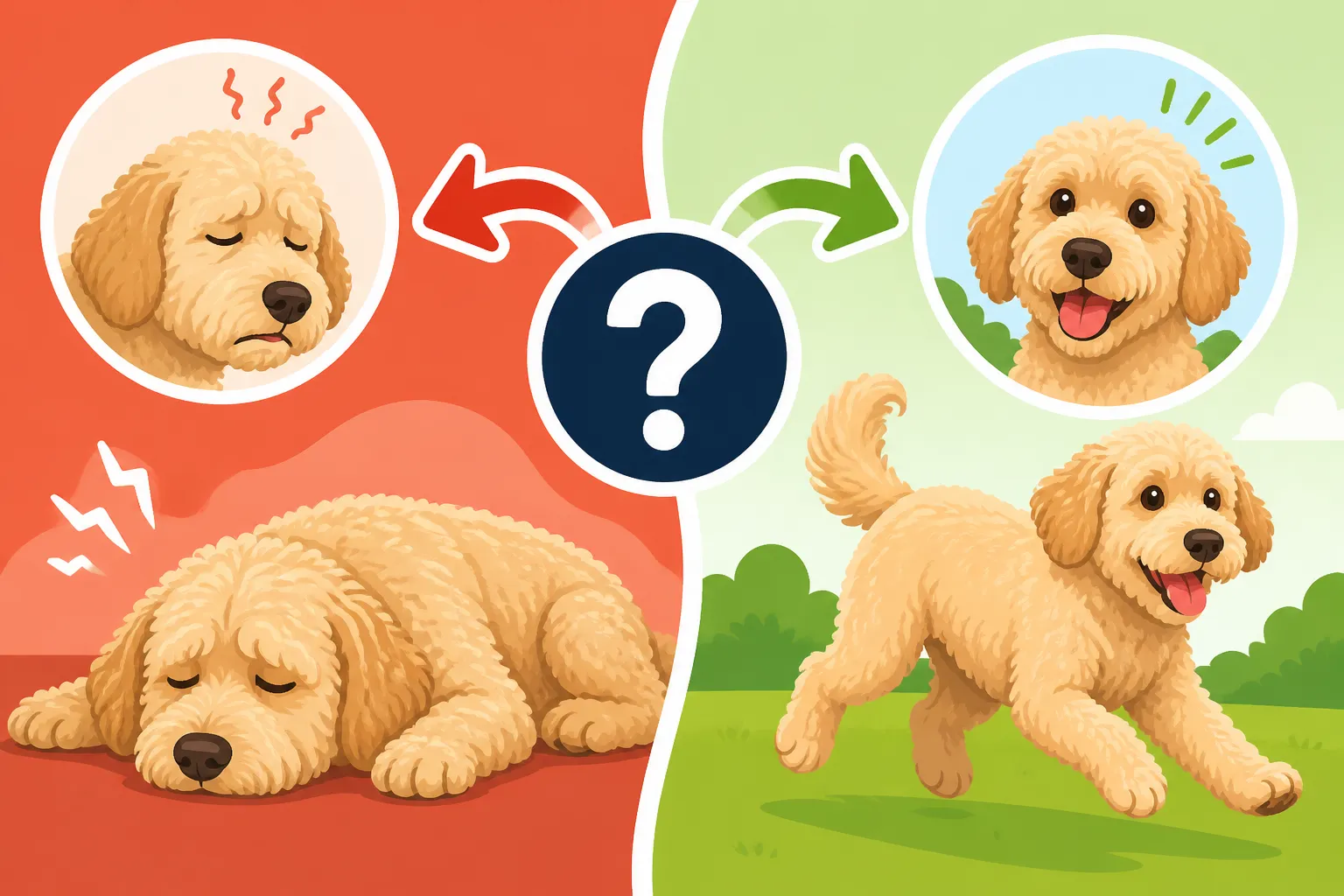
Whether a Collapsed Labradoodle Recovers on Its Own
Few things are more terrifying for a Labradoodle owner than watching their vibrant, happy dog suddenly lose coordination, stumble, or even completely collapse. It's a moment of pure panic, leaving you wondering what just happened, if they'll be okay, and most urgently, if they will just snap out of it. This guide is here to shed light on what causes a Labradoodle to collapse and, crucially, whether you can ever truly expect them to recover on their own without intervention.
Understanding Labradoodle Collapse: What Does it Even Mean?
When we talk about a dog collapsing, it's not always the dramatic, sudden fall that comes to mind. Sometimes, it's a more subtle but equally alarming loss of strength, a profound weakness that makes them unable to stand, or a wobbly gait that quickly progresses to them lying down, unable to get back up. For a Labradoodle, a breed known for its energy and zest for life, any such episode is a huge red flag that something is seriously wrong.
The Sudden Scare of a Collapsed Dog
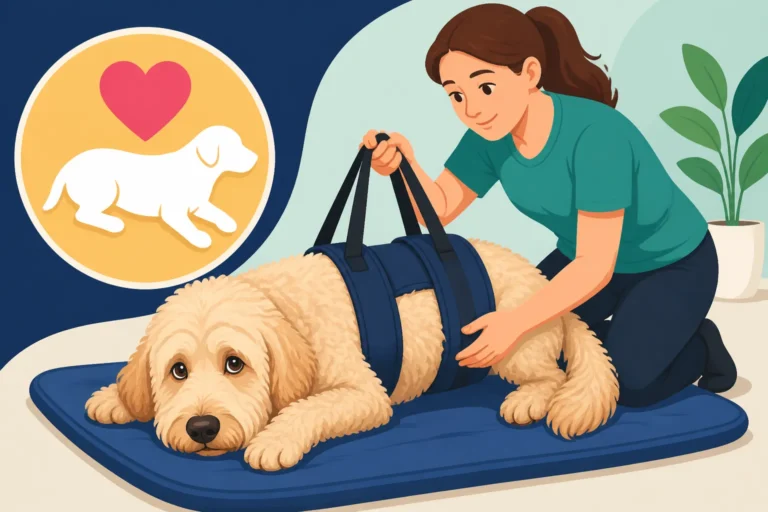
Imagine this: you’re out on a brisk walk with your Labradoodle, enjoying the sunshine. They're chasing a ball, full of their usual boundless enthusiasm, when suddenly, they stumble. You might think they just tripped, but then they try to get up and their back legs give out. They look disoriented, maybe even a little glazed over, and you find yourself scooping up a surprisingly heavy, limp dog. This immediate shift from energetic to incapacitated is what most owners mean by collapse, and it’s a deeply frightening experience.
The collapse can manifest in various ways, from a hind-end weakness where the back legs simply stop working, to a full-body sag where the dog becomes completely unresponsive for a short period. It can happen during intense exercise, after a period of excitement, or even seemingly out of the blue. The common thread is an acute, unexpected loss of physical control that leaves your Labradoodle unable to perform normal movements, and it’s a moment that can make your heart leap into your throat.
It's vital to recognize that your dog isn't just "being lazy" or refusing to walk. This is a physiological event, often signaling an underlying issue that needs immediate attention. The worry in that moment is overwhelming, and it’s completely natural to feel a rush of fear and confusion. Understanding what's happening is the first step toward effective action.
Differentiating True Collapse from Temporary Weakness
Sometimes, what appears to be a collapse might be a milder form of weakness or disorientation. Perhaps your Labradoodle seems incredibly tired after a long play session on a hot day, lies down, and is reluctant to get up, but can still respond to you and eventually move if coaxed. This could be simple fatigue or mild overheating. However, true collapse involves a more significant loss of motor control or consciousness, where your dog is genuinely unable to command their own body or respond normally to stimuli.
The distinction is important because while mild fatigue might resolve with rest and water, a true collapse often points to a more serious, urgent medical condition. For example, a sudden drop in blood pressure or a neurological event can look very different from a dog simply needing a break. Learning to observe the nuances—such as gum color, breathing rate, responsiveness, and how long the episode lasts—can provide crucial information to your veterinarian.
It's also worth noting that some dogs, particularly those genetically predisposed to certain conditions, might have subtle signs of weakness that escalate into a full collapse. What starts as a slight wobble might quickly become an inability to stand. Therefore, even if you suspect it's "just" temporary weakness, it's always better to err on the side of caution and consider it a serious event until a vet tells you otherwise. Your quick assessment can make a significant difference in the outcome.
Common Causes of Collapse in Labradoodles
Labradoodles, like all breeds, can be susceptible to certain health conditions that might lead to a collapse episode. Pinpointing the exact cause is crucial for proper treatment and prevention, and often, it's not something that can be determined without veterinary diagnostics. However, understanding the common culprits can help you communicate effectively with your vet and advocate for your furry friend.
Exercise-Induced Collapse (EIC) in Labradoodles
One of the most well-known causes of collapse in active breeds, including Labradoodles due to their Labrador retriever heritage, is Exercise-Induced Collapse (EIC). This isn't just normal tiredness; it's a genetic neurological disorder where affected dogs experience a sudden, non-painful weakness and collapse after 5-20 minutes of strenuous exercise, particularly with high excitement.
Typically, an EIC episode begins with a wobbly, uncoordinated gait in the hind limbs, which progresses to complete weakness or paralysis in the back legs. Sometimes, all four legs are affected, and the dog may drag its hindquarters. While these dogs usually remain conscious and mentally alert, they cannot move. Recovery usually occurs within 5-25 minutes of rest, and they often appear completely normal afterward, which can be confusing for owners. However, without proper management, future episodes are likely. You can read more about The DNM1 Mutation Behind Labradoodle Collapse to understand the genetic basis. Exercising a Labradoodle That Carries EIC also offers insights into managing dogs with this condition.
It’s important to understand that EIC is not life-threatening if the dog is allowed to rest and cool down immediately, but continued exertion can worsen the condition and potentially lead to more severe issues like hyperthermia. Owners of Labradoodles involved in demanding activities or even just enthusiastic fetch sessions need to be particularly aware of the signs of EIC. A genetic test can definitively identify if your dog carries the gene for EIC, which is invaluable information for prevention.
Heatstroke and Overexertion
Beyond specific genetic conditions, simply pushing your Labradoodle too hard in warm weather or during intense play can lead to heatstroke or severe overexertion. Labradoodles often have thick coats, and their enthusiasm can make them ignore their body's signals to slow down, especially if they are retrieving or running intensely. This is why it’s so critical to understand Telling EIC From Heatstroke in a Labradoodle, as the symptoms can sometimes overlap but require different immediate interventions.
Symptoms of heatstroke include excessive panting, drooling, red gums, vomiting, diarrhea, and eventually, weakness, disorientation, and collapse. Unlike EIC, which typically involves neurological weakness without extreme body temperature changes initially, heatstroke is characterized by a dangerous rise in core body temperature. This can rapidly become a life-threatening emergency, leading to organ damage or even death if not addressed immediately.
Preventing heatstroke involves exercising your Labradoodle during cooler parts of the day, providing plenty of fresh water, avoiding strenuous activity in high temperatures or humidity, and ensuring access to shade. If you suspect heatstroke, immediate cooling measures (like wet towels on pressure points, a fan, and cool water—not ice-cold) and an emergency vet visit are paramount. Never underestimate the speed at which a dog can overheat, especially an active breed like a Labradoodle.
Other Health Conditions Leading to Collapse
While EIC and heatstroke are common, various other serious health issues can cause a Labradoodle to collapse. Cardiac problems, such as arrhythmias or structural heart defects, can lead to a sudden lack of oxygen to the brain and muscles, resulting in fainting or collapse. If your dog collapses during normal activity or without strenuous exercise, a heart condition might be a possibility.
Neurological disorders, including Epilepsy Recorded in Labradoodle Lines or other brain conditions, can also manifest as seizures, which often involve a period of collapse or loss of consciousness. Metabolic issues, such as dangerously low blood sugar (hypoglycemia), can also cause severe weakness and collapse, particularly in diabetic dogs or those with certain tumors. Even severe pain from an injury or a sudden illness can sometimes cause a dog to go limp and collapse due to shock.
Conditions like Addison's Disease a Labradoodle Inherits From the Poodle, often called the "great imitator" because its symptoms are so vague, can also lead to collapse in severe cases (known as an Addisonian crisis). This is a deficiency in adrenal hormones, and without diagnosis and treatment, it can be fatal. Given the diverse range of potential causes, any collapse episode in your Labradoodle warrants a thorough veterinary investigation.
Can a Labradoodle Recover from Collapse on Its Own?
This is the burning question for any owner witnessing their beloved Labradoodle collapse: will they just bounce back? The short answer, while perhaps not what you want to hear, is that true recovery rarely happens entirely on its own. While the immediate visible symptoms of collapse might subside, the underlying cause almost always requires attention.
The Immediate Aftermath and What to Watch For
In some instances, particularly with EIC, a Labradoodle might appear to "recover" after 5 to 25 minutes of complete rest. They might stand up, shake it off, and seem completely normal as if nothing happened. This quick return to normalcy can be deceptive, making owners believe the episode was an isolated incident or that their dog just needed a moment. However, this apparent recovery is merely the resolution of the acute episode, not a cure for the underlying condition.
What you're observing is the body's temporary reset, not a fundamental healing of the issue that caused the collapse. If the cause was EIC, without managing exercise intensity and excitement, your Labradoodle will likely experience another collapse during future strenuous activities. Similarly, if it was a mild case of overexertion, simply resting will help them regain strength, but it doesn't address future prevention or the potential for a more severe incident if they are pushed too hard again.
Therefore, even if your Labradoodle seems perfectly fine minutes after a collapse, consider the event a serious medical alert. Your dog needs to be seen by a veterinarian to identify the root cause, ensure there are no lingering effects, and develop a plan to prevent future episodes. Simply watching them "recover on their own" and hoping for the best is a risky approach.
When Immediate Vet Attention is Non-Negotiable
While some types of collapse might resolve quickly, there are specific signs that indicate your Labradoodle absolutely cannot wait and requires immediate emergency veterinary attention. These are situations where waiting for them to "recover on their own" could have dire, even fatal, consequences.
Seek immediate veterinary care if your Labradoodle:
- Loses consciousness or remains unresponsive for more than a few seconds.
- Has pale or blue gums and tongue, indicating a lack of oxygen.
- Is struggling to breathe or has very rapid, shallow breathing.
- Has an elevated body temperature (over 104°F or 40°C), suggesting heatstroke.
- Experiences seizures during or after the collapse.
- Shows signs of severe pain, such as crying, yelping, or guarding a body part.
- The weakness or inability to stand persists for more than a few minutes.
- Vomits repeatedly or has severe diarrhea.
In these scenarios, you should contact your emergency veterinarian immediately while en route. These symptoms suggest critical issues like severe heatstroke, cardiac arrest, major organ failure, or acute neurological events, all of which demand urgent professional intervention. Time is of the essence in such medical emergencies.
Managing Recovery and Preventing Future Episodes
Once your Labradoodle has been assessed by a vet and the cause of the collapse identified, the true "recovery" process begins, and it's a team effort involving you and your vet. For conditions like EIC, recovery management isn't about letting them "recover on their own," but about strict management. This means carefully monitoring exercise, avoiding specific What Triggers a Labradoodle's Collapse Episode, and ensuring they rest and cool down at the first sign of weakness.
For dogs diagnosed with heart conditions, epilepsy, or Addison's disease, recovery and prevention involve ongoing medication and regular veterinary check-ups. This might mean daily pills, monthly injections (like for Addison's disease), or specific dietary changes. These are not conditions a dog can "recover on its own" from; they require lifelong medical management to prevent future, potentially life-threatening, episodes.
Even in cases of simple overexertion or dehydration, the "recovery" involves you actively providing rest, rehydration, and then modifying future activities to prevent recurrence. This proactive approach ensures your Labradoodle can lead a happy, healthy life within their limitations. It's about empowering you as an owner with the knowledge and tools to keep them safe, rather than passively waiting.
The Role of Timely Diagnosis and Proactive Care
Waiting to see if your Labradoodle recovers from a collapse on their own is a gamble you really shouldn't take. Every collapse episode, no matter how brief, is a clear signal that something isn't right. Timely diagnosis is not just about treating the immediate crisis; it's about understanding the underlying vulnerability of your dog and implementing proactive strategies to safeguard their long-term health.
The Importance of a Vet Visit After Any Collapse
Even if your Labradoodle bounces back within minutes and appears perfectly normal, a veterinary examination is absolutely essential. What appears as a spontaneous recovery to you is often just a temporary return to baseline, leaving the underlying cause unaddressed. Your vet will conduct a thorough physical examination, listen to your detailed account of the event, and likely recommend diagnostic tests.
These tests could include blood work to check for metabolic imbalances, electrolytes, and organ function; an electrocardiogram (ECG) or ultrasound to assess heart health; or specific genetic tests, such as The DNA Test That Clears a Labradoodle of EIC, to rule out hereditary conditions. Without these diagnostics, you're merely guessing, and that puts your Labradoodle at risk for future, potentially more severe, episodes. Think of it as investigating a car breaking down – even if it starts up again, you wouldn't drive off without checking what caused the problem in the first place.
This vet visit is your opportunity to understand your Labradoodle's unique health profile and identify any predispositions. It allows your vet to formulate a precise diagnosis and a tailored management plan, ensuring that future collapses are either prevented entirely or managed effectively should they occur. Don't let a seemingly quick "recovery" lull you into a false sense of security; it's always better to be safe than sorry.
Health Testing and Prevention
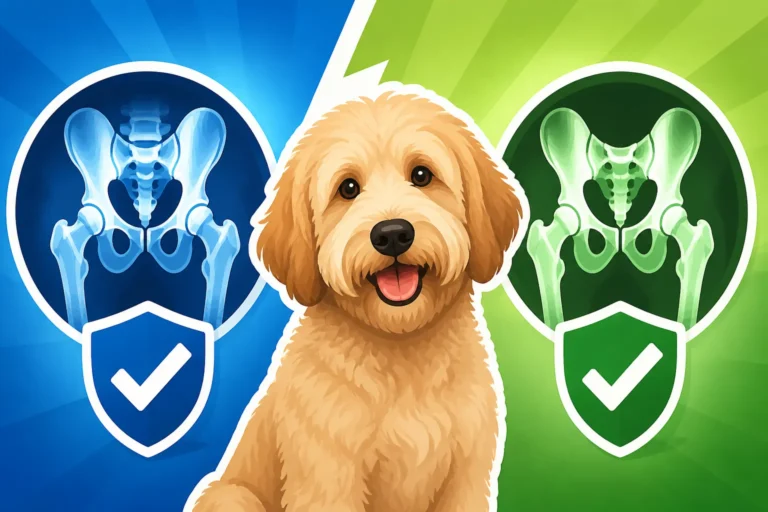
One of the most powerful tools in preventing collapse, especially from genetic conditions like EIC, is responsible breeding practices and pre-emptive health testing. Reputable Labradoodle breeders will conduct extensive health screenings on their breeding dogs, including DNA tests for EIC and other genetic disorders common in Labradors and Poodles. This is why knowing Whether Health Tested Parents Add Years to a Labradoodle is so crucial when choosing a puppy.
If you know your Labradoodle's genetic background, you might already have an idea of their predisposition. If not, your vet can recommend relevant screenings. For instance, if your Labradoodle is frequently active, a DNA test for EIC could provide invaluable information. If results show they are a carrier or affected, you can then implement strict exercise protocols to prevent episodes. This proactive approach allows you to tailor your dog's lifestyle to their genetic makeup, preventing distress for both of you.
Prevention also extends to everyday care: ensuring proper hydration, avoiding overexertion in heat, maintaining a healthy weight to reduce strain on their heart and joints, and providing a balanced diet. Being informed about common Labradoodle health issues empowers you to be an active participant in your dog's wellness journey, minimizing the chances of a sudden collapse.
Pet Insurance as a Lifeline
Facing a sudden medical emergency like your Labradoodle collapsing can be incredibly stressful, not just emotionally but financially. Diagnostic tests, emergency vet visits, and ongoing treatments for conditions like heart disease, epilepsy, or Addison's disease can quickly rack up substantial bills. This is where pet insurance can truly be a lifeline.
Companies like Healthy Paws offer comprehensive pet insurance plans that can cover a significant portion of unexpected veterinary expenses. Imagine the relief of knowing that if your Labradoodle collapses and needs emergency care, you can focus entirely on their well-being without the added burden of worrying about how to pay for thousands of dollars in diagnostics and treatment. Healthy Paws, for instance, is known for its quick claim processing and extensive coverage for accidents and illnesses, which would include conditions that lead to collapse.
Having pet insurance means you don't have to make agonizing decisions based on cost during an emergency. You can approve necessary tests and treatments, knowing that a good portion will be reimbursed. This proactive financial planning ensures that your Labradoodle receives the best possible care, allowing for a more complete and less stressful recovery. It’s an investment in peace of mind and your beloved dog's health.
Disclaimer
Please remember that this information is intended for educational purposes only and should not replace professional veterinary advice. If your Labradoodle has collapsed or is showing any concerning symptoms, contact your veterinarian or an emergency veterinary clinic immediately. Only a qualified veterinarian can properly diagnose and treat your pet.