Whether the Labradoodle Program Was Continued
It's completely understandable to wonder about the origins and continuation of something as beloved as the Labradoodle. Many people hear snippets about their history, especially the story of their creation as guide dogs, and then find themselves asking: what happened next? Did the original program keep going, or did something change? It’s a common point of confusion, especially when you see so many wonderful Labradoodles around today, seemingly everywhere. This guide is here to shed light on whether the initial Labradoodle breeding program was continued, tracing its path from its hopeful beginnings to its eventual, nuanced evolution.
The Genesis: A Specific Need for a Unique Dog
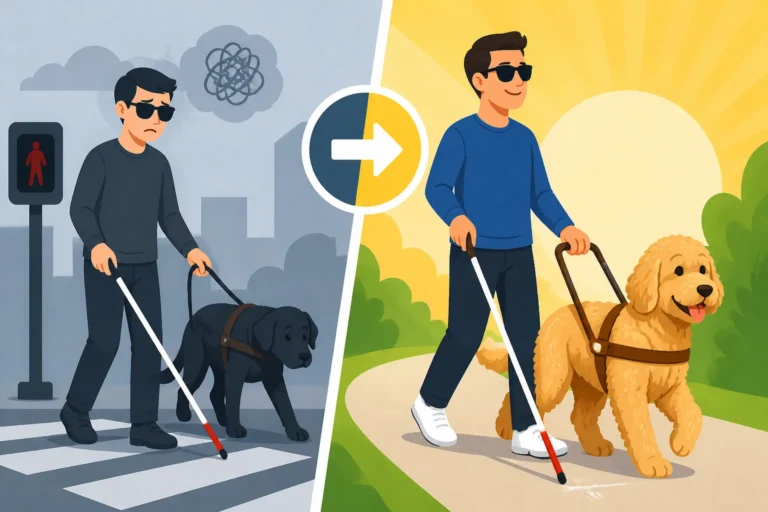
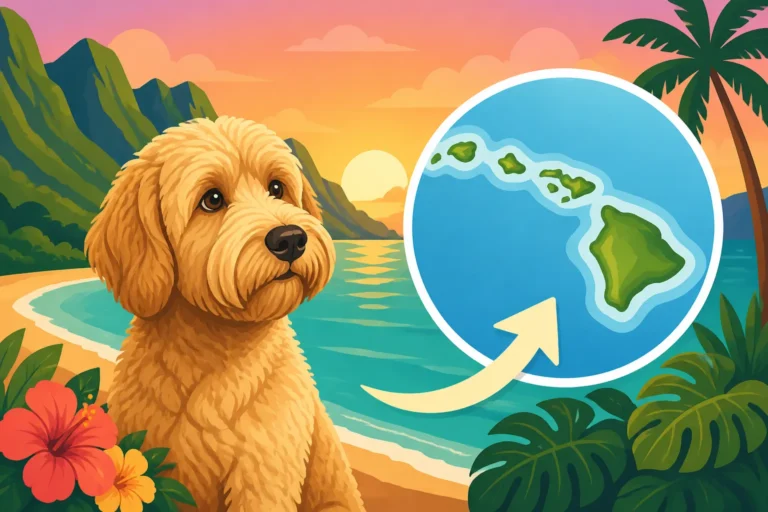
The Labradoodle’s story isn't just a tale of two breeds; it's a narrative born out of a very specific, deeply human need. Back in 1989, a woman in Hawaii, named Pat Blum, required a guide dog. What made her situation unique was her husband's severe allergies. This presented a significant challenge: how do you provide a life-changing service dog that won't trigger debilitating allergic reactions in the home? This pivotal question landed on the desk of Wally Conron, the breeding manager for the Royal Guide Dogs Association of Victoria in Australia. His mission was clear: create a hypoallergenic guide dog.
Conron, a visionary in canine breeding, understood the stakes. Guide dogs needed specific traits: intelligence, trainability, a calm temperament, and physical soundness. The Labrador Retriever was already a star in the guide dog world, known for its friendly disposition and excellent work ethic. The Standard Poodle, on the other hand, offered a non-shedding coat and impressive intellect. Combining these two seemed like a logical, albeit experimental, solution. The idea was simple yet revolutionary: cross the Labrador's aptitude for service with the Poodle's allergy-friendly coat. This careful, deliberate pairing was the very first step in what would become a global phenomenon.
The initial cross produced a litter of three puppies, and among them was Sultan, the dog specifically chosen for Pat Blum. Sultan proved to be a remarkable success, embodying the best traits of both parent breeds. He was intelligent, trainable, and, crucially, he didn't trigger Ms. Blum's husband's allergies. This early triumph was a powerful validation of Conron's innovative approach and the potential of the Labradoodle. This successful pairing sparked immense interest, proving that such a cross could indeed meet a critical need. You can read more about The 1989 Cross That Made the First Labradoodle.
The Royal Guide Dogs Program: Its Trajectory and Eventual Conclusion
While the initial success of Sultan was undeniable and immensely promising, the broader outcome of the Royal Guide Dogs' Labradoodle breeding program wasn't as straightforward as many might assume. The program’s goal was to consistently produce guide dogs with specific qualities: a non-shedding coat, excellent health, and the stable temperament required for service work. However, achieving this consistency across multiple litters proved to be a formidable challenge.
One of the biggest hurdles was the inherent genetic lottery of first-generation (F1) crosses. When you breed two different purebred dogs, the offspring can inherit a wide array of traits from either parent, or a mix of both, in unpredictable ways. This meant that while some F1 Labradoodles had the desired non-shedding, allergy-friendly coats and ideal temperaments, others did not. Some puppies shed just like a Labrador, while others had coats that were incredibly difficult to maintain, prone to matting, or not truly hypoallergenic. This variability made it incredibly difficult to guarantee the specific outcomes needed for guide dog work. The original vision was noble: Why a Guide Dog Had to Be Allergy Friendly.
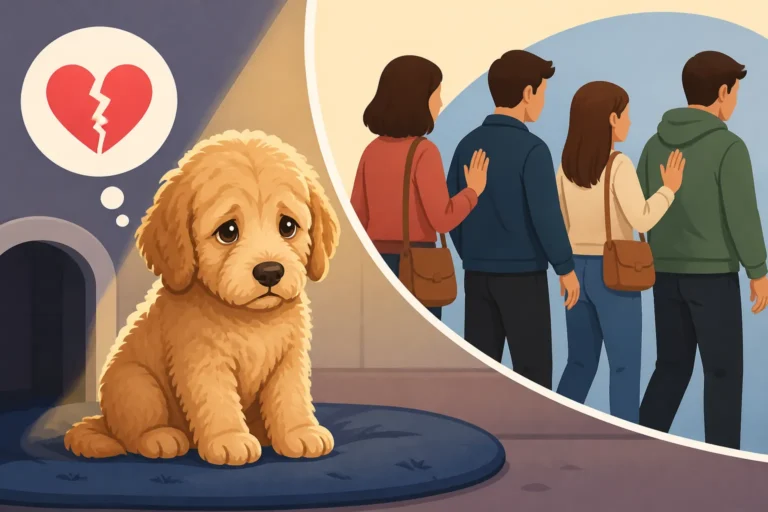
Wally Conron himself, the very person who spearheaded the creation of the Labradoodle, eventually expressed significant regret about the broader impact of his invention. He witnessed how the breed's popularity exploded, leading to a surge in backyard breeders and puppy mills eager to capitalize on the "doodle" craze, often without proper health testing or consideration for temperament. This unregulated breeding resulted in many Labradoodles that were unhealthy, had poor temperaments, or coats that were far from allergy-friendly. Conron's regret stemmed from seeing his carefully conceived working dog become a trendy pet, often at the expense of its welfare and the original purpose. He famously stated, years later, that creating the Labradoodle was one of his life's biggest regrets because of how breeders capitalized on the name without upholding the integrity of the initial mission. It's a sobering thought that the very person who launched the breed had such strong feelings, as discussed in Wally Conron and the Labradoodle He Regrets. Ultimately, the Royal Guide Dogs Association of Victoria discontinued its dedicated Labradoodle breeding program. They found that the unpredictable nature of the F1 cross, particularly regarding coat type and temperament consistency, made it too challenging to reliably produce the specific qualities required for their demanding guide dog work on a large scale. They returned to breeding purebred Labradors and Golden Retrievers, which offered more predictable outcomes for their programs.
The Evolution Beyond the Original Program
While the Royal Guide Dogs program may have ceased its involvement, the Labradoodle story was far from over. The initial concept of a low-shedding, intelligent, and friendly companion had resonated deeply with the public, and demand for these unique dogs continued to skyrocket. This created a vacuum that independent breeders quickly filled, marking a significant shift in the Labradoodle's trajectory. These breeders, however, often operated without the strict guidelines or overarching goal of a service dog organization.
Initially, many independent breeders focused on producing F1 (first-generation) Labradoodles, simply crossing a Labrador Retriever with a Standard Poodle. The appeal was obvious: the chance of a "designer dog" with the best of both worlds. However, this also perpetuated the very unpredictability that the guide dog program had faced. Owners often found themselves with puppies that shed significantly, had diverse coat textures (from straight hair to tightly curled wool), or temperaments that leaned heavily towards one parent breed or the other, rather than the ideal blend. This variability meant that buying an F1 Labradoodle was often a bit of a gamble, especially for those seeking a truly hypoallergenic pet. The coat gamble is a very real concern for buyers, as explored in Whether an F1 Labradoodle's Coat Is a Gamble.
The burgeoning popularity also led to a significant problem: the rise of less scrupulous breeders. Without a governing body or a breed standard, anyone with a Labrador and a Poodle could, and did, breed "Labradoodles." This often meant a lack of health testing for common genetic conditions in both parent breeds (like hip and elbow dysplasia, eye conditions, and certain inherited diseases), leading to health problems in puppies. It also meant a disregard for temperament, which can lead to behavioral issues in adult dogs. Many new owners, drawn in by the allure of the breed, were unprepared for the grooming demands of a curly coat or the high energy levels of a young Poodle/Labrador mix. This widespread, unregulated breeding made it very difficult for potential owners to find a truly well-bred, healthy, and stable Labradoodle. Organizations like Chewy offer a wide range of products for caring for dogs, but even the best supplies can't compensate for poor breeding practices.
The Rise of the Australian Labradoodle: A New Direction
In response to the inconsistency and unpredictability of the early Labradoodle crosses, a new, more structured approach emerged: the Australian Labradoodle. This distinct lineage was not a continuation of the Royal Guide Dogs' original program, but rather a separate, intentional effort by dedicated breeders in Australia, most notably Rutland Manor and Tegan Park, to develop a consistent breed. Their goal was to produce dogs that reliably possessed the desired non-shedding coats, excellent health, and stable temperaments suitable for assistance work and family companionship.
What truly differentiates the Australian Labradoodle is its multi-generational breeding and the inclusion of additional breeds. Over time, breeders infused other breeds like the English Cocker Spaniel, American Cocker Spaniel, and Irish Water Spaniel into the mix, aiming to stabilize desired traits and broaden the gene pool for health. This careful, selective breeding over many generations aimed to move beyond the genetic lottery of an F1 cross, striving for predictability in coat type, size, and temperament. The result is a dog that "breeds true" more often, meaning offspring are more likely to resemble their parents and have consistent characteristics. This distinction is crucial, as highlighted in discussions around What Makes a Labradoodle Australian.
Today, the Australian Labradoodle is supported by specific breed clubs, such as the Australian Labradoodle Association of America (ALAA) and the Worldwide Australian Labradoodle Association (WALA). These organizations maintain pedigrees, set breed standards (though not recognized by major kennel clubs like the AKC), and often require members to adhere to strict health testing protocols for their breeding dogs. While the Labradoodle as a whole remains largely unregistered by mainstream kennel clubs, which is further detailed in Why No Kennel Club Registers the Labradoodle, these breed-specific associations for Australian Labradoodles strive to bring structure and accountability to breeding practices. This allows prospective owners to seek out puppies from breeders who are transparent about health clearances and committed to maintaining the integrity of the Australian Labradoodle. For new puppy parents, finding everything from puppy pads to food and treats from trusted brands on platforms like Chewy can be a huge help when bringing home a well-bred Australian Labradoodle.
The Impact of Breed Clubs and Health Testing
The involvement of breed clubs like ALAA and WALA has been a game-changer for the Australian Labradoodle. While they don't grant full kennel club recognition, they provide a framework that was missing in the early days of independent Labradoodle breeding. These clubs typically require breeders to:
- Perform extensive health testing: This includes screening for genetic conditions common in Poodles, Labradors, and the other infused breeds, such as hip and elbow dysplasia, various eye conditions (like PRA), and inherited diseases like Von Willebrand's disease and Addison's disease. This is a crucial step towards producing healthier puppies. Checking a breeder's certificates for The prcd-PRA Test Both Labradoodle Parents Need and Hips and Elbows in a Sixty Pound Labradoodle is vital.
- Adhere to ethical breeding practices: This means focusing on temperament, proper socialization of puppies, and ensuring breeding dogs are of appropriate age and health.
- Maintain accurate pedigrees: Tracking lineage helps breeders make informed decisions about pairings, avoid inbreeding, and understand the genetic history of their lines.
For prospective owners, choosing an Australian Labradoodle from a reputable breeder who belongs to one of these clubs significantly increases the chances of acquiring a healthy, well-adjusted dog. This structured approach stands in stark contrast to the often unregulated landscape of standard Labradoodle breeding, where quality can vary wildly. It's a move towards ensuring the welfare and predictability of these wonderful dogs, making them more reliable companions for families and potentially for specialized assistance roles once again. When preparing for a new puppy, ensuring you have quality food, toys, and grooming supplies, perhaps ordered conveniently from Chewy, is essential for their well-being.
What Does This Mean for Today's Labradoodle Enthusiast?
So, if the original guide dog program didn't continue, what does that mean for you, the modern Labradoodle enthusiast? It means understanding that "Labradoodle" isn't a single, uniform breed, but rather a term that encompasses a wide spectrum of dogs. There are effectively two main paths:
- The Original-style Labradoodle (F1, F1b, etc.): These are often direct crosses between a Labrador Retriever and a Poodle, or backcrosses. Their traits can be more varied, especially in earlier generations. You might get a fantastic, non-shedding dog with a perfect temperament, or you might get a shedding dog with different energy levels. It’s more of a genetic toss-up. Many of these dogs are wonderful companions, but finding a responsible breeder who health tests and focuses on temperament is paramount. This can often be challenging due to the lack of a unifying registry or breed standard.
- The Australian Labradoodle: This is the line that has evolved into a more standardized type, with a multi-generational pedigree that includes other breeds beyond just the Labrador and Poodle. These dogs are generally more consistent in coat type (often fleece or wool, with lower shedding), temperament, and overall appearance. If you're looking for greater predictability, especially regarding coat type and hypoallergenic qualities, the Australian Labradoodle is generally the safer bet. This is where breed clubs and their standards come into play, offering a level of assurance. These clubs also help ensure that the unique coats, like The Three Labradoodle Coats: Hair, Fleece and Wool, are properly understood and managed.
Regardless of which type of Labradoodle you are considering, the most important takeaway is the critical need for responsible breeding. It doesn't matter if you're looking for an F1 or a multi-generational Australian Labradoodle; your focus should always be on the breeder. Ask about health testing, temperament screening of the parent dogs, and their socialization practices for puppies. A good breeder will be transparent, eager to answer your questions, and focused on the health and welfare of their dogs, not just profit. While there is no major kennel club registering the Labradoodle as a purebred, reputable breeders of both types exist and are dedicated to producing healthy, happy dogs. Don't forget to stock up on essentials like quality food, bowls, and grooming tools, readily available from online pet suppliers like Chewy, to support your Labradoodle's well-being.
The journey of the Labradoodle from a specific guide dog program to a popular companion animal is a fascinating one, marked by both intentional development and unpredictable outcomes. While the original program at Royal Guide Dogs did not continue in its initial form, the demand for these delightful dogs spurred independent efforts that eventually led to the more standardized Australian Labradoodle. This evolution has given us the diverse and beloved Labradoodles we see today.
| Feature | Original Royal Guide Dogs Program (Discontinued) | Independent Labradoodle Breeding (F1, F1b, etc.) | Australian Labradoodle Breeding (Continued) |
|---|---|---|---|
| Primary Goal | Allergy-friendly guide dog | Companion pet, often capitalizing on demand | Consistent companion/assistance dog |
| Parent Breeds | Labrador Retriever x Standard Poodle | Labrador Retriever x Standard Poodle | Poodle, Lab, & Spaniel/Irish Water Spaniel |
| Generations | Primarily F1 | F1, F1b, F2, F2b (varied) | Multi-generational |
| Coat Consistency | Highly variable | Highly variable | More predictable (fleece/wool types) |
| Temperament Consistency | Variable | Variable | More predictable, stable |
| Health Testing | Rigorous for program dogs | Often inconsistent or lacking | Usually required by breed clubs |
| Formal Recognition/Clubs | No, specific program | No formal breed clubs or registry | ALAA, WALA (breed-specific organizations) |
| Current Status | Discontinued | Ongoing, wide variability in quality | Ongoing, structured development |
Final Thoughts on the Labradoodle's Enduring Appeal
Despite the original program's conclusion and the subsequent complexities in breeding, the Labradoodle's charm and intelligence have ensured its enduring popularity. They are often described as intelligent, eager to please, and wonderfully affectionate, making them fantastic family pets. However, it's crucial for prospective owners to remember that these traits don't appear out of thin air. They are the result of good breeding, early socialization, and consistent training. Whether you choose a Labradoodle from an F1 line or an Australian Labradoodle, due diligence on your part is key. Seek out breeders who prioritize health, temperament, and ethical practices. The future of these delightful dogs lies in the hands of responsible breeders and informed owners who understand their unique history and needs. This commitment is key to Keeping a Labradoodle Sound Into Its Teens and ensuring a long, happy life together.
Disclaimer
This article is for general informational purposes only and does not constitute professional advice. Laws, prices and regulations vary by location and change over time. Consult a qualified professional for guidance on your specific situation.