Whether the Labradoodle Made Guide Dog Work Easier
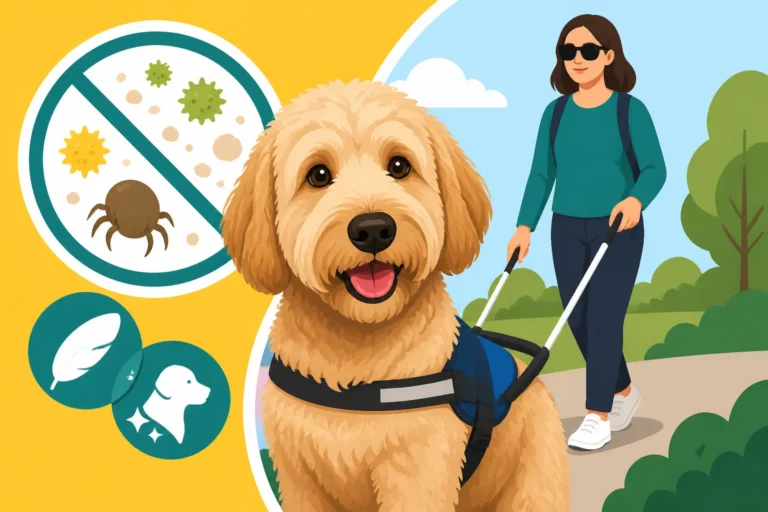
The yearning for independence is universal, and for those who rely on a guide dog, the choice of a canine partner is paramount. However, for individuals who also struggle with canine allergies, the dream of a furry guide has historically been fraught with frustration and disappointment, as most traditional guide breeds shed significantly. This guide delves into the fascinating and often misunderstood history of the Labradoodle's origin in guide dog work, exploring whether this innovative crossbreed truly made the demanding process of training and placing guide dogs easier, or if it introduced a new set of complexities.
The Urgent Need for Allergy-Friendly Guide Dogs
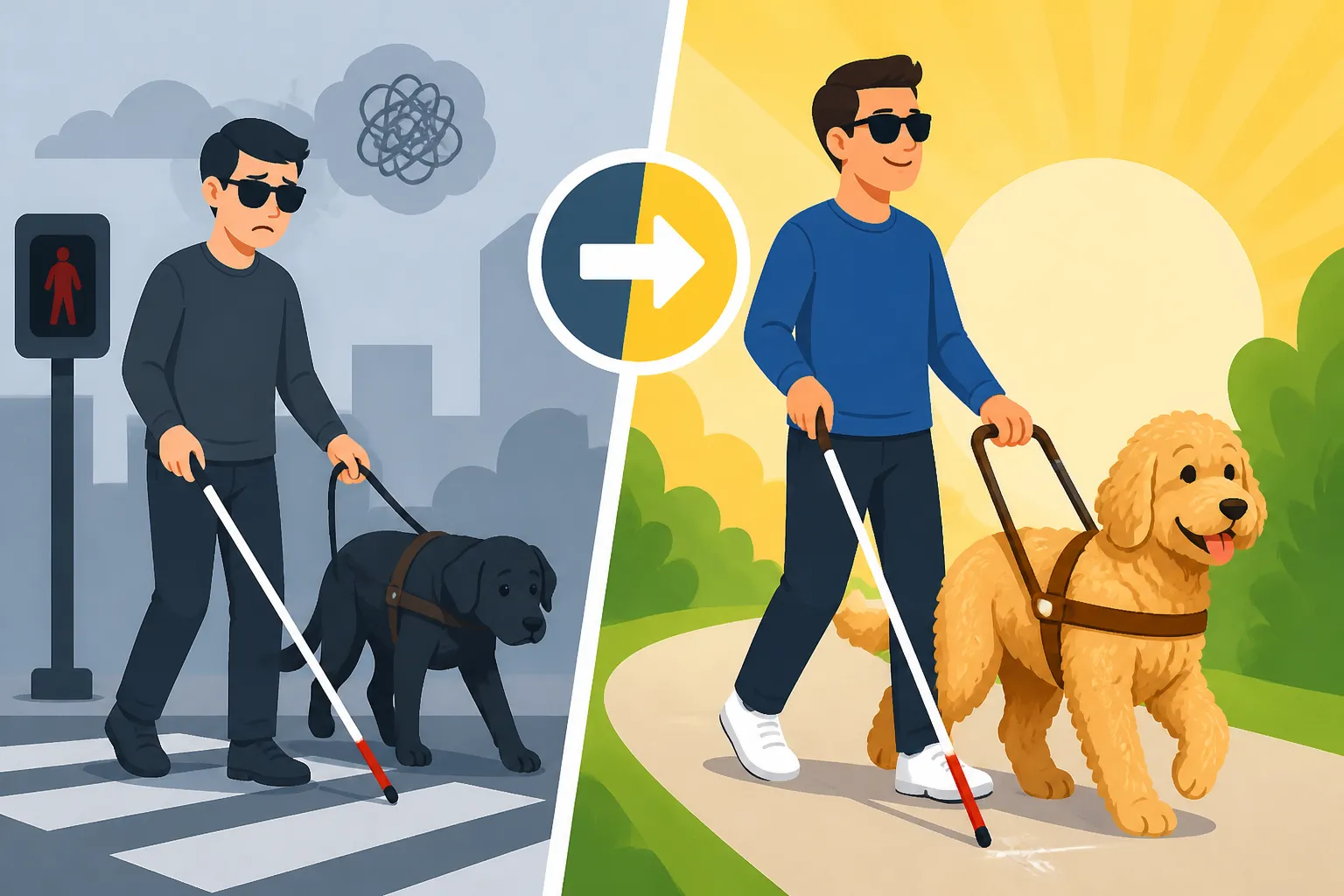
Before the Labradoodle burst onto the scene, the world of guide dogs was largely dominated by breeds like the Labrador Retriever, Golden Retriever, and German Shepherd. These dogs are incredible workers, renowned for their intelligence, biddability, and unwavering focus, making them perfect partners for individuals with visual impairments. Yet, there was a significant, heartbreaking gap in this system: what about those who needed a guide dog but were severely allergic to dog dander?
The Unmet Need for Allergy-Friendly Guide Dogs
Imagine facing the profound challenge of vision loss, knowing that a guide dog could unlock a new level of freedom and confidence for you, only to be told that your body’s own immune system makes that impossible. For decades, this was the harsh reality for many prospective guide dog users. Traditional guide breeds, with their double coats and regular shedding cycles, released dander and hair into the environment, triggering debilitating allergic reactions in sensitive individuals. This wasn't just a minor inconvenience; it could mean constant sneezing, itchy eyes, skin rashes, and even severe respiratory issues that would make living with a dog unbearable, let alone relying on one for critical mobility.
The frustration was immense. People often felt like they were being asked to choose between their health and their independence, a choice no one should ever have to make. Guide dog organizations, committed to serving as many people as possible, were acutely aware of this unmet need but lacked a viable solution within their existing breeding programs. The search was on for a dog that could combine the exceptional working qualities of a Labrador with a coat that wouldn't trigger allergies, a veritable holy grail in the guide dog world.
Wally Conron's Vision and the First Cross
Enter Wally Conron, a breeding manager for Guide Dogs Victoria in Australia in the late 1980s. He was faced with precisely this dilemma: a blind woman in Hawaii needed a guide dog, but her husband was severely allergic. None of their existing Labrador or Golden Retriever lines would work. Conron, a man clearly not afraid to think outside the box, conceived of an audacious idea: a cross between a Labrador Retriever, known for its excellent temperament and trainability, and a Standard Poodle, famous for its intelligence and, crucially, its low-shedding, often hypoallergenic coat. This was a revolutionary concept at the time, as crossbreeding for such a specific, high-stakes purpose was practically unheard of in the serious world of assistance dogs.
In 1989, Conron made the first intentional cross, pairing a Labrador female with a Standard Poodle male. The result was a litter of three puppies, and one of them, a dog named Sultan, would become the world's first Labradoodle. Sultan possessed the low-shedding coat they hoped for and, after extensive training, proved to be a capable guide dog for the woman in Hawaii. While Wally Conron and the Labradoodle He Regrets is a well-known story of his later reservations about the breed's commercialization, his initial intent was purely driven by the compassionate desire to meet a critical, previously unaddressed need for guide dog users. This single act sparked a global phenomenon and offered a beacon of hope to allergic individuals everywhere.
How the Labradoodle Was Supposed to Help
The vision for the Labradoodle in guide dog work was clear and compelling: to create a highly trainable, intelligent, and most importantly, allergy-friendly assistance dog. The promise it held for both guide dog organizations and potential users was immense, suggesting a path to easier placements and expanded services.
The Promise of a Hypoallergenic Coat
The primary, driving force behind the Labradoodle's creation was the hope of a truly "hypoallergenic" coat. The Poodle side of the cross was selected specifically for its curly, single-layer coat that sheds minimally, theoretically reducing the amount of dander and hair released into the environment. For someone with severe allergies, this wasn't just a preference; it was a non-negotiable requirement for being able to live with and work alongside a guide dog.
The term "hypoallergenic" itself is often misunderstood; it doesn't mean "zero allergens," but rather "reduced allergens." The idea was that the Labradoodle's coat would produce fewer allergic reactions, making it tolerable for those who couldn't be around typical shedding breeds. This promise felt like a miracle for people who had been denied the life-changing partnership of a guide dog due to their sensitivities. It meant opening up guide dog services to a whole new demographic, individuals who had previously been turned away with no alternatives. The possibility of receiving a dog that wouldn't trigger constant sneezing, itching, or even asthma attacks was a profound relief and a huge step forward in inclusivity for assistance dog programs. Whether a Labradoodle Is Truly Hypoallergenic dives deeper into the complexities of this claim.
Combining Desirable Temperaments and Intelligence
Beyond the coat, the Labradoodle also promised a perfect blend of the best traits from both parent breeds. Labradors are famously known for their biddability, their eager-to-please nature, and their stable, confident temperaments. These qualities make them exceptional working dogs, able to focus intently on their tasks and remain calm in distracting environments. Poodles, on the other hand, bring incredible intelligence, problem-solving skills, and a keen desire to learn. They are agile thinkers, quick to pick up new commands and adapt to various situations.
The ideal Labradoodle was envisioned as a dog that would inherit the Labrador's robust, unflappable working ethic and the Poodle's sharp mind and responsiveness. This combination, it was believed, would not only make them highly trainable but also incredibly adaptable to the diverse challenges a guide dog faces daily, from navigating busy city streets to calmly waiting in quiet offices. The theory was that this blend would result in a dog that could be trained more efficiently, potentially reducing the overall time and resources required for guide dog programs. This genetic cocktail was carefully considered to produce an animal perfectly suited for complex guide work, making the journey from puppy to working partner potentially smoother. The Temperament a Labradoodle Gets From Each Parent further explores this blend of traits.
The Reality Check: Unexpected Challenges in Guide Dog Programs
While the initial promise of the Labradoodle was incredibly exciting, the reality of working with this new crossbreed in a structured guide dog program brought a host of unexpected challenges. The complexities quickly became apparent, highlighting that even the best intentions can be met with unforeseen hurdles when dealing with genetics and living beings.
Unpredictability of First-Generation Crosses (F1 Labradoodles)
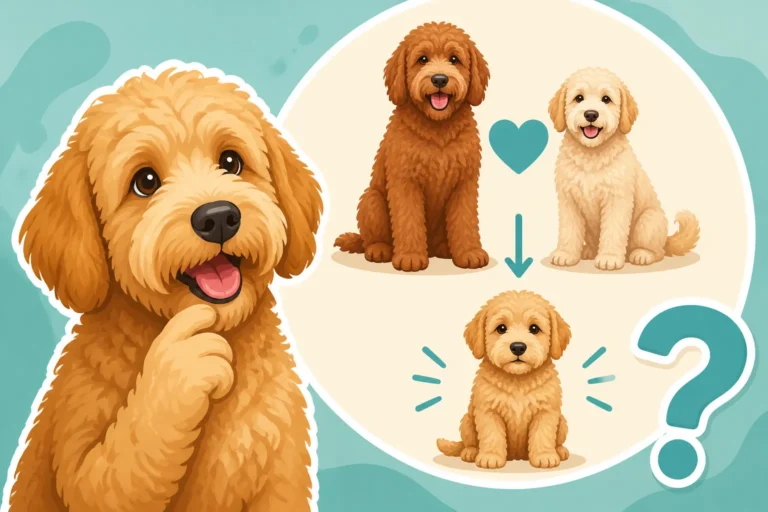
One of the most significant and immediate challenges faced by guide dog organizations was the inherent unpredictability of first-generation (F1) crosses. An F1 Labradoodle is the direct offspring of a purebred Labrador and a purebred Poodle. While some puppies in a litter might perfectly embody the desired traits – a low-shedding coat and a stable, intelligent temperament – others might not. It was a genetic lottery, and the odds weren't always in favor of producing a consistent line of guide dogs.
For example, a litter might include puppies with coats that shed almost as much as a Labrador's, rendering them unsuitable for allergic individuals. Then there were the temperaments; some F1 Labradoodles might inherit more of the Poodle's sensitive or higher-energy traits, making them prone to distraction or requiring a different training approach than the steadfast Labrador. Guide dog programs rely on highly predictable outcomes to ensure safety and effectiveness, and the F1 Labradoodle simply couldn't offer that consistency. Imagine a program breeding ten puppies, only to find that just one or two possess the right combination of all the necessary characteristics for guide work. This low success rate made it incredibly inefficient and resource-intensive. Understanding What F1 Means on a Labradoodle and Whether an F1 Labradoodle's Coat Is a Gamble really highlights this challenge.
Coat Maintenance Demands
Even when a Labradoodle did inherit a desirable low-shedding coat, it often came with a new set of responsibilities that added significant complexity rather than ease to guide dog work. The fleece and wool coat types, while beautiful and often less allergenic, are prone to matting. If not meticulously brushed daily, these coats can quickly become a tangled mess, leading to skin irritation, discomfort, and even infections. This required a level of grooming far beyond what was typically needed for a Labrador.
For guide dog organizations, this meant adding extensive grooming training for handlers and ensuring that future owners understood and were capable of maintaining such a demanding coat. For a visually impaired individual, the intricacies of line brushing a dense, curly coat down to the skin, or identifying mats, could be incredibly challenging, if not impossible. This also meant regular, often costly, professional grooming appointments. While tools from retailers like Chewy could help with home grooming, it still represented a substantial commitment of time and resources. The Three Labradoodle Coats: Hair, Fleece and Wool explains these coat types, and Why a Wool Coated Labradoodle Costs More to Groom truly illustrates the financial and time burden. This demanding upkeep meant that while the coat might have solved one problem, it created another that impacted the overall practicality of the dog as a working guide.
Temperament Inconsistencies
The third major hurdle was the variability in temperament. While the aim was to combine the best of both worlds, genetics don't always cooperate with ideals. Guide dogs require an incredibly specific and consistent temperament: calm under pressure, confident in new environments, highly focused on their handler, and unflappable in the face of distractions. They need to be biddable without being overly sensitive, and independent enough to make critical safety decisions, but always tuned into their handler's needs.
Unfortunately, many Labradoodles, while wonderful pets, simply didn't consistently meet these stringent criteria. Some dogs inherited a more nervous or distractible disposition, making it difficult for them to maintain the intense focus required for guiding a person safely through complex environments. Others might have had a higher prey drive or a more exuberant nature, which could pose challenges in public access settings. It's not to say that individual Labradoodles couldn't be excellent working dogs – indeed, many have been – but the proportion of Labradoodles consistently exhibiting the exact temperament profile required by guide dog programs was often too low to be economically viable. This inconsistency meant a higher "wash-out" rate during training, leading to wasted resources and time. What Washes a Labradoodle Out of a Program details the various reasons dogs might not make the cut, and temperament is a big one.
The Shift Away and Lessons Learned
The initial enthusiasm for the Labradoodle as the answer to the guide dog allergy problem eventually waned as guide dog organizations grappled with the realities of breeding and training these crossbreeds. The journey from groundbreaking concept to practical application revealed complexities that ultimately led to a significant shift in strategy.
Why Guide Dog Programs Mostly Moved On
The primary reason guide dog programs, including the very organization that created the Labradoodle, largely moved away from using them extensively was simply a matter of efficiency and consistency. While the Labradoodle proved the concept that a lower-shedding guide dog was possible, the unpredictable nature of first-generation crosses regarding coat type, temperament, and health made breeding them for consistent guide work incredibly resource-intensive. The high percentage of puppies that didn't meet the strict criteria for a working guide dog meant that a significant amount of time, money, and expert labor was invested for a relatively low return.
For an organization dedicated to providing safe and reliable partners for visually impaired individuals, predictability is paramount. They couldn't afford to gamble on a litter where only a fraction of puppies might succeed. The intensive grooming requirements also added an unforeseen burden on handlers and the organization itself, a burden that was not always practical for individuals who might have other disabilities or limitations. Ultimately, while the idea was brilliant, the practical execution for large-scale guide dog breeding proved to be more complicated than anticipated. Guide Dogs Victoria, Wally Conron's organization, eventually discontinued its Labradoodle program, opting for other strategies to address allergy concerns, or returning to their established purebred lines that offered greater consistency. Why Assistance Programs Moved Away From the Labradoodle delves deeper into these strategic decisions.
The Legacy of the Labradoodle in Assistance Work
Despite the challenges and the eventual shift away from widespread use in traditional guide dog programs, the Labradoodle left an undeniable and lasting legacy in the world of assistance animals. Its creation undeniably opened the door for critical conversations and extensive research into developing allergy-friendly service dogs. It validated the immense need for such animals and spurred innovation in breeding programs worldwide. The Labradoodle showed that thinking outside the box was necessary to meet diverse human needs.
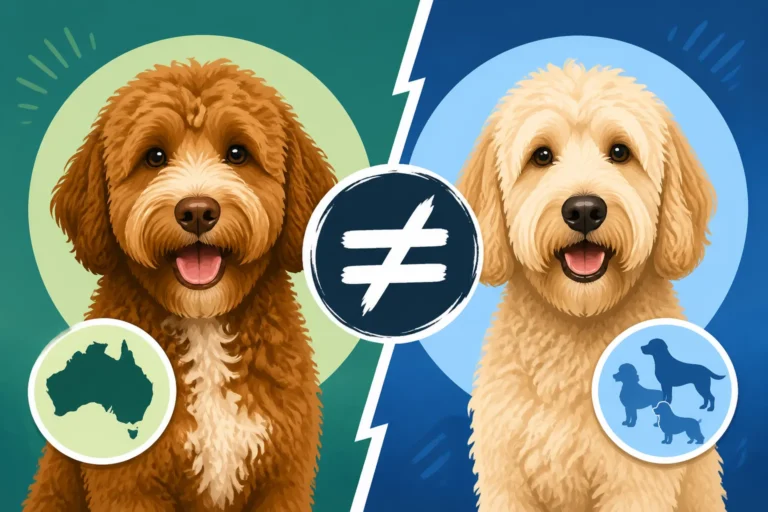
While purebred Labradoodles may not be as prevalent in traditional guide dog roles today, the breed (and its descendant, the Australian Labradoodle, which is a distinct breed developed with more consistency in mind) continues to excel in many other types of assistance work. Many Labradoodles serve as incredible therapy dogs, offering comfort and companionship in hospitals and schools. They make fantastic emotional support animals and can perform various tasks for individuals with other disabilities, such as mobility assistance or alerting tasks, where the public access requirements might be slightly different than those for guide dogs. Their loving nature, intelligence, and often appealing coats make them wonderful family companions, too. Owners often find themselves buying their Labradoodle's favorite toys and treats from pet supply stores like Chewy, a testament to how deeply loved these dogs are in homes across the country. The breed's initial purpose may have evolved, but its impact on making assistance dog concepts more inclusive and its role as cherished family members are undeniable. Whether a Labradoodle Still Makes a Working Assistance Dog explores these evolving roles.
The Labradoodle’s story in guide dog work is a powerful lesson in innovation, trial, and adaptation. It highlights the complexities of animal breeding for specific roles and the unwavering dedication of organizations committed to enhancing human lives through animal partnership.
| Aspect of Guide Dog Work | Traditional Guide Dog Breeds (Labrador, Golden Retriever) | First-Generation Labradoodle (F1) |
|---|---|---|
| Allergy-Friendly Coat | No (shedding, dander production high) | Variable (some low-shed, some shed like Labs) |
| Temperament Consistency | Very High (decades of selective breeding) | Variable (can be highly unpredictable) |
| Trainability | Very High (inherent biddability, focus) | High, but can be inconsistent in focus/sensitivity |
| Grooming Requirements | Low (seasonal shedding, basic brushing) | High (prone to matting, requires daily brushing/professional grooming) |
| Success Rate in Programs | High (predictable traits, lower wash-out rate) | Lower (higher wash-out rate due to variability) |
| Cost & Resources for Programs | More efficient (predictable breeding outcomes) | Less efficient (higher investment for lower success rate) |
| Overall Ease for Guide Dog Programs | Generally easier (established, predictable lines) | More complex (unpredictability added challenges) |
Disclaimer
This article is for general informational purposes only and does not constitute professional advice. Laws, prices and regulations vary by location and change over time. Consult a qualified professional for guidance on your specific situation.