The Miniature Labradoodle Under Thirty Pounds
One of the most common dreams for aspiring Labradoodle owners is finding that perfect companion who embodies all the charming qualities of the breed but in a more compact, apartment-friendly package. However, navigating the world of "miniature" Labradoodles, especially when you're specifically hoping for one under thirty pounds, can feel like walking through a minefield of conflicting information and sometimes even misleading labels. This guide is here to cut through the confusion, helping you understand what truly defines a miniature Labradoodle and what to realistically expect when bringing home a smaller furry friend.
Understanding Miniature Labradoodle Size Categories
The world of Labradoodle sizing can be a bit like the Wild West – there's no single, universally agreed-upon standard, which can be incredibly frustrating when you're trying to pinpoint an exact size. Many people envision a small, cuddly companion when they hear "miniature," but the reality often involves a range of weights and heights. It's crucial to understand these variations to avoid disappointment or, worse, bringing home a dog that quickly outgrows your expectations for a truly pint-sized pal.
The 'Miniature' Label: A Spectrum, Not a Strict Standard
When you see a Labradoodle advertised as "miniature," it usually implies a dog that is smaller than the standard size, but the actual weight and height range can vary significantly from breeder to breeder. Some might consider a dog miniature if it's anywhere from 25 to 40 pounds, while others have a tighter definition closer to 15-30 pounds. This broad spectrum means that a "miniature" from one kennel might be a "medium" to another, and this is where understanding the true genetic background becomes paramount. There's no official kennel club standard for the Labradoodle, so breeders often set their own guidelines, making it essential to do your homework and ask precise questions.
It's also worth noting that breeders often strive for a range, not an exact weight. Factors like gender, litter size, and even individual puppy genetics can cause variations. So, while a breeder might aim for puppies in the 20-30 pound range, you could still end up with an individual that leans towards the higher or lower end of that scale, or even slightly outside it. Understanding The Three Labradoodle Sizes and How They Are Set is a great first step, but remember that even within the miniature category, there's a lot of wiggle room.
The Importance of Parentage in Predicting Size
The most reliable indicator of a puppy's adult size is the size of its parents. For a Labradoodle to truly be miniature, especially under thirty pounds, at least one of its parents, and often both, must be on the smaller side. This usually means a Miniature Poodle is involved. If a breeder is using a Standard Poodle or even a larger Miniature Poodle, the chances of consistently producing puppies under thirty pounds decrease significantly. Always ask to see the parents, or at least photos and their approximate weights and heights. A reputable breeder will be transparent about their breeding pairs and their expected size outcomes.
Additionally, the generation of the Labradoodle matters. An F1 (first generation) Labradoodle, a direct cross between a Labrador Retriever and a Poodle, can be more unpredictable in size due to the wide genetic variation. Later generations, like F1b (Labradoodle bred back to a Poodle) or multi-generational Labradoodles, especially those bred specifically for size, tend to be more consistent. Breeders carefully select smaller Labradoodles and Miniature Poodles over several generations to achieve a more predictable miniature size.
Growth Charts and Breeder Estimates: Are They Reliable?
Many breeders will provide puppy weight estimates or even growth charts, often based on the puppy's weight at a certain age. These can be helpful tools, but they are not infallible. A puppy's growth rate can be influenced by diet, exercise, and even individual genetics. While a small puppy at eight weeks might indeed grow into a miniature adult, there are always exceptions. Some puppies have a growth spurt later, while others mature earlier. It's important to view these charts as guidelines rather than guarantees.
A good breeder will be upfront about the potential for variance. They won't promise an exact weight, but rather a reasonable range based on their breeding lines. If a breeder guarantees a specific weight, especially one at the extreme low end of the miniature scale, it might be a red flag. Remember, puppies continue to grow and develop until they are around 12-18 months old, with larger dogs often taking longer to fully fill out. Factors such as whether a puppy is getting adequate nutrition, perhaps from a high-quality brand like Chewy's selection of puppy foods, can also influence its growth curve, but genetics play the starring role.
Genetics Behind a Small Labradoodle
The quest for a truly small Labradoodle is fundamentally a genetic one. It's not just about choosing the smallest puppy in a litter; it's about understanding how the traits of the parent breeds combine and how breeders work to achieve specific size goals. This knowledge empowers you to ask the right questions and make an informed decision when searching for your ideal miniature companion.
The Poodle's Influence on Miniature Size
The Poodle half of the Labradoodle equation is almost entirely responsible for the miniature and toy sizes we see. Labrador Retrievers are consistently medium to large dogs, so any significant reduction in size comes directly from the Poodle parent. Standard Poodles contribute to the larger Labradoodle sizes, while Miniature Poodles, and sometimes even Toy Poodles, are used to create the smaller variants. A Miniature Poodle typically weighs between 10-15 pounds, while a Toy Poodle can be as small as 4-6 pounds. When these smaller Poodles are bred with a Labrador (or a Labradoodle of suitable size), their genes pull the offspring's size down.
Breeders aiming for Labradoodles under thirty pounds will almost exclusively use Miniature Poodles, and often very small Miniature Poodles, in their breeding program. It's also common to see an F1b cross, where an F1 Labradoodle (50% Poodle, 50% Labrador) is bred back to a Miniature Poodle. This increases the Poodle percentage, typically to 75% Poodle and 25% Labrador, which generally results in a smaller, often less shedding dog. Understanding The Poodle Crosses That Came Before the Labradoodle can give you an even broader perspective on how breeders have historically worked with Poodle genetics to create desired traits.
When a Labrador Contributes to a Smaller Size
While the Poodle is the primary driver of miniature size, the Labrador side still plays a role, albeit a more indirect one. A Labrador parent or ancestor that naturally falls on the smaller end of the breed standard for Labrador Retrievers (which can range from 55-80 pounds) might contribute slightly to overall size reduction. However, a Labrador's genetic predisposition for a larger frame is strong, so relying solely on a small Labrador parent to produce a consistently tiny Labradoodle isn't a viable strategy for breeders.
In multi-generational breeding programs, breeders carefully select smaller Labradoodles for their breeding stock, meaning they might use Labradoodles that themselves are already scaled down. This process gradually selects for smaller genes from both sides, even if the original Labrador genes were for a larger dog. It's a slow and deliberate process, aiming to stabilize the desired traits, including size, over generations. The goal is to achieve a consistent miniature size without introducing other undesirable traits.
Hybrid Vigor and Size Predictability in Smaller Generations
Hybrid vigor, often cited in initial crossbreeds like the F1 Labradoodle, refers to the increased health and vitality seen in the offspring of two unrelated purebred parents. While it might contribute to general robustness, it doesn't directly guarantee a specific size. In fact, F1 Labradoodles can be the most unpredictable in terms of size and coat, as they receive a complete mix of genes from both the Poodle and Labrador, creating a wide spectrum of possibilities within a single litter.
For predictable miniature sizing, particularly for dogs under thirty pounds, breeders typically move beyond the F1 generation to F1b or multi-generational crosses. By breeding a Labradoodle back to a Miniature Poodle (F1b) or breeding two miniature Labradoodles together (multi-generational), breeders can 'stack' the genes for smaller size. This practice helps to create more consistent litters that are more likely to fall within the desired weight range. While the concept of Whether Hybrid Vigor Is Real in a Labradoodle is fascinating, for predictable size, especially a miniature size, careful selective breeding over generations is far more impactful than just the initial cross.
Health Considerations for Miniature Labradoodles Under Thirty Pounds
Bringing a smaller Labradoodle into your home means you'll enjoy a dog that might fit better on your lap or in smaller living spaces. However, it's vital to remember that miniaturization, while charming, can sometimes come with its own unique set of health considerations. While Labradoodles generally inherit a mix of health concerns from their parent breeds, the focus shifts slightly when dealing with a truly miniature dog under thirty pounds. Being aware of these potential issues allows you to be a proactive and responsible owner.
Orthopedic Concerns in Smaller Doodles
Even though miniature Labradoodles are smaller, they are not entirely immune to orthopedic issues. In fact, some conditions can be more prevalent in smaller breeds or crosses. Patellar luxation, commonly known as "slipping kneecaps," is one such concern. This is where the kneecap temporarily slips out of place, causing pain and lameness. While it can occur in any dog, it's often seen in smaller breeds. Reputable breeders should screen their breeding stock for this condition, alongside the standard hip and elbow evaluations, even if the parent Poodles are small.
Another consideration, although less common in true miniatures than in medium or standard sizes, is hip and elbow dysplasia. These conditions, where the hip or elbow joints don't form correctly, are more typically associated with the Labrador side of the lineage. However, even a smaller Labradoodle can still inherit these genetic predispositions. It's crucial that both Poodle and Labrador parents (or Labradoodle parents in later generations) have appropriate orthopedic clearances. Asking about Slipping Kneecaps in a Miniature Labradoodle should definitely be on your list of questions for any breeder you consider.
Dental Health and Crowding in Smaller Jaws
Smaller dogs, including miniature Labradoodles, often have more crowded mouths simply because they have the same number of teeth as a larger dog, but packed into a much smaller jaw. This crowding can lead to several dental problems. Food particles can get easily trapped between teeth, leading to plaque and tartar buildup at an accelerated rate. This, in turn, can cause gum disease (periodontal disease), tooth decay, and even infections that can spread throughout the body.
Regular dental care, including daily brushing, is not just a recommendation for smaller dogs; it's a necessity. Your vet will likely recommend more frequent professional dental cleanings than for a larger dog. Additionally, some miniature Labradoodles may retain their puppy teeth longer than they should. If these deciduous teeth don't fall out, they can further exacerbate crowding and lead to alignment issues. This is why addressing Whether a Miniature Labradoodle Has Crowded Teeth proactively with your vet from a young age is so important.
Other Conditions Common to Smaller Parent Breeds
While the Labrador parent contributes general robustness, the Poodle parent brings its own set of potential genetic conditions that can affect miniature Labradoodles. Beyond the orthopedic issues, conditions like Progressive Retinal Atrophy (PRA), a degenerative eye disease leading to blindness, and Addison's disease, an adrenal gland disorder, are concerns originating from the Poodle line. Even smaller Poodles can carry these genes, so genetic testing of the parent dogs is non-negotiable.
Another condition to be aware of, again more common in Poodles and smaller breeds, is Legg-Calve-Perthes disease, which affects the hip joint. While not as prevalent as patellar luxation, it's another reason why comprehensive health testing and transparent communication with your breeder are vital. When choosing a Labradoodle, regardless of size, you want a breeder who is doing their absolute best to screen for these conditions, giving their puppies the best possible start to a long and healthy life, potentially reaching The Fourteen Years With a Labradoodle Comes To and beyond.
Living with a Miniature Labradoodle: Lifestyle and Care
Bringing a miniature Labradoodle into your life is a joyful experience, but it's important to have realistic expectations about their daily needs, even if they are physically smaller. Don't let their compact size fool you into thinking their care requirements are automatically less demanding than their standard-sized counterparts. From exercise to grooming and training, these little Doodles still pack a punch in terms of personality and needs.
Exercise Needs for a Smaller but Energetic Doodle
One of the biggest misconceptions about miniature dogs is that they require less exercise. While a tiny Labradoodle won't need to run for miles like a marathon-training Labrador, they are still Labradoodles at heart – a cross of two active, intelligent breeds. The Poodle side, even miniature Poodles, are surprisingly athletic and need mental stimulation just as much as physical. A miniature Labradoodle, especially under thirty pounds, will likely have bursts of high energy. They love to play, chase balls, and explore.
Daily walks, playtime in a secure yard, and engaging indoor activities are crucial to keep them happy and prevent boredom-induced behaviors. A couple of short strolls around the block won't cut it. Aim for at least 30-60 minutes of active exercise daily, broken into sessions. Remember, a bored Labradoodle, regardless of size, can become a destructive one. Providing toys and puzzles, maybe some mental enrichment from Chewy's extensive selection of dog toys, can help. For more context on managing their energy, you might find guidance in The Exercise a Labradoodle Needs Before It Behaves.
Grooming Demands: No Less for a Smaller Frame
This is a critical point that many prospective miniature Labradoodle owners overlook. A smaller dog does not equate to less grooming. In fact, if your miniature Labradoodle has the coveted fleece or wool coat that many seek, their grooming needs will be just as intensive, if not more so, than a larger Labradoodle. These non-shedding (or very low-shedding) coats are prone to matting without diligent care.
You'll still need to commit to regular brushing, typically several times a week, down to the skin, using the correct tools. Professional grooming every 6-8 weeks is also a must to keep their coat healthy and tangle-free. Neglecting their coat, even a small one, can quickly lead to painful mats that require shaving. The expense and time commitment for grooming are significant for any Labradoodle, regardless of size. Understanding The Fleece Coat and Why Breeders Aim For It will illuminate why these coats, while desirable for allergy sufferers, are so high maintenance.
Training and Temperament in a Compact Package
Just like their larger cousins, miniature Labradoodles are intelligent and generally eager to please, making them highly trainable. However, their smaller size doesn't mean you can slack on training. Early socialization and consistent positive reinforcement training are essential. They can still develop behavioral issues like excessive barking, jumping, or leash pulling if not properly guided. A miniature Labradoodle can still manage to bowl over a small child, so teaching good manners from a young age is paramount.
Their temperament will largely be a mix of the Poodle's intelligence and sensitivity and the Labrador's friendly, outgoing nature. They tend to be very people-oriented, often forming strong bonds with their families, sometimes earning them the "Velcro dog" moniker. This affectionate nature is one of their most appealing traits, but it also means they thrive on companionship and can be prone to separation anxiety if not taught to be comfortable alone. Consider how a smaller, energetic dog might interact in your home. For families, questions like whether a miniature Labradoodle is too bouncy for a toddler are worth exploring before commitment.
Finding a Reputable Breeder for a Miniature Labradoodle
The journey to finding a miniature Labradoodle under thirty pounds should always lead you to a reputable breeder. This isn't just about getting a healthy puppy; it's about ensuring ethical breeding practices, transparency, and a commitment to the well-being of the dogs. Unfortunately, the popularity of "Doodle" breeds has also led to an increase in unscrupulous breeders and puppy mills, making your due diligence more important than ever.
| Aspect of Breeder | Reputable Breeder Practice | Less Reputable Practice |
|---|---|---|
| Health Testing | Provides verifiable results for hips, elbows, eyes (OFA, CERF, PennHIP), genetic tests (PRA, EIC, Addison's, etc.) for both parents. | Claims "vet checked" or "healthy parents" without specific test results. May only test for a few common conditions. |
| Parent Access | Allows you to meet both parents (or at least the mother) and see their living conditions. | Only shows pictures of parents or doesn't allow visits to their facility. |
| Transparency | Openly discusses breed-specific issues, potential challenges, and their breeding philosophy. | Avoids specific questions, focuses solely on desirable traits, or pushes for a quick sale. |
| Contract/Guarantee | Offers a detailed contract with a health guarantee, spay/neuter clause, and often a return policy. | No formal contract or a very vague "health guarantee" with many loopholes. |
| Puppy Care | Puppies are raised in a clean, stimulating environment, well-socialized, and typically stay with the mother until at least 8 weeks. | Puppies appear unsocialized, live in poor conditions, or are offered for sale too young. |
| Knowledge | Can answer detailed questions about the breed, generations, and specific genetic lines. | Limited knowledge beyond basic sales pitches, unable to explain genetic nuances. |
Verifying Parent Sizes and Health Testing
When seeking a miniature Labradoodle, the first and most critical step is to verify the size of the parent dogs. A reputable breeder aiming for an adult weight under thirty pounds will be able to show you the Miniature Poodle parent (or parents, if breeding multi-gen minis) and its exact height and weight. They should also be transparent about the Labradoodle parent's size. Don't be shy about asking for proof of height and weight for both sire and dam.
Beyond size, comprehensive health testing is non-negotiable. For a Labradoodle, this should include tests for hip and elbow dysplasia, eye certifications (like CERF or OFA Eye Certification Registry), and genetic tests for conditions like Progressive Retinal Atrophy (prcd-PRA), Exercise Induced Collapse (EIC), and Addison's disease. These tests should be done on both parents. A breeder claiming their dogs are "vet checked" is not enough; a vet check is a basic physical exam, not genetic screening. Always ask for specific certificates and be prepared to verify them. This due diligence is critical, as discussed in The Health Tests a Labradoodle Breeder Should Show.
What to Look For in a Breeder's Practices
A reputable breeder will be more interested in finding the right home for their puppies than making a quick sale. They will ask you many questions about your lifestyle, experience, and why you want a Labradoodle. This is a good sign that they care deeply about their puppies' future. They should also be eager to answer all of your questions, no matter how detailed.
Observe the environment where the puppies are raised. It should be clean, stimulating, and the puppies should appear well-socialized, curious, and comfortable with human interaction. Avoid breeders who have multiple litters available at once, can't show you where the puppies are kept, or offer to meet you in a neutral location like a parking lot. These are often signs of a puppy mill or a broker. A truly responsible breeder will also provide a contract outlining health guarantees, spay/neuter requirements, and a commitment to take the dog back if circumstances change. While there isn't one official body, some breeders might belong to organizations like the ALAA (Australian Labradoodle Association of America) or WALA (Worldwide Australian Labradoodle Association), and understanding What an ALAA Labradoodle Breeder Must Prove can offer insights into their standards, even if you're not getting an Australian Labradoodle specifically.
Avoiding Misleading Claims About "Teacup" or "Toy" Labradoodles
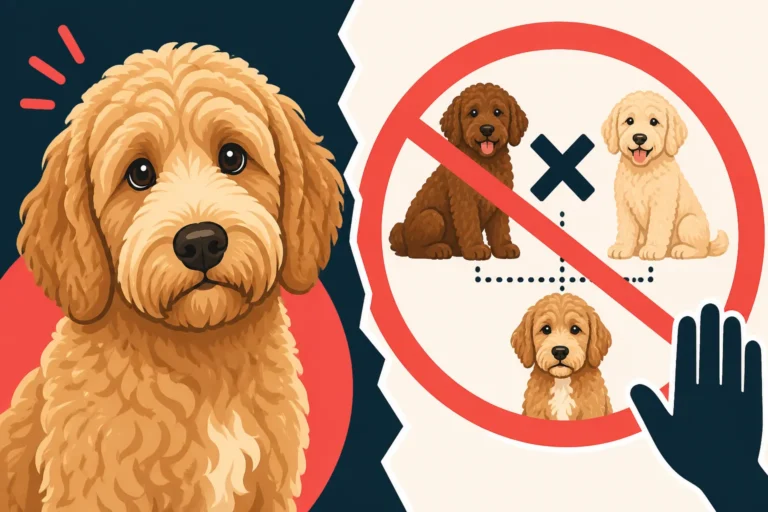
Be extremely wary of any breeder advertising "teacup" or "toy" Labradoodles, especially if they are promising sizes significantly smaller than the typical miniature range (i.e., well under 15 pounds). While Toy Poodles exist, breeding them with even a small Labrador or Labradoodle is very challenging to do ethically and safely, and the resulting puppies are often prone to severe health issues. These terms are often marketing ploys to charge exorbitant prices for puppies that are either sickly, runts, or simply miniature Labradoodles given a fancy, misleading label.
True miniaturization, especially to such tiny sizes, carries inherent health risks like fragile bones, hypoglycemia, and organ issues. Reputable breeders focus on health and temperament first, with size being a secondary goal achieved through careful, ethical breeding over generations. If a breeder seems more focused on the extreme smallness and price tag rather than the health and well-being of the puppy, it's a huge red flag. Stick to breeders who are transparent about their size goals and focus on the miniature range (typically 15-30 pounds), not impossibly small "teacup" sizes.
Disclaimer
This article is for general informational purposes only and does not constitute professional advice. Laws, prices and regulations vary by location and change over time. Consult a qualified professional for guidance on your specific situation.