The Multigen Program That Made the Australian Labradoodle
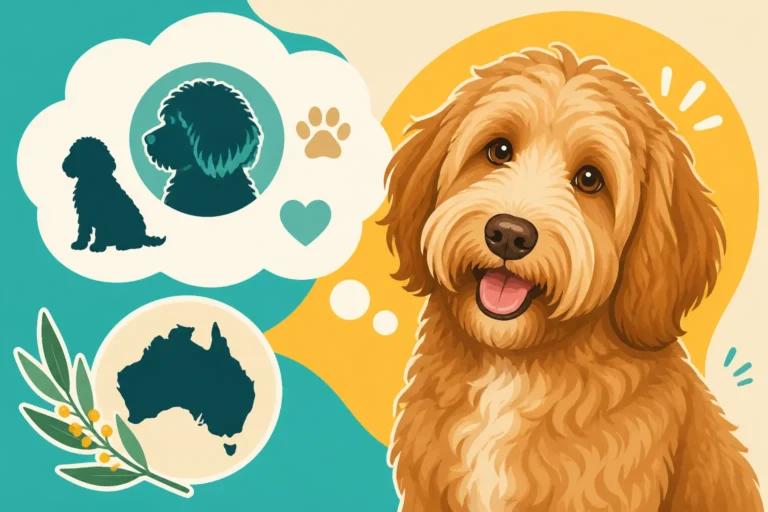
Many people hear the term "Australian Labradoodle" and picture a standard Labradoodle from down under, perhaps with a cute accent. But the truth is, the Australian Labradoodle is a breed in its own right, distinct from the initial Labrador Retriever and Poodle cross, and it's all thanks to a dedicated, thoughtful breeding strategy known as the multigen program. This guide will walk you through what exactly a multigen program entails and why it was — and still is — absolutely critical to the development and consistency of the wonderful Australian Labradoodle we know today.
Unpacking the "Multigen" in Australian Labradoodles
When we talk about "multigen," we're diving deep into the fascinating world of genetics and intentional breeding. It's more than just a fancy term; it represents a commitment to predictability and health that goes far beyond the first few generations of any hybrid dog. The journey to the Australian Labradoodle's consistency started by addressing the inherent unpredictability of those earlier crosses.
Beyond the First Cross: F1, F1b, and F2 Generations
To truly appreciate the multigen program, it helps to understand what came before it. Early Labradoodles, often referred to as "first generation" or F1, were a direct cross between a purebred Labrador Retriever and a purebred Poodle. The idea was brilliant: combine the Labrador's friendly nature and trainability with the Poodle's intelligence and low-shedding coat. The problem? Genetics are a bit of a lottery in that first generation.
You see, with an F1, you could get a puppy with a lovely fleece coat, or one that sheds like a Labrador. Their temperaments could lean heavily towards one parent or the other, making it hard to predict what kind of dog you'd end up with. Imagine hoping for a low-shedding dog for your allergies, only to find your F1 puppy coating your furniture in hair! This inconsistency was a major frustration for early owners and particularly challenging for guide dog organizations that initially sought the breed.
Then came the F1b, or "first generation backcross," which typically involved breeding an F1 Labradoodle back to a Poodle. This was an attempt to increase the Poodle traits, especially the non-shedding coat. While often more consistent in coat, F1b dogs could sometimes have a very dense, woolly coat that was prone to matting, or a temperament that skewed more towards the energetic, sometimes aloof Poodle side.
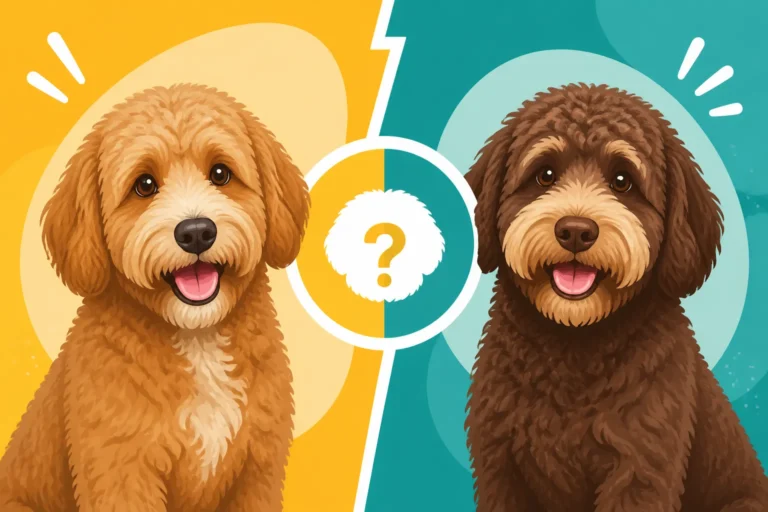
The F2 generation, an F1 Labradoodle bred to another F1 Labradoodle, was perhaps the most unpredictable of all. When you breed two F1s together, their mixed genetic makeup can combine in countless ways, leading to an even wider spectrum of traits. You might see puppies in the same litter with everything from flat, shedding coats to dense, curly non-shedding coats, and temperaments varying wildly. This "doodle lottery" made it incredibly difficult to establish a consistent type, which was exactly what breeders aiming for a reliable companion or service dog truly desired. It highlighted the need for a more structured, long-term approach to breeding.
Defining "Multigenerational" Breeding
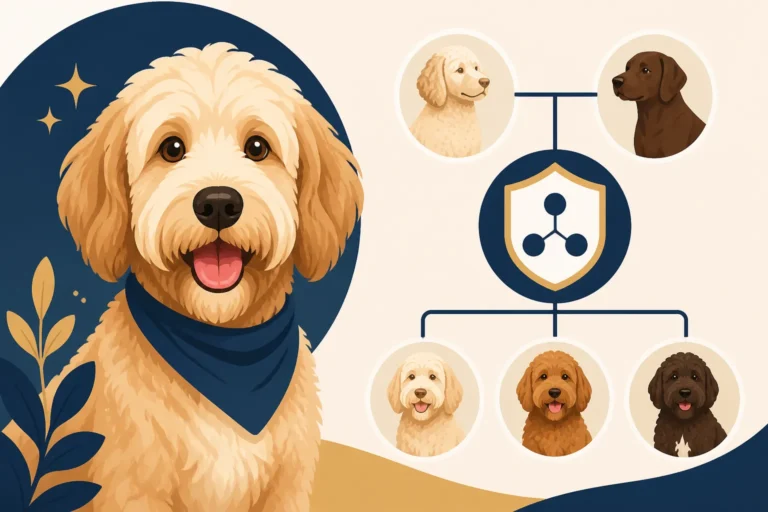
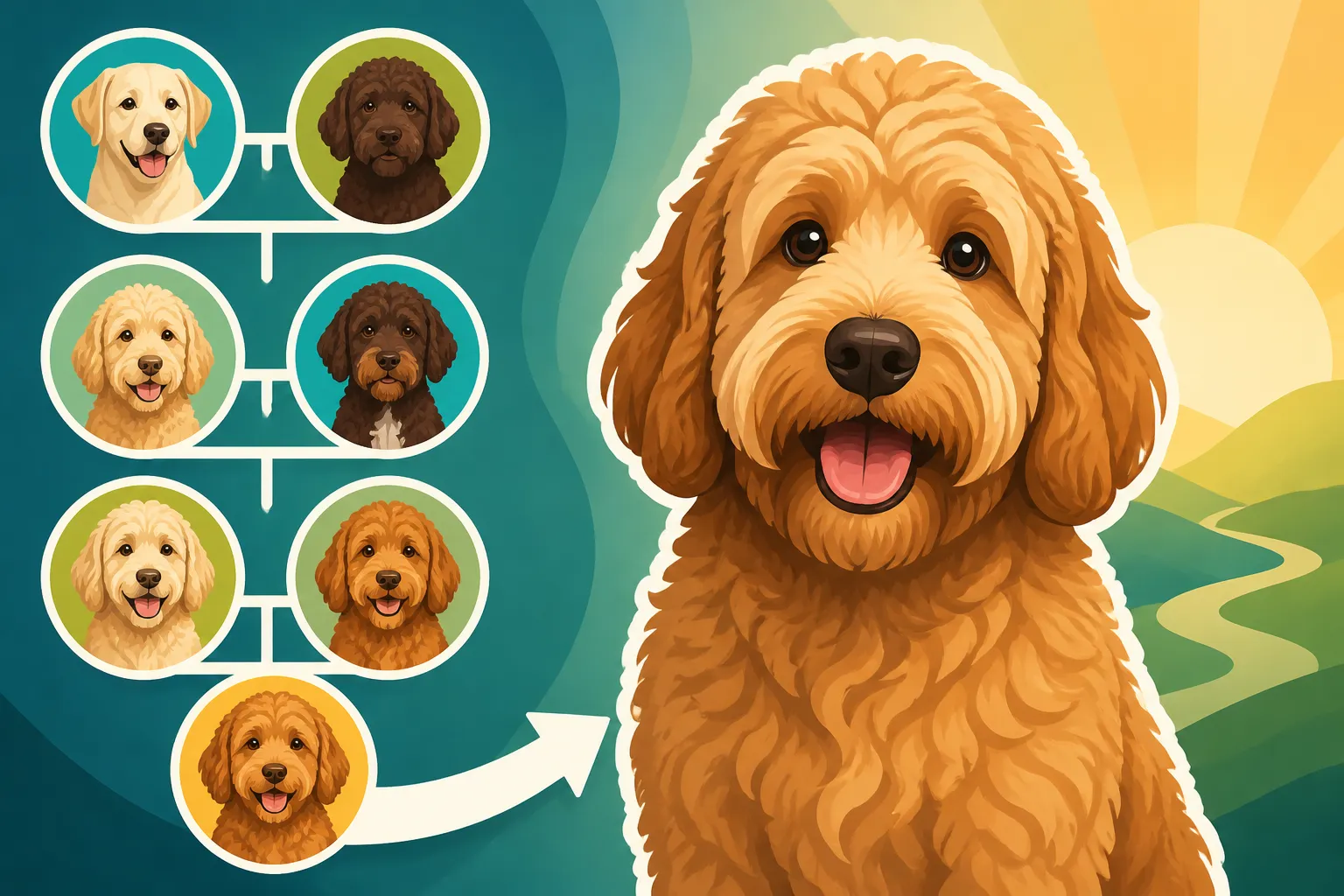
This is where the multigen program steps in, a true game-changer for the Australian Labradoodle. "Multigenerational" literally means "many generations," but in the context of breeding, it signifies a deliberate and sustained effort to breed Labradoodle to Labradoodle (or, more accurately for Australian Labradoodles, Australian Labradoodle to Australian Labradoodle) over several generations. This isn't just random pairings; it's highly selective breeding with specific goals in mind.
A multigen Australian Labradoodle is typically at least three or more generations removed from the original parent breeds. The further removed, the more likely the desired traits have been "set" through careful selection. Breeders choose parents not just because they are both Labradoodles, but because they consistently demonstrate the ideal coat type, a stable and predictable temperament, excellent health clearances, and conformation that fits the emerging breed standard. This painstaking process of selecting the best examples from each litter to become the next generation's parents is what builds consistency over time. It's about slowly chipping away at the unpredictability that plagues earlier generations, moving towards a dog that reliably produces the desired characteristics. It's a testament to patience and a long-term vision, ensuring that when you welcome an Australian Labradoodle into your home, you have a much better idea of what to expect in terms of their physical appearance and personality.
The Vision for the Australian Labradoodle: Why Multigen Was Essential
The creation of the Australian Labradoodle wasn't just a happy accident; it was a response to a very real need and a desire to refine a promising crossbreed into something truly exceptional. The multigen program was the crucible in which this vision was forged, addressing the inconsistencies of early generations head-on.
The Quest for Consistency: Coat, Temperament, and Health
The original Labradoodle cross was born from a desire to create an allergy-friendly guide dog. While the initial F1 crosses showed promise, their lack of consistency in shedding and temperament proved challenging for such a critical role. This is where the multigen program truly shined, aiming to solidify these crucial traits.
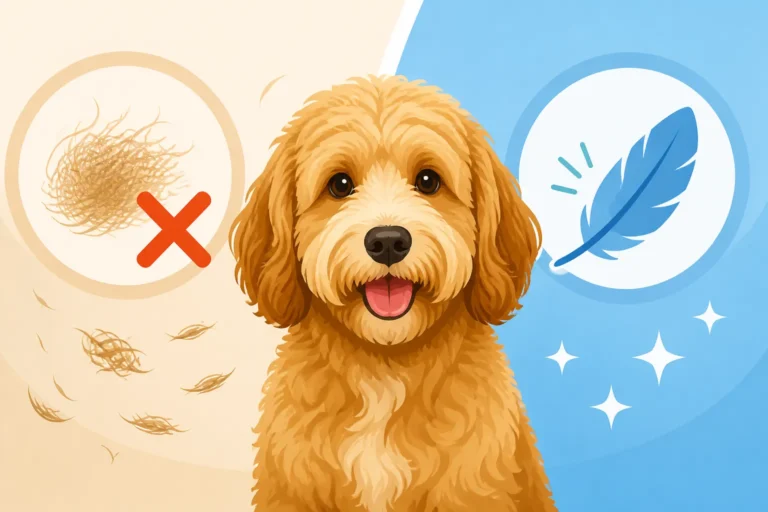
For coat, the goal was to consistently produce the low-to-non-shedding fleece or wool coat that is so iconic of the Australian Labradoodle. This wasn't just about aesthetics; it was fundamentally about meeting the needs of individuals with allergies. Early Labradoodles could have anything from a sleek, shedding coat to a dense, curly one. Through multigen breeding, breeders could select for specific coat genes, progressively moving towards a dog that reliably produces the desired textures and minimizes shedding. This meant less dander, fewer allergic reactions, and a truly family-friendly pet for those who might otherwise be unable to share their lives with a dog. You'll find a lot of information on this topic in articles like The Fleece Coat and Why Breeders Aim For It.
Temperament was equally vital. The vision was a dog that was intelligent, easily trainable, calm, and affectionate – qualities essential for service work and wonderful for family companionship. While Labradors are known for their friendly nature and Poodles for their smarts, the combination in F1s could sometimes result in high-energy, demanding dogs, or those with more reserved Poodle tendencies. The multigen program allowed breeders to carefully select for those sweet, balanced temperaments, breeding out extremes and fostering a consistent, joyful, and intuitive companion. This careful selection over generations has cultivated the "Velcro dog" reputation that many Australian Labradoodles proudly wear, always wanting to be close to their people.
And of course, health. Any responsible breeding program prioritizes the health of its dogs. The multigen program provided the framework to systematically track health issues prevalent in the parent breeds (like hip and elbow dysplasia, eye conditions, and certain genetic diseases) and breed away from them. This involved extensive health testing of potential breeding dogs, ensuring that only the healthiest individuals were contributing to the next generation. It's a slow, iterative process, but one that has significantly improved the overall health of the Australian Labradoodle lines. If you're looking into bringing home a puppy, make sure to read up on The Health Tests a Labradoodle Breeder Should Show.
Introducing Other Breeds into the Mix
One of the most defining and fascinating aspects of the Australian Labradoodle's multigen program, and what truly sets it apart from a standard Labradoodle, was the strategic introduction of other breeds. This wasn't done haphazardly; it was a calculated move to enhance specific traits that weren't consistently appearing in the Labrador-Poodle crosses.
Initially, some breeders carefully incorporated the English Cocker Spaniel and American Cocker Spaniel into their lines. The Cocker Spaniel infusion was often sought for its influence on coat quality, helping to establish the desired fleece texture, and to introduce a slightly smaller size and a generally cheerful, biddable temperament. These additions helped to refine the overall look and feel, moving away from the often coarser, more variable coats of earlier generations.
Later, the Irish Water Spaniel was also introduced by some breeders. This breed contributed to the desired coat texture and quality, adding to the non-shedding characteristics. The Irish Water Spaniel also has a robust, active, yet gentle disposition that harmonized well with the developing temperament goals for the Australian Labradoodle. These thoughtful additions weren't about creating a hodgepodge but about carefully weaving in desirable traits to achieve a more consistent and refined outcome. It's why when people ask, Why an Australian Labradoodle Is Not a Labradoodle, the answer often involves these additional foundational breeds.
The use of these additional breeds in the foundational stock, carefully managed within the multigen program, was instrumental in stabilizing the Australian Labradoodle's characteristics. It allowed breeders to achieve a more uniform coat type, a more predictable size range, and a consistently friendly, intelligent, and calm temperament that truly defines the breed today. This complex genetic cocktail, managed over many generations, is what makes the Australian Labradoodle so unique and sought after. If you're curious about the full genetic tapestry, you'll want to explore The Four Breeds Inside an Australian Labradoodle.
How the Multigen Program Works in Practice
Bringing the vision of the Australian Labradoodle to life through a multigen program is an undertaking that requires incredible dedication, scientific understanding, and a deep love for the dogs. It's far from a casual endeavor; it's a meticulous process that sets responsible breeders apart.
Rigorous Selection of Breeding Stock
The cornerstone of any successful multigen program is the incredibly rigorous selection process for breeding dogs. This isn't about simply picking the prettiest dog or the one with the nicest coat. It's a comprehensive evaluation that considers health, temperament, conformation, and genetic makeup, spanning generations.
First and foremost, health is paramount. Reputable Australian Labradoodle breeders conduct an extensive battery of health tests on their breeding animals. This includes screening for hip and elbow dysplasia, common in both Labradors and Poodles, often through certifications like OFA or PennHIP. Eyes are checked annually by a board-certified veterinary ophthalmologist for conditions like Progressive Retinal Atrophy (PRA), and often specific genetic tests like The prcd-PRA Test Both Labradoodle Parents Need are performed to ensure dogs are not carriers of severe inherited eye diseases. Heart, thyroid, and other breed-specific genetic conditions are also typically screened. This comprehensive approach helps minimize the transmission of genetic health problems, giving future puppies the best possible start in life. It's important to understand that Whether Health Tested Parents Add Years to a Labradoodle is a resounding yes, making this step non-negotiable for ethical breeders.
Temperament is another critical factor. Breeders spend countless hours observing their dogs, from puppyhood into adulthood, looking for the calm, intelligent, and affectionate nature that is the hallmark of the Australian Labradoodle. They assess how dogs interact with people, children, other animals, and new situations. A dog might be physically perfect, but if its temperament doesn't align with the breed's goals (e.g., overly shy, aggressive, or hyperactive), it won't be used for breeding. This ensures that the wonderful personality traits are consistently passed down.
Finally, conformation and coat are carefully evaluated. Does the dog meet the developing breed standard for size, structure, and movement? Is its coat the desired fleece or wool type, with minimal shedding, and is it easy to maintain? These physical traits are important for both the dog's comfort and the owner's experience. This holistic approach to selection means that every breeding pair is chosen with the utmost care, aiming to produce puppies that embody the very best of the Australian Labradoodle's qualities. Many breeders will use specialized tools and resources, often sourced from places like Chewy, to aid in proper grooming and care, which in turn helps them assess coat quality.
The Importance of Pedigree and Registry
In a multigen program, especially one aiming to establish a consistent "breed type," tracking lineage and maintaining meticulous records is absolutely vital. This is where breed associations and registries play a crucial role, providing structure and accountability that a casual cross-breeding operation simply cannot offer.
Organizations like the Australian Labradoodle Association of America (ALAA) and the Worldwide Australian Labradoodle Association (WALA) were established to do just that. These registries require breeders to adhere to strict ethical guidelines, including mandatory health testing, adherence to specific breeding practices, and detailed record-keeping of pedigrees. This means that every puppy born within their registered lines can be traced back through many generations, providing a transparent history of health clearances, coat types, and temperaments of its ancestors. What WALA Does for Labradoodle Pedigrees is a prime example of how these organizations provide valuable documentation and oversight.
For prospective puppy buyers, this transparency is invaluable. You're not just buying a cute puppy; you're investing in a dog with a documented background, where efforts have been made to ensure its health and consistency. It allows you to verify that the breeder is truly part of a multigen program, rather than simply making the claim. This structured approach helps to differentiate the responsible, committed Australian Labradoodle breeders from those who might produce "doodles" without the same dedication to health and consistency. These registries, for example, often outline the specific genetic tests required, ensuring that breeders are testing for conditions like those mentioned in The prcd-PRA Test Both Labradoodle Parents Need. By having a clear paper trail, buyers gain confidence that their future companion is the product of careful, ethical breeding, rather than a genetic gamble. When researching breeders, look for those affiliated with these organizations and be prepared to ask for documentation.
The Outcomes and Challenges of Multigenerational Breeding
The multigen program has undeniably shaped the Australian Labradoodle into the remarkable companion animal it is today. However, like any developing breed, there are both significant advantages and ongoing considerations that owners and enthusiasts should be aware of.
Greater Predictability for Owners
For families and individuals seeking a specific type of dog, the biggest benefit of the multigen Australian Labradoodle program is the vastly increased predictability it offers. Gone are the days of the "doodle lottery" where an F1 cross might yield anything from a shedding Labrador look-alike to a tightly curled Poodle.
With a multigen Australian Labradoodle, you can have a much clearer idea of what your puppy will grow up to be like. This consistency applies strongly to their coat type. Breeders using multigen lines can reliably produce the desired fleece or wool coats that are low to non-shedding, making them a much better choice for allergy sufferers. This isn't a guarantee, as genetics always hold a few surprises, but the probability is significantly higher than in earlier generations. This predictability in coat type is a major reason why many people choose an Australian Labradoodle. For more on this, check out Whether a Labradoodle Is Truly Hypoallergenic.
Beyond coats, the multigen approach has also fostered a more predictable temperament. These dogs are generally known for being intelligent, friendly, sociable, and relatively easy to train. They often possess a balanced energy level, being playful without being overly boisterous, and calm enough for family life. This consistent disposition makes them excellent companions for a wide range of households, from active families to those seeking a calm presence. The meticulous selection over generations has truly allowed breeders to hone in on the ideal Labradoodle personality, offering owners peace of mind and a better match for their lifestyle. As a result, many owners find their multigen Australian Labradoodle is exactly what they hoped for. This leads to a discussion around Whether an Australian Labradoodle Is More Predictable.
Still a Developing Breed, Not a "Purebred"
Despite the incredible progress made through multigen breeding, it's crucial to understand that the Australian Labradoodle is still considered a developing breed, not a "purebred" in the traditional sense, at least by major kennel clubs like the American Kennel Club (AKC). This is a point of frequent discussion and occasional confusion among prospective owners.
The process of becoming a recognized purebred is a long and arduous one, often taking many decades, if not centuries, of consistent breeding to a strict standard. While Australian Labradoodle breeders are working diligently towards consistency in type, temperament, and health, they haven't yet achieved the level of uniformity and genetic stability seen in breeds that have been established for hundreds of years. This means that while predictability is high within well-managed multigen lines, occasional variations can still occur. For example, you might still find slight differences in coat texture or a pup that's a bit larger or smaller than expected, even from excellent lines.
This lack of formal "purebred" status also means that Why No Kennel Club Registers the Labradoodle is largely due to the breed still being in its developmental stages. Organizations like the ALAA and WALA act as their own registries, setting their standards and supporting ethical breeding. They are essentially paving the way for eventual recognition, but it's a journey that takes time and continued dedication from breeders worldwide. Understanding this distinction is important for managing expectations and appreciating the ongoing efforts of the community committed to the Australian Labradoodle's future.
The Ongoing Commitment to Health and Ethical Breeding
While the multigen program has significantly advanced the health and consistency of the Australian Labradoodle, it does not mean the work is done or that owners can simply relax once they bring a puppy home. In fact, it underscores the ongoing, vital commitment to health and ethical breeding practices from both breeders and owners.
Even with meticulous multigen programs, no breed is entirely free from health concerns, and the Australian Labradoodle inherits a genetic predisposition to certain conditions from its foundational breeds. This means that responsible breeders must remain vigilant, continuing to conduct comprehensive health screenings on all breeding stock. They regularly evaluate their breeding decisions based on the health outcomes of previous litters, striving for continuous improvement. This also means being transparent with puppy buyers about any potential risks and providing detailed health guarantees. The concept of Whether Hybrid Vigor Is Real in a Labradoodle is often discussed here, as the initial cross might offer some benefits, but multigen breeding requires careful management to retain these advantages while improving consistency.
For owners, this translates to choosing a breeder who is demonstrably committed to these ethical practices. Asking questions about health testing, temperament evaluations, and the breeder's long-term goals for their lines is crucial. It also means maintaining routine veterinary care, providing a high-quality diet (you can find excellent options on Chewy), and ensuring your Labradoodle receives adequate exercise and mental stimulation throughout its life. The multigen program is a framework for responsible breeding, but the health and well-being of each individual Australian Labradoodle remain a shared responsibility between the breeder who brought them into the world and the loving family who welcomes them home.
| Generation / Type | Parentage | Coat Predictability | Temperament Predictability | Included Breeds (beyond Lab/Poodle) |
|---|---|---|---|---|
| F1 (First Generation) | Labrador Retriever x Poodle | Low (highly variable) | Low (highly variable) | None |
| F1b (First Gen Backcross) | F1 Labradoodle x Poodle | Medium (more Poodle-like) | Medium (more Poodle-like) | None |
| F2 (Second Generation) | F1 Labradoodle x F1 Labradoodle | Very Low (most variable) | Very Low (most variable) | None |
| Multigen Australian Labradoodle | Australian Labradoodle x Australian Labradoodle (over many generations) | High (consistent fleece/wool) | High (stable, friendly) | English/American Cocker Spaniel, Irish Water Spaniel (foundational) |
The multigen program is truly the secret sauce behind the Australian Labradoodle, transforming a promising hybrid into a consistently wonderful companion. It represents years of dedicated, thoughtful breeding, and a commitment to producing healthy, predictable, and delightful dogs for families worldwide.
Disclaimer
This article is for general informational purposes only and does not constitute professional advice. Laws, prices and regulations vary by location and change over time. Consult a qualified professional for guidance on your specific situation.