What the Australian Cobberdog Name Means
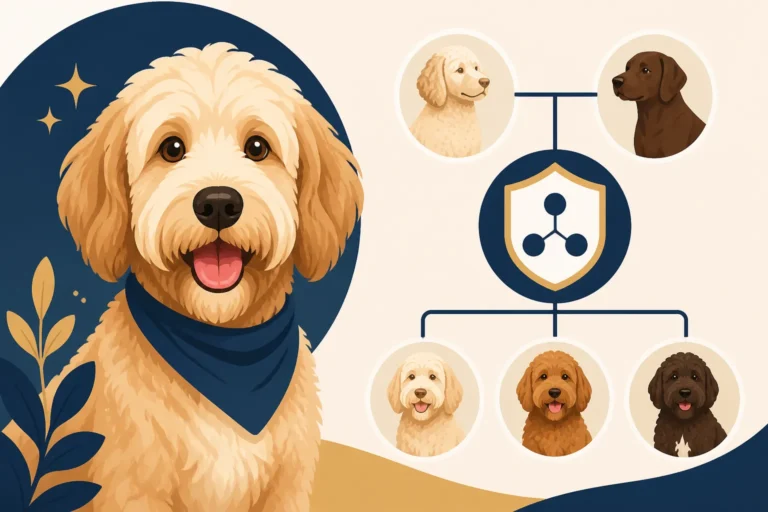
It can be incredibly confusing when you start looking into Labradoodles, only to discover there's also something called an "Australian Labradoodle" and then, to add another layer, an "Australian Cobberdog." It’s easy to feel like you need a flow chart just to understand what kind of dog you're actually looking at, and today, we’re going to untangle exactly what the Australian Cobberdog name means and how it fits into the broader doodle family.
The Origin Story: Labradoodle vs. Australian Labradoodle
To truly understand the Australian Cobberdog, we first need to take a quick trip back to where it all began, and then see how the "Australian" branch of the Labradoodle tree started to grow its own distinct identity. It’s a journey that highlights the differences in intention and breeding philosophy that ultimately led to the Cobberdog's unique designation.
Where the Labradoodle Began
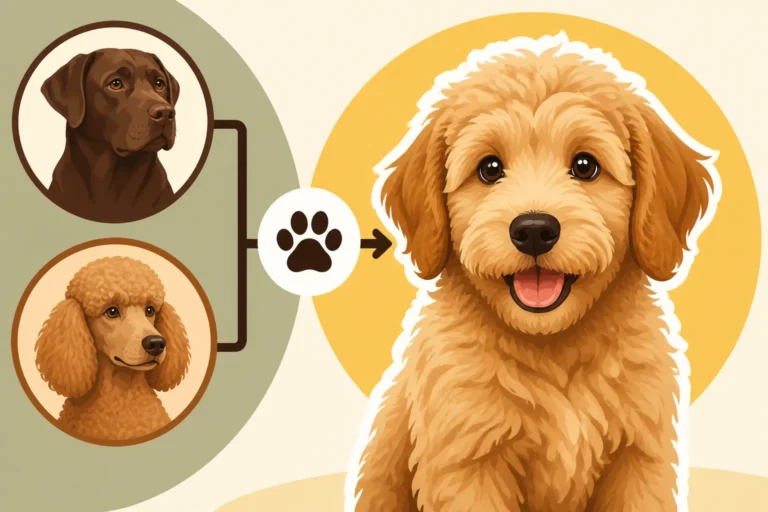
The original Labradoodle came into existence back in 1989, thanks to Wally Conron, the breeding manager for the Royal Guide Dogs Association of Australia. His mission was simple yet profound: to create a guide dog for a visually impaired woman in Hawaii whose husband was allergic to dogs. He needed a dog with the trainability and temperament of a Labrador Retriever, combined with the low-shedding, allergy-friendly coat of a Standard Poodle. The result was Sultan, the first successful Labradoodle. Conron's intention was purely for this specific need, hoping to fill a crucial gap in assistance dog provision.
However, what started as a noble experiment quickly blossomed into a worldwide phenomenon, largely unregulated. People fell in love with the charming looks and often delightful personalities of these Labrador-Poodle crosses, leading to a surge in popularity. This rapid demand, unfortunately, also opened the door for less scrupulous breeders who focused more on quick sales than on health, temperament, or coat consistency. The term "Labradoodle" became a broad umbrella, encompassing everything from well-bred, health-tested puppies to those from questionable origins with unpredictable traits. It quickly became apparent that while the idea was brilliant, the execution across the board was highly variable. The 1989 Cross That Made the First Labradoodle gives more insight into this initial creation.
The Birth of the Australian Labradoodle
As the Labradoodle gained traction, a group of dedicated breeders in Australia began to see the potential for something more consistent. They admired the foundational qualities of the Labradoodle but recognized the wide variability in coat types, shedding levels, and temperaments that arose from simply crossing two purebred dogs, especially in early generations. Their vision was to develop a dog that consistently displayed the desired traits: an allergy-friendly coat, a stable, intelligent temperament, and robust health. They wanted to move beyond the "hybrid" or "designer dog" label and establish a dog that "bred true" – meaning puppies would reliably inherit their parents' characteristics.
To achieve this, these Australian breeders introduced a few other breeds into the lineage over many generations, meticulously selecting for specific qualities. The Irish Water Spaniel and the Cocker Spaniel (both English and American) were carefully infused to refine coat texture, enhance genetic diversity, and solidify desired temperamental traits. This was not a quick process, but a long-term, multi-generational breeding program aimed at creating a truly unique and consistent canine. The goal was no longer just a crossbreed, but a distinct line with predictable attributes, capable of reliably serving as companion and assistance animals. This is why Why an Australian Labradoodle Is Not a Labradoodle is such an important distinction, and The Four Breeds Inside an Australian Labradoodle elaborates on these additional bloodlines.
What Distinguishes the Australian Cobberdog
With the Australian Labradoodle moving towards greater consistency, the stage was set for an even more deliberate step towards formal recognition as a distinct breed. This ambition birthed the Australian Cobberdog, a name that signifies not just an origin, but a profound commitment to a very specific set of characteristics and a breeding philosophy.
A Vision for Consistency and a True Breed
The breeders behind the Australian Cobberdog felt that even the term "Australian Labradoodle" still carried the baggage of being a "doodle" – implying a mix rather than a true breed with predictable traits. They envisioned a dog that was consistently stable in temperament, had an intuitive nature, and possessed a low-shedding coat that was ideal for allergy sufferers. Their commitment went beyond just producing pretty puppies; they wanted to develop a breed with a genetic blueprint for health and temperament that could be relied upon. This meant incredibly strict health testing protocols for breeding dogs, rigorous selection based on temperament assessments, and a clear vision for the breed's future.
They sought to eliminate the "guessing game" often associated with early generation crosses, where puppies in the same litter could vary wildly in appearance, coat, and personality. Instead, the Australian Cobberdog aimed for a standard. This intense focus on selection and consistency is what truly sets it apart from many other "designer dogs." It’s not just about what breeds are in the mix, but how diligently those lines have been managed and refined over decades. For owners, this means a higher likelihood of knowing exactly what kind of dog they are bringing into their home, from coat care needs to general disposition, which can be particularly reassuring when picking out necessary supplies from places like Chewy.
The Naming and Registration Process
The name "Cobberdog" was chosen very intentionally. "Cobber" is an Australian slang term for a close friend or companion, perfectly encapsulating the breed's intended temperament: gentle, loyal, and devoted. This deliberate choice of name was a clear statement that this dog was to be recognized on its own merits, distinct from its Labradoodle heritage. It marked a transition from being seen as a hybrid to aspiring to be a purebred in its own right.
To formalize this distinction and ensure the continued integrity of their breeding program, the Australian Cobberdog gained breed recognition with the Master Dog Breeders and Associates (MDBA) in Australia. The MDBA functions as a registry for new and emerging breeds, providing the necessary framework for maintaining pedigrees, health records, and a formal breed standard. This is a crucial difference, as the vast majority of Labradoodles (even Australian Labradoodles registered with various associations like ALAA or WALA) are not recognized as a pure breed by major kennel clubs like the AKC or the UKC. The MDBA registration allows for a standardized approach to breeding, where specific traits are recorded and tracked, ensuring that dogs conform to the established breed standard, a benchmark that allows for greater transparency and confidence in a puppy's lineage. The Australian Cobberdog and Its Separate Name dives deeper into this unique identity.
Key Differences in Practice and Perception
The distinction between a general Labradoodle, an Australian Labradoodle, and an Australian Cobberdog isn't just semantics; it translates into tangible differences in what you can expect as an owner, from temperament to genetic health and even the process of acquiring your furry friend. Understanding these practical implications is vital for making an informed decision.
Predictability in Health and Temperament
One of the most significant advantages touted by Australian Cobberdog breeders is the increased predictability of traits. With generations of careful selection and documented lineage through the MDBA, breeders aim to minimize the variability often seen in first and second-generation Labradoodles. This means a higher likelihood of getting a dog with the desired low-shedding coat, making them more reliably suitable for allergy sufferers. More importantly, it means a more consistent and stable temperament. The breed standard emphasizes an intuitive, empathetic, and calm disposition, making them particularly well-suited for therapy and assistance work.
For instance, while an F1 Labradoodle (first cross between a Labrador and a Poodle) might have a coat that varies from shedding like a Labrador to being completely non-shedding, an Australian Cobberdog should reliably produce puppies with a predictable fleece or wool coat. This level of consistency helps potential owners have greater confidence in their choice. When you're investing in a new family member, especially one you hope will be a true companion, the idea of predictability in health and temperament is incredibly appealing. This meticulous breeding also means that many common genetic health issues found in the parent breeds are actively screened for and bred away from, theoretically leading to healthier puppies overall. Owners often seek out specific dietary needs for their dogs, and knowing the breed's general health profile can help in choosing appropriate food and supplements from retailers like Chewy.
Cost, Availability, and Breeder Practices
Given the extensive breeding programs, meticulous record-keeping, and the journey toward recognized breed status, Australian Cobberdogs often come with a higher price tag compared to many Labradoodles. This reflects the significant investment breeders make in health testing, selective breeding, and maintaining the integrity of the lines. You are, in essence, paying for that predictability and the years of effort that have gone into creating a consistent dog. Furthermore, because it is a more controlled and emerging breed, their availability tends to be more limited than general Labradoodles. You might find longer waitlists or fewer breeders to choose from, often requiring more thorough research and patience.
When seeking an Australian Cobberdog, you'll typically interact with breeders who are deeply committed to the MDBA standards and can provide extensive documentation, including pedigrees, health clearances for parents (hips, elbows, eyes, genetic panels), and temperament assessments. This contrasts with the broader Labradoodle market, where vetting breeders can be a more varied experience, ranging from highly reputable multi-generational breeders to those with less transparent practices. Whether an Australian Cobberdog Is Priced Above a Labradoodle explores the financial aspect in more detail. This emphasis on rigorous breeding practices, while leading to a higher initial cost, aims to reduce potential heartache and expensive vet bills down the line, a significant consideration for any long-term pet owner.
Is it Just a Name Change?
It's a fair question to ask if the Australian Cobberdog is simply a re-branding of the Australian Labradoodle, a clever marketing tactic. However, for those dedicated to its development, it's far more than that. The transition to the name Australian Cobberdog, and its subsequent recognition by the MDBA as a developing pure breed, signifies a distinct philosophical shift. It emphasizes a deliberate move away from the hybrid origins towards the establishment of a cohesive, predictable breed with its own unique identity and breed standard.
While the lineage is certainly intertwined with the Australian Labradoodle, the Cobberdog breeders are focused on refining and maintaining specific characteristics to a degree that surpasses the broader "Australian Labradoodle" designation. It's about taking the best elements that emerged from the Australian Labradoodle program and solidifying them into a truly consistent breed. Think of it like a chef who perfects a recipe over years, eventually giving it a new, distinct name to reflect its perfected form, rather than just calling it a variation of the original dish. This commitment to a defined standard and registered lineage aims to provide a more reliable and consistent companion animal, moving beyond the variability that sometimes troubles owners of less regulated "designer dogs." Whether an Australian Labradoodle Is a Breed Yet highlights the ambitions behind this distinction.
Practical Implications for Potential Owners
Navigating the world of "doodles" can feel like a maze, especially when names like Labradoodle, Australian Labradoodle, and Australian Cobberdog are thrown around. For potential owners, understanding these distinctions has real-world consequences for what kind of dog you bring home.
Choosing Between a Labradoodle and an Australian Cobberdog
Deciding between a general Labradoodle and an Australian Cobberdog really comes down to what you prioritize and your comfort level with variability. If you're looking for a companion and are open to the natural genetic lottery that can come with a crossbreed, an F1 or F1b Labradoodle might be a wonderful fit. You'll find a broader range of appearances, temperaments, and coat types, and often a wider selection of breeders, though careful vetting is always crucial.
However, if predictability is paramount – particularly concerning an allergy-friendly coat, a specific temperament for family life or assistance work, and a robust health history backed by generations of selective breeding – then the Australian Cobberdog could be a more suitable choice. You are, in essence, choosing a dog from a program that has worked diligently to standardize these traits. This often means a higher initial investment and a longer search for a reputable breeder who adheres to the MDBA's strict standards. Think about your lifestyle, your family's needs, and your willingness to invest in extensive research to ensure you find the perfect match, whether that's a classic Labradoodle or the more defined Australian Cobberdog. Reputable breeders for either type of dog will be transparent about their health testing and breeding philosophies. Regardless of your choice, a well-stocked supply of essentials from a place like Chewy will be needed!
Understanding the "Cobber" Temperament
The emphasis on "cobber" (friend) in the Australian Cobberdog's name isn't just a marketing ploy; it reflects a core tenet of the breed's development. Breeders have meticulously selected for a temperament that is intelligent, calm, intuitive, and deeply empathetic. These dogs are specifically bred to be wonderful companions, often described as having an innate ability to connect with humans. This makes them particularly well-suited for roles as therapy or assistance dogs, where sensitivity and a stable, calm demeanor are vital. They are often less boisterous than some of the more high-energy Labradoodles, though still possess a playful spirit.
This targeted temperament means that an Australian Cobberdog is generally expected to be a confident yet gentle soul, eager to please and relatively easy to train. They thrive on human companionship and are known for their ability to read emotional cues, making them wonderful family dogs. While any dog requires training and socialization, the Australian Cobberdog's carefully cultivated temperament often gives owners a head start. If you're looking for a dog that slots into family life with a calm presence, or one that has the potential for advanced training, the Cobberdog's focus on these specific traits could be very appealing. Ensuring you have plenty of engaging toys and puzzle feeders, easily found at Chewy, can help keep their intelligent minds stimulated. Whether an Australian Labradoodle Trains Better for Service explores how these specific traits contribute to their potential.
Australian Cobberdog vs. Labradoodle: A Quick Comparison
To help clarify the distinctions we’ve discussed, here’s a quick overview of how the Australian Cobberdog generally compares to the broader category of Labradoodles.
| Feature | Labradoodle (General) | Australian Labradoodle (Consolidated Lineage) | Australian Cobberdog (Emerging Breed) |
|---|---|---|---|
| Origin | First cross (F1) of Labrador Retriever & Standard Poodle. | Multi-generational development from Labradors, Poodles, and later Cocker/Irish Water Spaniels. | Refined, standardized line developed from Australian Labradoodle foundation. |
| Breeding Focus | Varies widely; can be a first generation cross or later generations. | Aim for more consistency in coat, health, and temperament through selective breeding. | Strict focus on establishing a pure breed with highly predictable traits and intuitive temperament. |
| Coat Predictability | Highly variable, from shedding to non-shedding. | More consistent fleece/wool coats, generally low-shedding. | Highly consistent fleece/wool coats, reliably low-shedding and allergy-friendly. |
| Temperament | Can vary greatly depending on parentage. | Generally good-natured, intelligent, but still some variability. | Highly predictable, empathetic, intuitive, calm, and intelligent; bred for assistance work. |
| Health Testing | Varies by breeder; crucial to verify. | Typically rigorous, but no universal standard across all ALD breeders. | Extremely rigorous, mandated by MDBA breed standard for consistent health. |
| Formal Recognition | Not recognized as a pure breed by major kennel clubs. | Not recognized as a pure breed, but has dedicated associations (e.g., ALAA, WALA). | Recognized as an emerging pure breed by the Master Dog Breeders and Associates (MDBA). |
| Cost | Wide range, depends on generation and breeder. | Generally higher than F1 Labradoodles due to selective breeding. | Often among the highest due to extensive breeding programs and MDBA registration. |
| Purpose | Companion, often chosen for looks. | Companion, some assistance/therapy work. | Primarily companion, but strongly suited and bred for therapy and assistance roles. |
In the end, while all these dogs are wonderful companions, the Australian Cobberdog represents a deliberate and ambitious step towards creating a truly standardized breed with specific, reliable characteristics. It’s a testament to dedicated breeders striving for consistency and predictability in a world of ever-growing canine diversity.
Disclaimer
This article is for general informational purposes only and does not constitute professional advice. Laws, prices and regulations vary by location and change over time. Consult a qualified professional for guidance on your specific situation.