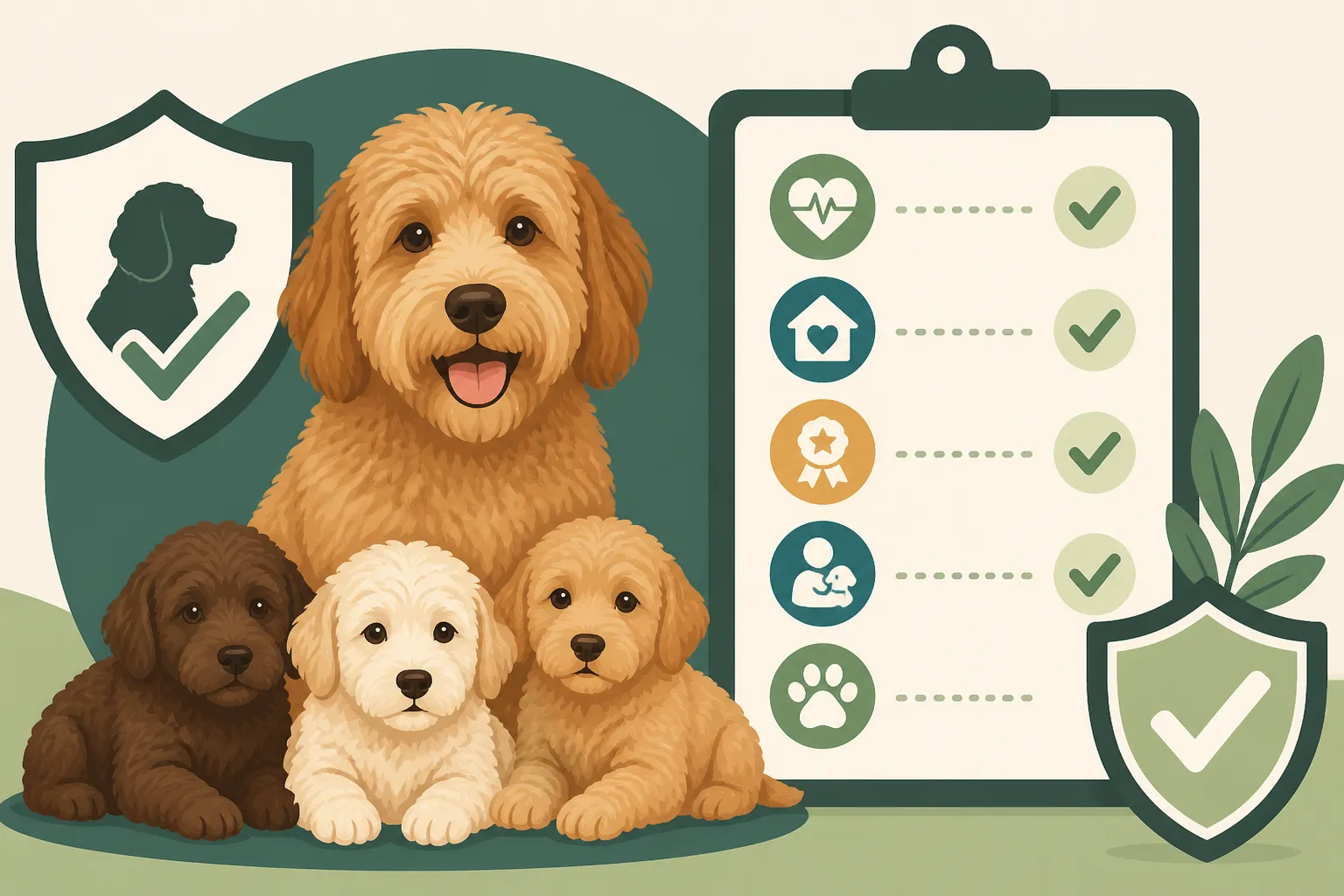
What ALAA Membership Requires of a Labradoodle Breeder
Finding a Labradoodle puppy can feel like navigating a maze, especially when you're trying to differentiate between breeders who genuinely care about the breed's future and those who are just in it for profit. Many prospective owners get frustrated by the sheer variability in health testing, contracts, and overall transparency. This guide aims to clear up some of that confusion by detailing exactly what the Australian Labradoodle Association of America (ALAA) requires of its member breeders, helping you understand the standards you should expect when bringing one of these wonderful dogs into your home.
The Purpose and Promise of the ALAA for Labradoodle Breeders
In the relatively young world of the Labradoodle, where official kennel club recognition is still absent, organizations like the Australian Labradoodle Association of America (ALAA) step in to provide structure, ethical guidelines, and a commitment to health. This is vital because, without a universally recognized breed standard and registration body, the quality of breeding can vary wildly. The ALAA was established to foster responsible breeding practices, aiming to protect the health and integrity of the Australian Labradoodle lines.
Why an Association Like ALAA Matters in the Doodle World
When you're looking for a Labradoodle, you quickly discover that there isn't a single, unified "standard" as there would be for a Labrador Retriever or a Poodle registered with the American Kennel Club. This lack of oversight can lead to inconsistent health screening, questionable breeding ethics, and a general muddiness in terms of what constitutes a well-bred puppy. The ALAA steps into this void, providing a framework that good breeders can voluntarily adopt to demonstrate their commitment to quality. It's a way for them to say, "We adhere to a higher bar," which helps buyers feel more confident in their choice.
For many families, especially those new to the world of dog breeding, the acronyms and varying claims can be overwhelming. An association like the ALAA offers a beacon of clarity, suggesting a breeder has committed to a set of rules designed to produce healthier, well-socialized puppies. While not a guarantee, it certainly increases the odds that you're dealing with someone who prioritizes the welfare of their dogs over quick sales. Without such organizations, the consumer would be left entirely to their own devices to research every single aspect of a breeder's operation, which can be an incredibly daunting task.
How the ALAA Aims to Elevate Labradoodle Breeding Standards
The core mission of the ALAA is to elevate the overall standard of the Australian Labradoodle breed. This isn't just about pretty puppies; it's about ensuring genetic health, sound temperament, and responsible breeding practices. They do this by setting strict criteria for membership that cover everything from mandatory health testing to ethical conduct and proper record-keeping. The goal is to move the breed towards greater predictability and genetic soundness, addressing many of the concerns that arise from its mixed-breed origins.
By requiring breeders to meet specific benchmarks, the ALAA hopes to weed out irresponsible practices and promote a more consistent quality in puppies. This benefits everyone: the puppies, who are more likely to live long, healthy lives; the owners, who gain peace of mind and avoid heartache; and the breed itself, which gains a reputation for reliability. It’s a collective effort to build trust and ensure the Labradoodle's future. For those wondering What an ALAA Labradoodle Breeder Must Prove, this article will delve into those specifics.
Rigorous Health Testing: A Cornerstone of ALAA Membership
Perhaps the most critical aspect of ALAA membership lies in its stringent health testing requirements. It’s not enough for a breeder to simply say their dogs are "healthy." The ALAA demands verifiable proof through various screenings and certifications, targeting common genetic issues found in the parent breeds. This commitment to health testing is often the primary reason discerning buyers seek out ALAA-registered breeders.
Comprehensive Orthopedic Evaluations for Hips and Elbows
One of the most significant concerns for larger dog breeds, including the Labradoodle, involves hip and elbow dysplasia. These are painful, debilitating conditions that can lead to expensive surgeries and a reduced quality of life. The ALAA mandates that all breeding dogs undergo comprehensive evaluations for these conditions. This typically involves X-rays submitted to organizations like the Orthopedic Foundation for Animals (OFA) or PennHIP, which then grade the joints for evidence of dysplasia.
Breeders must achieve passing scores from these evaluations for their dogs to be eligible for breeding under ALAA guidelines. This is a crucial step in trying to reduce the incidence of these conditions in future generations. A puppy from parents with excellent hip and elbow scores has a significantly lower risk of developing these issues themselves, though it's never a 100% guarantee given the complex inheritance patterns. Understanding Hips and Elbows in a Sixty Pound Labradoodle is vital for any prospective owner.
Essential Eye and Cardiac Clearances
Beyond orthopedic health, the ALAA also requires breeders to screen for inheritable eye and heart conditions. Eye diseases, such as Progressive Retinal Atrophy (PRA), can lead to blindness, and early screening of breeding dogs can prevent passing these genes on. This involves certified veterinary ophthalmologists conducting annual eye exams (CAER exams) to detect any abnormalities. Similarly, cardiac evaluations are required to check for heart murmurs or other conditions that could affect a dog's health or be passed to its offspring.
These clearances demonstrate a breeder's comprehensive approach to health. It's about looking at the whole picture, not just the most common issues. A breeder who invests in these multiple screenings is showing a serious commitment to producing sound, healthy puppies. If you're wondering The prcd-PRA Test Both Labradoodle Parents Need, the ALAA ensures these kinds of tests are standard practice.
Mandatory Genetic Disease Panel Testing
Genetic testing has become an invaluable tool in responsible dog breeding, allowing breeders to identify carriers of specific diseases before they are passed on. The ALAA requires its member breeders to perform a panel of genetic tests relevant to the Poodle and Labrador Retriever lines that make up the Labradoodle. This typically includes tests for conditions like Exercise-Induced Collapse (EIC), Von Willebrand's Disease (vWD), and often others specific to certain lines or parentage.
A breeder will test their dogs for these genetic markers, and puppies born from two clear parents will also be clear. If one parent is a carrier and the other is clear, the puppies may be carriers but will not be affected. This knowledge empowers breeders to make informed pairing decisions to avoid producing affected puppies. When you look at a breeder's health certifications, you should see clear results for these genetic panels, providing transparency and reassurance. This helps ensure that you are bringing home a puppy that has the best possible start, reducing the likelihood of devastating health surprises down the road.
| Health Category | Specific Requirement | Administered By |
|---|---|---|
| Orthopedic | Hip Evaluation | OFA or PennHIP |
| Elbow Evaluation | OFA | |
| Ocular | Eye Exam (CAER) | Board-Certified Ophthalmologist (annual) |
| Genetic PRA Test | Approved DNA Lab | |
| Cardiac | Cardiac Exam | Board-Certified Cardiologist (preferred) or General Vet |
| Genetic | EIC DNA Test | Approved DNA Lab |
| vWD DNA Test | Approved DNA Lab | |
| Others (e.g., DM, NEwS, IC) | Approved DNA Lab |
Ethical Breeding Practices and Puppy Rearing Standards
Beyond the critical health tests, the ALAA also outlines strict guidelines for how breeders conduct their operations, focusing on the well-being of their breeding dogs and the early development of their puppies. This isn't just about rules; it's about fostering a responsible, compassionate approach to breeding that benefits every animal involved.
Maintaining Responsible Breeding Lineages and Records
An ALAA breeder is expected to maintain meticulous records of their breeding dogs, their pedigrees, and all health testing results. This transparency is key to understanding the genetic background of a puppy and predicting potential health outcomes. They must also register their breeding dogs and litters with the ALAA, providing a verifiable chain of custody and lineage. This isn't just bureaucratic red tape; it's a way to track genetic lines, identify potential issues across generations, and prevent inbreeding.
Furthermore, responsible breeding means carefully selecting breeding pairs based on temperament, health clearances, and overall conformation to the desired Labradoodle traits. An ALAA breeder won't just breed any two Labradoodles together; they will thoughtfully consider how the pairing will contribute to the health and quality of the next generation. They're looking for improvements, not just puppies. This thoughtful approach ensures the longevity and soundness of the breed.
Prioritizing Puppy Welfare and Early Socialization
The ALAA strongly emphasizes the importance of early puppy welfare and socialization. This means that puppies are raised in a clean, stimulating home environment, not isolated kennels. From birth, they should be exposed to various sights, sounds, and textures, as well as gentle human interaction. Early socialization during the critical developmental window (roughly 3 to 16 weeks of age) is paramount for a well-adjusted adult dog.
A good ALAA breeder will employ early neurological stimulation (ENS) techniques and provide a rich environment to help puppies develop confidence and resilience. They'll introduce puppies to different people, other friendly animals, and common household noises. This thoughtful approach helps puppies grow into confident, friendly companions, ready to adapt to their new homes. These early experiences can make a huge difference in a puppy's future behavior and temperament, setting them up for success. When researching breeders, ask about their socialization protocols and how they ensure puppies are exposed to positive experiences before going home. You might also ask what brand of high-quality puppy food, like those available on Chewy, they use to ensure good nutrition from the start.
Adhering to Age and Litter Limits
Ethical breeding also means understanding the physical and mental demands placed on breeding dogs, particularly females. The ALAA enforces guidelines regarding the age at which a female dog can begin breeding, the frequency of her litters, and the age at which she is retired. This is to ensure that breeding dogs have sufficient time to recover between litters and live fulfilling lives outside of their reproductive roles.
Typically, a female dog won't be bred before she is mature enough, usually around two years old, to ensure her body is fully developed. There are also limits on how many litters she can have in her lifetime and how often, often recommending no more than one litter per year or two litters in an 18-month period, to prevent overbreeding and safeguard her health. After a certain number of litters or age, typically around six or seven, she would be retired from breeding. This focus on the well-being of the breeding dogs is a hallmark of responsible breeding, ensuring that the dogs themselves are treated with respect and care throughout their lives.
Buyer Assurance and Ongoing Breeder Accountability
One of the significant advantages of choosing an ALAA-member breeder is the level of assurance and accountability they offer to prospective puppy buyers. This isn't just about getting a healthy puppy; it's about entering into a relationship with a breeder who stands behind their dogs and provides support long after the puppy goes home.
Providing Health Guarantees and Transparent Contracts
A cornerstone of ALAA membership is the requirement for breeders to provide a comprehensive health guarantee. This guarantee typically covers genetic health issues for a specified period, often two years, offering recourse if a puppy develops a serious inheritable condition. This isn't just a verbal promise; it's usually laid out in a written contract that clarifies the breeder's responsibilities and the buyer's obligations.
These contracts will often include clauses about spaying/neutering, microchipping, and conditions for returning a puppy if circumstances change. A transparent contract is a sign of an honest breeder who wants to ensure their puppies go to forever homes where they will be well cared for. It protects both the buyer and the puppy, providing clarity on what to expect. This is a key part of What a Labradoodle Health Guarantee Actually Covers.
The Importance of Post-Placement Support
Reputable ALAA breeders don't just hand over a puppy and disappear. They often provide ongoing support and mentorship to their puppy families. This can include advice on training, grooming, nutrition, and general puppy care. They see themselves as a lifetime resource, eager to help their puppies and their new families succeed. This kind of support is invaluable, especially for first-time dog owners, who often have many questions in the first few months.
Imagine having a question about your puppy's coat type, or needing advice on Whether a Labradoodle's Ear Hair Causes Its Infections. An ALAA breeder should be a contact you can reach out to for guidance. This post-placement support speaks volumes about a breeder's commitment to their dogs' welfare, extending beyond the point of sale. Many breeders even maintain private Facebook groups or email lists for their puppy owners, fostering a community where experiences and advice can be shared. You might find a recommendation for a great chew toy or training treat from Chewy in one of these groups!
What Happens When ALAA Standards Aren't Met
The ALAA has a code of ethics and standards that members are expected to uphold. If a breeder fails to meet these standards, there are processes in place for addressing concerns. This can range from warnings and corrective actions to, in severe cases, the suspension or termination of membership. While the ALAA is not a legal enforcement body, it provides a layer of accountability within the breeding community.
For a prospective buyer, knowing this system exists offers a measure of confidence. It means that breeders are not operating entirely unchecked. If you ever have concerns about an ALAA breeder, you can report them to the association, which will investigate the matter. This adds an extra layer of protection for buyers and helps maintain the integrity of the organization and the breed. It underscores the value of organizations like the ALAA in maintaining quality control where governmental or official kennel club oversight might be lacking.
Beyond ALAA Membership: What Else to Look For in a Labradoodle Breeder
While ALAA membership is a strong indicator of a responsible breeder, it's not the only thing to consider. Ultimately, you're building a relationship with a person who has raised your future family member. There are additional, equally important factors that speak to a breeder's character and the quality of their program.
The Value of Personal Connection and Transparency
Beyond the paperwork and certifications, a truly excellent breeder will be genuinely passionate, open, and communicative. They should be eager to answer all your questions, no matter how trivial they seem. They'll also likely have questions for you about your home, lifestyle, and experience with dogs, as they want to ensure their puppies are going to suitable homes. This two-way interview process is a sign of a responsible breeder who is invested in the long-term well-being of their puppies.
You should feel comfortable asking for references, visiting their facility (if possible, or having a virtual tour), and seeing the dam (mother dog) interacting with her puppies. A breeder who is hesitant to be transparent or seems to rush the process might be a red flag. Look for someone who is patient, informative, and clearly loves their dogs, not just the idea of breeding them. This personal connection helps build trust, which is invaluable when making such a significant decision. You should feel like you're partners in this journey.
Why Continuous Learning Benefits Both Breeder and Buyer
The world of canine health, genetics, and behavior is constantly evolving. A truly dedicated Labradoodle breeder doesn't rest on their laurels; they are continually learning, attending seminars, reading new research, and staying updated on best practices. They might be involved in various dog sports or training programs with their own dogs, demonstrating a commitment to the overall development and well-being of their animals.
This commitment to continuous learning benefits you, the buyer, because it means your puppy is coming from a program that incorporates the latest knowledge in canine care. It signifies a breeder who is striving for excellence and willing to adapt their practices for the betterment of their dogs. You want a breeder who is always seeking to improve, not just replicate. This forward-thinking approach is often what distinguishes an exceptional breeder from a merely compliant one, ensuring that they are contributing positively to the breed's future. They might even recommend specific products from Chewy that they've found beneficial through their ongoing research, whether it's a particular training treat or grooming tool.
Disclaimer
This article is for general informational purposes only and does not constitute professional advice. Laws, prices and regulations vary by location and change over time. Consult a qualified professional for guidance on your specific situation.