Keeping an Old Labradoodle Comfortable in Winter
As our beloved Labradoodles enter their golden years, the chill of winter can bring a whole new set of challenges that can really impact their comfort and well-being. Watching your once-bouncy companion slow down is tough enough, but seeing them shiver or struggle with stiff joints when the temperature drops can be truly heartbreaking. This comprehensive guide is here to help you understand why winter hits senior Labradoodles harder and provide practical, empathetic ways to keep your cherished friend warm, cozy, and as happy as possible through the colder months.
Understanding Why Winter is Harder for Your Senior Labradoodle
It's easy to assume our dogs are just naturally hardy, especially a breed like the Labradoodle with its robust lineage. But as they age, their bodies undergo changes that make them much more vulnerable to the cold and its effects. What might have been a minor inconvenience for a young, spry Labradoodle can become a significant source of pain and discomfort for an older one.
The Physical Changes of Aging
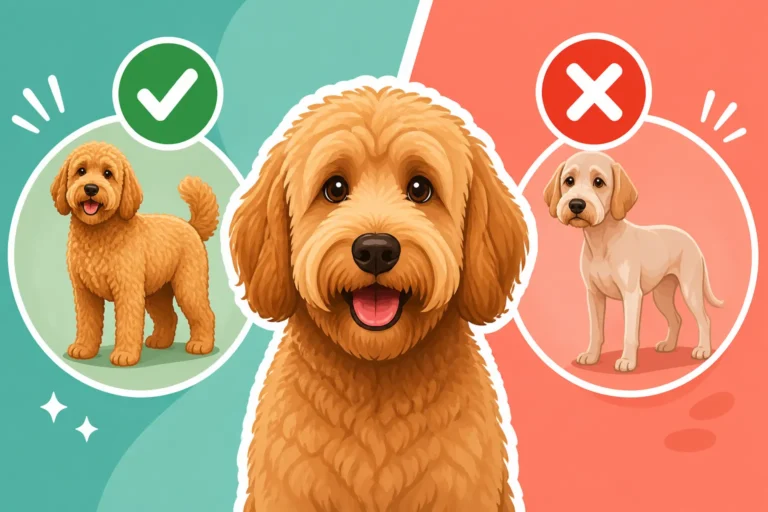
Just like us, older dogs experience a decline in certain bodily functions that directly impact their ability to regulate temperature and move comfortably in the cold. Their metabolism often slows down, which can reduce their internal heat production. You might notice their coat isn't quite as thick or lush as it once was, or perhaps they've lost some muscle mass, which provides natural insulation. These factors combined mean they simply don't have the same built-in defense against the cold as they did in their prime.
Beyond temperature regulation, joint health is a huge concern. Many older Labradoodles develop arthritis or other joint issues, and cold weather notoriously exacerbates these conditions. The damp, frigid air can make stiff joints ache even more, turning simple movements into painful endeavors. What was once a joyful romp in the snow can become a hesitant, painful shuffle. It’s not just about keeping them physically warm, but also protecting those vulnerable joints from the compounding effects of the cold. Arthritis in a Labradoodle at Ten is a common reality for many owners.
Recognizing Signs of Discomfort
Sometimes our dogs are stoic, and it can be hard to tell if they're truly uncomfortable or just a little bit chilly. However, there are some clear signs that your senior Labradoodle might be struggling with the winter weather. Look for shivering, even indoors, which is a definite indicator they're too cold. They might seek out warm spots more often, like curling up by a heater or burying themselves under blankets. A change in their gait, such as stiffness, limping, or reluctance to get up and move, especially after resting, can signal joint pain worsened by the cold. You might even notice them hunching their back or walking with a stiff, short stride, which are all attempts to minimize movement in painful areas.
Beyond physical signs, pay attention to behavioral changes. Are they less enthusiastic about walks, even short ones? Are they withdrawing more, or seem more irritable when handled, particularly around their joints? These subtle shifts are often their way of telling us they're not feeling their best. It's crucial to be observant, as early recognition allows you to step in and make them more comfortable before their discomfort escalates. It's important to differentiate between general old-age slowing and specific pain signals; for instance, struggling to rise could be a sign you need to read up on Supporting a Sixty Pound Labradoodle That Cannot Rise.
Tailoring Their Environment for Maximum Warmth and Comfort
Once you understand why winter is tougher, the next step is proactively creating a warm, safe haven for your senior Labradoodle. This involves considering both their indoor living spaces and their protection when they venture outside.
Indoor Sanctuary: Beds and Blankets
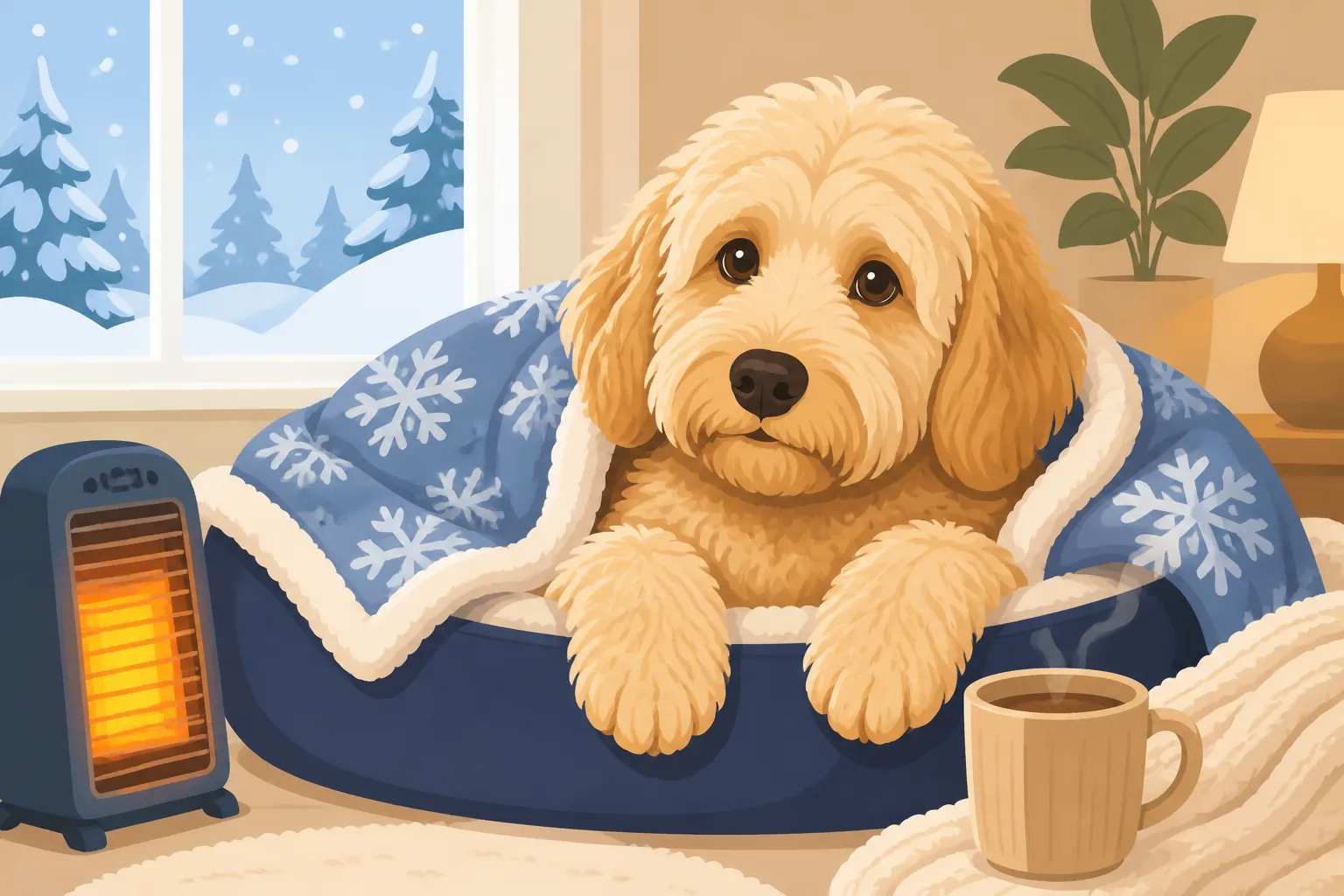
Your senior Labradoodle needs a warm, supportive place to rest, even more so in winter. A raised bed can keep them off cold floors, preventing drafts and providing a barrier against the chill that radiates from the ground. Orthopedic beds, often made with memory foam, are an absolute game-changer for arthritic joints, offering cushioned support that eases pressure points. You'll find a good selection of these on sites like Chewy or Amazon. Layering is key: add soft, thick blankets to their bed. Many older dogs love to burrow, so providing extra blankets allows them to create their own cozy nest.
Consider placing their bed in a warmer part of the house, away from drafty windows or doors. If your home has cold spots, a safe, low-wattage heating pad designed for pets can be placed under a blanket in their bed. Always ensure there's a barrier like a thick blanket between the heating element and their skin to prevent burns, and that they can move off it easily if they get too warm. Think of it as a warm hug for their aching joints.
Protecting Them Outdoors: Coats and Paw Care
Even senior Labradoodles need to go outside for potty breaks and a bit of fresh air, but they need extra protection. A well-fitting dog coat or sweater can make a huge difference in retaining body heat. Look for waterproof or water-resistant options that cover their back and belly, offering maximum warmth. This isn't just a fashion statement; it's a necessity for their core temperature.
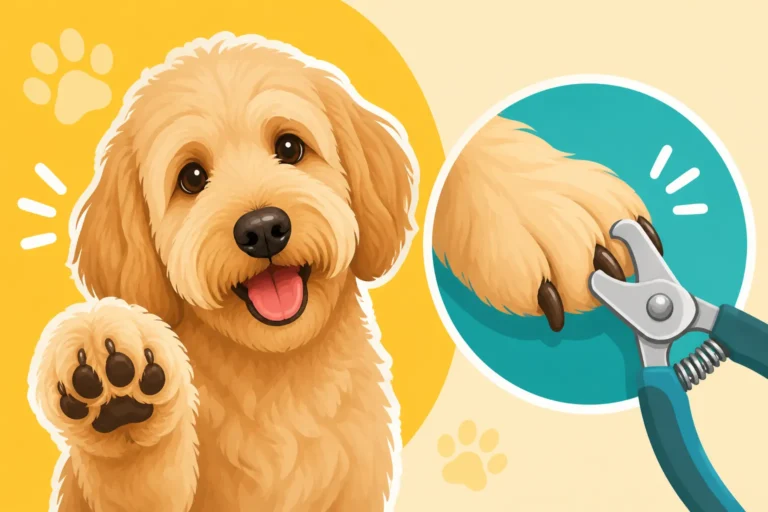
Paw care is also vital. Cold pavement, ice, and road salt can be harsh on sensitive paw pads, potentially causing pain, cracking, or irritation. Dog booties offer excellent protection, keeping their paws warm and safe from chemicals. If booties aren't an option, or if your Labradoodle simply won't tolerate them, a paw balm applied before and after walks can create a protective barrier. Wipe their paws thoroughly after every outing to remove any salt or ice melt that could cause irritation or be ingested when they lick their paws. Many owners find these types of products readily available from retailers like Chewy or Amazon.
Battling Drafts and Dry Air
Drafts are silent enemies of comfort. Take a walk through your home, especially near your Labradoodle's favorite resting spots, to identify any sneaky drafts coming from windows, doors, or even gaps in floorboards. Simple solutions like draft stoppers for doors, sealing window gaps, or even just repositioning their bed can make a big difference.
Winter air, especially indoors with heating systems running, tends to be very dry. This can exacerbate dry skin, leading to itching and discomfort for your Labradoodle. A humidifier in the rooms where your dog spends the most time can add much-needed moisture to the air, helping to soothe dry skin and improve respiratory comfort. Just like we appreciate moisture in the air during winter, so too will our furry friends, especially those with sensitive skin or existing respiratory conditions. Keeping an eye on What Changes in a Labradoodle's Coat After Ten can sometimes give clues to overall skin health.
Adjusting Diet and Hydration for the Colder Months
Nutrition and hydration play a critical role in maintaining your senior Labradoodle's health and comfort year-round, but winter presents specific considerations. Their metabolic needs might shift, and ensuring they stay well-hydrated can be more challenging.
Nutritional Needs: More or Less Calories?
It's a common misconception that all dogs need more calories in winter. For an active, working dog spending hours outdoors, that might be true. However, for a senior Labradoodle who is likely less active and spends more time indoors, their caloric needs might actually decrease, or at least remain stable. Excess weight can put additional strain on aging joints, so maintaining The Weight a Labradoodle Should Hold is paramount. Instead of simply increasing quantity, focus on quality. A high-quality, easily digestible senior dog food can provide the essential nutrients without unnecessary fillers.
Some senior dogs might benefit from a diet that supports joint health, rich in omega fatty acids, glucosamine, and chondroitin. You can look for senior-specific formulas or consider adding supplements. Discussing dietary adjustments with your vet is always the best approach. Some pet food companies, like Ollie, offer fresh, tailored meal plans that can be a great way to ensure your senior Labradoodle is getting optimal nutrition for their specific needs, taking into account their age and activity level. Feeding an Old Labradoodle That Has Slowed Down often requires a careful balance.
Ensuring Adequate Hydration
Even though the weather is cold, proper hydration remains crucial. In fact, drier indoor air and reduced outdoor activity might mean your Labradoodle isn't drinking as much water as they should. Dehydration can worsen constipation, impact kidney function, and reduce overall vitality. Make sure fresh water is always available and easily accessible.
Consider placing multiple water bowls around the house, especially near their favorite resting spots, to encourage more frequent drinking. Adding a little warm water to their kibble or incorporating wet food into their diet can also increase their daily water intake. Some dogs are enticed by water fountains, as the moving water is often more appealing than a still bowl. If you notice a significant decrease in their water consumption, or signs of dehydration, consult your veterinarian promptly.
Supplementing for Senior Health
As mentioned, supplements can be a great way to support your senior Labradoodle's health during the winter. Joint supplements are perhaps the most popular, helping to lubricate joints and reduce inflammation, which is especially important when the cold exacerbates arthritis. Omega-3 fatty acids, often found in fish oil, are fantastic for both joint health and skin and coat condition, combating dry winter skin.
Additionally, some older dogs might benefit from probiotics for gut health, or even cognitive supplements to support brain function if they are showing signs of Canine Cognitive Decline in an Old Labradoodle. Always discuss any new supplements with your veterinarian to ensure they are appropriate for your specific dog's health needs and won't interact negatively with any existing medications. Many quality supplements can be found at pet stores or online retailers like Chewy.
Safe Exercise and Joint Support for Winter Wellness
Maintaining a good routine of gentle exercise is still essential for senior Labradoodles, even in winter. It helps keep their muscles strong, supports joint flexibility, and provides vital mental stimulation. However, their winter exercise plan needs to be carefully managed to prevent injury and discomfort.
Gentle Movement and Indoor Play
Short, frequent walks are often better than one long excursion in cold weather. Pay close attention to your Labradoodle's cues. If they start to slow down, shiver, or seem reluctant to continue, it's time to head back inside. Adjust the length and intensity of walks based on the temperature and their individual comfort level. On very cold, icy, or snowy days, it might be best to keep outdoor trips strictly for potty breaks.
Don't underestimate the power of indoor play. Gentle games of fetch in the living room, hide-and-seek with treats, or puzzle toys can provide mental and physical stimulation without the risks of harsh outdoor conditions. These activities help keep their minds sharp and their bodies moving, which is crucial for overall well-being. Consider activities that don't put excessive strain on their joints. Exercise for a Stiff Old Labradoodle should focus on controlled, low-impact movements.
Managing Joint Pain and Stiffness
Beyond supplements, there are other ways to manage joint pain and stiffness that can worsen in winter. Physical therapy, including gentle massage and stretching, can be incredibly beneficial. Your vet might be able to recommend a certified canine rehabilitation therapist who can guide you on safe exercises and techniques. Warm compresses applied to sore joints can also provide temporary relief and increase blood flow.
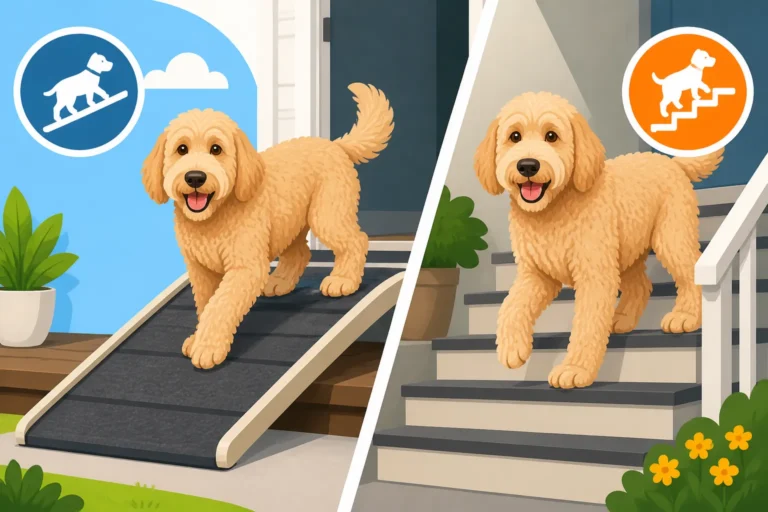
Ramps and steps can be a huge help, especially for larger Labradoodles who struggle with getting into cars or up onto furniture. Investing in ramps can prevent painful jumps and falls, reducing strain on their hips, knees, and elbows. Ramps and Steps for an Aging Labradoodle are not just conveniences; they can significantly improve their quality of life. For dogs with severe arthritis, your veterinarian might also discuss pain management medications, which can greatly enhance their comfort during the colder months.
When to Call the Vet
While we can do a lot to keep our senior Labradoodles comfortable, there are times when professional veterinary intervention is necessary. If your dog exhibits sudden lameness, extreme pain, or a marked decrease in mobility, it's time for a vet visit. Persistent shivering, lethargy, or a refusal to eat or drink could also indicate a more serious issue than just being cold. Any unusual swelling or warmth in their joints, or if their existing joint pain seems to be getting significantly worse despite your efforts, warrants a check-up.
Regular senior wellness exams are especially important in winter. These check-ups allow your vet to monitor their overall health, assess joint condition, discuss appropriate pain management strategies, and catch any underlying issues early. Remember, your vet is your best partner in ensuring your senior Labradoodle remains as comfortable and healthy as possible throughout their golden years, especially when facing the challenges of winter. Make sure your senior Labradoodle is getting The Yearly Screening a Labradoodle Should Get.
Winter Comfort Checklist for Senior Labradoodles
To help keep your senior Labradoodle as happy and comfortable as possible this winter, here’s a quick checklist of considerations:
| Category | Winter Consideration | Actionable Tips |
|---|---|---|
| Warmth Indoors | Decreased ability to regulate body temperature | Provide orthopedic, raised beds with plenty of blankets. Use pet-safe heating pads (with covers). Place beds away from drafts. |
| Outdoor Gear | Vulnerability to cold, ice, and salt | Invest in a warm, waterproof dog coat. Use booties for paw protection or apply paw balm. Wipe paws thoroughly after walks. |
| Joint Health | Arthritis and stiffness exacerbated by cold | Consider joint supplements (glucosamine, chondroitin, omega-3s). Gentle, low-impact exercise. Ramps for steps/furniture. Warm compresses on sore joints. Consult vet for pain management. |
| Nutrition | Potential changes in caloric needs, focus on quality | Maintain healthy weight; adjust food quantity based on activity. Choose high-quality senior dog food, possibly with joint support. Discuss with your vet or consider fresh food options like Ollie. |
| Hydration | Dry indoor air, reduced drinking | Ensure multiple, easily accessible water bowls. Add warm water to kibble or include wet food. Consider a pet water fountain. |
| Environment | Drafts and dry air | Seal windows/doors, use draft stoppers. Place a humidifier in living areas to combat dry air. |
| Grooming | Coat maintenance, especially for wool/fleece Labradoodles | Regular, gentle brushing to prevent mats, which can pull and irritate skin. Shorter trims may make grooming easier but ensure enough coat for warmth. Whether an Old Labradoodle Needs Shorter Grooms is a good question to ask your professional groomer. |
| Vet Care | Increased vulnerability to illness and discomfort | Maintain regular senior wellness exams. Contact vet immediately for sudden lameness, extreme pain, persistent shivering, or lethargy. |
| Mental Well-being | Reduced outdoor activity, cognitive decline | Engage in indoor games and puzzle toys. Keep routines consistent. Offer gentle interaction and comfort. |
Winter might be a bit more challenging for your senior Labradoodle, but with these thoughtful adjustments to their care routine, you can ensure they remain comfortable, healthy, and happy right through until spring. It's all about making those golden years as golden as possible for our furry family members. What a Labradoodle Owner Should Watch For After Eight becomes even more critical during colder seasons.
Disclaimer
This article is for general informational purposes only and does not constitute professional advice. Laws, prices and regulations vary by location and change over time. Consult a qualified professional for guidance on your specific situation.