Whether a Labradoodle Should Sleep Outside
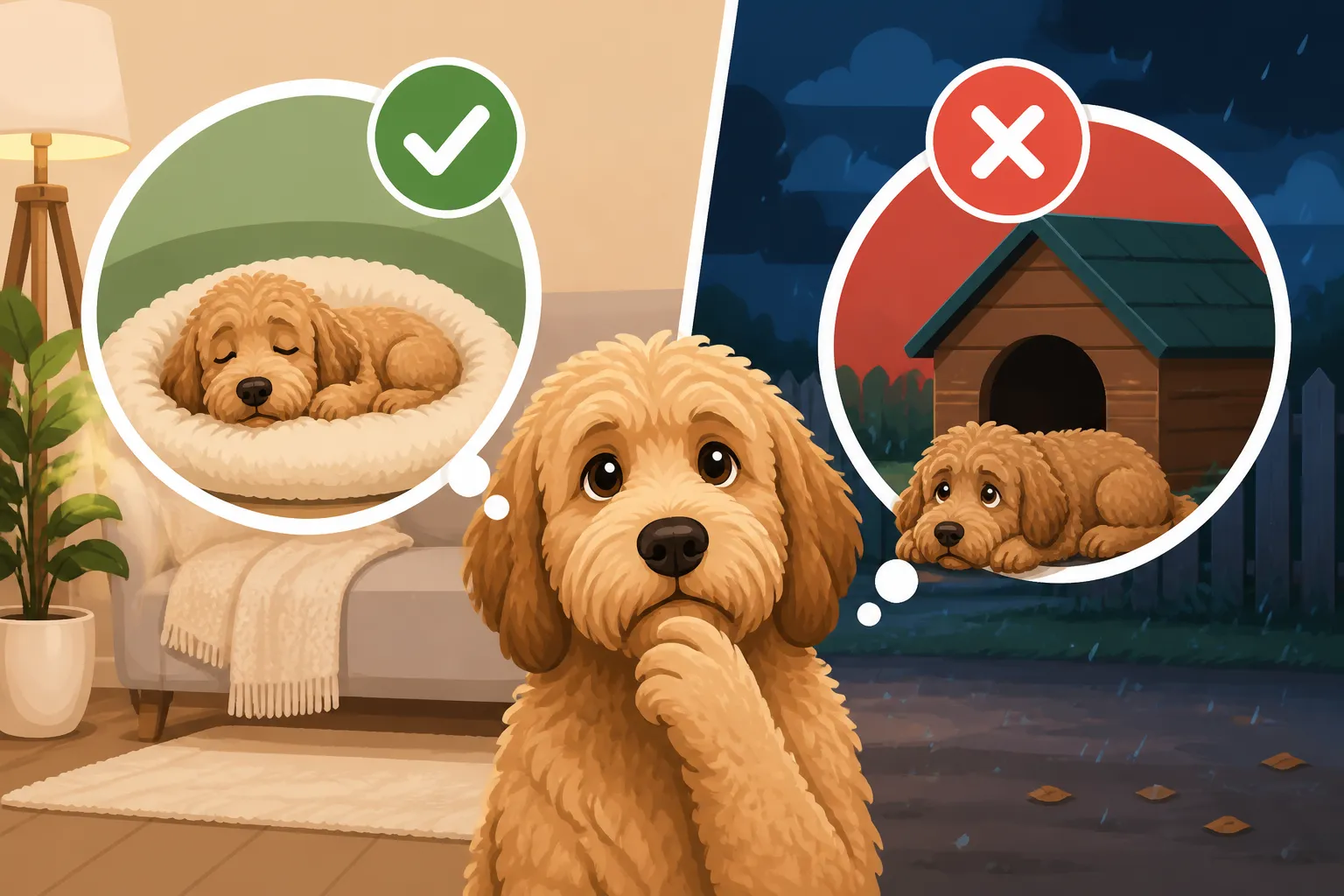
Many Labradoodle owners find themselves wondering about the best sleeping arrangements for their beloved furry family members. Perhaps you have a large backyard, or maybe you've grown up with dogs that lived outdoors, leading you to consider if your Labradoodle could thrive sleeping outside. This guide is here to tackle that very question, delving into the unique needs of a Labradoodle and exploring why, for the vast majority, sleeping inside with their human companions is not just preferred, but crucial for their health and happiness.
Understanding Your Labradoodle's Needs and Temperament
It's easy to look at a Labradoodle's fluffy coat and assume they're naturally equipped for outdoor living, but their ancestry and temperament tell a different story. These dogs are deeply connected to their human families and thrive on companionship, making prolonged outdoor stays a recipe for distress.
The Labradoodle's Social Nature
Labradoodles are renowned for their affectionate and "Velcro dog" personalities. They were initially bred with a strong desire to be close to people, stemming from both their Labrador Retriever and Poodle heritage. This isn't just a charming trait; it's a fundamental aspect of their emotional well-being. Leaving a Labradoodle to sleep outside, separated from the hustle and bustle of family life, can lead to profound loneliness and anxiety.
Imagine your Labradoodle, after a day of playing, snuggling, and being an integral part of your daily routine, suddenly finding themselves alone in the dark, cold night. For a dog that thrives on physical touch and constant interaction, this separation can be incredibly stressful. They don't understand why they're outside while their family is inside; they only feel the absence and isolation. This isn't about being pampered; it's about fulfilling a deep-seated need for belonging that is inherent to their breed. Ignoring this social drive can result in significant emotional distress, leading to behavioral problems that stem from unhappiness and insecurity. The Velcro Labradoodle That Cannot Be Left discusses this social dependency in more detail.
Coat Type and Insulation
While a Labradoodle's coat is one of its most distinctive features, it doesn't automatically qualify them for all-weather outdoor living. Labradoodle coats come in various types – hair, fleece, and wool – and each offers a different level of protection, but none are truly designed for continuous exposure to extreme elements without proper, insulated shelter and human interaction.
A "hair" coat, often seen in earlier generations, might shed more and offer less insulation than the desired fleece or wool. Even the dense, curly "wool" coat, which looks formidable against the cold, can become saturated with rain or snow, losing its insulating properties and potentially leading to hypothermia. Once wet, these coats are also prone to severe matting, especially when exposed to dirt, debris, and movement without regular grooming. This matting not only pulls painfully on the skin but also further compromises the coat's ability to regulate temperature. A matted coat creates pockets of trapped moisture and restricts airflow, leading to skin infections and making the dog either too hot or too cold. Even if you're diligent about brushing, a dog living outdoors will inevitably pick up burrs, leaves, and mud, accelerating mat formation. Whether a Wool Coat Labradoodle Needs Daily Work emphasizes the intensive grooming required for these coats even in ideal conditions.
Environmental Factors and Safety Concerns
Beyond their temperament, the external environment poses numerous risks to a Labradoodle sleeping outdoors. From unpredictable weather to lurking dangers, the great outdoors is often a far less safe place for a domestic dog than the sanctuary of your home.
Temperature Extremes
The biggest and most immediate threat to an outdoor-sleeping Labradoodle is exposure to extreme temperatures, both hot and cold. While their Poodle ancestry might give them a decent tolerance for cooler weather, they are still domestic animals and not equipped to handle prolonged exposure to freezing or sweltering conditions.
In winter, even a seemingly robust Labradoodle can suffer from hypothermia or frostbite. Their paw pads, ears, and tail are particularly vulnerable. A drafty dog house or inadequate bedding won't protect them from plummeting temperatures, especially at night when their metabolism slows down. The ground itself can wick away body heat quickly, making a simple wooden shelter insufficient. Conversely, summer heat can be equally dangerous. Labradoodles, especially those with thicker coats, can overheat rapidly, leading to heatstroke, which can be fatal. Direct sun exposure, lack of shade, and insufficient access to fresh, cool water are serious concerns. They cannot regulate their body temperature as effectively as humans, and being left outside in the heat, even with a dog house, does not provide the necessary cooling. Whether a Labradoodle Overheats in Summer explores the dangers of warm weather. Keeping an Old Labradoodle Comfortable in Winter also highlights the need for indoor warmth, especially for senior dogs.
Predation, Pests, and Poisons
Leaving your Labradoodle outside at night exposes them to a myriad of dangers, many of which are invisible until it's too late. Wildlife, no matter how rural or urban your setting, can pose a significant threat. Coyotes, raccoons, opossums, and even larger birds of prey might view a lone dog as prey or a competitor. These encounters can lead to severe injuries or even death, not to mention the psychological trauma for your dog.
Beyond predators, the outdoor environment is teeming with pests. Fleas, ticks, and mosquitoes are not just annoying; they carry diseases like Lyme disease, ehrlichiosis, heartworm, and West Nile virus. While preventative medications help, prolonged outdoor exposure significantly increases the risk of infestation and disease transmission. Furthermore, your yard or surrounding areas might contain plants poisonous to dogs, or accidental spills of antifreeze, pesticides, or other household chemicals. A Labradoodle left unsupervised outside, especially at night, has ample opportunity to investigate and ingest something harmful. These risks are greatly minimized when your dog sleeps safely inside, away from these hidden dangers.
Security and Escape Risks
Labradoodles are intelligent and often curious dogs. If left unattended outside, particularly overnight, they can become vulnerable to theft. Desirable breeds, even mixed ones, are unfortunately targets for unscrupulous individuals. A dog in a secure yard is still more accessible than one locked safely inside your home.
Moreover, a bored or anxious Labradoodle, feeling isolated or seeking companionship, might become an escape artist. They might dig under fences, chew through weak spots, or even learn to unlatch gates. This isn't necessarily a sign of a "bad" dog, but rather a natural instinct to seek out what they need – interaction and safety. An escaped dog faces dangers from traffic, getting lost, or encountering aggressive animals. The emotional toll on both you and your dog if they go missing is immense. Keeping them inside at night eliminates these security and escape concerns, providing peace of mind for everyone.
The Impact on Health and Behavior
The decision of where your Labradoodle sleeps extends far beyond comfort; it directly impacts their long-term mental and physical health and shapes their behavior within your family.
Mental and Emotional Well-being
A Labradoodle's mental and emotional landscape is deeply intertwined with their bond with their human family. Denying them the opportunity to sleep indoors, close to you, can have profound negative consequences. These dogs thrive on routine, security, and feeling like an integral part of the pack. When isolated outdoors, especially overnight, they can develop severe separation anxiety. This isn't merely missing you; it's a deep-seated panic that manifests in destructive behaviors like incessant barking, digging holes in your yard, or chewing on anything they can get their paws on – from garden furniture to fence posts.
This constant stress can lead to chronic anxiety, making them generally less confident and more prone to fear or aggression. A dog that is constantly worried about being left alone or exposed to unknown night sounds will not be a happy, well-adjusted pet. They may become overly needy when finally allowed indoors, or conversely, retreat and become less engaged. Truly, a Labradoodle's happiness and behavioral stability are maximized when they feel secure and connected to their family, and sleeping indoors reinforces that bond. Telling an Anxious Labradoodle From an Under Exercised One dives into how these behaviors can manifest.
Physical Health Risks
Beyond the immediate dangers of temperature extremes and pests, chronic outdoor living can contribute to a range of physical health problems for a Labradoodle. Their characteristic drop ears, inherited from both parent breeds, make them prone to ear infections. When sleeping outside, especially in damp conditions, moisture can easily become trapped in the ear canal, creating a perfect breeding ground for bacteria and yeast. This can lead to painful, recurring infections that require veterinary intervention. Ear Infections Built Into a Labradoodle's Drop Ear highlights this common issue.
Furthermore, their dense coats, while beautiful, require careful maintenance. Constant exposure to dirt, dampness, and various environmental irritants can exacerbate skin conditions such as hot spots, allergies, or even sebaceous adenitis, a genetic condition seen in Poodles. Sebaceous Adenitis in a Labradoodle's Skin is a serious concern for the breed, and exposure to adverse conditions can worsen symptoms. Cold, damp conditions can also exacerbate existing joint issues, such as hip or elbow dysplasia, which are known in the parent breeds. Lying on hard, cold surfaces for extended periods can increase discomfort and inflammation in susceptible dogs, potentially speeding up the onset of arthritis or worsening its symptoms.
Maintaining the Labradoodle Coat
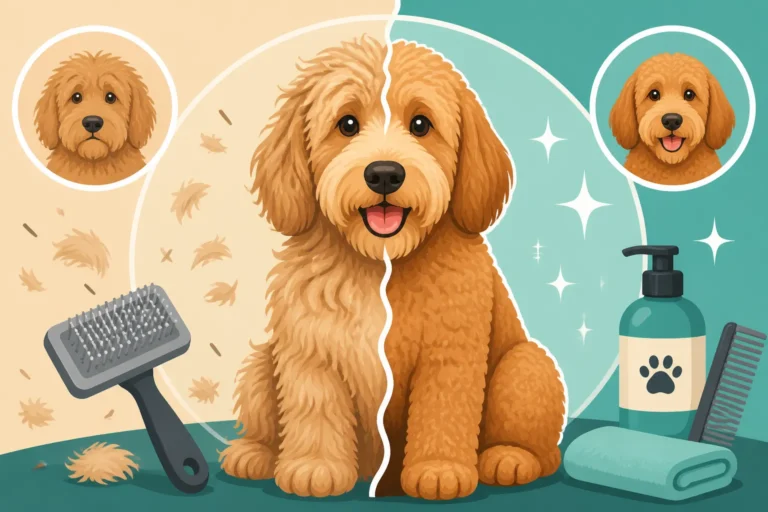
One of the most appealing aspects of a Labradoodle is its unique, low-shedding coat. However, this coat requires significant maintenance to remain healthy, clean, and mat-free. Attempting to keep a Labradoodle in prime coat condition while they sleep outside is an uphill battle, if not an impossible one. Dirt, mud, leaves, burrs, and other debris from the outdoor environment will constantly become entangled in their curls or waves.
Even with daily brushing, an outdoor-sleeping Labradoodle's coat will quickly become matted and soiled. Mats form notoriously quickly, especially behind the ears, in the armpits, and around the tail. These mats pull on the skin, causing pain and creating ideal conditions for skin infections. They also make grooming extremely difficult and often necessitate a full shave-down by a professional groomer, which can be traumatic for the dog and costly for the owner. The goal of a low-shedding, allergy-friendly coat is utterly defeated if it's perpetually matted and dirty. Indoor living significantly reduces environmental exposure, making regular grooming much more effective and comfortable for your Labradoodle. For more on preventing mats, see Where Mats Form First on a Labradoodle and The Line Brushing a Labradoodle Coat Needs.
Providing Appropriate Shelter and Care
If, for exceptional reasons, a Labradoodle must spend time outdoors, understanding what constitutes truly adequate shelter and care is paramount. However, it's vital to reiterate that these measures aim to mitigate risk during supervised daytime hours, not replace the safety and companionship of indoor sleeping.
The Definition of Adequate Shelter
When we talk about "shelter" for a dog, it's easy to picture a simple dog house. For a Labradoodle, particularly in varied climates, a run-of-the-mill dog house is often woefully inadequate. Proper outdoor shelter must be more akin to a miniature, insulated home. It needs to be waterproof, with a sturdy, elevated floor to protect against ground dampness and temperature transfer. Insulation in the walls, floor, and roof is critical to maintain a stable internal temperature, preventing both excessive heat loss in winter and heat gain in summer.
Furthermore, the size is crucial: large enough for the dog to stand, turn around, and lie down comfortably, but small enough to retain body heat efficiently. A door flap can help keep drafts out. In colder climates, a safe, pet-specific heating pad or lamp might be necessary, but this introduces electrical risks. In warmer areas, excellent ventilation and shade are non-negotiable. Without these precise conditions, a dog house offers little more than token cover, leaving your Labradoodle vulnerable to the elements and far from comfortable. Even with the best setup, it's crucial that this space is used only for temporary outdoor stays, never as a primary sleeping quarters.
Best Practices for Outdoor Time
While sleeping outside is generally not recommended for Labradoodles, there are best practices for supervised outdoor time to ensure their safety and comfort. Firstly, all outdoor time should be supervised. This means you are actively present, watching your dog, and interacting with them. Never leave them alone for extended periods, especially when temperatures are extreme. During warmer months, ensure constant access to fresh, cool water, perhaps even having multiple bowls. Provide ample shade, whether from trees, an umbrella, or a covered patio. Cooling mats, easily found on Chewy or Amazon, can also offer relief on hot days.
In colder weather, limit outdoor exposure, especially for puppies or senior Labradoodles, who are more susceptible to the cold. Consider a dog coat or sweater if they have a thinner fleece or hair coat, or if they just seem chilly. Always check their paw pads for ice or snow accumulation, or consider dog booties for extra protection. After any outdoor adventure involving water, such as swimming in a lake or playing in the rain, make sure to thoroughly dry their coat, paying special attention to their ears to prevent moisture-related issues. Drying a Labradoodle After It Swims emphasizes this important step.
Investing in Comfort and Safety
If your Labradoodle spends any significant amount of time outdoors during the day, making that space as comfortable and safe as possible is a worthy investment. Secure fencing is non-negotiable to prevent escapes and keep out unwanted visitors. This should be high enough to deter jumping and extend below ground to prevent digging. Consider double-gating entry points for an extra layer of security.
For comfort, raised dog beds are excellent. They keep your Labradoodle off cold or hot ground, promoting better air circulation and reducing pressure on joints. Brands like Chewy offer a wide variety of durable, elevated beds suitable for outdoor use. For mental stimulation during supervised outdoor time, engage them with puzzle toys or a Kong stuffed with a treat. High-quality treats, perhaps from a brand like Ollie, can be excellent motivators for training and keeping them engaged. Remember, these investments enhance supervised outdoor time; they are not a substitute for the emotional and physical security of sleeping indoors. No matter how many gadgets or comfortable items you provide, they cannot replace the companionship and safety of being part of your indoor family.
| Feature | Sleeping Indoors for a Labradoodle | Sleeping Outdoors for a Labradoodle |
|---|---|---|
| Companionship | High, reinforces bond, reduces anxiety | Low, leads to loneliness, separation anxiety, destructive behaviors |
| Safety | High, protection from predators, theft, traffic, poisons, pests | Low, exposure to wildlife, insect-borne diseases, chemical ingestion, theft |
| Temperature | Regulated, comfortable in all seasons | Vulnerable to extreme heat (heatstroke) and cold (hypothermia/frostbite) |
| Coat Health | Easier to keep clean, reduces matting, prevents skin issues | Constant exposure to dirt/debris, severe matting, increased skin infections |
| Behavior | Generally calmer, better-adjusted, fewer behavioral problems | Increased barking, digging, chewing, anxiety-related issues |
| Cleanliness | Less dirt, mud, and external allergens brought into the home | More dirt, mud, and external allergens tracked indoors |
| Bonding | Strengthened through shared space and nightly routine | Weakened by physical separation and perceived isolation |
| Health Monitoring | Easier to observe changes in health, appetite, or discomfort | More difficult to monitor subtle health changes |
Disclaimer
This article is for general informational purposes only and does not constitute professional advice. Laws, prices and regulations vary by location and change over time. Consult a qualified professional for guidance on your specific situation.