Addison’s Disease a Labradoodle Inherits From the Poodle
It's incredibly tough when your beloved Labradoodle isn't acting quite right, but their symptoms are so vague and inconsistent that you can't quite put your finger on it. You might see them looking tired, refusing a meal, or having a few bouts of unexplained vomiting, only for them to bounce back for a day or two, leaving you wondering if you imagined it. This frustrating pattern is often the subtle beginning of a condition called Addison's disease, which Labradoodles can inherit from their Poodle ancestry. This comprehensive guide will help you understand what Addison's disease is, how to spot its elusive signs, and how to effectively manage it to ensure your Labradoodle lives a long, happy life.
The Hidden Threat: What is Addison's Disease in Labradoodles?
Addison's disease, also known as hypoadrenocorticism, is a tricky condition because it often presents itself as something less serious, earning it the nickname "the great pretender." For Labradoodle owners, understanding this disease is crucial due to the breed's genetic lineage.
Unpacking Adrenocortical Insufficiency
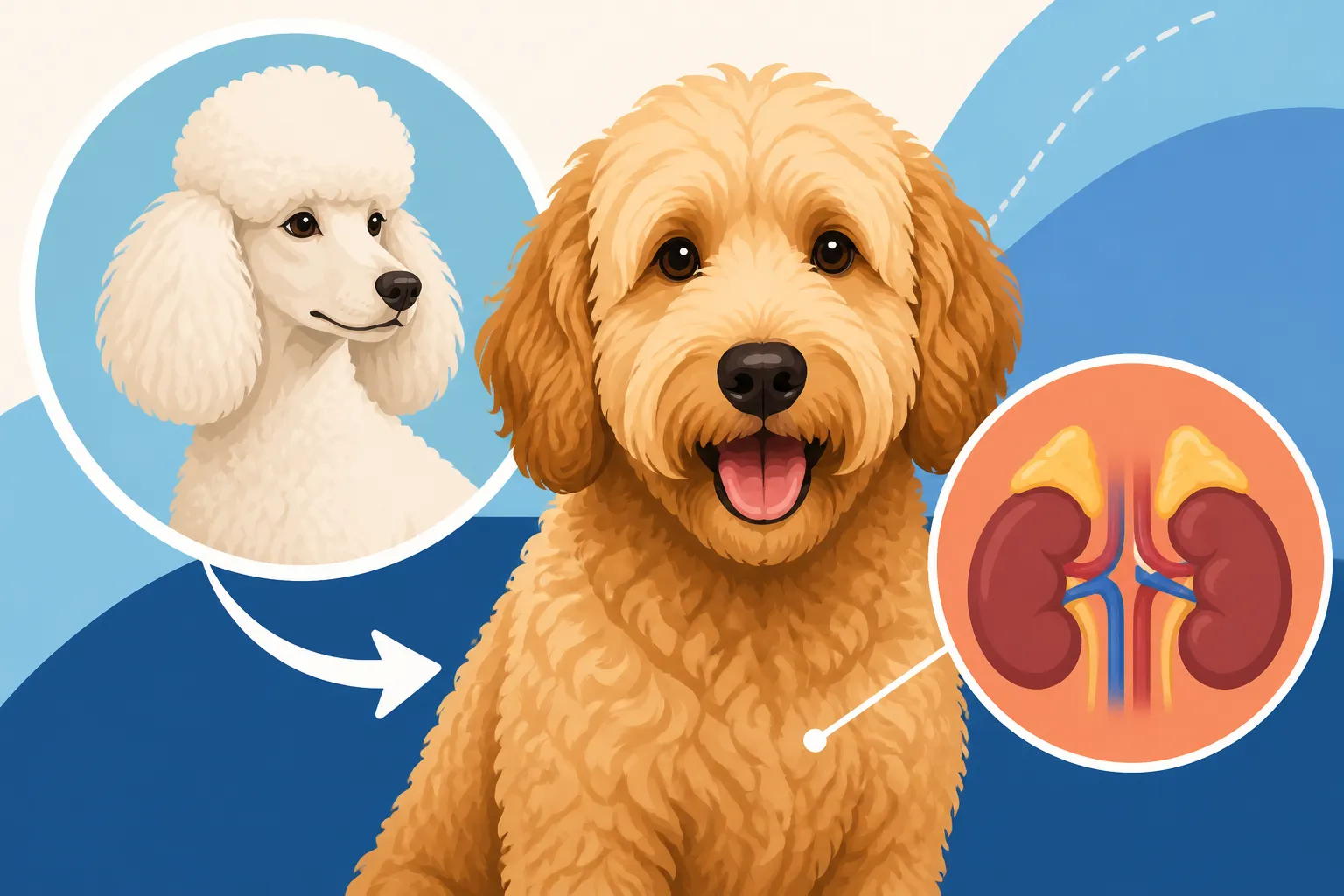
At its core, Addison's disease means your dog's adrenal glands aren't pulling their weight. These small, but mighty, glands sit atop the kidneys and are responsible for producing vital hormones: corticosteroids (like cortisol) and mineralocorticoids (like aldosterone). Cortisol is essential for managing stress, regulating metabolism, and suppressing inflammation, while aldosterone controls the balance of electrolytes (sodium and potassium) in the body, which directly impacts blood pressure and hydration.
When a dog has Addison's, these glands fail to produce enough of these hormones. This deficiency leads to a cascade of problems. Imagine your body suddenly losing its ability to regulate stress, blood sugar, or even fluid balance – that's what's happening internally. It’s typically a primary form of Addison's, meaning the immune system mistakenly attacks and destroys the adrenal glands themselves. Secondary Addison's, where the pituitary gland fails to stimulate the adrenals, is much rarer but can also occur. The impact on your Labradoodle can range from subtle "off" days to life-threatening crises, depending on how severe the hormonal imbalance becomes.
Why the Poodle Side Matters for Inheritance
One of the significant reasons Labradoodle owners need to be aware of Addison's is its genetic link, particularly through the Poodle side of their family tree. Standard Poodles, in particular, have a known predisposition to Addison's disease, and this vulnerability can be passed down to their Labradoodle offspring. While Labrador Retrievers are generally less commonly affected, the Poodle's strong genetic influence means that a Labradoodle automatically carries a higher risk than many other breeds.
It's not as simple as "if one parent has it, the puppy will." Instead, it's believed to be a polygenic condition, meaning multiple genes are involved, making the inheritance pattern complex. However, the presence of these predisposing genes within the Poodle population means that a percentage of Labradoodles will unfortunately inherit this increased susceptibility. This genetic vulnerability highlights why understanding the full health history of your dog's Poodle ancestors is so important. As you delve deeper into your Labradoodle's genetic makeup, you'll find that many of their characteristics, both good and bad, ultimately Which Labradoodle Traits Come From the Poodle.
Understanding the Genetic Risk in Labradoodles
The genetic lottery is a powerful thing, and when it comes to Labradoodles, it means a varied risk profile for Addison's disease. Whether you have an F1 (first-generation cross between a Labrador and a Poodle), an F1b (F1 Labradoodle bred back to a Poodle), or a multigen Labradoodle, the Poodle genetic contribution means the risk persists. It's often debated Whether an F1 Labradoodle Is Less Likely to Get Addison's, but the truth is, while hybrid vigor might offer some protective effect against certain conditions, Addison's, with its complex inheritance, can still emerge in any generation.
Breeders committed to responsible practices will carefully research the health history of their breeding stock, especially the Poodle lines, looking for any incidence of Addison's. However, because the disease can have a late onset and ambiguous symptoms, it can sometimes go undiagnosed in a breeding dog or its relatives, making prevention a constant challenge. Knowing your Labradoodle carries this potential risk isn't about fear; it's about informed vigilance. It empowers you to recognize the signs early and seek veterinary care promptly, potentially saving your dog's life.
Decoding the Cryptic Symptoms: Recognizing Addison's in Your Labradoodle
Addison's disease is notorious for being hard to spot, especially in its early stages. This isn't your fault, it’s just how the disease manifests. The signs often come and go, making it easy to dismiss them as minor ailments or simply a "bad day."
The Elusive "Great Pretender"
Imagine your normally vibrant Labradoodle suddenly seems a bit "off." Maybe they're more tired than usual, skip a meal, or have a loose stool, but then they perk up, and everything seems normal again. This waxing and waning nature of early Addisonian symptoms is precisely why it's called "the great pretender." Owners often attribute these subtle changes to stress, a sensitive stomach, or just general malaise. It's frustrating because there's no clear-cut symptom screaming "Addison's!" which makes early diagnosis a real challenge.
Perhaps your Labradoodle, usually a robust eater, turns their nose up at dinner a couple of times a week. Or you notice they're a little more subdued on their walks, not quite as enthusiastic to chase the ball. These intermittent signs are easy to brush off, especially if your dog seems to recover completely afterward. This unfortunately means that many loving owners miss The Vague Signs of Addison's in a Labradoodle until the disease progresses to a more severe stage. Keeping a diary of any unusual behaviors or symptoms, no matter how minor, can be incredibly helpful for your vet later on.
Identifying the Signs Before a Crisis
While the symptoms can be vague, there are persistent subtle indicators that, when viewed collectively, can raise a red flag. Beyond the intermittent lethargy and appetite loss, you might notice your Labradoodle starting to lose weight gradually without any change in diet. They might show increased thirst, leading to more frequent urination, which some owners might mistake for simple dehydration or even early kidney issues. You might also observe shivering, muscle weakness, or a general lack of stamina during exercise.
A common sign can also be mild gastrointestinal upset – occasional vomiting or diarrhea that doesn't seem linked to anything specific they've eaten. Some dogs might even develop a duller coat or experience hair loss. The key here is persistence or recurrence. If these subtle changes keep happening, even if your dog seems okay in between, it's worth a visit to your vet. You don't want to be among those owners who regret missing The Signs Owners Miss Before a Labradoodle Crashes only when it's too late. Trust your gut; if something feels off, get it checked out.
The Dramatic Addisonian Crisis
Unfortunately, for many Labradoodles, the diagnosis only comes when they experience an acute Addisonian crisis. This is a life-threatening emergency where the adrenal glands completely fail, leading to a sudden and severe drop in vital hormones. Your dog might collapse, become extremely weak, exhibit severe and unrelenting vomiting and diarrhea, and their gums might appear pale due to shock. They may also have a slow, weak pulse and low body temperature.
This sudden collapse occurs because the body can no longer regulate its electrolytes and blood pressure, leading to profound shock. In such a critical state, immediate veterinary intervention is paramount. This isn't something you can wait out; it requires emergency hospitalization, intravenous fluids, and immediate hormone replacement therapy. This terrifying experience is often the first definitive indicator for many owners that something serious is happening, underscoring the importance of knowing the subtle signs beforehand. When facing such an emergency, knowing your pet insurance, like a plan from Healthy Paws, might offer critical support for the unexpected costs can be a huge relief.
The Path to Diagnosis: Confirming Addison's Disease
Because Addison's disease is such a masterful mimic of other ailments, getting a definitive diagnosis requires a specific approach from your veterinarian. It’s a journey of elimination and confirmation.
Initial Veterinary Assessment
When you bring your Labradoodle in with those vague, on-again, off-again symptoms, your vet will start with a thorough physical exam and a detailed history. They’ll be looking for signs like dehydration, low body temperature, a slow heart rate, or abdominal pain. However, these signs aren't unique to Addison's. The next step usually involves a baseline blood panel and urinalysis.
What your vet will be particularly interested in are electrolyte imbalances. A classic indicator of primary Addison's is abnormally high potassium and low sodium levels in the blood, often alongside elevated kidney values that mimic kidney failure. However, not all Addisonian dogs will show these classic electrolyte changes (this is called atypical Addison's), making it even harder to diagnose. Your vet might also see anemia, an elevated white blood cell count (stress leukogram), or low blood sugar. While these findings strongly suggest Addison's, they aren't enough for a definitive diagnosis, as other conditions can cause similar abnormalities. Knowing How Addison's Is Diagnosed in a Labradoodle is key to understanding the process your vet will undertake.
The Definitive ACTH Stimulation Test
If the initial bloodwork and clinical signs point towards Addison's, the next crucial step is the ACTH (Adrenocorticotropic Hormone) stimulation test. This test is considered the gold standard for diagnosing Addison's disease. Here's how it generally works:
- Baseline Blood Sample: Your vet will first collect a blood sample from your Labradoodle to measure their baseline cortisol level. This shows how much cortisol their adrenal glands are producing naturally at that moment.
- ACTH Administration: Your Labradoodle will then receive an injection of synthetic ACTH. ACTH is the hormone normally produced by the pituitary gland that tells the adrenal glands to produce cortisol.
- Second Blood Sample: After a specific waiting period (usually one hour, but sometimes two, depending on the protocol), another blood sample is collected to measure the cortisol level again.
The interpretation is straightforward: in a healthy dog, the adrenal glands will respond to the synthetic ACTH by producing a significant amount of cortisol, resulting in a much higher second cortisol level. In a dog with Addison's disease, however, the damaged adrenal glands are unable to produce adequate cortisol, so the second blood sample will show little to no increase in cortisol – it will look "flat." This lack of response definitively confirms the diagnosis. Understanding The ACTH Test That Confirms Addison's in a Labradoodle will help you grasp why this test is so vital.
Differentiating from Other Conditions
Given how Addison's mimics so many other diseases, your vet's job also involves ruling out other possibilities. Conditions like kidney failure, severe gastrointestinal upset (pancreatitis, inflammatory bowel disease), and even certain types of poisoning can present with similar symptoms. For instance, a collapsed Labradoodle might also be suffering from Exercise Induced Collapse and the Labradoodle's Labrador Half, a different genetic condition, or even severe heatstroke.
Your vet might perform additional tests such as abdominal ultrasounds to check the adrenal glands, or specific blood tests to rule out other organ failures. It's a process of careful elimination. For example, some symptoms of Addison's might even be mistaken for Telling Cushing's From Addison's in a Labradoodle, which is essentially the opposite condition (overproduction of adrenal hormones). This thorough diagnostic process ensures that your Labradoodle receives the correct diagnosis and, therefore, the most effective treatment for their specific condition, rather than wasting time and resources on therapies that won't work.
Living with an Addisonian Labradoodle: Management and Care
Receiving an Addison's diagnosis can feel overwhelming, but the good news is that with proper management, Labradoodles can lead completely normal, happy lives. It truly is a manageable condition.
Lifelong Medication and Monitoring
The cornerstone of Addison's management is lifelong hormone replacement therapy. Your Labradoodle will typically require two main types of medication:
- Mineralocorticoid Replacement: This is usually an injectable medication, like desoxycorticosterone pivalate (DOCP), often known by brand names like Percorten-V or Zycortal. This injection is given every 21-30 days and replaces the aldosterone that the adrenal glands are no longer producing. It's crucial for regulating electrolytes and maintaining blood pressure. Many owners learn to administer these injections at home after proper training from their vet, which can be a real game-changer for convenience and reducing stress on your dog. Learning about Monthly Injections for an Addisonian Labradoodle can help you prepare for this routine.
- Glucocorticoid Replacement: This is typically given as a daily oral prednisone tablet. Prednisone replaces the cortisol and helps manage stress and inflammation. The dose is usually very low, just enough to supplement what the body isn't making.
Regular monitoring is also critical. Your vet will want to perform blood tests, especially electrolyte checks, periodically (often before the next DOCP injection) to ensure the medication dosages are optimal. Adjustments might be needed over time, particularly for the prednisone dose during periods of stress. This lifelong commitment to medication and monitoring is essential for your Labradoodle's well-being. The financial aspect of these ongoing treatments can be substantial, which is where having pet insurance, such as a plan from Healthy Paws, can really make a difference by covering the continuous cost of these medications.
Handling Stress and Emergency Protocols
Even with consistent medication, stress can be a significant factor for an Addisonian Labradoodle. Since their natural ability to produce extra cortisol in response to stress is compromised, they need extra support during challenging times. Stressful situations include vet visits, grooming appointments, car travel, boarding, or any changes to their routine or environment. During these times, your vet will likely advise you to temporarily increase your dog's prednisone dose to help their body cope.
It’s also crucial to have an emergency plan in place. This includes knowing the signs of an impending Addisonian crisis (even with medication, it can happen if doses are missed or stress is extreme), having your vet's emergency contact information readily available, and understanding what to do if your dog crashes. This preparedness is vital because a crisis can escalate rapidly. Having a clear emergency protocol will help you act quickly and confidently, ensuring your dog gets the immediate care they need. Being prepared for Whether an Addisonian Labradoodle Needs an Emergency Plan is not just smart, it's essential for peace of mind.
Quality of Life for an Addisonian Dog
The incredible truth about Addison's disease is that, once diagnosed and properly managed, most Labradoodles can go on to live a completely normal, vibrant life. They can enjoy their walks, playtime, and family snuggles just like any other dog. The key is strict adherence to their medication schedule and vigilant observation for any subtle changes in their behavior or health.
It's a testament to modern veterinary medicine that a condition that used to be a death sentence is now so manageable. Your Labradoodle won't feel sick or compromised if their hormone levels are kept balanced. You'll still need to maintain regular vet check-ups, probably every six months once stable, to monitor their overall health and make sure their medication is still working effectively. It's truly comforting to know that despite the initial scare, with dedication, Whether an Addisonian Labradoodle Lives Normally is a resounding yes. Your Addisonian Labradoodle can continue to be the joyous, goofy companion you know and love.
Preventing Addison's: Breeder Responsibility and Health Testing
While we can manage Addison's, prevention is always the ideal goal. This is where responsible breeding practices and informed choices by prospective owners come into play.
The Role of Responsible Breeding
Responsible Labradoodle breeders understand the importance of minimizing the risk of genetic diseases like Addison's. Because the inheritance pattern is complex and likely polygenic, there isn't a single DNA test to definitively clear a dog. However, ethical breeders will:
- Research Pedigrees: They delve deep into the health history of their breeding stock, meticulously reviewing the health of parents, grandparents, and siblings, particularly on the Poodle side, for any incidence of Addison's. They will avoid breeding dogs from lines with a known history of the disease.
- Be Transparent: A good breeder will be open and honest about any health concerns in their lines and will discuss the prevalence of certain conditions, including Addison's, in Poodles.
- Prioritize Health: Their focus is on producing healthy puppies, not just on coat type or color. This commitment means making tough decisions about which dogs to breed based on overall health.
While Addison's can be challenging to breed away from entirely due to its elusive nature and late onset, responsible breeders play a crucial role in trying to reduce its incidence by carefully selecting their breeding pairs. Understanding The Health Tests a Labradoodle Breeder Should Show will empower you to identify reputable breeders who take their responsibilities seriously.
Why Prospective Owners Must Ask Questions
As a prospective Labradoodle owner, you have a vital role in preventing the spread of genetic diseases. Don't be afraid to ask your potential breeder direct and specific questions about Addison's disease:
- Ask about Poodle lines: Inquire about the specific Poodle lineage used in their breeding program and whether there's any history of Addison's in those lines.
- Discuss overall health testing: Beyond Addison's, ask about other health clearances. Reputable breeders will perform hip and elbow evaluations, eye certifications, and DNA tests for other known Poodle and Labrador genetic conditions (like PRCD-PRA or EIC).
- Review health guarantees: Understand what their health guarantee covers and for how long. While a guarantee can't prevent a disease, it shows a breeder's commitment to standing behind their puppies.
If a breeder seems hesitant to discuss health issues, or dismisses your concerns about genetic conditions, that's a significant red flag. Choosing a breeder who is knowledgeable, transparent, and proactive about health testing is one of the best ways to increase your chances of bringing home a healthy Labradoodle. Remember, buying Whether a Labradoodle From Untested Parents Is a Risk means you're taking on a much higher gamble with your future companion's health.
The Financial Landscape of Addison's Disease
An Addison's diagnosis isn't just an emotional challenge; it also comes with significant financial considerations due to ongoing care. Understanding these costs upfront can help you plan and manage your Labradoodle's health journey.
Understanding the Costs Involved
The costs associated with Addison's disease can be broken down into three main categories: diagnosis, emergency care, and ongoing maintenance.
- Diagnostic Costs: The initial work-up, including blood panels, urinalysis, and particularly the definitive ACTH stimulation test, can range from a few hundred to over a thousand dollars, depending on your location and veterinary clinic. Learning about The Bill for Diagnosing Addison's in a Labradoodle can give you a clearer picture.
- Emergency Crisis Care: If your Labradoodle goes into an Addisonian crisis, the costs can skyrocket. Emergency stabilization, intravenous fluids, medication, and overnight hospitalization can easily run into several thousands of dollars, often between $2,000 and $7,000 or more, especially if specialty care is required.
- Ongoing Maintenance: This is the long-term cost. Monthly injections of DOCP (Percorten-V or Zycortal) can cost anywhere from $80 to $200+ per vial, depending on your dog's size and the dose required. Daily prednisone is usually less expensive but still adds up. Regular bloodwork to monitor electrolyte levels (every 3-6 months) can be another $100-$300 per visit. Over a year, these maintenance costs can easily range from $1,500 to $3,000+.
To put this into perspective, here's a general cost breakdown:
| Cost Category | Estimated Range (USD) | Notes |
|---|---|---|
| Diagnosis | $300 – $1,500 | Includes initial exams, bloodwork, urinalysis, ACTH stim test. |
| Emergency Crisis | $2,000 – $7,000+ | Hospitalization, IV fluids, emergency medications. |
| Monthly Injections | $80 – $200+ per vial | DOCP (Percorten-V, Zycortal) depending on dog size. |
| Daily Prednisone | $10 – $50 per month | Oral glucocorticoid. |
| Routine Bloodwork | $100 – $300 per visit (every 3-6 months initially) | To monitor electrolytes and medication effectiveness. |
| Annual Maintenance | $1,500 – $3,000+ | Sum of monthly meds and regular bloodwork over a year. |
These figures can vary widely based on your geographic location, your veterinarian's fees, and any complications. It's a significant financial commitment, but one that ensures your Labradoodle can lead a healthy life. For specific figures, you might want to look into Monthly Fludrocortisone for an Addisonian Labradoodle or What an ACTH Stimulation Test Costs a Labradoodle Owner for a more localized breakdown.
The Lifeline of Pet Insurance
Given the substantial costs associated with a lifelong condition like Addison's disease, pet insurance can be an absolute lifesaver. It’s important to understand how it works:
- Early Enrollment is Key: The golden rule of pet insurance is to enroll your Labradoodle before any symptoms of Addison's appear. Once a condition is diagnosed, it's typically considered "pre-existing" and will not be covered by most insurance policies. So, if you're getting a new puppy or a young adult, signing up for insurance as soon as possible is highly advisable.
- Coverage for Chronic Conditions: Many reputable pet insurance providers, like Healthy Paws, offer comprehensive plans that cover chronic conditions, which include Addison's disease. This means once your dog is diagnosed and covered, the policy will help with the costs of ongoing medications, regular blood tests, and even emergency care related to the condition for the duration of the policy. Asking Whether Lifelong Addison's Medication Is Covered is a critical question when researching policies.
- What to Look For: When researching pet insurance, pay close attention to the deductible, reimbursement percentage, and annual limits. Also, clarify how they handle hereditary conditions. While Addison's is not usually breed-specific enough to be automatically excluded like some conditions (e.g., specific hip issues for certain large breeds), it's always wise to confirm.
Investing in a good pet insurance policy can turn a potentially devastating financial burden into a manageable one, allowing you to focus on your Labradoodle's health rather than worrying about the bills. Always ask potential providers directly, particularly about Whether Addison's Is Excluded on a Labradoodle Policy, to ensure you get the coverage you need.
Disclaimer
Please remember that this article is intended for informational purposes only and should not be considered a substitute for professional veterinary advice. Always consult with your veterinarian for any health concerns or before making any decisions about your Labradoodle's medical care. Every dog is unique, and a qualified veterinary professional can provide the best guidance tailored to your specific situation.