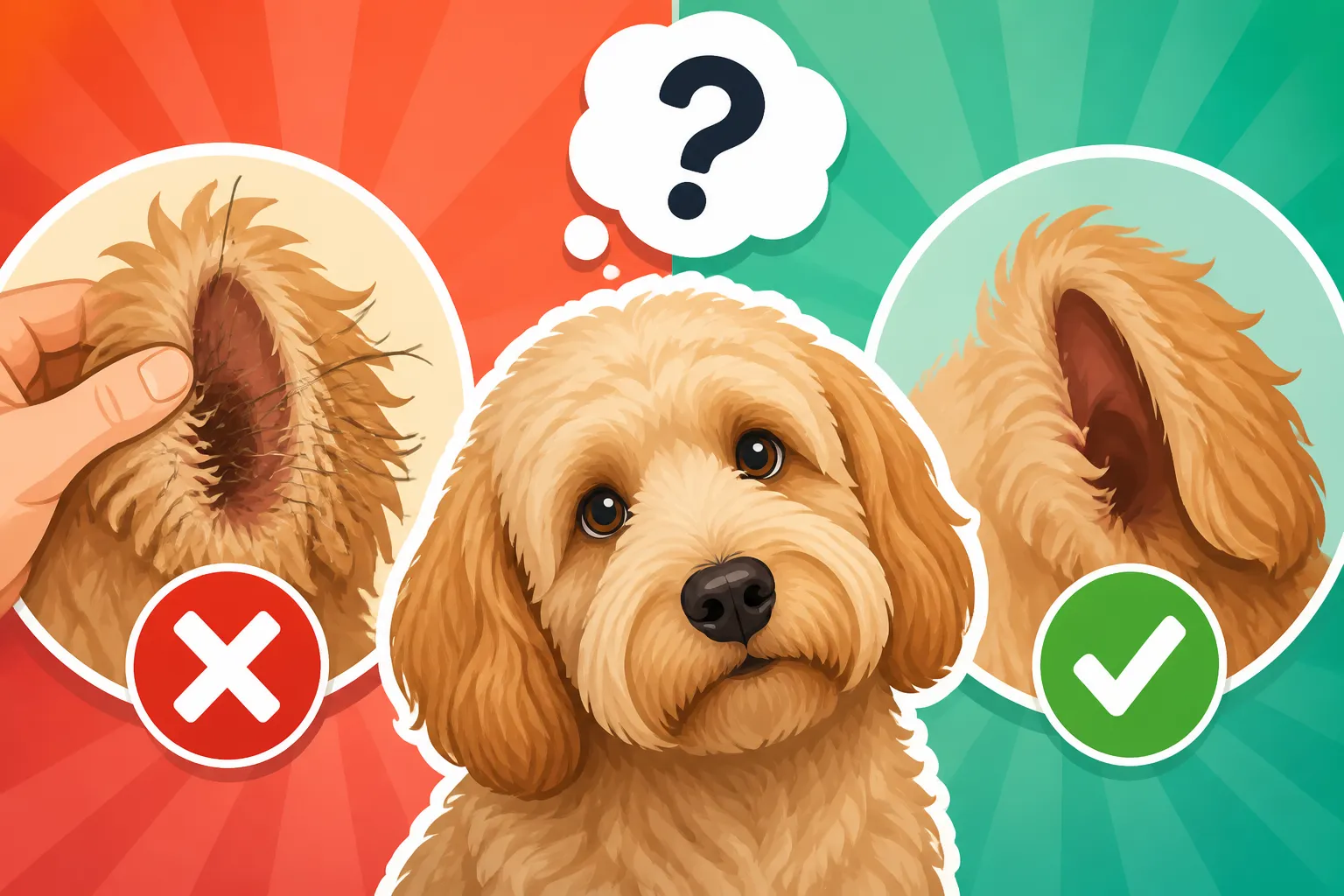
Whether Ear Hair Should Come Out of a Labradoodle
One of the most common, and frankly, frustrating, dilemmas Labradoodle owners face is navigating the seemingly simple act of ear care. You bring home this adorable, fluffy bundle, and suddenly you're staring into a furry abyss when you look into their ears, wondering: should all that hair really be there? This guide is here to shed light on the controversial topic of ear hair removal in Labradoodles, helping you understand the pros, cons, and best practices for keeping your furry friend's ears healthy and happy.
Understanding Labradoodle Ear Anatomy and Hair Growth
Labradoodles are a captivating mix, inheriting traits from both the Labrador Retriever and the Poodle. This genetic blend gives them their signature shaggy coats, but it also means their ears can be a complex combination of their parent breeds. It's this unique genetic lottery that often leads to the ear hair conundrum.
The Poodle Influence on Ear Hair
The Poodle side of your Labradoodle is the primary reason for that dense, often curly hair growth deep inside the ear canal. Poodles are known for their non-shedding, continuously growing coats, and this trait extends to the hair within their ears. This hair acts almost like a net, catching debris, wax, and moisture. While fantastic for people with allergies, it can create a rather humid, dark environment perfect for bacterial and yeast overgrowth when it comes to the ears. This dense growth means the ear canal, which already has a somewhat winding, L-shaped structure, can become even more occluded, trapping warmth and moisture that should be able to evaporate. Many owners find themselves frequently dealing with gunk and an unpleasant odor stemming from this Poodle-inherited trait.
This isn't just about aesthetics; it's about physics and biology. The air circulation within the ear is significantly reduced by a thick growth of hair, much like a dense forest canopy reduces sunlight reaching the ground. This creates a microclimate inside the ear that is warm and moist—an ideal breeding ground for opportunistic pathogens. Owners often report a never-ending battle with ear gunk, even with regular cleaning. Understanding The Hair That Grows Where a Labradoodle's Ear Should Drain is crucial here, as it directly impacts air flow and the ear's natural self-cleaning mechanisms.
The Labrador Contribution to Ear Structure
While the Poodle gives the ear its hair, the Labrador side contributes to the overall drop-ear structure. Labradors have pendulous ears that lie flat against their heads. This ear type, whether on a purebred Labrador or a Labradoodle, inherently limits air circulation compared to prick ears (like those of a German Shepherd). Combine this natural lack of airflow with the dense Poodle-type hair growth, and you have a recipe for potential ear problems.
The drop ear, a beloved trait of many retriever breeds, offers a certain visual appeal but comes with practical challenges. The flap of the ear can seal off the opening of the ear canal, especially when the dog is sleeping or resting. This means that any moisture or debris that gets into the ear, say from a swim or even just a humid day, is less likely to dry out naturally. When you add the thick, constantly growing hair from the Poodle lineage into this already challenging structure, the problem compounds. Owners often describe their Labradoodle's ears as perpetually damp or waxy, even after careful drying, making them susceptible to Ear Infections Built Into a Labradoodle's Drop Ear.
The Debate: Plucking vs. Not Plucking Ear Hair
Few topics in Labradoodle care spark as much debate among owners, breeders, and even veterinarians as ear hair removal. There are strong proponents on both sides, each with valid points based on their experiences and understanding of canine health.
Arguments for Routine Ear Hair Plucking
Advocates for routine ear hair plucking often emphasize improved air circulation and easier cleaning. The primary rationale is that removing the hair opens up the ear canal, allowing air to flow freely and reducing the warm, moist environment where bacteria and yeast thrive. For Labradoodles prone to recurrent ear infections, this can seem like a logical and effective preventative measure. When the hair is plucked, it also makes it much easier for owners to visually inspect the ear, clean out accumulated wax and debris, and apply any prescribed medications directly to the skin of the ear canal.
Many groomers will routinely pluck ear hair as part of their services, often seeing it as a standard part of maintaining ear hygiene for breeds like Labradoodles. Owners who opt for plucking frequently report a decrease in the frequency of ear infections and a reduction in unpleasant odors coming from their dog's ears. They might describe how much clearer and drier their dog's ears become after a good plucking session. The thinking is that by mechanically removing the material that traps moisture and dirt, you are taking a proactive step in preventing painful infections. It also makes topical treatments, should they be needed, much more effective as they aren't fighting their way through a mat of hair.
Arguments Against Routine Ear Hair Plucking
On the other side of the fence, many argue against routine ear hair plucking, citing concerns about pain, trauma, and even stimulating further hair growth. The ear canal is a sensitive area, and plucking hair, especially if it's thick or deeply rooted, can be uncomfortable or even painful for the dog. Some dogs react very strongly to the sensation, making future ear handling difficult. Additionally, the act of plucking can create tiny micro-traumas or tears in the delicate skin lining the ear canal. These minuscule wounds can become entry points for bacteria, potentially leading to an infection rather than preventing one.
Veterinarians sometimes warn that plucking can actually inflame the hair follicles, leading to folliculitis, which is an infection of the hair follicles themselves. This can exacerbate itching and discomfort. There's also a theory that repeated plucking might stimulate the hair follicles to produce even thicker, denser hair as a protective response, creating a vicious cycle. Owners who choose not to pluck often focus on gentle cleaning and diligent drying, especially for active dogs who love water. They might prefer to trim any excess hair around the entrance of the ear canal with blunt-nosed scissors, rather than pulling from within. This approach aims to reduce trapped moisture without causing any irritation to the sensitive inner ear. This method aligns with the idea that sometimes, less is more when it comes to intervention, especially if the ear appears healthy and unbothered.
Risks and Benefits of Ear Hair Management Strategies
Choosing how to manage your Labradoodle's ear hair really comes down to weighing the potential risks and benefits for your individual dog. What works for one Labradoodle might not be the best approach for another, given their unique genetic predispositions and lifestyles.
Potential Problems from Unmanaged Ear Hair
Ignoring ear hair altogether, particularly in a Labradoodle with a dense Poodle-type coat, can lead to a host of problems. The most common issue is recurrent ear infections (otitis externa), caused by bacteria or yeast thriving in the warm, moist, and poorly ventilated environment created by trapped hair. You might notice your dog shaking their head, scratching their ears constantly, or even rubbing their head along furniture or the ground to alleviate intense itching. The ears might become red, inflamed, and emit a foul odor.
Beyond infections, matted hair within the ear canal can also physically block sound, potentially affecting your dog's hearing. It can also make routine cleaning almost impossible, as ear cleaners and medications can't penetrate the dense hair to reach the skin where they're needed. I’ve seen Labradoodles where the hair was so matted it formed a solid plug, making the vet's job incredibly difficult and painful for the dog. Addressing Whether a Labradoodle's Ear Hair Causes Its Infections directly points to this issue, highlighting the physical barrier and environment that unmanaged hair creates.
Potential Problems from Improper Plucking
While plucking can be beneficial when done correctly, improper technique carries its own risks. If done too aggressively, or without proper tools, it can be quite painful for your Labradoodle, creating a negative association with ear care. This can lead to a dog who resists all ear handling, making future grooming and veterinary examinations a battle. As mentioned, micro-tears in the delicate skin are a real concern, providing an easy entry point for bacteria and potentially leading to more severe infections or inflammation.
Using tweezers that aren't sterilized, or not cleaning the ear after plucking, can introduce bacteria directly into those tiny wounds, leading to painful infections. There's also the risk of not removing all the hair, leaving broken stubs that can irritate the ear canal. If you decide to pluck, it's vital to learn the correct, gentle technique or to rely on a professional groomer or vet who is experienced in this procedure. Rushing the process or trying to do it on an uncooperative dog can lead to trauma and worsening problems, not solutions.
Alternative Ear Hygiene Practices
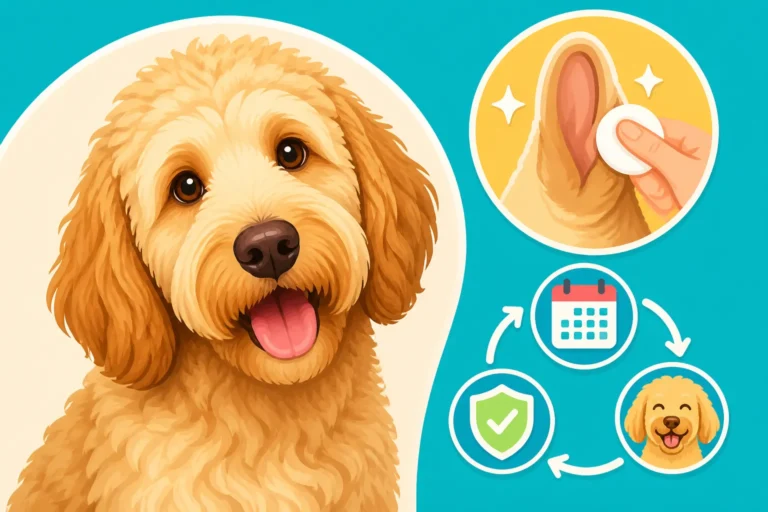
For owners (and dogs) who prefer not to pluck, or whose Labradoodles don't have extremely dense ear hair, there are alternative strategies to maintain ear health. Regular cleaning with a vet-approved ear cleaner is paramount. Products available on platforms like Chewy or Amazon can help break down wax and debris and often contain drying agents to combat moisture. It's important to choose a cleaner designed for dogs and use it as directed.
The key is consistency. Make ear cleaning a regular part of your grooming routine, perhaps weekly or bi-weekly. After baths or swims, thorough drying of the ears is absolutely critical. Drying a Labradoodle's Ears After Water is not just about wiping the visible part; it's about ensuring the inner canal is dry too. A soft towel can absorb excess moisture from the outer ear, and some owners use a cotton ball or gauze to gently wipe the accessible parts of the inner ear. You can also carefully use a low-setting hairdryer (held far away from the ear, on a cool setting) for a few seconds to help dry the deeper canal. For Labradoodles that frequently swim, a post-swim ear cleaner with a drying agent is highly recommended. You can find many effective options from reputable brands on Chewy or even through your vet. Additionally, some specific dog foods, like those from brands such as Ollie, might have formulations aimed at reducing inflammation or supporting overall skin and coat health, which can indirectly contribute to healthier ears if allergies are a factor. However, this is usually a secondary measure; direct ear care remains essential.
Here's a quick comparison of ear hair management options:
| Strategy | Pros | Cons | Best For |
|---|---|---|---|
| Routine Plucking | Improves air circulation, easier cleaning, reduces infection risk for some | Can be painful, risk of micro-trauma, might stimulate growth, fear | Labradoodles with very dense ear hair and recurrent infections, done by pro |
| Trimming | Less invasive than plucking, improves airflow, reduces matting near opening | Doesn't address hair deep in canal, requires specialized tools, careful | Labradoodles with moderate ear hair, owners comfortable with scissors |
| No Removal | Avoids pain/trauma from plucking, natural approach | Higher risk of infection, difficult cleaning, potential hearing blockage | Labradoodles with sparse ear hair and no history of infections |
| Regular Cleaning & Drying | Essential for all dogs, removes wax/debris, combats moisture | Requires consistency, doesn't address hair barrier, won't prevent all issues | All Labradoodles, especially those not having hair removed, and swimmers |
When to Seek Professional Advice
No matter your chosen ear hair management strategy, vigilant monitoring of your Labradoodle's ears is crucial. Changes in ear health can happen quickly, and early intervention is always best.
Signs of Ear Infection or Irritation
Be on the lookout for common signs of ear trouble. These can include excessive head shaking, constant scratching or pawing at the ears, a strong, foul odor emanating from the ear, redness or swelling around the ear canal opening, discharge (which can be waxy, dark, or pus-like), or tenderness when you touch your dog's ear. You might also notice your dog holding their head tilted or showing signs of pain when chewing. In some cases, a dog might even lose their appetite or become lethargic if an infection is particularly painful.
If you observe any of these symptoms, it's time for a vet visit. Don't try to self-diagnose or treat a suspected infection with home remedies, as this can worsen the condition or delay appropriate treatment. Untreated ear infections can lead to more serious issues, even affecting the inner ear and potentially causing permanent hearing damage. Owners should also be aware of subtle changes, as sometimes The Vague Signs of Addison's in a Labradoodle can overlap with generalized discomfort, though ear issues are typically more localized.
Consulting Your Vet and Groomer
Your veterinarian is your best resource for personalized advice on your Labradoodle's ear care. They can examine your dog's ears, assess the amount of hair, check for any underlying issues like allergies (which often manifest as ear problems), and recommend the most appropriate management plan. They can also demonstrate the correct way to clean ears or, if plucking is deemed necessary, perform it safely or guide you on how to do it. Sometimes, a vet might even suggest a specific ear wash or medication available over-the-counter or by prescription, perhaps from an online pharmacy or store like Chewy.
Discussing your Labradoodle's ear health with your groomer is also a great idea. A professional groomer sees many Labradoodles and can offer insights into what works best for different coat types and temperaments. They can also show you how to maintain the hair around the ear opening, even if you decide against plucking the inner ear. The Yearly Screening a Labradoodle Should Get often includes an ear check, so take advantage of your annual vet visit to raise any concerns you have about ear hair or overall ear health. They can help you determine How Often a Labradoodle's Ears Should Be Cleaned based on your specific dog's needs and lifestyle, and Whether a Labradoodle's Ear Canal Is Poodle or Labrador influences the approach.
Ultimately, the decision of whether or not to pluck your Labradoodle's ear hair should be made in consultation with your vet, considering your dog's individual ear health, history of infections, and tolerance for the procedure.
Disclaimer
This article is for general informational purposes only and does not constitute professional advice. Laws, prices and regulations vary by location and change over time. Consult a qualified professional for guidance on your specific situation.