Whether Chlorine Damages a Labradoodle’s Coat
It's a beautiful day, the sun is shining, and your Labradoodle is eyeing that sparkling blue pool with an unmistakable glimmer of excitement. You love seeing them splash and play, but a nagging worry creeps in: is all that chlorine actually doing damage to their beautiful, unique coat? You're not alone in that concern. Many Labradoodle owners grapple with this exact question, trying to balance their dog's joy with maintaining their health and that gorgeous, often high-maintenance, doodle coat. This guide is here to unravel the mystery of chlorine and its effects on your Labradoodle's fur, offering practical steps to keep them safe and soft, swim after swim.
Understanding Your Labradoodle's Unique Coat and Its Chlorine Vulnerability
Before we dive into the nitty-gritty of chlorine, it's crucial to understand what makes your Labradoodle's coat so special and, frankly, a bit more susceptible to certain environmental factors. Unlike a smooth, short-haired dog, Labradoodles boast a variety of coat types – from wavy fleece to tight wool – all designed to be low-shedding, which is a big part of their appeal. However, this unique texture also comes with its own set of care requirements, especially when it comes to harsh chemicals like chlorine.
The Different Labradoodle Coat Types
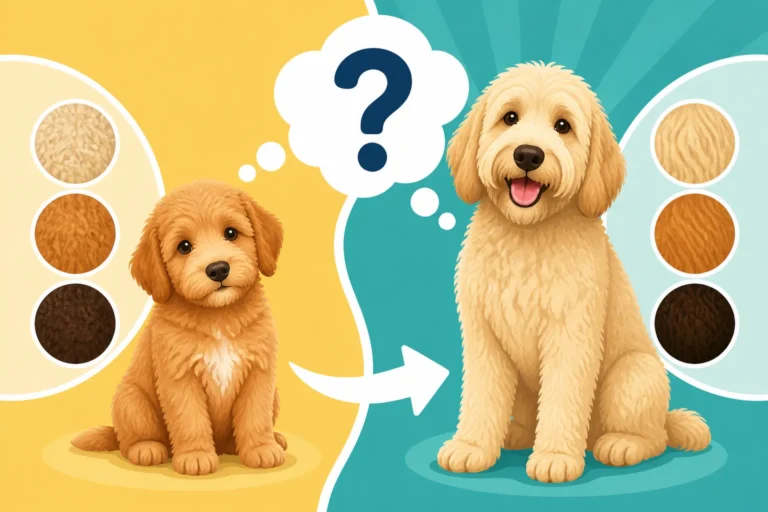
Your Labradoodle's coat isn't just "fur"; it's a carefully structured marvel. You might have a hair coat, which sheds more and is closer to a Labrador's, but most Labradoodle owners dream of and typically have either a fleece or wool coat. Fleece coats are soft, wavy, and flowy, while wool coats are denser, curlier, and feel more like a sheep's fleece. These non-shedding characteristics mean the dead hair gets trapped within the coat, necessitating regular brushing and grooming to prevent painful matting. The very qualities that make these coats "hypoallergenic" and less messy in the house also make them sponges for moisture and chemicals.
A fleece coat, for instance, has a lovely, airy quality but can quickly become weighed down and saturated. A wool coat, being even denser, can hold onto water and chemicals for a surprisingly long time, making proper rinsing absolutely paramount. Knowing which type your dog has can help you anticipate how much effort you'll need to put into post-swim care. For a deeper dive into these textures, check out The Three Labradoodle Coats: Hair, Fleece and Wool.
Why Labradoodle Coats Are Particularly Susceptible
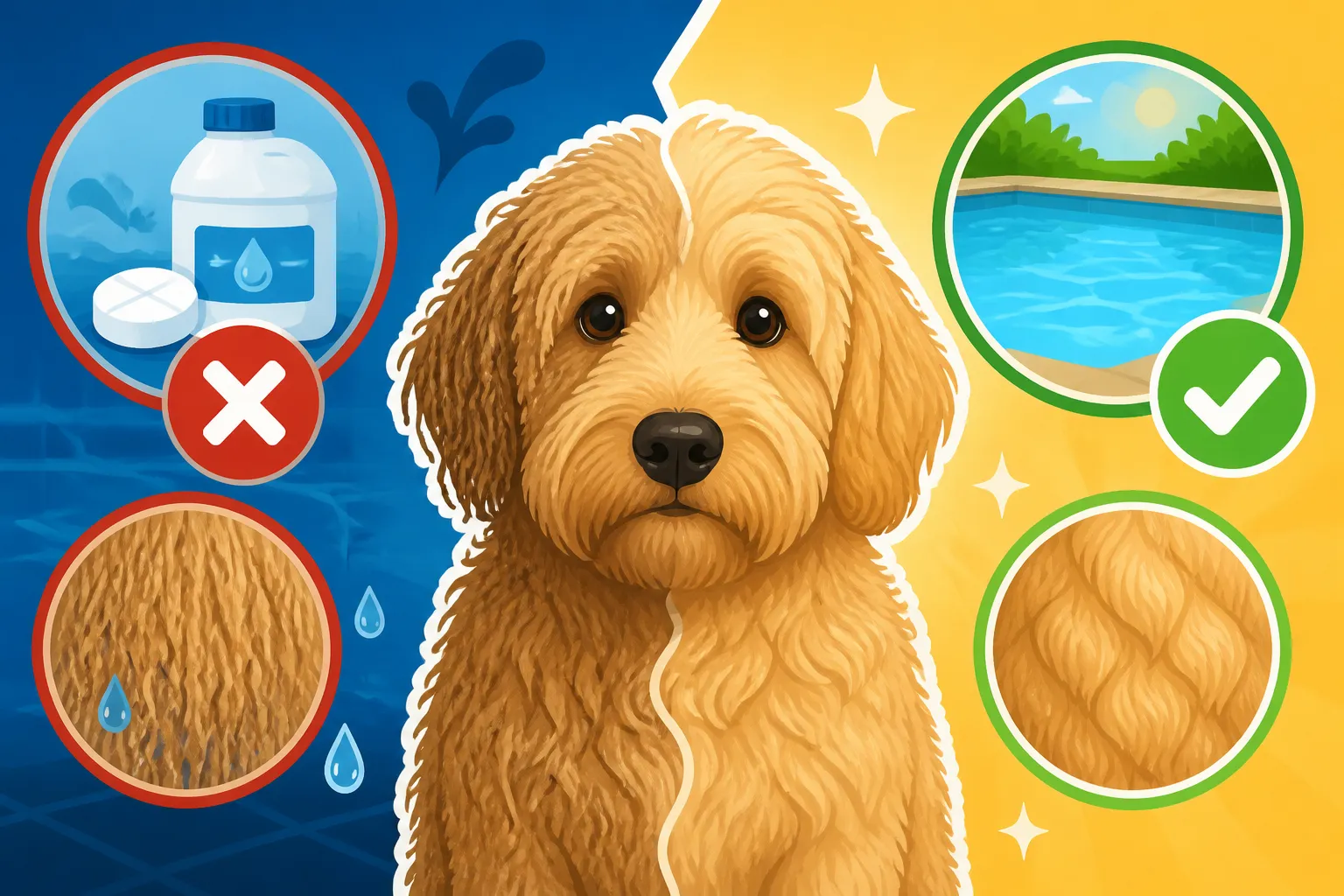
The structure of Labradoodle hair is different from many other breeds. Poodle genetics bless them with hair that is more similar to human hair than typical dog fur, meaning it has a cuticle layer that can be opened or damaged. Chlorine, a powerful oxidizing agent, is designed to kill bacteria and algae in pool water. When it comes into contact with hair, it doesn't just sit on the surface; it interacts with the protein structure of the hair shaft.
Think of your Labradoodle's individual hair strands like tiny, protective scales. When these scales are healthy and lying flat, the coat looks shiny, feels soft, and repels dirt and moisture somewhat effectively. Chlorine, however, can lift and damage these cuticles, leaving the hair rough, brittle, and dry. This damage can make the coat more prone to tangles and mats, and even alter its color over time. It's a frustrating reality when you just want your dog to enjoy a cool dip on a hot day.
The Specific Ways Chlorine Impacts Your Labradoodle's Coat and Skin
The effects of chlorine aren't just aesthetic; they can lead to discomfort and even health issues for your furry friend. It's not just about a dull coat, but also about the underlying skin health, which is so often neglected until a problem becomes apparent.
Drying Out and Brittleness
The most immediate and common effect of chlorine exposure is dryness. Chlorine strips natural oils from the skin and hair, leaving both feeling parched. For a Labradoodle, whose coat relies on its natural oils for pliability and shine, this can be particularly problematic. Imagine how your own skin and hair feel after a long swim in a chlorinated pool – tight, dry, and perhaps itchy. Your dog experiences something similar, but multiplied by their entire body being covered in this unique, porous hair.
Over time, repeated exposure without proper care can lead to brittle hair that breaks easily. This not only makes grooming a nightmare – causing more mats and pulling – but can also leave the coat looking dull and lifeless. In severe cases, the hair can become so damaged that it loses its characteristic softness and elasticity, turning coarse and stiff.
Skin Irritation and Allergies
Beyond the coat itself, chlorine can be a significant irritant to your Labradoodle's skin. The skin beneath that thick coat needs to breathe and remain healthy. When chlorine strips away its natural protective barrier, it becomes more vulnerable to irritation, itching, and even secondary infections. Some dogs, like some people, are more sensitive to chlorine and might develop a rash or excessive itchiness after swimming.
You might notice your dog scratching more than usual after a pool day, or even developing red patches on their belly or inner thighs where the water might have lingered. This irritation can be a precursor to more serious skin conditions if not addressed. It’s also important to consider that a compromised skin barrier can make your Labradoodle more susceptible to other common skin issues, like yeast infections, which love damp, irritated environments.
Color Changes and Fading
For Labradoodles with darker coats, like chocolates or blacks, repeated chlorine exposure can lead to noticeable fading or even a reddish tint. This is because chlorine can interact with the pigments in the hair shaft, causing them to break down. If your doodle has a gorgeous apricot or red coat, you might find it lightens or takes on a brassy tone. This isn't usually harmful, but it can be disappointing if you love your dog's original vibrant color.
It's similar to how human hair can turn green from chlorine if it's dyed blonde, but for dogs, it's more about a general lightening or an undesirable hue shift. While cosmetic, it's another sign that the chlorine is having a chemical effect on the hair structure.
Essential Strategies for Protecting Your Labradoodle's Coat Before and After Swimming
The good news is that you don't have to ban your Labradoodle from enjoying a refreshing dip in the pool. With a proactive approach and a consistent routine, you can significantly minimize the potential damage from chlorine. It's all about preparation and diligent aftercare, understanding that their coat needs a little extra love.
Pre-Swim Preparations
Think of pre-swim prep as putting on a protective barrier for your Labradoodle's coat. The goal is to saturate their fur with clean water before they even hit the pool.
- Rinse Thoroughly with Fresh Water: This is perhaps the most critical step. Before your Labradoodle jumps into the chlorinated water, give them a good rinse with plain, fresh water. You can use a hose, a shower, or even a bucket. The idea is that hair, like a sponge, can only absorb so much. If it's already saturated with clean water, it will absorb less of the chlorinated water. This simple step acts as a powerful shield against chlorine absorption.
- Apply a Leave-In Conditioner or Coat Protectant: For an extra layer of defense, consider applying a dog-specific leave-in conditioner or a coat protectant spray designed for swimmers. These products can help to create a barrier on the hair shaft, further reducing the amount of chlorine that penetrates the cuticle. Look for options that are lightweight and won't make their coat feel greasy. You can often find excellent choices on Chewy or Amazon that cater to specific coat needs.
- Shorten Coat Length (Optional): While not necessary for every swim, if your Labradoodle is a frequent pool-goer, keeping their coat a bit shorter, especially in warmer months, can make post-swim care much easier. A shorter coat dries faster and is less prone to matting, which can be exacerbated by wet, chlorine-soaked fur. This can also make brushing less of a chore.
Post-Swim Rinse and Wash Routine
The moment your Labradoodle emerges from the pool, the clock starts ticking on post-swim care. The goal here is to remove as much chlorine as possible quickly and gently.
- Immediate and Thorough Rinsing: As soon as they are out of the pool, rinse your Labradoodle again with fresh water, even more thoroughly than before. Don't just spray them down; really work the water through their entire coat, down to the skin, to wash away chlorine residue. Pay special attention to their underbelly, legs, and tail. This is similar to Rinsing a Labradoodle After the Lake – it’s about getting all foreign elements out.
- Shampoo and Condition (as needed): Depending on how often your dog swims and how sensitive their skin is, you might need to follow the rinse with a mild dog shampoo and conditioner. If they swim daily, a full shampoo might be too much, but for less frequent swims, it’s a good idea. Choose a moisturizing, sulfate-free shampoo designed for dogs, followed by a good conditioner to replenish moisture and help smooth the cuticles.
- Frequency: If your dog swims several times a week, a full shampoo and condition might only be necessary once or twice a week, with thorough fresh water rinses after every other swim. For occasional swimmers, a full bath after each pool session is recommended. You can find many suitable shampoos and conditioners on Chewy.
- Application: Lather the shampoo well, focusing on getting it down to the skin, then rinse meticulously until the water runs clear and no suds remain. Follow with a generous amount of conditioner, letting it sit for a few minutes before rinsing thoroughly. This helps restore essential moisture. For more on choosing products, consider Shampoos That Suit a Labradoodle's Coat.
- Drying is Crucial: After rinsing or bathing, proper drying is non-negotiable for a Labradoodle. Leaving their coat to air dry can lead to matting and skin issues, as moisture trapped against the skin can create a breeding ground for bacteria or yeast. Use absorbent towels to blot as much water as possible, then use a force dryer if you have one. If not, a regular hairdryer on a cool or low-heat setting, keeping it moving, can work. Make sure they are completely dry, especially at the roots and behind the ears. This thorough drying technique is vital, just like when you're Drying a Labradoodle to the Skin After a Bath.
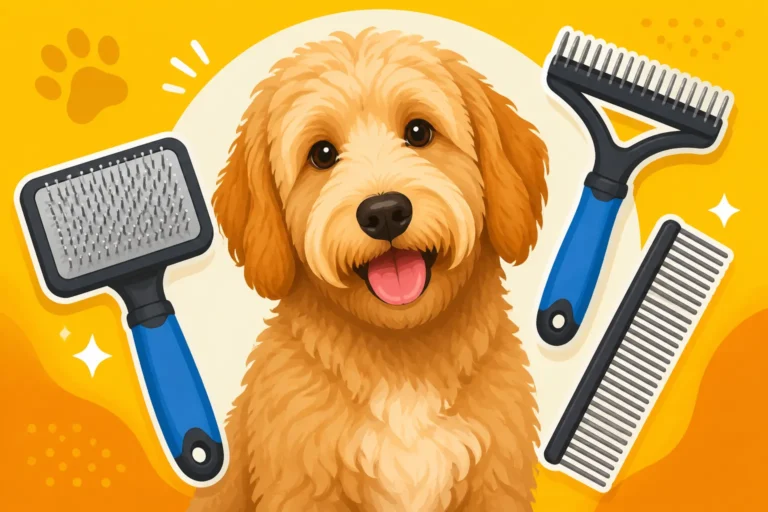
- Brushing: Once completely dry, give your Labradoodle a good brush. This helps to detangle any knots that may have formed and distributes any remaining natural oils. It also aids in preventing mats, which can become severe if wet fur is left tangled. Regular How Long Brushing a Labradoodle Takes Each Week will keep their coat in top condition.
Recognizing and Addressing Signs of Chlorine Damage
Even with the best preventative care, sometimes signs of chlorine damage can creep in. It's important to be vigilant and know what to look for so you can adjust your routine and address any issues promptly.
Visible Signs on the Coat and Skin
The most obvious signs of chlorine damage will be on your Labradoodle's coat and skin. These might be subtle at first, but can worsen with continued exposure or lack of proper care.
- Dull, Dry Coat: Instead of that soft, lustrous sheen, the coat might appear flat, dull, and feel rough to the touch. It might also lose its bounce and lay flat or feel stiff. This is a tell-tale sign that the hair cuticles have been damaged and moisture has been stripped away.
- Increased Matting and Tangling: If you find yourself battling more mats than usual, especially after swimming, chlorine could be a culprit. Dry, damaged hair snags and tangles more easily, leading to painful knots. This is particularly noticeable in areas prone to matting, like behind the ears, armpits, and under the collar. More on this can be found in Mats Behind a Labradoodle's Ears or Mats in a Labradoodle's Armpits.
- Excessive Itching or Redness: Watch your Labradoodle for increased scratching, licking, or chewing, particularly after a swim. Their skin might appear red, inflamed, or flaky. These are signs of irritation and dryness. In some cases, tiny bumps or a rash might develop.
- Fading or Discoloration: As mentioned earlier, a change in coat color, such as a darkening coat fading or an apricot coat turning brassy, can be a sign of chlorine interaction. While not a direct health threat, it indicates chemical exposure.
Long-Term Implications of Neglected Care
Ignoring these initial signs can lead to more persistent and uncomfortable problems for your Labradoodle. Chronic skin irritation, for example, can become a cycle of scratching and inflammation, potentially leading to secondary bacterial or yeast infections that require veterinary intervention. These infections can be itchy, smelly, and uncomfortable, requiring medication to resolve.
Furthermore, severely damaged coats can become incredibly difficult to manage. What starts as a few tangles can quickly escalate into widespread, tight matting that pulls on the skin, causes pain, and can restrict movement. In extreme cases, a severely matted coat might require professional shaving, which can be stressful for the dog and owner, and costly. Maintaining a regular grooming schedule, including The Line Brushing a Labradoodle Coat Needs, is essential to prevent these severe outcomes.
When to Consult Your Vet or Groomer
If you notice persistent skin irritation, hair loss, or signs of infection (like redness, pus, or a foul odor), it's time to consult your veterinarian. They can diagnose underlying issues and recommend appropriate treatments, which might include medicated shampoos, topical creams, or oral medications. Your vet can also rule out other potential causes of skin irritation, such as allergies or parasites.
For coat issues like severe matting or if you're struggling to manage the coat yourself after swimming, a professional groomer can be an invaluable resource. They have the tools and expertise to safely remove mats, trim the coat to a manageable length, and provide advice on at-home grooming techniques and products. Don't hesitate to reach out to them if you feel overwhelmed by your Labradoodle's coat condition.
To help you remember your routine, here's a quick guide:
| Action | Before Swimming | After Swimming |
|---|---|---|
| Rinsing | Thoroughly rinse with fresh water | Immediately rinse thoroughly with fresh water |
| Protective Barrier | Apply leave-in conditioner/coat protectant | N/A |
| Washing | N/A | Shampoo and condition (as needed, mild products) |
| Drying | N/A | Towel dry, then force/hair dryer until fully dry |
| Grooming | Ensure coat is brushed and tangle-free | Brush thoroughly once completely dry |
| Inspection | Check for any existing skin irritations | Check for new redness or irritation on skin |
By implementing these strategies, you can ensure your Labradoodle enjoys their swimming adventures without compromising the health and beauty of their precious coat. Happy splashing!
Disclaimer
This article is for general informational purposes only and does not constitute professional advice. Laws, prices and regulations vary by location and change over time. Consult a qualified professional for guidance on your specific situation.