Whether Daily Brushing Is Needed Through the Coat Change
Oh, the Labradoodle coat change! If you're currently navigating this stage with your furry friend, you're likely feeling a mix of frustration and utter bewilderment at how quickly a beautiful, fluffy coat can turn into a matted mess. It's a rite of passage for many Labradoodle owners, and the question of whether daily brushing is truly necessary during this period is a common one. This guide is here to shed some light on this challenging phase, explain why daily brushing often becomes critical, and offer practical tips to help you and your Labradoodle emerge from the coat change relatively mat-free and with your sanity intact.
Understanding the Labradoodle Coat Change: What It Is and Why It Happens
The Labradoodle coat change is one of those developmental milestones that breeders often warn you about, but nothing quite prepares you for the reality. It’s a period where your adorable puppy's soft, fine coat transitions into its adult counterpart, and it can be a surprisingly intense experience for both dog and owner.
When the Coat Change Typically Begins and Ends
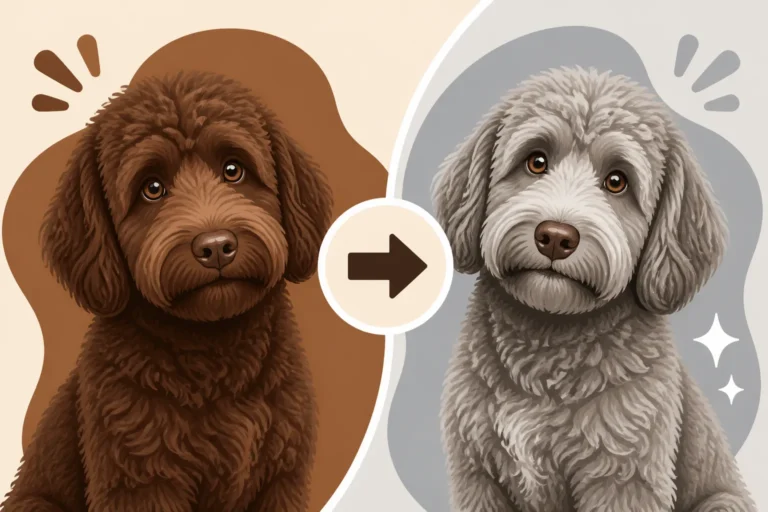
Generally, the Labradoodle coat change kicks into high gear somewhere between six and fourteen months of age, with many owners reporting the absolute peak around nine months. Think of it as your dog's awkward adolescent phase, but instead of braces and growth spurts, it's all about shedding puppy fur and growing in a more robust adult coat. This isn't a sudden, one-day event; it's a gradual process that can last for several weeks, or even a few months, depending on the individual dog and its specific genetics. Some Labradoodles might have a relatively mild transition, while others feel like they're constantly battling a fur storm.
During this time, your puppy isn't just "shedding" in the traditional sense like a Labrador might. Instead, the fine puppy hairs are loosening and trying to fall out, but they often get tangled and trapped within the thicker, denser emerging adult coat. This intertwining is the root cause of the dreaded matting, especially close to the skin. It’s a bit like trying to brush out a knot of fine baby hair mixed with a coarser adult hair from a doll – frustrating and prone to tightening. Just like teenagers, every Labradoodle will experience this phase a little differently, making it tough to predict the exact timing or duration.
The Different Coat Types and How They Are Affected
Not all Labradoodle coats are created equal, and this plays a huge role in how dramatically the coat change impacts your dog. While all Labradoodles will go through some form of coat transition, certain coat types are significantly more prone to matting during this period.
The three primary Labradoodle coat types are hair, fleece, and wool.
- Hair coats are generally straighter, coarser, and shed more like a Labrador. While they still go through a coat change, the shedding puppy hair is less likely to become tightly intertwined and matted in the same way as the curlier coats. You might see more actual shedding around the house, but fewer skin-level mats. For more details on these coat types, check out The Three Labradoodle Coats: Hair, Fleece and Wool.
- Fleece coats are the most common and often sought-after, known for their soft, wavy or spiraling texture. They are typically low-shedding, which is great, but this also means that when the puppy hair detaches, it doesn't fall out easily. Instead, it gets trapped in the new adult fleece, creating a perfect storm for matting.
- Wool coats are the densest and curliest, often resembling a Poodle's coat. These coats, while also low-shedding, are even more prone to severe matting during the coat change. The tight curls act like velcro, holding onto every loose puppy hair and forming dense, felt-like mats right against the skin.
If your Labradoodle has a fleece or wool coat, the coat change will undoubtedly be a more intensive grooming challenge. It's crucial to understand your dog's specific coat type to anticipate and prepare for the unique demands of this period. Owners with these curlier coats often find themselves asking, "Does my Labradoodle's adult coat mat more?" The answer, unfortunately, is often yes, especially during this transition.
The Matting Menace: Why Daily Brushing Becomes Crucial
You might think a quick brush every couple of days is sufficient for your Labradoodle, but during the coat change, that usually just won't cut it. This is when the term "matting menace" truly comes into play, as mats can form with alarming speed and severity.
How the Puppy and Adult Coats Intertwine
Imagine you have two different types of thread, one very fine and delicate, the other thicker and more robust. Now imagine those two types of thread are trying to occupy the same space on your dog's body. That's essentially what's happening during the coat change. The puppy coat, which is typically softer, thinner, and often quite downy, is dying and attempting to shed. However, instead of simply falling off, these dead puppy hairs get caught and snagged by the stronger, emerging adult hairs. This creates a dense, tangled mess that starts right at the skin level and quickly tightens.
The problem isn't just on the surface. Many owners make the mistake of only brushing the top layer of their dog's coat, assuming they're getting everything. However, the mats during the coat change usually begin underneath, where the different hair types are intermingling. If you're not getting your brush and comb all the way down to the skin, you're missing the vast majority of the problem areas. This hidden matting can become quite extensive before you even notice it, turning your dog's beautiful coat into a felted blanket. Understanding What Happens to a Labradoodle's Coat at Nine Months really helps prepare for this.
The Rapid Rate of Mat Formation
One of the most frustrating aspects of the coat change is just how quickly mats can form. You might have brushed your Labradoodle thoroughly yesterday, only to wake up this morning and find new tangles already forming behind their ears or in their armpits. This rapid mat formation is due to the constant shedding of puppy hair combined with the growth of the adult coat. Every movement, every rub against furniture, every playful tumble with another dog can contribute to these loose hairs knitting together into tight knots.
High-friction areas are particularly susceptible. These include:
- Behind the ears: Constant rubbing from scratching or just head movements.
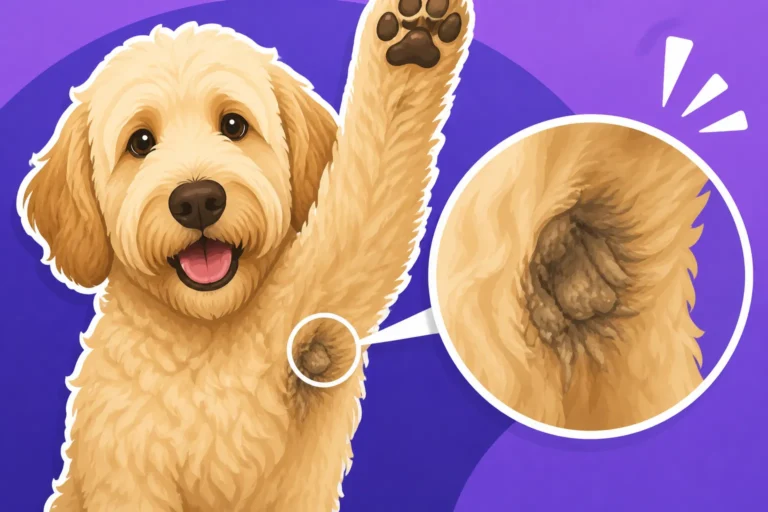
- Armpits and groin: Areas where limbs rub against the body. Mats in a Labradoodle's Armpits are incredibly common.
- Under the collar/harness: Friction from accessories.
- Base of the tail: Where the tail meets the body, especially if they're wagging a lot.
- Paws and between the pads: Moisture and debris can exacerbate matting here.
It's not uncommon for a small tangle to escalate into a painful, tight mat in a matter of hours if left unchecked during this critical period. This is why brushing every single day isn't just a suggestion; for many Labradoodles, it becomes a non-negotiable part of their daily care routine if you want to prevent serious issues. Where Mats Form First on a Labradoodle offers more detailed insights into these problem zones.
The Consequences of Neglecting Daily Brushing
Skipping brushing sessions during the coat change can have severe and painful consequences for your Labradoodle, and expensive ones for your wallet.
Firstly, pain and discomfort are paramount. Mats pull on the skin, causing constant irritation, pinching, and a feeling of being restricted. Imagine having your hair tightly pulled and tangled all over your body – it's a miserable experience. This discomfort can affect your dog's mood, making them less willing to play or even move around.
Secondly, mats can lead to serious skin problems. The tight clumps of hair prevent air circulation, trapping moisture and debris against the skin. This creates a perfect breeding ground for bacteria and yeast, leading to hot spots, skin infections, and general skin irritation. These conditions are not only painful but can require veterinary intervention, including antibiotics and anti-inflammatory medications.
Thirdly, from an aesthetic and practical standpoint, neglected mats almost always lead to a necessary full shave-down. If mats become too tight and widespread, even a professional groomer may not be able to safely or humanely brush them out. The only option left is to clip the entire coat very short, right under the mats. This can be distressing for both the dog (who might feel exposed or itchy as the stubble grows) and the owner (who loses their dog's signature fluffy look). What's more, a dematting session or full shave for matted dogs costs significantly more, as it requires specialized blades and extra time, not to mention the potential stress on the dog. You might find yourself asking What a Groomer Charges to Strip a Matted Labradoodle and be shocked.
Ultimately, neglecting daily brushing during this crucial phase isn't just about appearances; it's about your Labradoodle's health, comfort, and well-being. It's an investment of time now to prevent pain and bigger problems later.
Brushing Techniques and Tools for the Coat Change
Navigating the Labradoodle coat change successfully hinges on having the right tools and knowing how to use them effectively. It’s not just about running a brush over the topcoat; it requires a systematic approach.
Essential Brushing Tools for the Coat Change
Before you even start, make sure you have the right arsenal of grooming tools. Trying to get through the coat change with just a flimsy dog brush from the grocery store is like trying to build a house with a butter knife – you're just not going to have a good time.
Here's what you'll need:
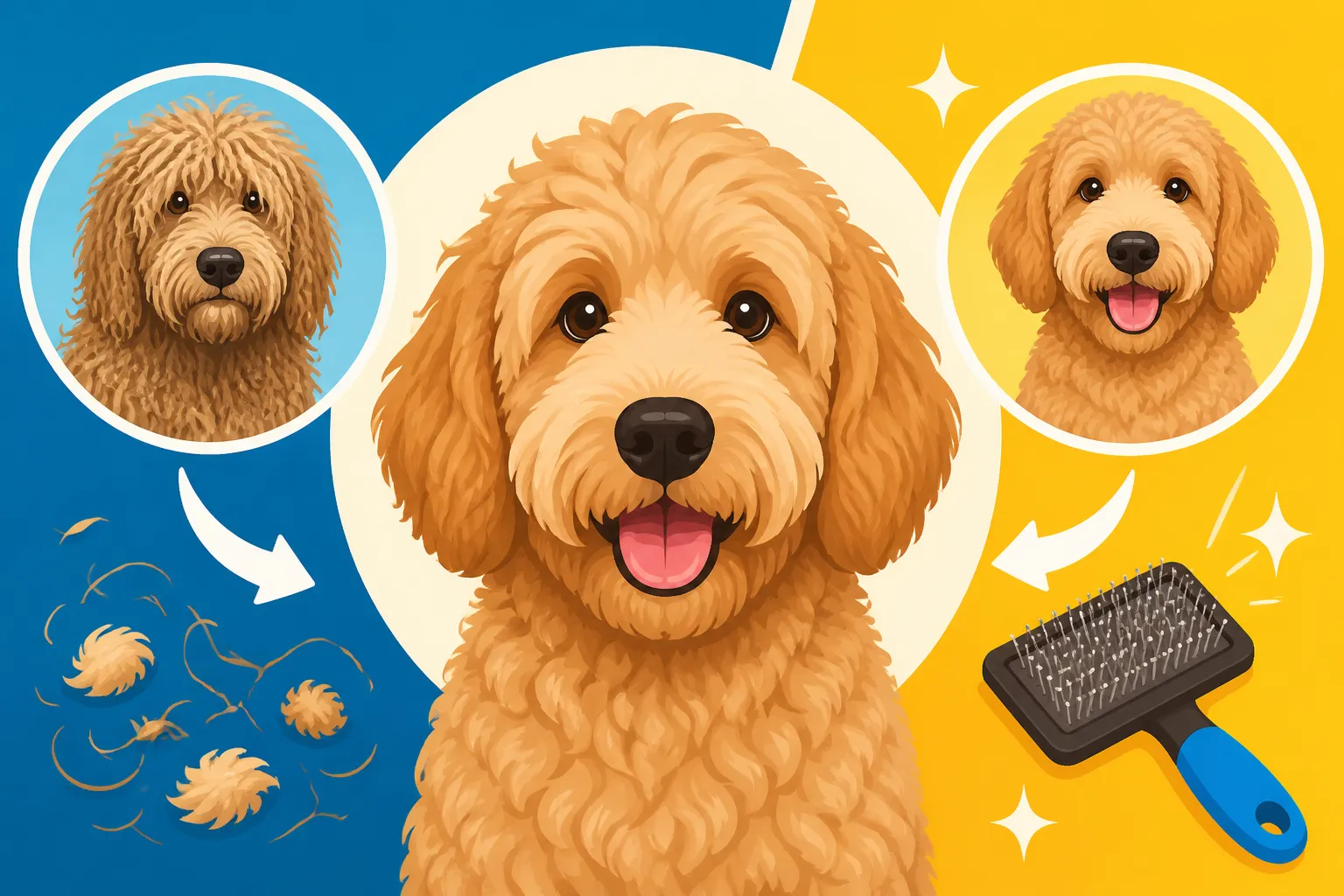
- High-Quality Slicker Brush: This is your primary weapon against mats. Look for one with firm but flexible pins that can penetrate deep into the coat without scratching the skin. Brands like Chris Christensen or similar professional-grade slickers are often recommended.
- Long-Toothed Metal Comb: Essential for checking your work and finding hidden tangles. A good comb will have both wide and fine teeth. You use the wide teeth first, then the fine, to ensure you can comb through the entire coat from skin to tip without resistance.
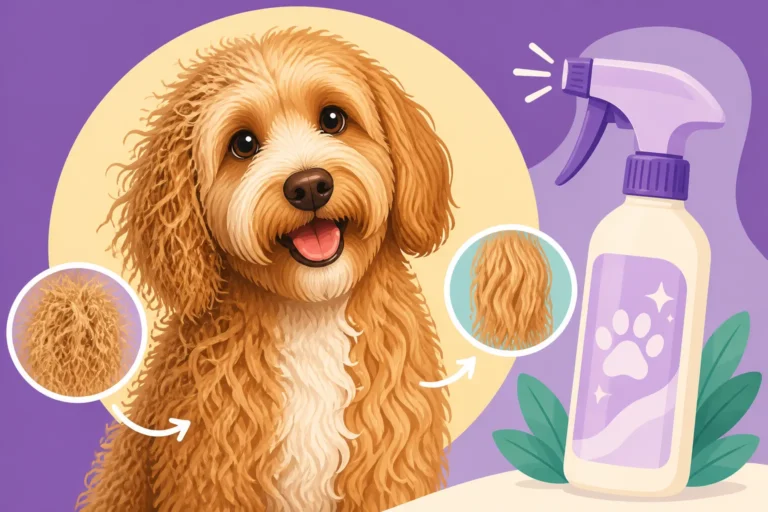
- Detangling Spray or Conditioner: This isn't just for baths! A good detangling spray (often available from pet supply stores like Chewy or on Amazon) can help loosen knots and protect the hair from breakage as you brush. Spritzing a matted section before you work on it can make a huge difference.
- Grooming Rake or Dematting Tool (optional but helpful): For larger, looser tangles, a rake can help break them up before you go in with the slicker and comb. However, use these with caution, as they can pull hair if used too aggressively.
Having the correct tools, like those mentioned in The Slicker, Rake and Comb a Labradoodle Takes, will significantly reduce the time and frustration involved in daily brushing.
Mastering the Art of Line Brushing
Line brushing is the most effective technique for Labradoodle coats, especially during the coat change, because it ensures you get all the way down to the skin where mats start. It's a bit more involved than a simple top-coat brush, but it's worth every minute.
Here’s a step-by-step guide to line brushing:
- Prep Your Dog: Find a comfortable, elevated surface where your dog can stand or lie down securely. A grooming table with a noose can be helpful, or even a sturdy table covered with a non-slip mat. Give your dog a treat and some praise to get them settled.
- Section the Coat: This is key. Start by parting the coat horizontally or vertically, isolating a small section of hair. You want to expose the skin at the base of this section.
- Brush from the Bottom Up: Begin brushing the very bottom-most section of hair, working from the skin outwards. Hold the top layer of hair out of the way with one hand.
- Slicker Brush First: Use your slicker brush in small, overlapping strokes, brushing against the direction of hair growth first to lift the coat, then with the growth. Make sure the pins are reaching the skin. If you encounter a mat, spray it lightly with detangling spray, gently work the edges with the slicker, and use your fingers to carefully pull it apart. Never just yank the brush through a mat; this is painful and damages the coat.
- Follow with the Metal Comb: Once you've brushed a small section with the slicker, take your metal comb and gently comb through that same section. If the comb glides smoothly from root to tip, you're golden! If it snags, you've found a hidden tangle, and you need to go back with the slicker brush until the comb passes through easily.
- Work in Layers: Gradually drop down more sections of hair, repeating the slicker and comb process until you’ve worked your way over the entire body. Pay extra attention to those high-friction areas we discussed earlier.
- Positive Reinforcement: Keep praising your dog and offering small, tasty treats throughout the session, especially when they are calm and cooperative.
Mastering Line Brushing a Labradoodle Coat Needs takes practice, but it's an invaluable skill that will save you and your dog a lot of heartache (and vet/groomer bills).
Making Brushing a Positive Daily Routine
Consistency is paramount during the coat change, but it won't happen if your Labradoodle dreads brushing time. Making it a positive experience is crucial for long-term success.
- Start Early, Start Small: Ideally, you've been doing short, positive brushing sessions since your Labradoodle was a tiny puppy. If not, start now! Keep initial sessions very brief – just a few minutes – and gradually extend them as your dog becomes more comfortable.
- Treats, Praise, and Play: Associate brushing with good things. Offer high-value treats (like those yummy soft training treats from Ollie or Chewy) throughout the session, not just at the end. Use a calm, reassuring voice, and offer plenty of verbal praise. Follow up with a favorite toy or a short play session to end on a high note.
- Establish a Routine: Dogs thrive on predictability. Try to brush at the same time each day, perhaps after a walk when they're a bit tired, or in the evening while you're watching TV. This helps them anticipate and accept the activity.
- Patience is a Virtue: There will be days when your Labradoodle is squirmy or less cooperative. Don't get frustrated; just take a break and try again later. Forcing it will only create negative associations. If you're struggling, consider short breaks every few minutes, especially when Building a Labradoodle Up to a Long Grooming Session.
- Professional Help: If your dog is particularly resistant, talk to your groomer or a positive reinforcement trainer. They might offer tips or techniques for desensitization and counter-conditioning.
Remember, daily brushing during the coat change is a marathon, not a sprint. A calm, positive approach will ensure your Labradoodle remains happy and cooperative with grooming throughout its life.
Beyond Brushing: Other Tips for Surviving the Coat Change
While daily line brushing is the cornerstone of managing your Labradoodle's coat during this tricky phase, there are other strategies you can employ to make the process smoother and ensure your dog's comfort.
Regular Professional Grooming Appointments
Even the most dedicated home groomer can benefit immensely from professional help during the coat change. Think of your groomer as your partner in crime prevention against mats!
- Increased Frequency: During the coat change, consider booking professional grooming appointments every 4 to 6 weeks, rather than the typical 8-10 week schedule. This allows a professional to tackle any stubborn mats you might have missed and give your dog a fresh start.
- Expert Eye and Tools: Professional groomers have specialized tools, high-velocity dryers, and years of experience handling challenging coats. They can spot nascent mats you might overlook and work them out safely and efficiently. Their knowledge of How Long a Labradoodle's Coat Change Lasts also means they can provide targeted advice.
- Open Communication: Talk to your groomer about the coat change. Let them know you're struggling, and ask for their advice on specific areas or techniques. They can offer invaluable tips tailored to your dog's unique coat. They can also explain Whether a Labradoodle's Adult Coat Mats More and why.
- Maintaining a Manageable Length: Your groomer can give your Labradoodle a shorter, more manageable clip during this period. A slightly shorter coat (like a one-inch clip) can significantly reduce the amount of surface area where mats can form and make your daily brushing sessions quicker and less arduous.
Utilizing a professional groomer regularly can be the difference between a frustrating coat change and a truly unbearable one. They are experts for a reason, and their help can be a massive relief.
Management of High-Friction Areas
Certain parts of your Labradoodle's body are mat magnets, especially during the coat change. These high-friction areas require extra vigilance and targeted attention.
- Ears: The hair behind and under the ears is constantly moving and rubbing, making it a prime spot for mats. Make sure to lift the ears and thoroughly brush this area every day. Mats Behind a Labradoodle's Ears are incredibly common and often the first place owners discover a problem.
- Armpits and Groin: These areas experience continuous rubbing from your dog's legs. They can also get damp from moisture or sweat, further exacerbating matting. Gently lift your dog's legs and meticulously brush these sensitive spots.
- Collar/Harness Area: If your dog wears a collar or harness frequently, the friction can cause matting around their neck and chest. Loosen the collar or harness during brushing, and if possible, remove it when your dog is at home and supervised to give the area a break. Consider switching to a wider, softer collar, or a harness designed to minimize coat damage. Whether a Harness Mats a Labradoodle's Chest is a real concern for many owners.
- Tail and Rear End: The base of the tail and the "pants" area can also become dense with mats, especially if your dog sits frequently. Ensure you're brushing here, lifting the tail to get underneath.
- Paws: The hair between the pads of their paws can become tangled with dirt, debris, and loose hair, forming painful mats. Regularly check and trim this hair, and brush between their toes.
By focusing extra attention on these problem zones, you can often prevent small tangles from escalating into major matting issues.
Understanding When to Seek Help
Despite your best efforts, sometimes the mats win. It's important to recognize when it's time to call in the cavalry and not let pride get in the way of your dog's comfort.
- Extensive or Tight Matting: If you find large, tight mats that feel like felt and are pulling on your dog's skin, it's almost always best to take them to a professional groomer immediately. Trying to brush out severe mats at home can be incredibly painful for your dog and can cause skin irritation, brush burn, or even tears. A good groomer will assess the situation and recommend the most humane course of action, which may involve a complete shave down.
- Signs of Skin Irritation: If you notice redness, swelling, sores, or any other signs of skin irritation underneath or around mats, a trip to the vet is in order. Mats can hide underlying skin infections or hot spots that require medical attention.
- Dog is Distressed: If your Labradoodle becomes highly agitated, fearful, or even aggressive during brushing sessions due to pain or discomfort, stop immediately. Pushing through it will only worsen their aversion to grooming. This is a clear sign to seek professional help from a groomer or even a vet if pain is suspected.
- Lack of Confidence: If you simply don't feel confident in your ability to manage the coat change, that's okay! It's a challenging time. Rather than letting the coat get out of hand, schedule more frequent grooming appointments and ask your groomer for hands-on tips and demonstrations.
Remember, needing a groomer to shave down a matted coat is not a failure on your part; it's an act of kindness to relieve your dog's pain and discomfort. The coat will grow back, and you'll have a fresh start to implement a more rigorous grooming routine. The coat change is temporary, but the lessons learned during this time will serve you and your Labradoodle for a lifetime of happy, mat-free coats.
| Stage of Life | Typical Brushing Frequency (Fleece/Wool) | Key Focus | Tools to Use | Potential Challenges During Coat Change |
|---|---|---|---|---|
| Puppy (up to 6 mos.) | 2-3 times per week | Desensitization, positive association | Soft slicker, wide-tooth comb, treats | Early introduction to handling |
| Coat Change (6-14 mos.) | Daily (non-negotiable for most) | Line brushing, skin-deep mat prevention | Firm slicker, metal comb, detangler | Rapid matting, dog discomfort, hidden mats |
| Adult (14 mos. +) | 2-4 times per week | Maintenance, specific mat zones, coat health | Firm slicker, metal comb, detangler | Seasonal shedding, occasional matting, maintaining length |
| Senior (10+ years) | 2-3 times per week, gentle sessions | Comfort, skin health, shorter clips | Softer slicker, wide-tooth comb | Skin sensitivity, joint pain, less tolerance for long sessions |
Disclaimer
This article is for general informational purposes only and does not constitute professional advice. Laws, prices and regulations vary by location and change over time. Consult a qualified professional for guidance on your specific situation.