Exercise Induced Collapse and the Labradoodle’s Labrador Half
Witnessing your beloved Labradoodle suddenly lose coordination and collapse during what should be a joyful romp can be one of the most frightening experiences a dog owner can face. It's an instant rush of panic, wondering if your dog is having a heart attack, a stroke, or something equally catastrophic. This guide is here to shed light on Exercise Induced Collapse (EIC), a genetic condition often inherited from the Labrador Retriever side of your Labradoodle's family tree, helping you understand its causes, symptoms, and how to manage it for a happy, full life.
Understanding Exercise Induced Collapse (EIC) in Labradoodles
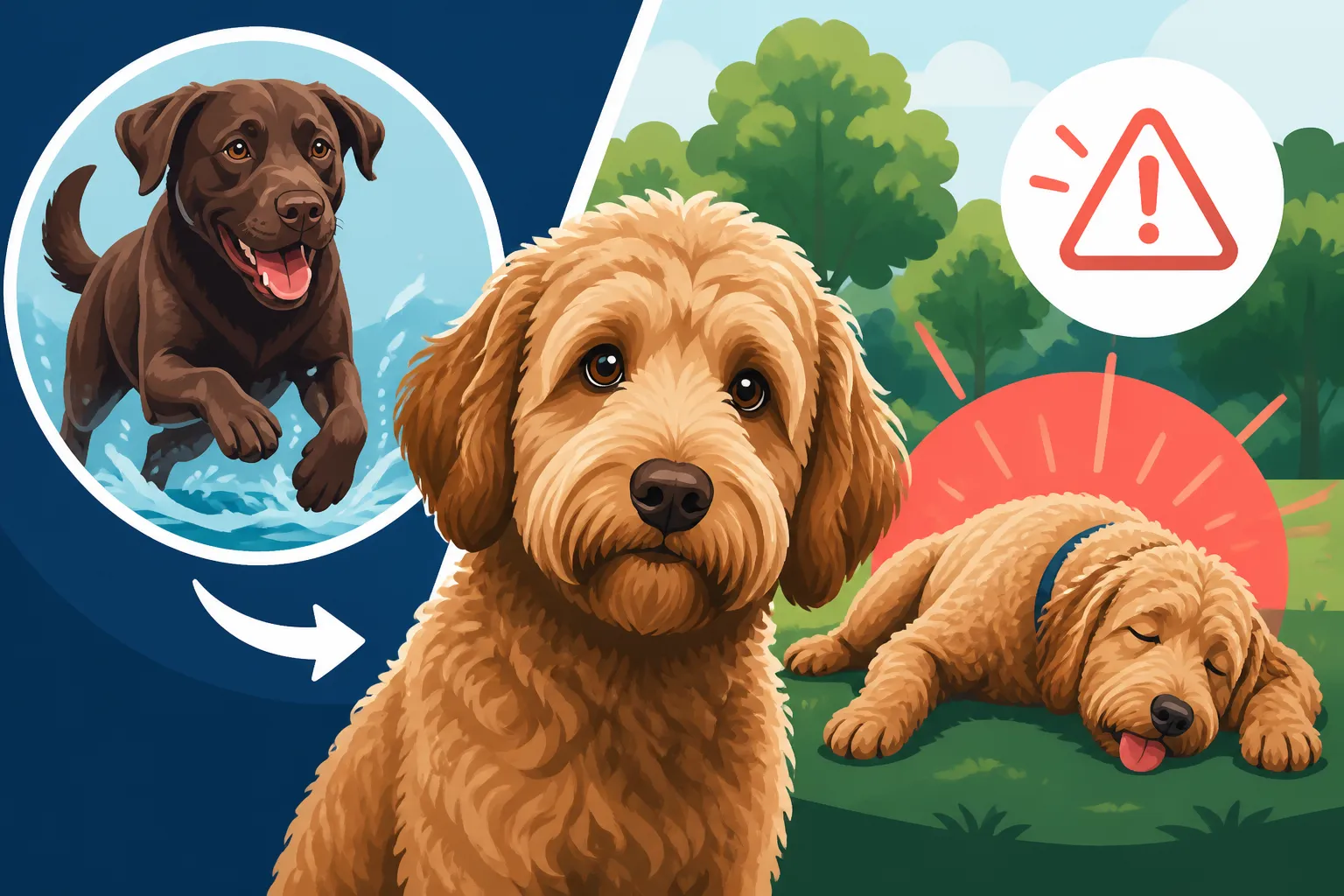
Exercise Induced Collapse, or EIC, isn't just a simple case of a dog getting tired. It’s a specific, genetically inherited neuromuscular disorder that primarily affects certain breeds, most notably the Labrador Retriever and, by extension, the Labradoodle. Imagine your dog starting a fun game of fetch, full of energy, only to have their back legs suddenly wobble, then give out, and eventually, their whole body might go limp. This isn't just fatigue; it's a profound, temporary loss of muscle control.
What Exactly Happens During an EIC Episode
During an EIC episode, the affected Labradoodle experiences a sudden onset of weakness and uncoordinated movement, particularly in the hind limbs, which can rapidly progress to total body collapse. It typically occurs after intense exercise, usually within 5 to 20 minutes of high-arousal activity. This isn't a heart problem or a seizure, though it can look incredibly alarming. What's happening internally is a temporary malfunction in the transmission of nerve signals to the muscles, specifically those responsible for intense activity. The dog's brain remains fully conscious and aware, even if their body isn't cooperating. They know what's happening but can't control it, which can be disorienting for them and agonizing for you to watch.
The collapse itself is usually not painful for the dog, but it's undoubtedly disorienting and often scary. Owners often report that their dog's eyes look clear and alert, even as their body fails them. This is a crucial distinction from conditions like heatstroke where mental awareness is often compromised. Understanding this can help you remain calmer and react appropriately when an episode occurs, focusing on cooling and rest rather than thinking the dog is in severe pain or distress beyond the physical collapse itself.
Differentiating EIC from Other Types of Collapse
It's absolutely vital to be able to distinguish EIC from other serious conditions that can cause a dog to collapse, as the immediate first aid and long-term management differ significantly. Conditions like heatstroke, hypoglycemia, cardiac events, or even certain neurological issues can present with similar symptoms of collapse, but their underlying causes and treatment are unique. For instance, a dog suffering from heatstroke will typically show signs of extreme panting, bright red gums, rapid heart rate, and often an altered mental state – they might be disoriented or unresponsive. Their body temperature will be dangerously high.
In contrast, a Labradoodle experiencing EIC usually maintains normal mentation, and their body temperature, while it might rise slightly due to exercise, isn't typically at life-threatening levels associated with heatstroke. The onset of EIC is also quite distinct, almost always tied to high-intensity, high-arousal exercise. If your dog collapses during a leisurely stroll or while resting, it's highly unlikely to be EIC and points to another medical emergency. This is why careful observation of the circumstances surrounding the collapse, the dog's mental state, and physical signs is so important before you rush to conclusions.
The Genetic Link to the Labrador Retriever
The reason EIC is such a concern for Labradoodle owners stems directly from their Labrador Retriever heritage. This isn't a random occurrence; it's rooted in a specific genetic mutation that has been identified and studied extensively. When you choose a Labradoodle, you're essentially getting a wonderful blend of two intelligent, active breeds, but you also inherit the genetic predispositions of both. For EIC, the Labrador side is where the risk factor lies.
The DNM1 Gene Mutation
At the heart of Exercise Induced Collapse is a mutation in the DNM1 gene. This particular gene plays a critical role in the proper functioning of nerve synapses, essentially the communication junctions between nerves and muscles. When there's a mutation in this gene, these communication pathways can become overwhelmed during periods of intense physical exertion and excitement, leading to the temporary breakdown in muscle control that defines an EIC episode. Think of it like a faulty wire that short-circuits under heavy load.
The DNM1 mutation is inherited in an autosomal recessive pattern. This means a dog must inherit two copies of the mutated gene (one from each parent) to actually develop the condition and show symptoms. Dogs that inherit only one copy of the mutated gene are considered "carriers." They won't typically show any symptoms of EIC themselves, but they can pass the gene on to their offspring. This is incredibly important for responsible breeding practices, as two carrier parents can produce affected puppies. You can dive deeper into this specific genetic issue by understanding The DNM1 Mutation Behind Labradoodle Collapse.
How EIC is Inherited Through Labradoodle Lines
Because EIC is so prevalent in Labrador Retrievers, and given that they are one of the parent breeds for Labradoodles, the condition can easily be passed down. If a Labrador Retriever used in a Labradoodle breeding program carries or is affected by the EIC gene, there's a significant chance it will be passed to their Labradoodle puppies. The same applies to Poodles, though EIC is less common in purebred Poodles; however, if a Poodle does carry the gene (which is rare but not impossible for some lines, or if there's been an unknown cross in their past), it can also contribute.
The generational makeup of your Labradoodle also plays a role. In an F1 Labradoodle (first generation, direct cross between a purebred Labrador and a purebred Poodle), the EIC status is directly dependent on the Labrador parent's genetics. If that Labrador is a carrier or affected, the F1 Labradoodle puppies will also be carriers or affected. In subsequent generations (F1b, F2, Multigen Labradoodles), the genetic pool becomes more complex, but the underlying principle remains: if the DNM1 mutation is present in the lineage, the risk persists. This is why ethical Labradoodle breeders prioritize genetic health testing for all their breeding stock, ensuring they don't unwittingly perpetuate conditions like EIC. Knowing Whether Health Tested Parents Add Years to a Labradoodle is a crucial part of making informed choices.
Recognizing an EIC Episode: Signs and Symptoms
Watching your energetic Labradoodle suddenly falter and collapse is a deeply upsetting experience, leaving you feeling helpless and terrified. However, understanding the specific signs of an EIC episode can help you react calmly and effectively. It’s not always a dramatic, instantaneous drop; sometimes there’s a subtle progression that, once you know what to look for, can give you a precious few moments to intervene.
The Onset and Progression of Collapse
EIC episodes typically manifest after 5 to 20 minutes of strenuous, high-arousal exercise. This isn't usually during a calm walk on a leash, but rather during intense activities like retrieving, agility, or vigorous play with other dogs. The first signs often begin with a subtle weakness in the hind limbs. Your Labradoodle might start to stumble, drag their back paws, or their gait might become noticeably wobbly. Their tail might droop, losing its usual wagging enthusiasm.
As the episode progresses, this hind limb weakness intensifies. The dog might sit or lie down spontaneously, unable to support their own weight. Eventually, they can collapse completely, often struggling to stand even for a moment. It's a progressive loss of muscle control, moving from the back end forward, though in severe cases, the entire body can become limp. What's crucial to remember is that throughout this, your dog's mind remains clear. They are usually alert, looking at you, and fully aware of their surroundings, even if their body has betrayed them. This is a key indicator that differentiates EIC from conditions affecting consciousness. For a more detailed look, consider reading What a Labradoodle Collapse Episode Looks Like.
What Your Labradoodle Looks Like During Recovery
The good news about EIC is that it is a self-limiting condition, meaning episodes typically resolve on their own with rest. Recovery usually begins quite rapidly once the dog stops exercising and is allowed to cool down and calm. Within 5 to 25 minutes, most affected Labradoodles will start to regain control of their muscles, slowly beginning to stand, walk, and eventually return to normal. This recovery is usually complete within half an hour, though some dogs might seem a bit tired or stiff for a short while afterwards.
During recovery, you might observe a gradual improvement in coordination, first in the hind limbs, then the forelimbs. They might appear a bit dazed or confused immediately after the acute phase, not from pain, but from the sudden and bewildering loss of control. It's essential to allow them to recover at their own pace in a quiet, cool environment. Avoid forcing them to stand or walk until they are ready. Providing fresh water and gentle reassurance is usually all that's needed. This rapid and complete recovery is another hallmark of EIC that sets it apart from many other medical emergencies where recovery might be slower or incomplete without veterinary intervention.
Triggers for EIC: Beyond Just "Exercise"
It’s easy to think that "Exercise Induced Collapse" simply means any exercise will cause a collapse. But it’s a bit more nuanced than that. While physical exertion is a primary factor, it’s often the type of exercise and the dog's emotional state that really tips the scales. Understanding these specific triggers is crucial for managing a Labradoodle with EIC and preventing future episodes.
Type and Intensity of Exercise
Not all exercise is created equal when it comes to EIC. A leisurely walk around the block, a gentle jog, or a calm swim are far less likely to trigger an episode than high-intensity, repetitive activities. The typical culprits are sustained, vigorous activities like intense retrieving (especially with multiple throws and quick turns), continuous running at top speed, or high-energy play sessions with other dogs where excitement levels are soaring. These activities push the dog's neuromuscular system to its limits, making it more susceptible to the communication breakdown that causes EIC.
Think about it: chasing a tennis ball across a field repeatedly, or an intense game of tug-of-war for several minutes, these are the kinds of activities that commonly lead to issues. It's not just the duration, but the sheer intensity and the "go-go-go" mentality that can overwhelm an EIC-affected dog. Many owners report that their Labradoodle can handle moderate exercise for a much longer period than a short burst of extreme activity. Knowing What Triggers a Labradoodle's Collapse Episode can help you tailor your dog's activity levels and choices.
Excitement, Stress, and Environmental Factors
Beyond just physical exertion, the emotional state of a Labradoodle with EIC plays a significant role in triggering episodes. High levels of excitement, stress, or even anxiety can act as powerful catalysts. For instance, a dog that gets incredibly worked up during a training session, even if the physical exertion isn't extreme, might still collapse. The adrenaline rush associated with intense arousal can exacerbate the genetic predisposition, making the neuromuscular system more vulnerable.
Environmental factors also weigh in. Hot and humid weather significantly increases the risk of an EIC episode. While EIC is distinct from heatstroke, the added physiological stress of overheating can make an affected dog more prone to collapse. Similarly, exercising in very cold weather can sometimes be a trigger, though less common than heat. Steep terrain or uneven surfaces, which demand more from their balance and muscle coordination, can also contribute. This means planning exercise around weather conditions and avoiding situations that might over-excite your Labradoodle is key to their well-being. It's important to remember Whether Heat Brings On Labradoodle Collapse when planning summer activities.
Diagnosis and Management: What to Do If You Suspect EIC
If you’ve witnessed your Labradoodle collapse, the first step is always a calm assessment and a trip to your veterinarian. Self-diagnosing based on online information alone is never recommended, as several conditions mimic EIC. A proper diagnosis is crucial for effective management and your dog's long-term health.
Veterinary Examination and Ruling Out Other Conditions
When you bring your Labradoodle to the vet after a suspected EIC episode, the veterinarian will perform a thorough physical examination and ask you many questions about the incident. They'll want to know the exact circumstances of the collapse: what kind of activity your dog was doing, how long it lasted, what the collapse looked like, and how quickly your dog recovered. They'll also inquire about any other symptoms, your dog's medical history, and their parentage, if known.
Ruling out other conditions is paramount. The vet might recommend a battery of tests, including blood work (to check for electrolyte imbalances, anemia, or other metabolic issues), urinalysis, and possibly cardiac evaluations (like an electrocardiogram or echocardiogram) to ensure there are no underlying heart problems. Neurological exams might also be conducted to assess nerve function. This comprehensive approach is essential because, as we discussed, conditions like heatstroke, hypoglycemia, Addison's disease, or even certain cardiac arrhythmias can present similarly. Without these diagnostic steps, you might mismanage a different, potentially life-threatening condition. Having robust pet insurance, like a policy from Healthy Paws, can really alleviate the financial stress that comes with comprehensive diagnostic testing.
DNA Testing for the DNM1 Mutation
Once other conditions have been ruled out, or if the clinical signs strongly suggest EIC, the definitive diagnostic tool is a genetic test for the DNM1 mutation. This is a simple, non-invasive DNA test, usually performed with a cheek swab or a blood sample. The sample is sent to a specialized veterinary genetics laboratory, which will analyze your Labradoodle's DNA for the presence of the EIC gene.
The results will typically categorize your dog as one of three genotypes:
- Clear (N/N): The dog does not have the mutation and cannot pass it on.
- Carrier (N/EIC): The dog has one copy of the mutation. They will usually not show symptoms but can pass the gene to their offspring.
- Affected (EIC/EIC): The dog has two copies of the mutation and is likely to develop EIC symptoms if exposed to triggers.
Receiving an "Affected" result can be disheartening, but it provides a clear answer and empowers you to implement effective management strategies. It also provides peace of mind that you're not dealing with a more sinister or progressive condition. Knowing the results of The DNA Test That Clears a Labradoodle of EIC can guide your decisions.
Managing an EIC-Affected Labradoodle
The good news is that EIC is not a life-threatening condition in itself, and with proper management, affected Labradoodles can live full, happy lives. There is no specific medication to "cure" EIC, as it's a genetic predisposition to a physiological response. Management focuses entirely on prevention: identifying and strictly avoiding the specific triggers that cause your dog to collapse.
This means carefully monitoring and modifying their exercise routine. High-intensity, high-arousal activities are generally off-limits. Instead, focus on moderate, consistent exercise like leash walks, light jogging, or controlled swimming in cool water. Short, frequent play sessions rather than prolonged, intense ones can be a good compromise. You might need to experiment to find your dog's individual threshold – what they can handle without an episode. It's a learning curve, but one that is absolutely essential for their well-being. Keeping a log of their activities and any observed symptoms can be very helpful in pinpointing their limits. This proactive approach significantly reduces the likelihood of future collapses.
Living with EIC: Adjustments for Your Labradoodle
Discovering your Labradoodle has EIC can feel overwhelming, but it's important to remember that it doesn't mean the end of a happy, active life for your dog. It simply means understanding their limits and adapting their lifestyle to ensure their safety and well-being. Many owners find peace of mind knowing that a company such as Healthy Paws can help cover the costs of routine check-ups and specialized care, which is especially helpful when navigating a condition like EIC.
Tailoring Exercise Routines
The cornerstone of living with an EIC-affected Labradoodle is carefully tailoring their exercise routine. This isn't about eliminating exercise; it's about making smart choices that keep them physically and mentally stimulated without triggering an episode. Gone are the days of endless games of fetch or hour-long dog park romps where excitement levels run high. Instead, embrace activities that are less intense and more controlled.
Consider replacing high-impact running with brisk, steady leash walks. Swimming can be an excellent low-impact exercise, but always ensure the water is cool and avoid intense retrieving in the water. Puzzle toys, scent work, or obedience training can provide mental stimulation without the physical exertion that leads to collapse. It’s also wise to keep exercise sessions shorter and more frequent throughout the day, rather than one long, strenuous outing. The goal is to provide enough activity to keep them fit and happy, but never to push them to the point of collapse. This might mean getting creative with how you tire out your dog, focusing on brain games as much as brawn.
Environmental Controls and Lifestyle Changes
Beyond modifying exercise, controlling environmental factors and making certain lifestyle changes are critical. Heat and humidity are major triggers, so avoid exercising your EIC-affected Labradoodle during the hottest parts of the day or in overly humid conditions. Early morning or late evening walks are often best during warmer months. Always ensure they have access to fresh, cool water, especially during and after any activity.
Managing their excitement levels is also key. Some EIC dogs are so sensitive that even extreme excitement without significant physical exertion can trigger an episode. This means teaching them to remain calm in exciting situations, perhaps through consistent training and desensitization. If your dog gets overly enthusiastic when visitors arrive or when going to a new place, managing these interactions can help. Simple things like using a long leash for controlled exploration rather than off-leash running in unpredictable environments can make a huge difference. Think about creating a calm, predictable routine that minimizes sudden bursts of adrenaline and high-intensity interactions.
The Role of a "Time-Out" During Play
For many Labradoodles, especially those with high drive, stopping play can be a challenge. They want to keep going, even if their body is struggling. This is where you, as the owner, need to be proactive and implement strategic "time-outs." If you're engaging in any activity that could be a potential trigger, build in mandatory rest periods. For example, after 5-10 minutes of fetch, put the ball away and have your dog lie down for a few minutes to cool off and calm down, before resuming if appropriate.
Teaching your Labradoodle a strong "settle" or "down-stay" command can be incredibly useful in these situations. This allows you to interrupt potentially dangerous high-arousal play and give them a chance to reset before symptoms appear. It’s about being observant and knowing your dog's unique threshold. Some dogs might show very subtle early signs – a slight wobble, a dropped tail, or a change in focus – that alert you to impending trouble, allowing you to call a time-out before a full collapse occurs. This proactive management ensures they can still enjoy play, just in a safer, more structured way. Remember, a dog that is a carrier of the EIC gene, or even affected, can lead a very normal life if their exercise is appropriately managed. For insights into owning an EIC carrier, check out Whether an EIC Carrier Labradoodle Is Safe to Own.
Breeding Considerations: Preventing EIC in Future Generations
The power to reduce the incidence of Exercise Induced Collapse in Labradoodles lies squarely in the hands of responsible breeders. Since EIC is a known genetic condition with an identifiable gene mutation, preventing its spread is entirely achievable through careful breeding practices. This is where a breeder's commitment to health testing truly shines.
The Importance of Genetic Health Testing
For any Labradoodle breeder, genetic health testing is not just a recommendation; it's an ethical imperative. Reputable breeders should be testing all their breeding stock for the DNM1 mutation, regardless of whether the dog shows symptoms or not. Even a seemingly healthy carrier dog, when bred with another carrier, can produce affected puppies. This is why transparency about health testing is a hallmark of a good breeder.
When considering a Labradoodle puppy, always ask to see the EIC test results for both parents. These results should clearly state whether each parent is "Clear," "Carrier," or "Affected." A responsible breeder will be happy to provide these documents and explain them. If a breeder makes excuses or says they don't test because their dogs don't show symptoms, it's a red flag. Genetic testing is a foundational step in ensuring the health of puppies and protecting the breed's future. This proactive approach by breeders is part of a larger commitment to the overall health and longevity of their lines, contributing to The Twelve to Fifteen Years a Labradoodle Lives.
Ethical Breeding Practices
Ethical breeding practices for EIC involve using the genetic test results to make informed decisions about pairings. Here’s a simple guide:
| Parent 1 Status | Parent 2 Status | Offspring Possibilities (EIC Risk) | Breeding Recommendation |
|---|---|---|---|
| Clear (N/N) | Clear (N/N) | 100% Clear | Ideal Pairing |
| Clear (N/N) | Carrier (N/EIC) | 50% Clear, 50% Carrier | Acceptable (No affected) |
| Clear (N/N) | Affected (EIC/EIC) | 100% Carrier | Acceptable (No affected) |
| Carrier (N/EIC) | Carrier (N/EIC) | 25% Clear, 50% Carrier, 25% Affected | Avoid (Produces affected) |
| Carrier (N/EIC) | Affected (EIC/EIC) | 50% Carrier, 50% Affected | Avoid (Produces affected) |
| Affected (EIC/EIC) | Affected (EIC/EIC) | 100% Affected | Strongly Avoid (High risk) |
As you can see, the only pairing that guarantees no affected puppies is Clear x Clear. However, Clear x Carrier and Clear x Affected pairings are also acceptable, as they will only produce clear or carrier puppies, none of whom will be symptomatic. The carrier offspring from these pairings can then be carefully bred to clear mates in the future. Pairings involving two carriers, or a carrier and an affected dog, or two affected dogs, are considered irresponsible as they produce puppies that will suffer from EIC. Reputable breeders will always strive to eliminate the risk of producing affected puppies, prioritizing the health and well-being of the dogs above all else. This kind of diligent screening is part of The Health Tests a Labradoodle Breeder Should Show.
The Impact on the Labradoodle Population
Consistent and widespread genetic testing for EIC has a profound positive impact on the overall Labradoodle population. By systematically removing affected and carrier dogs from the breeding pool (or breeding carriers only to clear mates), the prevalence of the DNM1 mutation can be significantly reduced over generations. This means fewer puppies born with the risk of experiencing frightening collapse episodes, and healthier, happier dogs for future families.
While EIC is not life-threatening, it does require careful management and limits the type of activities a dog can safely enjoy. By breeding responsibly, we reduce the burden on owners and ensure that the wonderful temperament and characteristics of the Labradoodle can be enjoyed without the added worry of this specific genetic condition. This commitment to genetic health helps maintain the integrity and well-being of the breed, a goal that all who love Labradoodles share.
Distinguishing EIC from Other Health Conditions
The symptoms of EIC can be incredibly alarming, and unfortunately, they can mimic other serious health issues. As a Labradoodle owner, it's crucial to understand the subtle (and sometimes not-so-subtle) differences between EIC and other conditions that cause collapse, as this knowledge can literally be life-saving.
EIC vs. Heatstroke
Perhaps the most common and critical distinction to make is between EIC and heatstroke. Both can cause collapse during exercise, especially in warm weather, but they are fundamentally different conditions with vastly different immediate treatments.
Heatstroke is a true medical emergency caused by a dangerously elevated body temperature.
- Symptoms: Extreme, continuous panting, bright red or purple gums, glassy eyes, disorientation, excessive drooling, vomiting, diarrhea, seizures, and eventual collapse. The dog's body temperature will be very high (often over 105°F or 40.5°C).
- Treatment: Immediate cooling is paramount – move to shade, apply cool (not ice cold) water to the body, offer small amounts of water, and get to a vet immediately. Delay can be fatal.
EIC is a neuromuscular disorder where muscle control fails, but core body temperature usually remains within a manageable range.
- Symptoms: Progressive weakness, especially in hind limbs, stumbling, then collapse. The dog remains mentally alert and aware. Panting may be increased from exercise but not usually extreme, and gums remain a normal pink color. Recovery is typically rapid and spontaneous with rest.
- Treatment: Stop exercise immediately, move to a cool, quiet spot, and allow for natural recovery. Do not force them to move.
The key differences lie in the dog's mental state, gum color, body temperature, and the speed/completeness of recovery. When in doubt, always treat as heatstroke and seek immediate veterinary care, because heatstroke is far more dangerous. You can learn more about this crucial distinction by exploring Telling EIC From Heatstroke in a Labradoodle.
EIC vs. Hypoglycemia or Other Metabolic Issues
Another group of conditions that can cause collapse are those related to blood sugar imbalances or other metabolic disorders. Hypoglycemia (low blood sugar) can cause weakness, disorientation, trembling, and collapse. This is more common in puppies, small breeds, or dogs with certain underlying medical conditions, and less typical for an otherwise healthy adult Labradoodle engaged in vigorous activity, though it's still something a vet might consider.
Other metabolic issues, such as severe electrolyte imbalances, could also potentially lead to weakness and collapse. These conditions often have other preceding signs like lethargy, poor appetite, or increased thirst and urination, which aren't typically associated with EIC. A thorough blood panel during a veterinary work-up will help rule out these possibilities. The key difference here is that EIC is specifically triggered by intense exercise and high arousal, while metabolic issues often cause more generalized, persistent symptoms that don't necessarily resolve rapidly with rest alone.
EIC vs. Cardiac Conditions or Addison's Disease
Cardiac conditions, such as certain arrhythmias or structural heart defects, can also lead to exercise intolerance and collapse. These types of collapses might occur more suddenly, sometimes without the progressive limb weakness seen in EIC. Dogs with heart issues might also show signs like coughing, difficulty breathing, or extreme lethargy even at rest. A veterinary cardiologist would perform specific tests like an echocardiogram to diagnose or rule out these problems.
Addison's disease, or hypoadrenocorticism, is another condition that can lead to vague signs of weakness, lethargy, vomiting, and in severe cases, a life-threatening "Addisonian crisis" which includes collapse. However, Addison's disease symptoms are usually more chronic and waxing-and-waning, not typically triggered acutely by exercise alone and recovering rapidly. The collapse associated with Addison's is often accompanied by profound weakness, gastrointestinal upset, and a slow, difficult recovery. Addison's is another genetic predisposition for Labradoodles from their Poodle side, so it's always on a vet's radar. Understanding The Vague Signs of Addison's in a Labradoodle can help you recognize the signs of this entirely different condition. A good vet will be considering all these possibilities during their diagnostic process, especially when a collapse incident occurs, as part of The Yearly Screening a Labradoodle Should Get.
Disclaimer
This article is intended for informational purposes only and does not constitute veterinary advice. If your Labradoodle collapses or shows any signs of distress, please seek immediate veterinary attention. Only a qualified veterinarian can diagnose and recommend appropriate treatment for your pet.