Whether a Labradoodle Should Be Brushed Wet or Dry
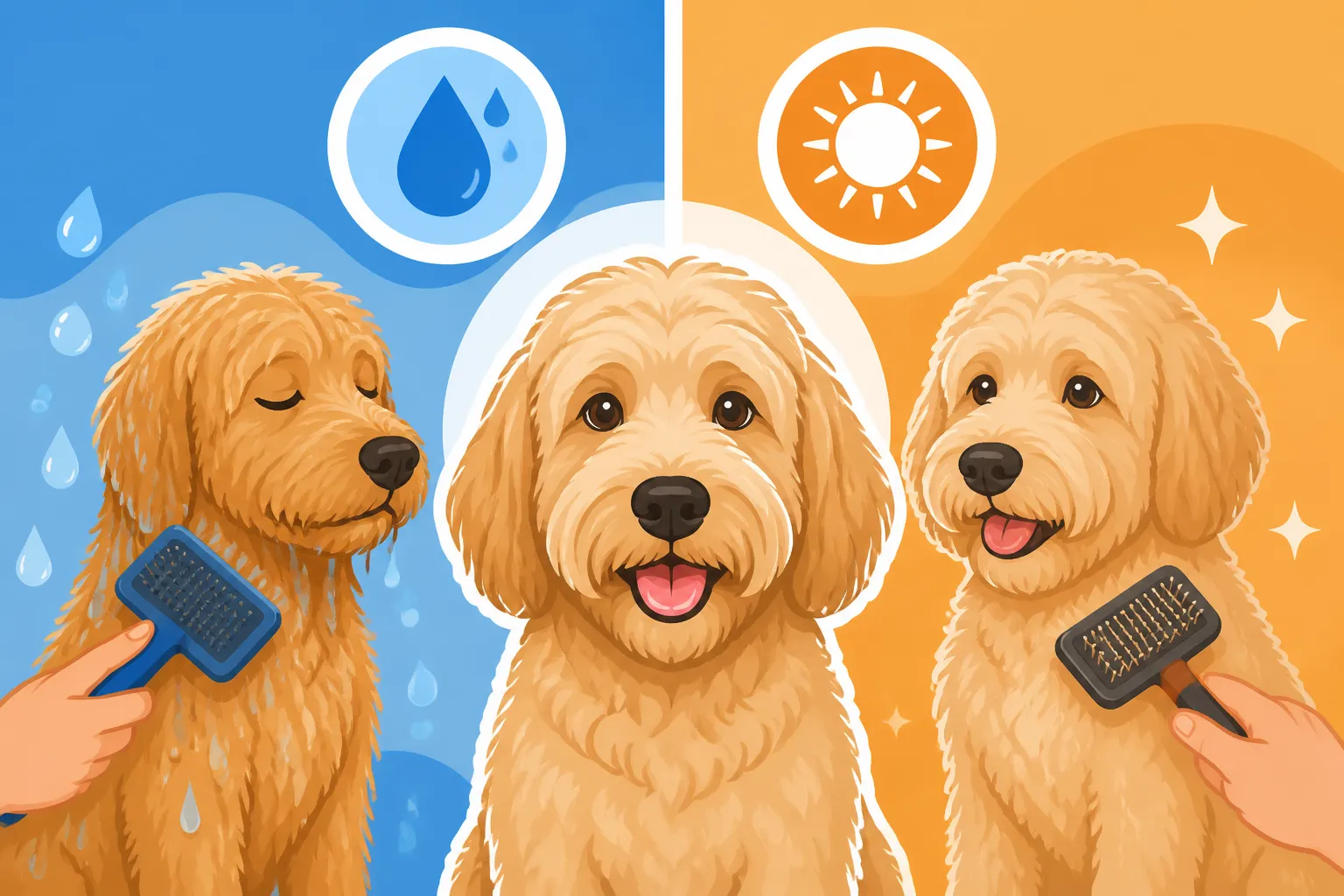
It’s a common frustration for Labradoodle owners: you’ve just given your fluffy companion a bath, or perhaps they’ve had a wonderful romp in a puddle or stream, and now you’re staring at a damp, curly coat wondering if this is the prime time to tackle those inevitable tangles. Many well-meaning owners reach for the brush only to find themselves wrestling with a sticky, uncooperative mess, often making the situation worse. This guide will walk you through the absolute best practices for brushing your Labradoodle, focusing on why dry is almost always the way to go, and how to keep their beautiful coat healthy and mat-free.
Understanding Your Labradoodle's Unique Coat
Before we dive into the nitty-gritty of brushing, it's essential to understand the unique characteristics of a Labradoodle's coat. Unlike many breeds, Labradoodles don't have a simple single or double coat; their fur can be a delightful, sometimes challenging, mix of qualities inherited from both their Labrador Retriever and Poodle parents. This blend is what often leads to their famous "hypoallergenic" claims, but it also demands a specific grooming regimen.
The Different Coat Types and Their Needs
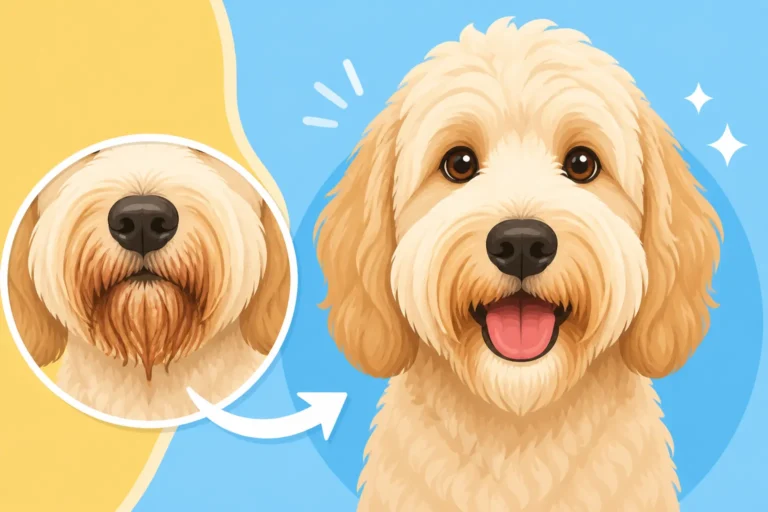
Labradoodle coats generally fall into three categories: hair, fleece, and wool. Each type reacts a bit differently to moisture and requires varying levels of maintenance, but the core principle of dry brushing remains consistent across all.
- Hair Coat: This is the least common and often the most problematic for owners seeking that low-shedding quality. A hair coat can resemble a Labrador's, being straighter and often shedding more. While it might seem easier to brush, it can still knot, especially if it has some wave or feathering. Water tends to make this coat heavy and can cause any existing tangles to pull and tighten. You might find that The Three Labradoodle Coats: Hair, Fleece and Wool dives deeper into these distinctions.
- Fleece Coat: This is the most sought-after coat type, known for its soft, wavy, or spiraling texture, often described as feeling like angora goat hair. It’s typically low-shedding and feels wonderfully soft. However, this softness and wave also make it highly prone to matting, particularly when wet. The individual strands can clump together, forming dense knots that are incredibly difficult to remove once dry.
- Wool Coat: Resembling a Poodle's coat, this type is dense, curly, and feels like lamb's wool. It's often the best for allergy sufferers as it sheds the least. The wool coat, while less prone to shedding, is arguably the most prone to matting. Its tight curls can quickly felt together, and adding water without proper pre-brushing is a recipe for disaster. Each curl can intertwine with another, and moisture exasperates this, shrinking the tangles into solid felt.
Regardless of your Labradoodle’s specific coat type, the common denominator is that wet hair, when subjected to friction or pressure, will mat tighter and faster than dry hair. Imagine trying to comb through a tangled mess of wet human hair without conditioner—it snags, pulls, and often breaks. The same principle, magnified, applies to your Labradoodle.
The Dreaded Matting Problem
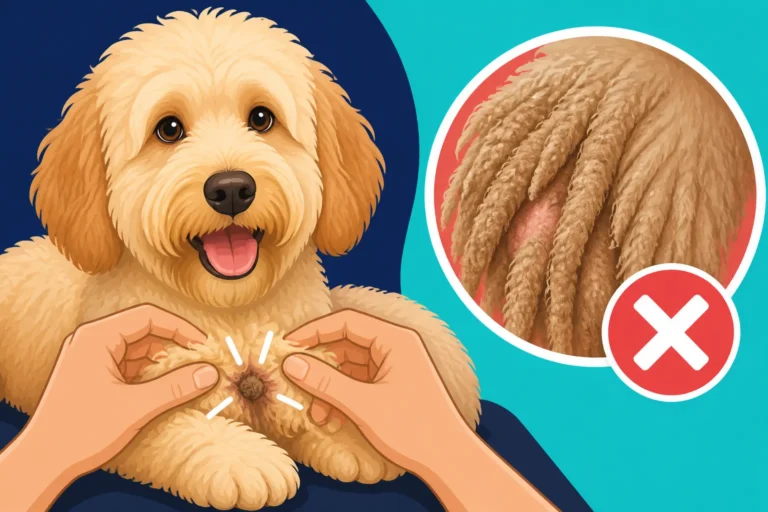
Matting is the bane of every Labradoodle owner's existence, and understanding why it happens is the first step in preventing it. A mat forms when loose, shed hair gets caught in the surrounding live coat, tangling together to create a dense clump. These clumps then tighten with movement, friction, and especially, moisture.
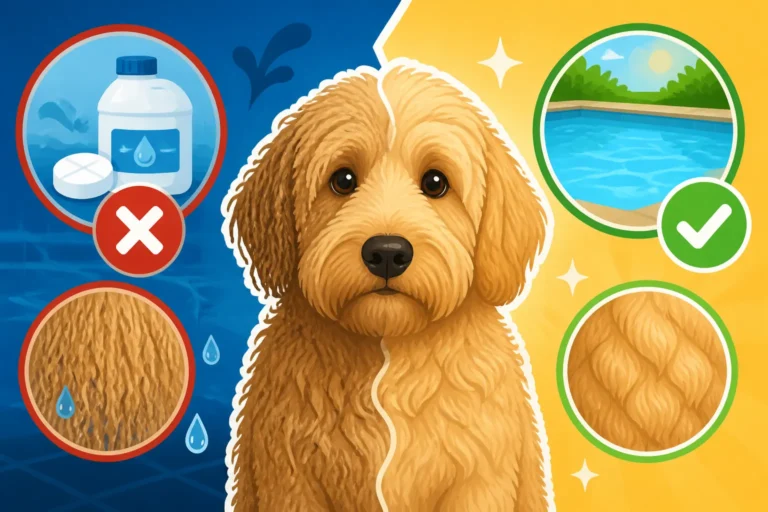
When your Labradoodle's coat gets wet—whether from a bath, rain, or a swim—the individual hair shafts absorb water and swell. This causes them to expand and become more prone to sticking together. If there are any existing tangles, even small ones, the water acts like a catalyst, making them cinch up and become incredibly tight. As the hair dries, these tightened clumps shrink and harden, forming painful, concrete-like mats that are often impossible to brush out without causing significant discomfort to your dog. Many owners recount stories of trying to brush out a damp coat only to end up with a huge, impenetrable knot. This is particularly true around common friction points, which is why you'll often find Where Mats Form First on a Labradoodle behind the ears, in the armpits, and around the tail. These areas are already predisposed to tangles, and getting them wet without prior detangling is asking for trouble.
The Risks of Brushing a Wet Labradoodle
It’s tempting to think that brushing a wet coat will make it easier, like conditioning your own hair. However, with a Labradoodle, this couldn't be further from the truth. The unique texture of their coat means that brushing when wet carries significant risks.
Aggravating Existing Tangles and Creating New Ones
Picture this: your Labradoodle has just come in from a rainy walk, a few small tangles have formed from rolling in the grass. You think, "A quick brush will sort this out before it dries." So, you grab your slicker brush and start in. What happens? Instead of gliding through, the brush snags. The water makes the hair more elastic but also stickier, so instead of separating, the wet strands cling to each other. As you pull the brush, those small tangles are not only not coming out, but they’re also being pushed together, tightened, and compacted. You're effectively felting the coat, twisting small knots into larger, harder mats. This process is painful for your dog, as the brush pulls on their skin, and it breaks healthy hairs, contributing to more future tangles. It's a frustrating cycle that leaves both you and your Labradoodle stressed.
This is especially pronounced with the fleece and wool coats. The natural curl acts like Velcro when wet, locking strands together. Attempting to brush through this creates tiny, tight knots that are practically impossible to remove once the coat dries. You'll likely find yourself hitting a wall, feeling the brush skip over the surface of the mat, or worse, tearing through the top layer of hair while leaving the compacted under-mat untouched. This is often the point where owners realize their dog's coat is getting worse, not better.
Skin Irritation and Discomfort
Beyond creating more mats, brushing a wet Labradoodle can cause serious discomfort and even damage to their delicate skin. When hair is wet, it becomes weaker and more susceptible to breakage. Forceful brushing on a wet, tangled coat can pull the hair out from the follicle, leading to pain and skin irritation.
Imagine your dog yelping or pulling away from the brush – that's their way of telling you it hurts. Repeatedly brushing a wet coat aggressively can lead to:
- Brush burn: This is essentially friction burn on the skin, caused by the brush bristles rubbing against damp, tender skin. It can manifest as redness, inflammation, and even raw spots.
- Folliculitis: When hair follicles are constantly pulled and irritated, they can become inflamed and infected. This leads to bumps, pustules, and discomfort, often requiring veterinary attention.
- Negative grooming association: If every grooming session is painful, your Labradoodle will quickly learn to dread the brush. They might struggle, bite at the brush, or even show aggression, making future grooming tasks, like Teaching a Labradoodle to Lie Still for a Ninety Minute Groom, incredibly difficult and stressful for both of you. This can snowball, turning what should be a routine bonding experience into a battle.
It's a common story that a trip to the groomer for a matted Labradoodle often ends with the phrase, "We had to shave them down." This drastic measure is usually due to mats being too tight and close to the skin to be safely brushed out, and brushing them wet only accelerates this process.
The Golden Rule: Always Brush a Dry Labradoodle
The simplest and most effective rule for Labradoodle grooming is this: always brush a dry, detangled coat. This isn't just a suggestion; it's a fundamental principle that will save you time, prevent mats, and keep your Labradoodle comfortable and happy during grooming.
The Benefits of Brushing a Dry Coat
When your Labradoodle's coat is completely dry, the individual hair shafts are less sticky and more resistant to breakage. This allows your grooming tools to glide through the coat much more effectively.
- Effective Detangling: On a dry coat, a slicker brush or a comb can separate tangled strands without pulling or breaking them. You can work through knots gently, from the ends up to the skin, gradually loosening them. This is often referred to as Brushing a Labradoodle to the Skin, Not the Surface, ensuring you're not just skimming the top layer.
- Removes Loose Undercoat and Shedding Hair: Labradoodles, especially those with fleece or wool coats, still shed, but the hair often gets trapped within the curls instead of falling out. Brushing a dry coat helps to effectively remove this trapped, dead hair before it has a chance to form mats. This is particularly important during What Happens to a Labradoodle's Coat at Nine Months when they blow their puppy coat and transition to their adult fur. Regular dry brushing helps manage this "shedding season" with much less stress.
- Distributes Natural Oils: Brushing helps to spread your dog's natural skin oils evenly throughout their coat. This keeps the fur healthy, shiny, and less prone to dryness and static, contributing to overall coat health.
- Prevents Skin Issues: By gently detangling and removing loose hair, you reduce the chances of irritation, folliculitis, and other skin problems that can arise from matted fur pulling on the skin or harboring moisture and dirt.
- A More Enjoyable Experience: When grooming isn't painful, your Labradoodle is far more likely to tolerate and even enjoy the process. This positive association makes regular grooming sessions much easier for both of you, strengthening your bond rather than straining it.
Step-by-Step for Effective Dry Brushing
So, how do you properly brush a dry Labradoodle? It's all about technique and the right tools.
- Gather Your Tools: You'll need a good quality slicker brush (many owners find the flexible pin slickers on platforms like Amazon or Chewy to be effective), a metal comb with both wide and narrow teeth, and a detangling spray (more on that below). Some owners also swear by a grooming rake for thicker coats. Having The Slicker, Rake and Comb a Labradoodle Takes readily available is crucial.
- Make it a Routine: Aim for at least 3-4 times a week, or even daily for wool-coated Labradoodles. Consistency is key to preventing mats from forming in the first place. You can find more specific guidance on How Many Times a Week a Labradoodle Needs Brushing.
- Start with Short Sessions: Especially if your dog isn't used to it, keep sessions brief and positive. Reward with treats and praise.
- The "Line Brushing" Technique: This is the most crucial technique for Labradoodles. Don't just brush the top layer. Instead, part the coat horizontally, exposing a small line of skin. Brush the hair below the line, working your way up from the skin and out to the ends, layer by layer. Once that section is tangle-free, drop down another small section of hair and repeat. This ensures you're getting all the way to the skin. Teaching Yourself to Line Brush a Labradoodle is a skill worth mastering.
- Focus on Mat-Prone Areas: Pay extra attention to behind the ears, armpits, groin, tail, and where harnesses rub. These are notorious spots for mats.
- Use Your Comb: After slicker brushing a section, follow up with your metal comb. If the comb glides smoothly from root to tip, you know that section is truly tangle-free. If it snags, go back with the slicker brush.
- Be Gentle: Never pull or rip through tangles. If you encounter a stubborn mat, use your fingers to try to gently tease it apart first. A detangling spray can be a huge help here.
What to Do If Your Labradoodle Gets Wet
Life happens, and sometimes your Labradoodle will get wet. Whether it’s an unexpected downpour, a joyful swim, or bath time, the key is knowing how to handle their coat after it's wet to prevent matting.
- Towels First: Immediately after getting wet, towel dry your Labradoodle thoroughly. Gently squeeze and blot the water out of the coat, rather than rubbing vigorously, which can create tangles.
- For Baths, Pre-Brush! If you're giving your Labradoodle a bath, the golden rule is to brush them completely free of tangles before they even touch the water. Any knots that go into the tub wet will come out significantly tighter and harder to remove. After shampooing and rinsing thoroughly (making sure to get all the shampoo out, as residue can cause skin irritation), towel dry.
- The Force Dryer is Your Best Friend: For Labradoodles, a high-velocity force dryer is invaluable. It blows water out of the coat quickly and efficiently, separating the hair strands and preventing them from clumping as they dry. Point the nozzle at the skin, moving it constantly, and use your slicker brush simultaneously to brush and dry in sections. This ensures the coat dries straight and tangle-free. Many professional groomers use these, and you can find consumer-grade versions on Chewy or Amazon. Drying a Labradoodle After It Swims or bathes is critical.
- Ensure Complete Dryness: Do not stop drying until your Labradoodle's coat is 100% dry, especially down to the skin. Even slightly damp patches can lead to mats forming as the dog moves around.
- Final Comb-Through: Once completely dry, do a final, thorough comb-through with your metal comb to ensure no hidden tangles remain.
| Brushing Method | Pros | Cons | Best For |
|---|---|---|---|
| Wet Brushing | None, generally inadvisable for Labradoodles | – Aggravates existing tangles, creating tighter mats – Causes pain and discomfort for the dog – Can lead to skin irritation and breakage – Fosters negative association with grooming – Makes professional grooming harder (potential shave-down) |
Avoid, unless using a light detangling spray on damp hair (see below) |
| Dry Brushing | – Effectively removes loose hair and prevents mats – Distributes natural oils for a healthy coat – Prevents skin irritation and damage – Creates a positive grooming experience – Easier for both owner and dog |
– Requires consistency and proper technique – May need specific tools for effectiveness |
Daily/regular maintenance; Pre-bath; Post-swim (after drying) |
When is Some Moisture Okay? (Conditioning Sprays)
While the overarching rule is to brush a dry coat, there's a specific, controlled exception: using detangling or conditioning sprays. These products are designed to add a light layer of slip and moisture to the hair shaft, making it easier to brush without soaking the coat.
Using Detangling Sprays as a Grooming Aid
Detangling sprays are not a green light to brush a soaking wet Labradoodle. Instead, think of them as a helpful tool to use on a dry or slightly damp coat (after towel drying, before force drying) to aid in the brushing process. They provide lubrication that helps the brush glide through, minimizing friction and making it easier to work out stubborn knots.
Here's how to use them effectively:
- Targeted Application: Instead of saturating the entire coat, focus on spraying a small section you're currently working on, particularly areas prone to tangles like the armpits or behind the ears.
- Work into the Coat: Gently massage the spray into the section with your fingers to ensure it penetrates the hair.
- Brush Immediately: Don't let the spray dry on its own. Use your slicker brush and comb to work through the section while the spray is still active. The added slip will help separate strands.
- Don't Overdo It: Too much spray can leave a residue, making the coat feel greasy or attracting more dirt. A light mist is usually sufficient.
These sprays are especially beneficial when tackling an existing small mat on a dry coat. A good detangling spray can often loosen the hairs just enough for you to gently pick them apart with your fingers or the fine teeth of a comb, avoiding the need for scissors. You can find a wide variety of Detangling Sprays for a Labradoodle available on platforms like Chewy or Amazon.
Choosing the Right Products
When selecting a detangling or conditioning spray, look for formulas specifically designed for dogs. Avoid human products, as their pH levels and ingredients can irritate canine skin.
- Hypoallergenic Options: If your Labradoodle has sensitive skin or allergies, opt for hypoallergenic, fragrance-free sprays.
- Nourishing Ingredients: Ingredients like oatmeal, aloe vera, or argan oil can help condition the coat, adding moisture and shine.
- Reputable Brands: Stick to brands known for their pet grooming products. Reading reviews from other Labradoodle owners can also be incredibly helpful.
- Avoid Oils that Attract Dirt: Some heavy oil-based products might feel good initially but can attract dust and dirt, leading to faster matting. Look for lighter, silicone-based detanglers that provide slip without stickiness.
Ultimately, these sprays are an aid to dry brushing, not a replacement for it. They make the job easier and more pleasant, but the core principle of keeping the coat well-groomed through consistent dry brushing remains paramount for preventing the dreaded Labradoodle mats. Maintaining a healthy, mat-free coat is a labor of love, but with the right techniques and tools, it's a rewarding part of owning these wonderful dogs.
By committing to regular dry brushing and understanding the nuances of your Labradoodle's coat, you'll ensure they remain comfortable, healthy, and looking their absolute best. It might feel like a lot of work at first, but trust me, it’s far less work than battling severe mats or facing a complete shave-down at the groomer, which can be expensive (imagine What a Full Groom Costs on a Wool Coated Labradoodle versus The Yearly Grooming Total on a Standard Labradoodle when preventive care is consistent). Your Labradoodle will thank you with every comfortable wag of their tail.
Disclaimer
This article is for general informational purposes only and does not constitute professional advice. Laws, prices and regulations vary by location and change over time. Consult a qualified professional for guidance on your specific situation.