The Twelve to Fifteen Years a Labradoodle Lives
One of the biggest hopes we have for our furry family members is that they'll be with us for a good, long time. When you bring a Labradoodle into your life, it's natural to wonder, "How many years will I get to share with this wonderful dog?" It’s a valid question, especially given the costs, commitment, and deep emotional bond involved. This guide is here to shed light on the typical Labradoodle lifespan, the factors that influence it, and how you can maximize your time together by understanding their unique health needs and providing the best possible care.
Understanding the Typical Labradoodle Lifespan
It’s often said that dogs are only with us for a fleeting moment, but we want that moment to last as long as possible. For Labradoodles, you're generally looking at a pretty respectable run, usually somewhere between 12 and 15 years. This range is a fantastic sweet spot for a medium to large-sized dog, often exceeding the lifespan of some purebreds of similar stature. Of course, this isn't a guarantee for every single Labradoodle out there. Just like us, every dog is an individual, and a multitude of factors play into how long they truly thrive.
What Influences a Labradoodle's Longevity?
You might be thinking, "That's a nice range, but what actually pushes a Labradoodle towards the higher end of those 15 years, or unfortunately, towards the lower end?" It's a combination of genetics, lifestyle, and a good bit of luck. Think of it like this: you can inherit great genes for longevity, but if you smoke and eat fast food every day, you're not doing yourself any favors. The same principle applies to our beloved Doodles. Their genetic predispositions are set by their parents, but their daily life, the quality of their food, how much exercise they get, and the veterinary care they receive all play huge roles in shaping their ultimate lifespan.
Comparing them to their parent breeds, the Labrador Retriever typically lives around 10-12 years, while the Poodle (especially Standard Poodles) can live 12-15 years or even longer. This is why the Labradoodle's average often falls into that higher range, sometimes even leading to the question, Whether a Labradoodle Really Outlives Its Parent Breeds. The combination of the two breeds often results in what's sometimes called "hybrid vigor," a concept that suggests crossbred dogs can be healthier and live longer due to a wider gene pool. While this isn't a universal truth for every single mixed breed, it often holds for healthy first-generation crosses of two distinct breeds like the Labrador and the Poodle.
The Role of Responsible Breeding Practices
When you first start looking for a Labradoodle puppy, you'll encounter a lot of information about breeders, generations, and health testing. It can feel overwhelming, but it's crucial because a responsible breeder is your first line of defense against preventable genetic health issues that could drastically shorten your dog's life. A breeder who truly cares about the long-term health of their puppies will invest in thorough health testing for both parent dogs. This includes screening for hip and elbow dysplasia, various eye conditions, and certain genetic diseases prevalent in Poodles and Labradors.
For example, asking a breeder for Labradoodle eye certificates is essential. They should be able to provide clear results for conditions like Progressive Retinal Atrophy (PRA), which can lead to blindness. Similarly, certifications for hips and elbows are vital, as these can severely impact mobility and quality of life in later years. When you choose a puppy from parents who have undergone these rigorous health screenings, you significantly reduce the risk of your Labradoodle inheriting these debilitating conditions, setting them up for a much healthier and potentially longer life. It directly addresses the question of Whether Health Tested Parents Add Years to a Labradoodle, and the answer is a resounding yes.
Navigating Genetic Health Concerns
Even with the best breeding practices, no dog is entirely immune to health challenges. Labradoodles, being a cross of two distinct purebreds, can inherit predispositions from both sides of their family tree. Understanding these potential genetic pitfalls isn't about fostering anxiety, but about empowering yourself as an owner to be vigilant and proactive. Early detection and management of many conditions can make a world of difference in your Labradoodle's quality and length of life.
Inherited Conditions from the Poodle Line
The Poodle side of your Labradoodle's ancestry brings with it a few specific genetic concerns that are worth knowing about. One of the more talked-about conditions is Addison's Disease. This is a tricky one because the signs can be quite vague at first – things like lethargy, reduced appetite, vomiting, or diarrhea. It’s often nicknamed the "great imitator" because it can mimic so many other illnesses. However, if left undiagnosed, it can lead to a life-threatening adrenal crisis. Thankfully, once diagnosed, Addison's is very manageable with daily medication, allowing affected dogs to live full, happy lives. This is why understanding Addison's Disease a Labradoodle Inherits From the Poodle is so important for owners.
Another condition to be aware of, particularly in Standard Poodles and thus potentially in Standard Labradoodles, is bloat (Gastric Dilatation-Volvulus or GDV). This is a sudden, life-threatening condition where the stomach fills with gas and can twist, cutting off blood supply. It's a true emergency, and prompt veterinary attention is critical for survival. While it's not strictly genetic in the same way Addison's is, the deep-chested conformation common in Poodles (and therefore some Labradoodles) makes them more susceptible. Awareness of Bloat Risk in a Standard Poodle Bred Labradoodle means you can recognize symptoms like unproductive retching, distended abdomen, and restlessness, and seek immediate help.
Inherited Conditions from the Labrador Retriever Line
From the Labrador Retriever side, Labradoodles can inherit predispositions to certain orthopedic issues. Hip and elbow dysplasia are unfortunately common in larger, fast-growing breeds, including Labradors. These conditions involve abnormal development of the hip or elbow joints, leading to pain, arthritis, and lameness. While proper nutrition and controlled exercise during puppyhood can help minimize the expression of these genes, they are ultimately inherited. This is why getting certifications for Hips and Elbows in a Sixty Pound Labradoodle from a reputable breeder is non-negotiable. It helps ensure your puppy starts with the best possible joint health.
Another genetic condition stemming from the Labrador side is Exercise Induced Collapse (EIC). This disorder causes otherwise healthy dogs to lose muscle control and collapse after intense exercise, particularly in warm weather or when over-excited. While not life-threatening in the same way as bloat, it can be very distressing for owners and can impact a dog's activity levels. Fortunately, there's a DNA test for EIC, and responsible breeders will screen their breeding stock to avoid producing affected puppies. Knowing about these possibilities allows you to partner with your vet for tailored preventative care and monitoring.
Conditions Common to Both Parent Breeds and Doodles
Beyond specific breed-linked issues, Labradoodles can also face health challenges common to both Poodles and Labradors, or generally seen in many larger breeds. Eye conditions, like Progressive Retinal Atrophy (PRA), can affect either parent breed and therefore be passed on to Labradoodle puppies. PRA is a group of genetic diseases that cause the retina to degenerate over time, leading to vision loss and eventually blindness. Reputable breeders will perform DNA testing for prcd-PRA, a common form of the disease. A clear test for The prcd-PRA Test Both Labradoodle Parents Need significantly reduces the risk.
Allergies are another big one that many Labradoodle owners encounter. Both Poodles and Labradors can be prone to environmental or food allergies, leading to itchy skin, ear infections, and sometimes gastrointestinal upset. Labradoodles, with their dense coats and often floppy ears, can be particularly susceptible to skin irritations and secondary ear infections if moisture and debris get trapped. Regular grooming, proper ear cleaning, and working with your vet to identify and manage allergens are key to keeping them comfortable.
Table: Common Labradoodle Health Concerns and Prevention
| Condition | Parent Breed Link | Key Signs to Watch For | Preventative/Management Action |
|---|---|---|---|
| Hip/Elbow Dysplasia | Labrador | Lameness, stiffness, reluctance to exercise, "bunny hop" gait | Breeder health testing (OFA/PennHIP), controlled growth, supplements |
| Addison's Disease | Poodle | Lethargy, vomiting, diarrhea, lack of appetite, shaking | Breeder genetic testing, prompt veterinary diagnosis and medication |
| Bloat (GDV) | Poodle | Distended abdomen, unproductive retching, restlessness, pain | Prophylactic gastropexy, slow feeding, rest after eating, emergency vet care |
| Progressive Retinal Atrophy (PRA) | Both Labrador & Poodle | Night blindness, bumping into objects, dilated pupils, gradual vision loss | Breeder genetic testing (prcd-PRA), regular veterinary eye exams |
| Exercise Induced Collapse (EIC) | Labrador | Weakness, wobbly gait, collapse after intense exercise (especially in heat) | Breeder genetic testing, controlled exercise, avoid overheating |
| Ear Infections | Both (drop ears) | Head shaking, scratching ears, discharge, odor | Regular ear cleaning, drying ears after swimming, veterinary check-ups |
The Impact of Size on Longevity
It’s often a general rule of thumb in the canine world that smaller dogs tend to live longer than larger dogs. While there are always exceptions to every rule, this general trend does bear out in many breeds, and it's a topic that often comes up with Labradoodles too. Since Labradoodles come in a range of sizes—miniature, medium, and standard—it's worth exploring how this might influence their overall lifespan.
Miniature Labradoodles vs. Standard Sizes
Miniature Labradoodles, typically weighing under 30 pounds, are generally expected to live a little longer than their standard-sized counterparts. While a standard Labradoodle typically lives for 12 to 15 years, a miniature Labradoodle might nudge that average lifespan upwards by a year or two, potentially reaching 14 to 16 years. This isn't a hard and fast guarantee, of course, but it aligns with the broader pattern seen across dog breeds. The smaller size often places less strain on joints and vital organs over time, which can contribute to a slightly extended lifespan.
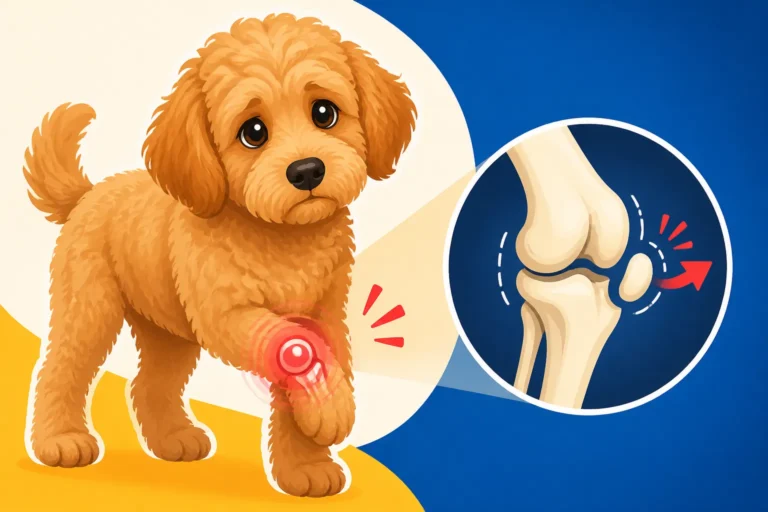
However, it's also important to remember that miniaturization can sometimes introduce its own set of health considerations. For instance, smaller dogs can be more prone to dental issues like crowded teeth or retained puppy teeth, which can lead to periodontal disease if not properly managed. They can also be more susceptible to conditions like patellar luxation (slipping kneecaps), especially if not bred responsibly. So, while you might gain a little on the longevity front, ensuring you still seek a reputable breeder who screens for miniature-specific concerns is just as vital as it is for the larger varieties. The question of Whether a Miniature Labradoodle Outlives a Standard is complex but generally leans towards yes, with proper care.
Growth Rates and Skeletal Health
The growth rate of a Labradoodle, particularly for the standard and medium sizes, plays a significant role in their long-term health. Large and giant breed puppies need to grow at a controlled pace to allow their skeletal system to develop properly. Rapid growth can put undue stress on developing joints, exacerbating any genetic predispositions to conditions like hip or elbow dysplasia. This means careful attention to nutrition and exercise during their critical growth phases is paramount.
Over-exercising a growing Labradoodle puppy, or feeding them a diet too high in calories or calcium for a large breed, can contribute to orthopedic problems down the line. A young Labradoodle's bones and joints are still soft and susceptible to injury. This is why veterinarians often recommend limiting strenuous activities like long runs, hard jumps, or too many stairs until they are fully mature, typically around 18-24 months for larger Doodles. Taking these precautions in their formative months can significantly improve their joint health and comfort for their entire lives, directly impacting their mobility and overall well-being as they age.
Nutrition and Weight Management for Longevity
What you put into your Labradoodle's bowl day in and day out is arguably one of the most significant factors you, as an owner, have direct control over when it comes to their long-term health and lifespan. Good nutrition isn't just about filling their belly; it's about fueling every cell in their body, supporting their immune system, maintaining a healthy weight, and providing the building blocks for a vibrant, active life.
Choosing the Right Diet for Every Life Stage
Just like humans, a Labradoodle's nutritional needs change dramatically throughout their life. A growing puppy needs a diet formulated for large breed puppies (if they are expected to be a standard or medium size) that supports steady, controlled growth without promoting rapid weight gain that can stress developing joints. This specialized food will have balanced calcium and phosphorus levels crucial for bone development. Transitioning a Labradoodle from puppy food should happen at the appropriate time, typically around 12-18 months, to an adult formula. You might want to refer to Feeding a Labradoodle Through Its Growth for more detailed guidelines during this crucial period.
Once your Labradoodle is an adult, their diet should support their activity level and maintain an ideal body condition. This means choosing a high-quality dog food that lists real meat as the first ingredient and avoids excessive fillers. As they enter their senior years, usually around 8 years old, their metabolism might slow down, and they may become less active. At this point, switching to a senior-specific formula, which often has fewer calories and added joint support supplements, can be beneficial. It's always best to consult with your veterinarian to tailor the diet specifically to your Labradoodle’s individual needs, health status, and activity level.
The Dangers of Obesity
One of the most insidious threats to a Labradoodle's lifespan is obesity. It’s incredibly common, often underestimated, and unfortunately, entirely preventable. Excess weight puts immense strain on a dog's joints, worsening conditions like arthritis and hip or elbow dysplasia. It also significantly increases the risk of other serious health issues, including diabetes, heart disease, certain types of cancer, and even makes them more susceptible to anesthetic complications if they need surgery. An overweight Labradoodle will almost certainly live a shorter, less comfortable life. This is why Keeping Weight Off a Labradoodle That Begs is so critical.
It's tempting to give in to those big, pleading Labradoodle eyes, but every extra treat and human food scrap adds up. Regular body condition scoring – feeling for their ribs, seeing a visible waist – is more important than just checking their weight on a scale, as individual ideal weights can vary. If your Labradoodle is carrying extra pounds, a controlled weight loss plan, including reduced calories and increased safe exercise, can drastically improve their health outlook. You might be surprised how much energy and vitality they regain once they shed that excess weight. Healthy Paws pet insurance often emphasizes preventative care, and managing weight is a huge part of avoiding future health complications and associated veterinary bills.
Exercise and Mental Stimulation
Labradoodles are intelligent, active dogs, and providing them with adequate physical exercise and mental stimulation is not just about keeping them from chewing your furniture; it's a cornerstone of their overall health and longevity. A well-exercised and mentally engaged Labradoodle is a happier, healthier dog, less prone to stress-related behaviors and more physically robust.
Tailoring Exercise to Age and Health
The amount and type of exercise your Labradoodle needs will change throughout their life. A young puppy needs short, frequent play sessions, focusing on positive socialization and avoiding high-impact activities that could damage their developing joints. As they mature, especially around 1-2 years old, they will be bundles of energy, needing vigorous daily exercise—think long walks, runs, fetch, or swimming. Many Labradoodles absolutely adore water, a trait they often inherit from their Labrador side.
As your Labradoodle enters their senior years, typically after the age of eight, their exercise needs will likely shift again. They might not be up for the same long runs they once enjoyed, but regular, gentle exercise remains crucial. Shorter, more frequent walks, swimming (which is low-impact on joints), and gentle playtime can help maintain muscle mass, flexibility, and a healthy weight without overtaxing their aging bodies. Watching What a Labradoodle Owner Should Watch For After Eight can help you recognize when to adjust their routine. Always be mindful of weather conditions, especially heat, as Labradoodles with thick coats can overheat easily.
The Importance of Mental Stimulation
Physical exercise alone isn't enough for a bright breed like the Labradoodle. They inherited intelligence from both the Poodle and Labrador, and their minds need just as much, if not more, exercise than their bodies. A bored Labradoodle can quickly become a destructive Labradoodle, leading to stress for both dog and owner, which can indirectly impact their health. Mental stimulation can take many forms:
- Training sessions: Even adult dogs benefit from learning new tricks or refreshing old commands. This strengthens your bond and keeps their minds sharp.
- Puzzle toys: These dispense food or treats when manipulated, engaging their problem-solving skills.
- Scent work: Hiding treats around the house or yard for them to find taps into their natural foraging instincts and the Labrador’s powerful nose.
- Interactive games: Tug-of-war (with rules!), hide-and-seek, or even just novel walks in new environments can provide rich mental engagement.
Providing a varied routine that includes both physical and mental challenges helps keep your Labradoodle engaged, prevents boredom, and supports overall cognitive health well into their senior years. Just like humans, dogs who stay mentally active often age more gracefully and enjoy a better quality of life.
Prioritizing Preventative Veterinary Care
If you want your Labradoodle to live a long, full life, regular preventative veterinary care is non-negotiable. It’s not just about reacting when something goes wrong; it's about proactively staying ahead of potential issues, catching problems early, and ensuring your dog's overall well-being. Think of your vet as your partner in your Labradoodle's health journey.
Routine Check-ups and Vaccinations
Regular veterinary check-ups are the cornerstone of preventative care. For puppies, this means a series of visits for vaccinations, deworming, and initial health screenings. These early visits establish a baseline for their health and ensure they are protected from common infectious diseases. As adults, Labradoodles should typically have at least one comprehensive check-up annually. During this yearly visit, your vet will perform a thorough physical exam, checking everything from their teeth and ears to their heart, lungs, and joints. They’ll also discuss appropriate vaccinations, parasite prevention (fleas, ticks, heartworm), and any behavioral or nutritional concerns you might have. This aligns with The Yearly Screening a Labradoodle Should Get.
These routine visits are crucial because dogs are masters at hiding pain or discomfort. A skilled veterinarian can often spot subtle signs of developing health issues long before they become obvious to you. Early detection of conditions like dental disease, thyroid issues, or even lumps and bumps (which might be cancerous) can mean the difference between simple management and a more complex, costly, or even life-threatening situation. Having pet insurance, like a policy from Healthy Paws, can provide immense peace of mind, knowing that you’re covered for unexpected illnesses or accidents that might arise despite your best preventative efforts.
Dental Health and Parasite Control
It might surprise you how much dental health impacts a dog's overall lifespan, but it's a huge factor. Periodontal disease, which is incredibly common in dogs over three years old, isn't just about bad breath. The bacteria from infected gums can enter the bloodstream and affect major organs like the heart, kidneys, and liver, shortening their life. Regular professional dental cleanings under anesthesia, combined with daily at-home care like brushing your Labradoodle’s teeth, can prevent severe dental disease and its systemic effects.
Effective parasite control is another vital component of preventative care. Fleas and ticks can transmit various diseases, some of which are serious and difficult to treat. Heartworm disease, spread by mosquitoes, is particularly dangerous and can lead to severe lung disease, heart failure, and death if left untreated. Fortunately, monthly preventative medications are highly effective. Discussing the best year-round flea, tick, and heartworm prevention plan with your vet is essential, tailoring it to your local environment and your Labradoodle's lifestyle.
Caring for a Senior Labradoodle
Watching your vibrant, bouncy Labradoodle transition into their senior years can be bittersweet. While their puppy energy may have mellowed, their need for love, comfort, and specialized care only grows. A Labradoodle is generally considered senior around 8 to 10 years old, though this can vary depending on their size and individual health. This phase of life brings new considerations, but with proactive care, you can ensure their golden years are as comfortable and joyful as possible.
Recognizing Signs of Aging
Aging in dogs, much like in humans, isn't always a sudden change. It's often a gradual process, and recognizing the subtle signs can help you intervene early and manage discomfort. Some common signs that your Labradoodle is entering their senior years include:
- Slowing down: Less enthusiasm for walks, taking longer to get up, reluctance to jump or climb stairs. This could indicate joint pain, which is common in older large breeds.
- Changes in sleep patterns: Sleeping more during the day, but perhaps being restless at night.
- Graying muzzle and around the eyes: A classic visual sign, though some Doodles gray earlier than others.
- Decreased hearing or vision: Not responding to commands as quickly, bumping into objects, or being easily startled. Whether a Labradoodle Loses Its Sight Slowly is a common concern for owners.
- Cognitive changes: Disorientation, staring blankly, decreased interaction, changes in house-training habits, or increased anxiety. This could be signs of Canine Cognitive Dysfunction, similar to dementia in humans.
- Weight changes: Either gaining weight due to decreased activity or losing weight due to underlying health issues.
It's important to differentiate between normal aging and signs of treatable illness. For example, increased thirst and urination could be aging, but it could also signal kidney disease or diabetes. Any significant change in behavior, appetite, or physical condition warrants a vet visit.
Managing Chronic Conditions and Comfort
As Labradoodles age, they become more susceptible to chronic conditions that require ongoing management. Arthritis is perhaps the most common, causing pain and stiffness in joints. Your vet can recommend various treatments, including anti-inflammatory medications, joint supplements (like glucosamine and chondroitin), physical therapy, and even acupuncture. Creating a comfortable environment with orthopedic beds, ramps for cars or furniture, and non-slip rugs can also greatly improve their quality of life.
Other common senior ailments include kidney disease, heart disease, and cancer. Regular senior check-ups, often twice a year instead of annually, become increasingly important for early detection and management of these conditions. Your vet may recommend routine blood work, urine tests, and blood pressure monitoring to catch issues before they become advanced. For many senior Labradoodles, managing these conditions means adjusting their diet, administering daily medications, and perhaps altering their exercise routine to suit their current abilities. The goal is always to maximize their comfort and maintain the best possible quality of life for as long as possible, truly allowing you to appreciate What Fourteen Years With a Labradoodle Comes To.
End-of-Life Planning
While it's a difficult topic to consider, thinking about end-of-life care is an essential part of responsible pet ownership, especially with senior Labradoodles. Knowing when to make the tough decisions about their quality of life, and understanding your options for palliative care or euthanasia, can alleviate stress during an already emotional time. Discussing these possibilities with your veterinarian and family beforehand can help you make choices that are truly in your beloved Labradoodle's best interest, ensuring their final days are peaceful and free from suffering.
Disclaimer
The information provided in this article is for general informational purposes only and is not intended as a substitute for professional veterinary advice, diagnosis, or treatment. Always seek the advice of your veterinarian or other qualified health provider with any questions you may have regarding a medical condition for your Labradoodle. Never disregard professional veterinary advice or delay in seeking it because of something you have read in this article.