What a Fleece Coat Feels Like on a Labradoodle
One of the biggest joys of welcoming a Labradoodle into your home is often the promise of that dreamy, soft coat, especially the highly sought-after fleece texture. But what exactly does a fleece coat feel like, beyond just "soft," and what does that mean for you as an owner? Many new Labradoodle parents are eager to know if they've truly got that low-shedding, luxurious fur, and this guide is here to walk you through exactly what to expect from this wonderful coat type.
The Defining Characteristics of a Labradoodle's Fleece Coat
When we talk about a Labradoodle's fleece coat, we're really describing a specific combination of softness, texture, and wave that stands apart from its "hair" and "wool" counterparts. This isn't just a marketing term; it refers to a distinct genetic expression of the Poodle's coat blended with the Labrador's. It's often the gold standard for many families, especially those with mild allergies, due to its appealing qualities and reduced shedding. Understanding these characteristics is key to appreciating and properly caring for your Labradoodle's fur.
Softness and Texture
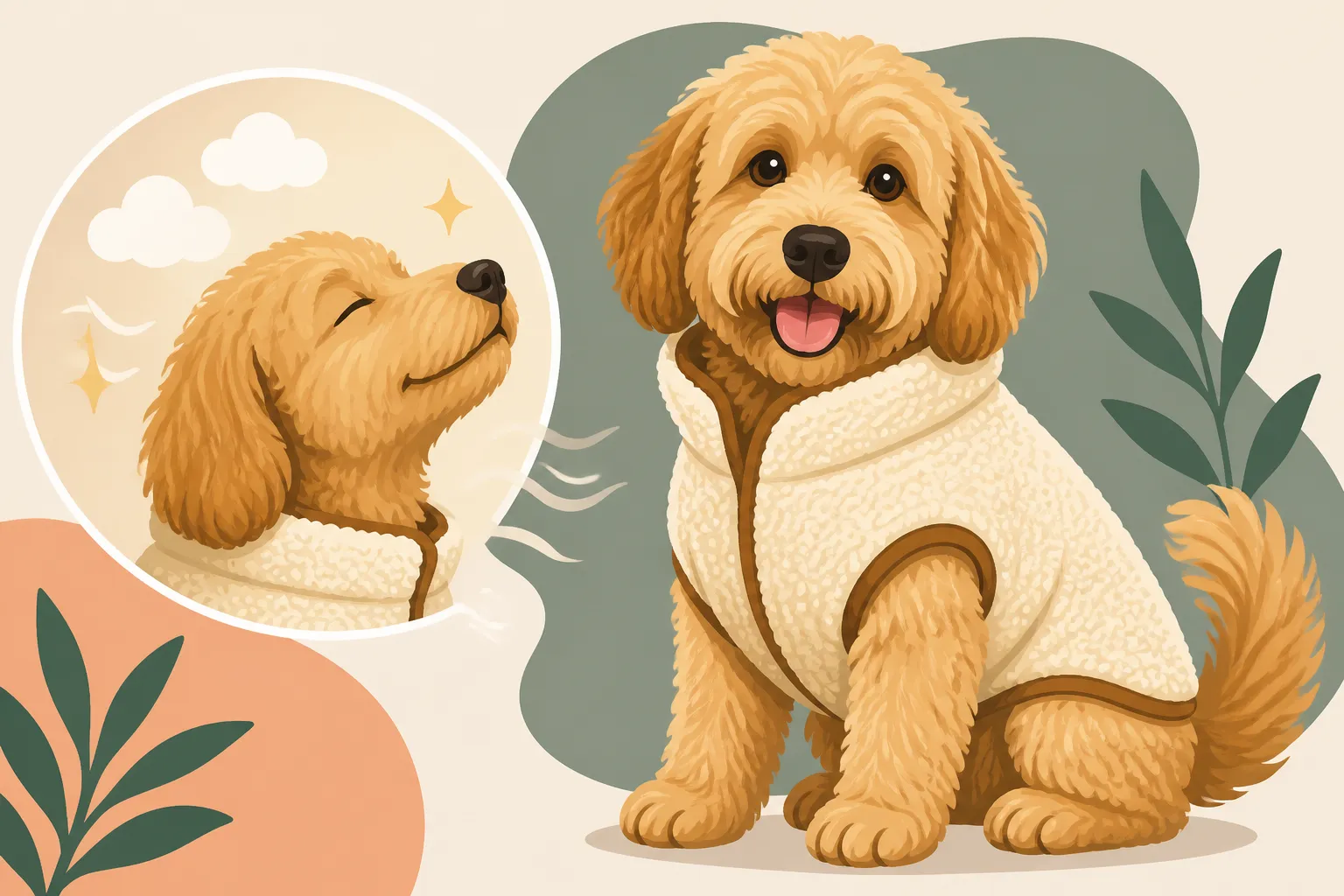
The most immediate and striking feature of a fleece coat is its incredible softness. Imagine running your hand through a cloud or a baby lamb's wool – that's the kind of luxurious, velvety sensation you should experience. It's not coarse or wiry like some hair coats, nor is it dense and cottony like a true wool coat. Instead, it has a silky, almost cashmere-like feel that drapes beautifully. This softness is consistent from the root to the tip of each strand, making it exceptionally pleasant to touch and cuddle against. This is why so many people fall in love with the Labradoodle at first pet.
The texture itself isn't completely smooth; it has a slight spring to it. When you press your hand into it, you'll notice a gentle resilience, almost like a plush carpet that bounces back. This unique combination of softness and subtle springiness is what gives the fleece coat its distinctive "flow" and movement. It doesn't lie flat and slick, but rather has an airy quality that makes it appear lighter and more flowing than a heavier wool coat.
Wave and Curl Pattern
The fleece coat typically showcases a loose, wavy pattern, though it can range from a gentle wave to a more open spiral curl. This isn't the tight, dense curl of a Poodle, nor is it the straight, smooth coat of a Labrador. Instead, it's a beautiful in-between that gives the Labradoodle its signature "doodle" look. Think of gentle ocean waves rather than tight ringlets. This wave helps create volume and movement, giving the coat a dynamic appearance.
Sometimes, you'll see a fleece coat described as "open fleece" or "straight fleece" if the waves are very loose, almost appearing straight until you really examine them. On the other end of the spectrum, a "curly fleece" will have more defined, spiraling curls, but still maintain that characteristic softness and flow, without the dense, tightly packed texture of a wool coat. This variation in wave and curl is completely normal within the fleece type and contributes to the individual charm of each Labradoodle. It's truly a spectrum, but the underlying soft, flowing nature remains.
Shedding Tendencies
Now, let's talk about shedding. This is often the primary reason many people seek out Labradoodles, particularly those with fleece coats. The great news is that fleece coats are generally considered very low-shedding. This doesn't mean no shedding – no dog is truly 100% non-shedding, despite popular belief. What it means is that the hair that does shed tends to get caught within the curly or wavy structure of the coat itself, rather than falling out all over your furniture and clothes. This is a huge benefit for keeping your home cleaner and reducing allergens.
You might find small tufts of hair on your brush after a grooming session, or occasionally a stray strand on your couch, but it's typically nowhere near the amount you'd find with a Labrador or other heavy-shedding breeds. This trapped hair is why regular brushing is so important; it removes the dead hair and prevents matting. Without proper brushing, even a low-shedding fleece coat can quickly become a tangled mess, turning that beautiful soft texture into dense, uncomfortable knots. This tendency to trap shed hair is a double-edged sword: great for cleanliness, but demanding for grooming. Whether a Labradoodle Sheds at All is a common question, and for fleece coats, the answer is "minimally, but it stays in the coat."
Why the Fleece Coat is So Desirable for Labradoodle Owners
The fleece coat didn't become the preferred coat type for Labradoodles by accident. Its unique combination of features makes it highly attractive to a wide range of owners, addressing common concerns like allergies, grooming effort, and overall appearance. It truly hits a sweet spot for many families looking for a companion that brings joy without excessive upkeep in certain areas. Understanding these benefits helps explain why breeders often strive to produce fleece-coated puppies. The Fleece Coat and Why Breeders Aim For It dives into this in more detail.
Hypoallergenic Qualities
For families dealing with allergies, the fleece coat is often seen as a lifeline. While no dog is truly 100% "hypoallergenic" because allergies are often triggered by dander and saliva rather than just hair, the fleece coat comes remarkably close. The low-shedding nature of this coat means less dander is released into the environment. When the minimal shed hair is trapped within the coat, it also means the dander (microscopic skin flakes) that is attached to it is less likely to become airborne and trigger allergic reactions. This makes a significant difference for individuals who suffer from mild to moderate dog allergies.
It's a common relief for many families to find that a fleece-coated Labradoodle allows them to have a beloved pet without constant sneezing, itchy eyes, or asthma flare-ups. However, it's always wise for severely allergic individuals to spend time with an adult fleece-coated Labradoodle before committing, just to be sure. Every individual's allergic response is unique, and sometimes, even the best intentions aren't enough. Whether a Labradoodle Is Truly Hypoallergenic is a critical question for many potential owners, and the fleece coat often provides the most optimistic answer.
Ease of Grooming (Comparatively)
Compared to the dense, cottony, and often more challenging wool coat, a fleece coat can be a bit more forgiving to groom. Its softer texture and looser waves tend to be less prone to matting than the tightly curled wool. This isn't to say it's maintenance-free – far from it! But if you establish a consistent grooming routine, you'll likely find it a more manageable coat type. The hair is generally easier to brush through, and tangles might not form as quickly or become as compacted as they would in a wool coat.
However, "easier" is a relative term. A fleece coat still requires dedication. Regular line brushing is non-negotiable, often several times a week, to prevent mats from forming deep within the coat. Without this, even a fleece can develop painful knots, especially in high-friction areas like behind the ears, armpits, and groin. While it may not feel as overwhelming as grooming a full wool coat, it still demands a commitment of time and effort. You can find many grooming tools, like slicker brushes and metal combs, on sites like Amazon or Chewy, which are essential for maintaining this beautiful coat.
Aesthetic Appeal
Let's be honest, the fleece coat is undeniably stunning. Its soft, flowing waves give Labradoodles that adorable, teddy bear-like appearance that has charmed so many. It has a graceful drape that highlights the dog's movement and often maintains a youthful, playful look even into adulthood. The texture catches the light beautifully, giving the coat a rich, vibrant quality. Whether it's a creamy apricot, a deep chocolate, or a classic black, the fleece coat enhances the visual appeal of these dogs.
This desirable aesthetic plays a huge role in its popularity. People are often drawn to the Labradoodle because of its endearing looks, and the fleece coat perfectly embodies that friendly, approachable, and irresistibly cuddly image. It's a coat that invites you to reach out and touch it, reinforcing the loving and affectionate nature that Labradoodles are known for. It truly embodies the "doodle" look that has captured so many hearts.
Caring for Your Labradoodle's Fleece Coat
Owning a fleece-coated Labradoodle means embracing a commitment to regular, thorough grooming. While it's lovely to look at and touch, neglecting its care can quickly turn that beautiful soft coat into a matted nightmare, leading to discomfort for your dog and costly professional grooming sessions. This isn't just about aesthetics; it's about your dog's health and well-being.
Essential Grooming Tools and Routine
To keep your Labradoodle's fleece coat in pristine condition, you'll need a few key tools:
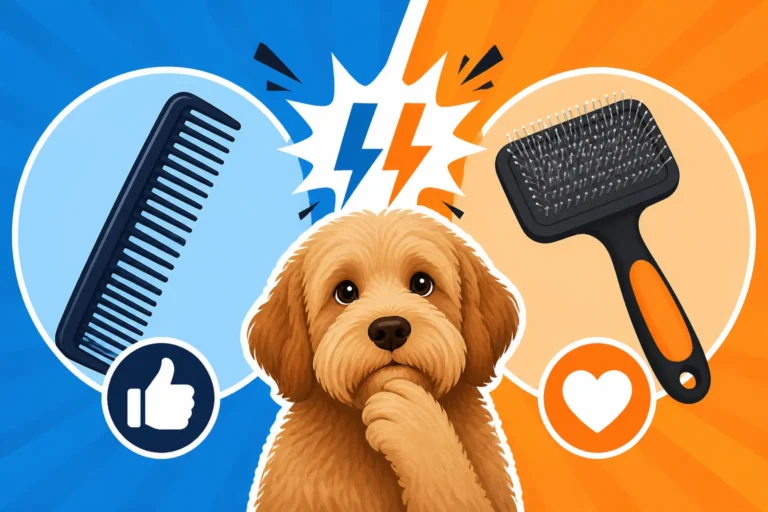
- Slicker Brush: This is your primary tool for removing loose hair and detangling the outer layers.
- Metal Comb: Essential for getting down to the skin, checking for mats, and ensuring all tangles are removed. A good quality comb is often overlooked but is crucial.
- Detangling Spray: These can make brushing easier and help prevent static, especially for longer coats. Brands like TropiClean or Earthbath offer good options available on Chewy.
- Blunt-nosed Scissors: For carefully snipping small, stubborn mats that cannot be brushed out. Never use sharp-pointed scissors near your dog's skin.
- Nail Clippers/Grinder: For paw care.
- Ear Cleaner: For maintaining ear hygiene.
Your routine should involve brushing your Labradoodle at least 2-3 times a week, preferably more if their coat is longer or if they've been particularly active. How Long Brushing a Labradoodle Takes Each Week often surprises new owners. The goal is to "line brush," meaning you brush in sections, lifting the top layer of hair and brushing from the skin outwards. This ensures you're not just brushing the surface but getting down to the undercoat where mats truly begin. Always follow up with a metal comb to confirm you haven't missed any tangles. Brushing a Labradoodle to the Skin, Not the Surface is a fundamental technique you'll need to master.
Bathing should be done as needed, typically every 4-6 weeks, or when your dog is noticeably dirty. Use a dog-specific shampoo and conditioner. After bathing, it's critical to thoroughly dry your Labradoodle's coat, ideally with a force dryer, while brushing. Air drying a fleece coat is a recipe for severe matting, as the curls will tighten and trap moisture, causing the hair to felt. Shampoos That Suit a Labradoodle's Coat can make a big difference in coat health.
Managing the "Coat Change" Phase
One of the most challenging periods for owners of fleece-coated Labradoodles is the dreaded "coat change." This typically occurs between 8 and 14 months of age, when the soft puppy coat transitions into the denser adult coat. During this phase, the puppy hair tends to cling to the emerging adult hair, creating an intense matting situation. What was once a relatively easy coat to manage can suddenly become a tangled nightmare overnight. The Coat Change That Hits a Labradoodle at Nine Months explains this phenomenon in detail.
During the coat change, you might need to increase your brushing frequency to daily, and you'll likely encounter more mats than ever before. It's a period that tests the patience of even the most diligent owner. Many owners opt for a shorter haircut during this time to make the coat more manageable and reduce the risk of extensive matting that could require shaving. Don't be discouraged; this phase is temporary, but it demands extra vigilance and effort. Regular detangling sprays, which you can find at pet supply stores or through online retailers like Amazon, become invaluable during this time.
Professional Grooming Considerations
Even with diligent home grooming, professional grooming is usually a necessity for Labradoodles with fleece coats. Their coats grow continuously and require regular trimming to maintain length and prevent matting. Most owners schedule professional grooming appointments every 6-8 weeks. A professional groomer has the tools and expertise to properly bathe, dry, brush, and clip your Labradoodle, ensuring a healthy and comfortable coat. They can also tackle tough mats that you might struggle with at home.
When you go to a professional groomer, be specific about the look you want. Some owners prefer a longer, shaggier teddy bear cut, while others opt for a shorter, more practical "kennel clip," especially during hotter months or if matting has become an issue. Regular professional grooming not only keeps your Labradoodle looking great but also helps prevent painful skin issues that can arise from severe matting. If a coat becomes too matted, the only humane option is often a full shave-down, which can be upsetting for owners but necessary for the dog's comfort. What a Groomer Charges to Dematt a Labradoodle by the Hour can give you an idea of potential costs if matting becomes severe.
What to Expect: From Puppy Fleece to Adult Texture
The journey of a Labradoodle's fleece coat is fascinating, evolving from a soft, wispy puppy coat to its full, luxurious adult texture. Understanding this progression can help set realistic expectations and prepare you for the changes in grooming demands over time. It's not a static feature; it's a living, growing part of your dog that requires adaptability from you, the owner.
Puppy Coat vs. Adult Coat
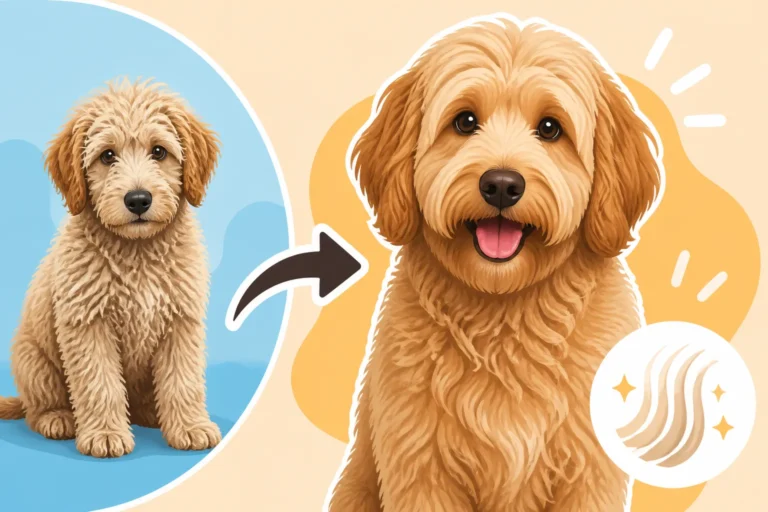
A fleece-coated Labradoodle puppy will typically arrive with an incredibly soft, fine, and relatively straight or gently wavy coat. This puppy coat is absolutely delightful to touch, often feeling like fine silk or down. During this stage, grooming is fairly straightforward; a quick brush a few times a week is usually sufficient to keep it tangle-free. This early experience can sometimes lull new owners into a false sense of security about future grooming needs.
However, as your Labradoodle matures, usually starting around 6-8 months and extending up to 14-18 months, their coat will undergo a significant transformation. The finer puppy hair will start to shed out, making way for the coarser, denser, and more structured adult fleece coat. The waves and curls will become more defined, and the overall volume of the coat will increase. This transition is known as the "coat change," and it's notoriously prone to matting because the shedding puppy hair gets interwoven with the growing adult coat. It's crucial to step up your grooming game during this period, or you'll quickly find yourself dealing with extensive tangles. What a Labradoodle's Coat Changes Texture With Age helps explain this natural evolution.
Common Misconceptions and Realities
One common misconception is that a fleece coat will always remain as easy to manage as it was during puppyhood. The reality, as we've discussed, is that the adult fleece coat, while beautiful, requires consistent and diligent grooming. Another myth is that a fleece coat is completely "wash and wear" or "no maintenance." While it's easier than a wool coat, it still demands regular attention to prevent matting and maintain its health. Ignoring this can lead to painful skin issues, discomfort for your dog, and expensive trips to the groomer for a complete shave-down.
It's also important to remember that not all "fleece" coats are identical. There's a spectrum from very loose, open waves to tighter, more spiraling curls, and the density can vary too. These variations can influence grooming frequency and tool choices. Some fleece coats might feel slightly silkier, while others might have a bit more spring. These subtle differences are part of the charm and individuality of each Labradoodle. What's consistent across all fleece types is the underlying softness and the tendency for shed hair to become trapped, making brushing an essential part of your routine. Products like those from Ollie, while not coat-specific, remind us that premium care, whether for food or grooming, is an ongoing commitment to your dog's well-being.
Grooming Schedule at a Glance
To help you visualize the typical grooming needs for a Labradoodle with a fleece coat, here's a brief overview:
| Task | Puppy Coat (Up to ~8 months) | Adult Coat (8 months+) | Coat Change (8-14 months) |
|---|---|---|---|
| Brushing Frequency | 2-3 times/week | 3-4 times/week | Daily |
| Brushing Technique | Surface brush, gentle comb | Line brushing, thorough combing | Line brushing, extensive combing |
| Bathing Frequency | As needed, every 4-6 weeks | Every 4-6 weeks | As needed, ensure thorough drying |
| Professional Grooming | Intro visits, puppy trims | Every 6-8 weeks for full clip | Shorter clip often recommended |
| Mat Prevention | Minimal focus | Vigilant daily checks | Critical constant checks |
| Tools | Soft brush, wide-tooth comb | Slicker brush, metal comb, spray | All above, detangling sprays |
This table serves as a general guide. Your specific Labradoodle's coat might require slightly more or less attention based on its exact texture, length, and your dog's activity level.
In conclusion, the fleece coat on a Labradoodle is truly something special. Its incredible softness, beautiful wave, and low-shedding qualities make it a highly coveted choice for many families. However, this luxurious coat comes with a clear responsibility: diligent and consistent grooming. By understanding its characteristics, investing in the right tools, and committing to a regular care routine, you can ensure your Labradoodle's fleece coat remains healthy, comfortable, and as delightful to touch as the day you first welcomed them home. It’s a labor of love, but one that’s richly rewarded by endless cuddles with your wonderfully soft companion.
Disclaimer
This article is for general informational purposes only and does not constitute professional advice. Laws, prices and regulations vary by location and change over time. Consult a qualified professional for guidance on your specific situation.