Whether a Labradoodle’s Feet Need Trimming
It’s a common scenario: you’re watching your beautiful Labradoodle prance across the kitchen floor, and suddenly, they slide a little, or you notice them walking just a touch gingerly. You look closer and realize that fluffy mop of hair on their paws has grown into what looks like miniature snowshoes, obscuring their pads entirely. Many Labradoodle owners grapple with whether and how to tackle this often-overlooked grooming task, fearing an accidental nick or an uncooperative pup. This comprehensive guide will walk you through why keeping your Labradoodle's paw hair trimmed is crucial, how to spot when it's needed, what tools to use, and a step-by-step approach to doing it safely and effectively at home.
Why Keeping Your Labradoodle's Paw Hair Trimmed is Essential
That luxurious Labradoodle coat is one of their most charming features, but it's a double-edged sword, isn't it? While we adore their soft, curly, or wavy locks, it also means consistent grooming is a non-negotiable part of their care. And often, the hair between their paw pads is the last place we think to look until a problem arises. Neglecting this area can lead to a surprising number of issues for your furry friend, impacting everything from their footing to their overall comfort.
Traction and Safety Issues
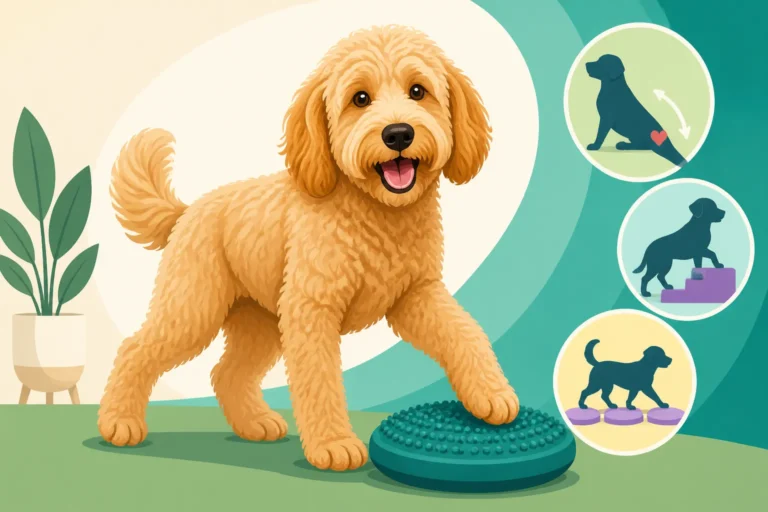
Imagine trying to walk on ice while wearing big, fluffy slippers. That's essentially what your Labradoodle experiences when the hair between their paw pads grows too long. These tufts of hair reduce the natural grip their paw pads provide, especially on slick surfaces like hardwood, tile, or laminate floors. It's not just an inconvenience; it can be a real safety hazard.
When a dog lacks proper traction, they can slip and fall, leading to sprains, strains, or even more serious injuries. We've all seen our dogs get a case of the "zoomies" and skid across the living room, but with overgrown paw hair, those skids become far more uncontrolled and dangerous. It's particularly concerning for older Labradoodles, who might already be dealing with stiff joints or Arthritis in a Labradoodle at Ten. A good, clean trim helps their pads make full contact with the ground, giving them the confidence and stability they need for everyday activities, from chasing a toy to simply walking across the house without fear of a tumble.
Hygiene and Matting Concerns
The hair between your Labradoodle's paw pads acts like a magnet for all sorts of outdoor debris. Think about every walk you take: dirt, twigs, small stones, burrs, mud, even bits of trash get easily tangled in that long hair. If left unattended, this debris can become painfully embedded, causing irritation, discomfort, and even infection.
Beyond external nasties, those fluffy paws can also trap moisture. Whether it's from a rainy walk, a swim in the lake, or just a good old slobbery drink of water, damp hair creates a perfect breeding ground for bacteria and yeast. This can lead to itchy, inflamed skin between the toes, sometimes even developing into painful infections. And of course, there's the inevitable matting. Just like the hair on their body, the hair on their feet will mat if not regularly brushed and trimmed. These mats can be incredibly painful, pulling on their skin with every step and making it difficult for them to walk naturally. It's similar to how Mats in a Labradoodle's Armpits can develop from friction and moisture; the paws are no different.
Comfort and Mobility
Ultimately, an untrimmed paw is an uncomfortable paw. When hair grows long, it can push up against the dewclaws or rub uncomfortably between the toes. If debris gets stuck or mats form, every step can become a source of irritation. You might notice your Labradoodle licking or chewing at their paws excessively, favoring one foot, or even refusing to walk as much as usual. These are all signs that their feet are bothering them.
Properly trimmed paw hair allows your Labradoodle to move freely and comfortably. It prevents hair from getting caught on carpets or other surfaces, which can be startling and annoying for them. Think of it as ensuring their 'footwear' fits properly. A dog that is comfortable on its feet is a happy dog, more willing to play, explore, and join in on all the family adventures. It contributes to their overall well-being and ensures they can enjoy their active lifestyle without unnecessary discomfort.
Identifying When Your Labradoodle's Feet Need a Trim
Knowing when to trim your Labradoodle's paw hair isn't always obvious, especially for new owners. It's not like cutting their nails where the click-clack on the floor is a dead giveaway. Instead, you need to be observant and get hands-on with their paws regularly. Developing a routine for checking their feet will become second nature over time, ensuring you catch overgrowth before it becomes a problem.
Visual Cues and Physical Checks
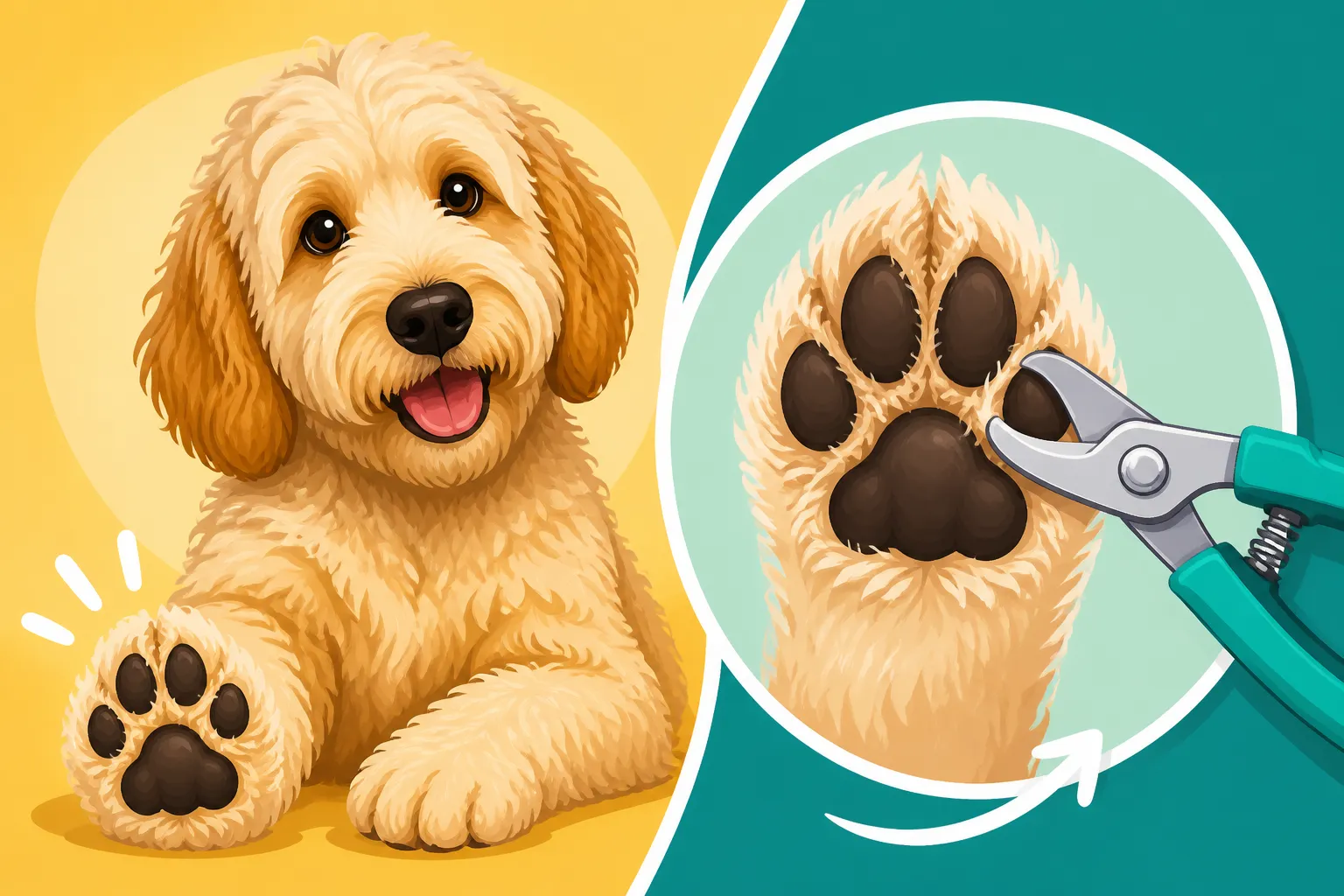
The most straightforward way to tell if your Labradoodle's feet need trimming is simply to look. Lift their paw and spread their toes gently. If you can no longer clearly see their paw pads because they are covered by hair, it's definitely time for a trim. The hair should be flush with or slightly below the paw pads, allowing the pads themselves to be the primary point of contact with the ground.
Beyond a visual inspection, feel between their toes. Do you notice any matting, even small tangles? Is the hair feeling damp or unusually thick? Mats can start small and quickly snowball, becoming painful and difficult to remove. Also, check their nails: are they getting long? While not directly related to paw hair, it's a good practice to combine these checks. Remember, How Often a Labradoodle's Nails Need Cutting often coincides with when their paw hair needs attention, as both grow continuously. Make it a habit to check their paws weekly, perhaps during a regular cuddle session or after a walk when you're already wiping down their feet.
Seasonal Considerations
While regular paw trims are important year-round, certain seasons can make it even more critical. During winter, long paw hair can accumulate snow and ice, forming painful "snowballs" between their pads. This is not only uncomfortable but can lead to frostbite in extreme cases. The hair can also trap de-icing salts and chemicals, which can irritate their skin or be ingested when they lick their paws.
In warmer months, long paw hair can trap heat, contribute to yeast infections (especially if your Labradoodle loves to swim!), and collect more pollen and allergens, exacerbating any existing allergies. Plus, if you're taking your Labradoodle on adventures like hiking, overgrown paw hair is much more likely to pick up burrs, foxtails, or other plant matter that can burrow into their skin. Adapting your grooming frequency based on the season and your dog's activities can make a big difference in their comfort and health.
Behavioral Indicators
Sometimes, your Labradoodle will tell you their feet are bothering them through their actions. If you notice them suddenly slipping more frequently on smooth floors, or hesitating before jumping on furniture or going up and down stairs, overgrown paw hair could be a contributing factor. They might be struggling to get the traction they need.
Another strong indicator is excessive licking, chewing, or biting at their paws. While this can signal a variety of issues like allergies or injuries, it’s also a common sign of discomfort from overgrown hair, matting, or trapped debris. If you observe them limping, favoring a paw, or showing reluctance to walk or play, it's definitely time to inspect their feet thoroughly. A quick and careful trim might be all they need to regain their stride and comfort.
The Tools You'll Need for At-Home Trimming
Successfully trimming your Labradoodle's paw hair at home relies heavily on having the right tools. Trying to make do with unsuitable instruments can lead to frustration for both you and your dog, and potentially even injury. Investing in quality grooming tools designed for pets will make the process much smoother and safer. You don't need a full professional grooming kit, but a few key items will be indispensable.
Scissors vs. Clippers
When it comes to trimming paw hair, you essentially have two main options: scissors or clippers. Each has its pros and cons, and your choice might depend on your comfort level, your dog's temperament, and the amount of hair you need to remove.
Scissors: Look for blunt-nosed grooming scissors specifically designed for pets. These usually have rounded tips to minimize the risk of accidentally poking or cutting your dog's skin. Scissors offer precise control, which can be excellent for getting into small areas between the pads or for owners who are nervous about clippers. They are also quieter and don't vibrate, which can be less intimidating for some dogs. However, they require a very steady hand, and it's easier to accidentally snip skin if your dog moves suddenly. It's a method that requires patience and a dog who is relatively still.
Clippers: Small, cordless clippers, often called "trimmer clippers" or "paw clippers," are fantastic for feet. They're usually quiet and have small blades that are perfect for intricate areas. Clippers can be faster than scissors, especially if you have a lot of hair to tackle, and many owners find them safer as the blade is less likely to nick skin if used correctly, thanks to guard comb attachments (though for paw pads, you often use the blade directly). Always ensure your clippers are clean, sharp, and cool before use, as dull or hot blades can pull hair or burn skin. For general grooming, many Labradoodle owners find a good quality clipper essential, as discussed in The Clipper, Blade and Dryer a Labradoodle Owner Buys.
Here's a quick comparison:
| Feature | Scissors (Blunt-Nosed) | Clippers (Small Trimmer) |
|---|---|---|
| Control | High, precise for small tufts | Good, especially for volume |
| Speed | Slower, good for detailed work | Faster, covers more area quickly |
| Noise/Vibration | Silent, no vibration | Low noise, minimal vibration |
| Safety Risk | Poking/cutting with sudden movement | Nicks if not careful, heat from blade |
| Learning Curve | Requires steady hand and patience | Requires practice to avoid uneven cuts |
| Best For | Minor tidy-ups, nervous dogs | Regular maintenance, thicker hair |
When shopping for either, you can find excellent options on platforms like Amazon or Chewy, often with reviews from other pet owners to help guide your choice.
Combs and Paw Balms
Before you even pick up the trimming tool, a good comb is your best friend. A small metal comb with both fine and wide teeth will help you untangle any small mats and lift the hair away from the paw pads, making it easier to see what you're doing and ensuring a cleaner, safer cut. Brushing out the hair first also helps prevent accidental nicks by separating the hair from the skin. For general coat care, The Slicker, Rake and Comb a Labradoodle Takes are invaluable, and a small comb from that set often works well for paws.
After trimming, especially if your Labradoodle spends a lot of time outdoors or on rough surfaces, a paw balm or moisturizer can be incredibly beneficial. These balms help to soothe and protect their paw pads, keeping them hydrated and preventing cracking or dryness. They can be found at most pet stores or online retailers like Chewy. Applying a thin layer after a trim and regularly can help maintain healthy paws, which is especially important if your dog is prone to Hot Spots on a Labradoodle That Swims or has sensitive skin.
Restraint and Safety Items
Even the most well-behaved Labradoodle can get squirmy when you're messing with their feet. Having a few safety and restraint items on hand can make the process less stressful for everyone. A non-slip mat on your grooming surface can prevent slips and give your dog more confidence. If your dog is particularly wiggly, a grooming hammock or a second person to gently hold and distract them can be a lifesaver.
Always have styptic powder or cornstarch readily available. Accidents happen, even to the most careful groomers, and if you accidentally nick a quick while trimming nails (which often happens during paw grooming), or snag a bit of skin, styptic powder will quickly stop the bleeding. A small, bright flashlight can also be useful to better illuminate the paw pads and distinguish hair from skin. Finally, treats! Lots of high-value treats are essential for positive reinforcement, making the experience as pleasant as possible for your Labradoodle. This is part of Building a Labradoodle Up to a Long Grooming Session, making every step a positive one.
Step-by-Step Guide to Trimming Paws Safely
Okay, deep breaths! Trimming your Labradoodle's paw hair might seem daunting at first, but with a calm approach, the right tools, and a clear understanding of the steps, you can do it safely and effectively. Remember, consistency and positive reinforcement are your greatest assets here.
Preparation and Setup
Before you even think about picking up scissors or clippers, preparation is key to a smooth grooming session. First, choose a quiet time when your Labradoodle is relaxed and not overly energetic. Trying to groom a dog buzzing from a walk or play session is a recipe for disaster. If they're particularly restless, a short walk or a puzzle toy might help them settle down.
Gather all your tools: your chosen trimming tool (scissors or clippers), a fine-toothed comb, styptic powder (just in case!), plenty of high-value treats, and a non-slip surface. Lay out a mat or towel on the floor or grooming table. If your Labradoodle is still a puppy, start this process early to get them used to it. Early exposure to gentle handling is crucial, as highlighted in Starting Grooming Handling on a Labradoodle Puppy. Gently handle their paws, praise them, and offer treats, even before you introduce any tools. This builds a positive association.
The Actual Trimming Process
Once your Labradoodle is calm and all your tools are ready, it's time for the trim.
- Start with a Clean, Dry Paw: Always work on clean, dry hair. Wet hair is harder to cut evenly and can lead to accidental nicks. If their paws are dirty, give them a quick wash and thoroughly dry them first.
- Comb the Hair Out: Using your fine-toothed comb, brush the hair up and away from the paw pads. This lifts the hair and separates it, making it easier to see the pads and ensuring an even cut. It also helps you spot any hidden mats.
- Position Your Dog: Have your Labradoodle lie down or sit comfortably. Gently hold their paw, bending the leg at the joint so the paw pad faces upwards. Support their leg firmly but gently.
- Trimming with Scissors: If using scissors, carefully place the tips between the pads, pointing away from the pads themselves. Trim the hair that extends beyond the pad, keeping the blades parallel to the pad. Work slowly and in small snips. Many owners find it helpful to imagine the outline of the paw pad and trim everything that falls outside that line. Don't dig deep; just take off the excess.
- Trimming with Clippers: If using small clippers, hold them flat against the paw pad. Gently glide the clippers over the pads, trimming the hair flush with the pad surface. You can also carefully use the edge of the clippers to trim the hair around the perimeter of the paw, where the pad meets the top of the foot. Again, go slowly and steadily.
- Don't Forget the Sides: Once you've trimmed the hair directly on the pads, gently use your fingers to spread the toes apart and trim any excess hair that grows between them. This helps prevent matting and keeps the area clean. Also, check the hair around the dewclaws, if your dog has them, and trim any long strands that might get caught.
- Take Breaks: If your Labradoodle gets antsy, take a break! Give them a treat, a comforting word, or even a short walk around the room. It’s better to do a few short, positive sessions than one long, stressful one.
Throughout the process, talk to your dog calmly and offer praise and treats frequently. This reinforces that this isn't a scary experience.
Post-Trim Care
Once all four paws are trimmed, give them a final visual check. Are there any stray hairs? Are the pads clearly visible? Congratulate your Labradoodle with lots of praise and a special treat. This positive reinforcement is crucial for building a good association with grooming.
After trimming, it's a good idea to inspect their paws again for any redness, irritation, or minor nicks you might have missed. If you did have a small cut, apply styptic powder. As mentioned earlier, consider applying a paw balm to moisturize and protect their pads, especially if they're a bit sensitive after the trim. Continue to monitor their paws over the next day or two to ensure they're comfortable and no issues arise. Regular grooming, including paw trims, will become a routine part of your What a Labradoodle Needs Daily care regimen.
Common Mistakes to Avoid and Troubleshooting
Even with the best intentions and the right tools, grooming can present its challenges. It's okay to feel a bit overwhelmed or to make a mistake now and then. The key is to learn from these experiences and adapt your approach. Recognizing common pitfalls and having strategies to troubleshoot them will make you a more confident and effective home groomer.
Cutting Too Short or Nicking the Skin
One of the biggest fears for any owner grooming their dog's paws is accidentally cutting too short or, worse, nicking the skin. It happens, even to professionals! The skin between a Labradoodle's paw pads is delicate and can be surprisingly loose, making it easy to catch if you're not careful.
The most common reason for nicks is rushing or using dull tools. Always ensure your clippers are sharp and your scissors are specifically designed for pet grooming with blunt tips. When trimming, remember the "less is more" philosophy. It's better to take off a little bit at a time, checking your progress, than to try and take too much at once. If you're using scissors, keep the tips pointed away from the paw pads and always keep a finger or a comb between the skin and the blade as an extra layer of protection. If you do make a small nick, don't panic. Apply styptic powder or cornstarch with gentle pressure, and the bleeding should stop quickly. Keep the area clean and dry, and monitor it for any signs of infection. If the cut is deep or doesn't stop bleeding, contact your vet.
Dealing with a Resistant Dog
Some Labradoodles are just not keen on having their paws handled, and this can be a major hurdle. A dog that pulls away, snaps, or struggles vigorously can make grooming impossible and stressful for both of you. This resistance often stems from a lack of early desensitization or a previous negative experience.
If your Labradoodle is resistant, go back to basics with positive reinforcement. Start by simply touching their paws for a second, then immediately give a high-value treat and praise. Gradually increase the duration and intensity of the touch. Move from just touching to holding, then to gently spreading their toes, and eventually introducing the tools without actually using them. This process can take days or even weeks, but patience is vital. You might find that teaching your Labradoodle to offer their paw for a treat helps them to Teaching a Labradoodle to Give a Foot for Nails. If your dog shows signs of aggression, like growling or snapping, it's safer to stop and consult with a professional groomer or a certified positive reinforcement trainer. They can offer personalized strategies to help your Labradoodle overcome their fear or discomfort.
Maintaining the Trim Between Sessions
A single trim isn't a permanent fix; Labradoodles' hair, especially their paw hair, grows relatively quickly. Maintaining the trim between full grooming sessions is crucial to prevent the issues we've discussed. The frequency will depend on your individual Labradoodle's coat type (whether it's more like The Hair Coat Labradoodle That Sheds or a dense wool coat) and how fast their hair grows.
Ideally, you should aim to check and trim their paw hair every 2-4 weeks. For some, it might be monthly, for others, every two weeks might be necessary, particularly during seasons where mats or debris are more likely. Incorporate a quick paw check into your regular brushing routine. Even if you're line brushing their body, take a moment to comb out their paw hair and see if it's encroaching on the pads. This consistent maintenance not only keeps their paws healthy but also reinforces their comfort with paw handling, making full trims much easier. Think of it as preventative care; a little bit of effort regularly saves a lot of trouble down the line.
Considering Professional Grooming for Your Labradoodle's Feet
While home grooming is a fantastic way to bond with your Labradoodle and save some money, there are times when professional help is not just beneficial, but truly necessary. Grooming the intricate areas of your Labradoodle's feet requires skill and confidence, and sometimes it's best left to the experts.
When to Opt for a Professional
There are several scenarios where turning to a professional groomer for your Labradoodle's paw trimming is the smartest choice. If your Labradoodle is highly resistant to paw handling, to the point of showing aggression or extreme fear, a professional has the experience and specialized tools to manage them safely and minimize stress. Trying to force a dog into grooming can damage your relationship and make future sessions even harder.
Similarly, if you've tried home trimming and consistently find yourself struggling to achieve a clean, even cut, or if you're constantly worried about accidental nicks, a professional can step in. They can often do the job much faster and more efficiently. For owners who struggle with vision, dexterity, or just plain lack the time for consistent at-home grooming, a pro is an invaluable resource. Lastly, if your Labradoodle's paw hair is severely matted, or if there's any sign of skin irritation or infection, it's always best to consult a vet or professional groomer. Attempting to demat severely matted paws at home can be incredibly painful for your dog and lead to injury. Remember, Whether a Groomer Refuses a Matted Labradoodle if the matting is too severe without vet intervention, as it can be a welfare issue.
What to Ask Your Groomer
When you take your Labradoodle to a professional groomer, don't be shy about discussing your specific concerns regarding their paws. Clearly communicate that you want the hair between their paw pads trimmed short and tidy. You can ask for a "sani-trim" or specifically mention "paw pad trim."
It's also a good idea to discuss the desired length and style for the hair on top of their feet. Some owners prefer a very neat, close trim, while others like a softer, more natural look that still keeps the hair out of the way of the pads. Ask if they use clippers or scissors for the pads and if they include nail trimming and paw pad conditioning as part of their service. A good groomer should be happy to answer all your questions and show you the finished result, ensuring your Labradoodle's paws are healthy and comfortable. You can usually find highly-rated local groomers through online searches or by checking platforms like Amazon services or through recommendations on local pet care forums.
Benefits of Regular Professional Care
Regular professional grooming, including paw trims, offers numerous benefits beyond just aesthetics. A professional groomer not only ensures a consistent, clean cut but also provides an extra set of eyes on your dog's overall health. During grooming, they often spot things you might miss, such as new lumps, skin irritations, ear infections (The Hair That Grows Where a Labradoodle's Ear Should Drain), or early signs of joint issues, because they handle every inch of your dog.
They also have access to high-quality tools and products that can make the grooming experience more efficient and comfortable for your Labradoodle. For instance, a professional force dryer can thoroughly dry your Labradoodle's coat, including between their toes, much more effectively than a towel, reducing the risk of skin issues. While The Yearly Grooming Total on a Standard Labradoodle can seem significant, the peace of mind and health benefits often outweigh the cost. Think of it as an investment in your Labradoodle's well-being, complementing your efforts at home to keep them happy, healthy, and walking comfortably on all four paws.
Disclaimer
This article is for general informational purposes only and does not constitute professional advice. Laws, prices and regulations vary by location and change over time. Consult a qualified professional for guidance on your specific situation.