Whether the Rest of the First Litter Found Homes
When the very first Labradoodle litter arrived on the scene, commissioned to meet a specific, heart-wrenching need, many people assume every single puppy was an instant sensation, quickly adopted into loving homes. However, the truth of how the rest of that groundbreaking litter found their way in the world is a fascinating, and often overlooked, part of the Labradoodle’s origin story, highlighting the initial hesitations and unexpected challenges faced by the pioneers of this now beloved crossbreed. This guide dives into the lesser-known tale of those initial puppies and the journey they undertook.
The Genesis of the Labradoodle and Its Initial Purpose
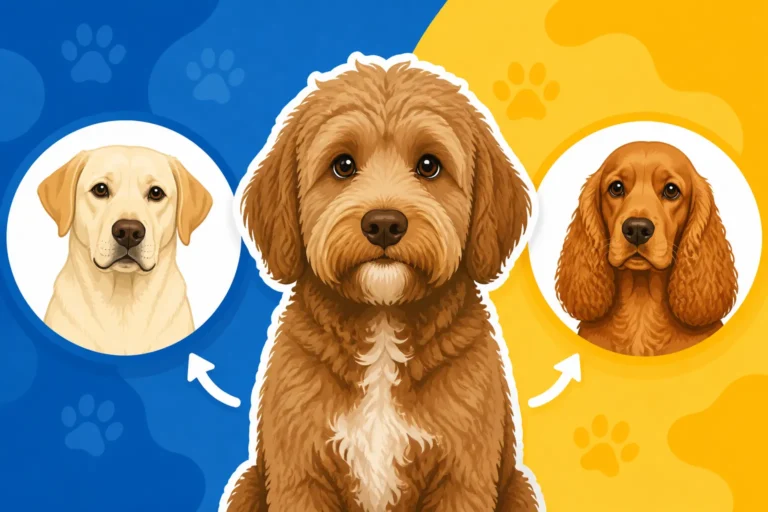
The creation of the Labradoodle in 1989 was no accident, nor was it initially driven by a desire for a trendy "designer dog." It was a deliberate, compassionate effort by Wally Conron, the breeding manager for the Royal Guide Dogs Association of Australia. The goal was quite specific: to produce a guide dog that wouldn't trigger allergies for a visually impaired woman in Hawaii whose husband was severely allergic to dog dander. This singular purpose led to the strategic cross of a Labrador Retriever, renowned for its guide dog capabilities, with a Standard Poodle, prized for its intelligence and, crucially, its low-shedding, hypoallergenic coat.
Wally Conron's Vision and Sultan's Story
Wally Conron’s vision was truly revolutionary for its time. He wasn't simply mixing two breeds; he was attempting to combine the best traits of each to serve a critical need. The initial crossing produced a litter of three puppies. Among these, a pup named Sultan quickly emerged as the star, proving to possess the intelligence, trainability, and calm demeanor required for guide dog work, alongside the desired hypoallergenic qualities. Sultan, the Labradoodle That Proved the Idea became the celebrated success story, opening doors for the potential of this new cross. Sultan's placement in Hawaii was a triumphant validation of Conron's innovative approach, and the good news spread, albeit slowly at first.
The concept was brilliant, but the immediate acceptance of this novel crossbreed by the public, beyond that initial specific need, was far from guaranteed. People were accustomed to purebred dogs, and the idea of a "mix" for such a serious role was quite foreign. It took a leap of faith for Conron and the guide dog association, and that leap of faith had broader implications for the rest of Sultan's littermates.
The Initial Public Reaction to the "New" Cross
Despite the success of Sultan, the initial public reaction to the Labradoodle was, surprisingly, one of skepticism and even resistance. The term "crossbreed" or "hybrid" didn't carry the same cachet it does today. People weren't lining up to adopt what they perceived as a mutt, especially when purebred dogs were the standard. The public didn't immediately grasp the significant health or temperament advantages a deliberate cross could offer. It wasn't about a cute name or a fluffy coat at first; it was about overcoming a hurdle for a specific individual.
The idea that a "designer dog" could command a premium price or be seen as desirable was still years away. In those early days, the notion of a mixed breed being somehow superior, or even equal, to a purebred was a tough sell. The 1989 Cross That Made the First Labradoodle was a scientific and compassionate endeavor, not a marketing scheme, and this initial lack of widespread understanding contributed directly to the challenges faced by Sultan's siblings.
The Unexpected Challenges for the Rest of the Litter
It’s easy to look back now, with Labradoodles being one of the most popular dog breeds globally, and assume that every puppy from that first litter was instantly snapped up. However, the reality was starkly different. While Sultan went on to fulfill his destiny as a guide dog, his two littermates faced a much more uncertain future.
The Struggle to Place the "Unnamed" Puppies
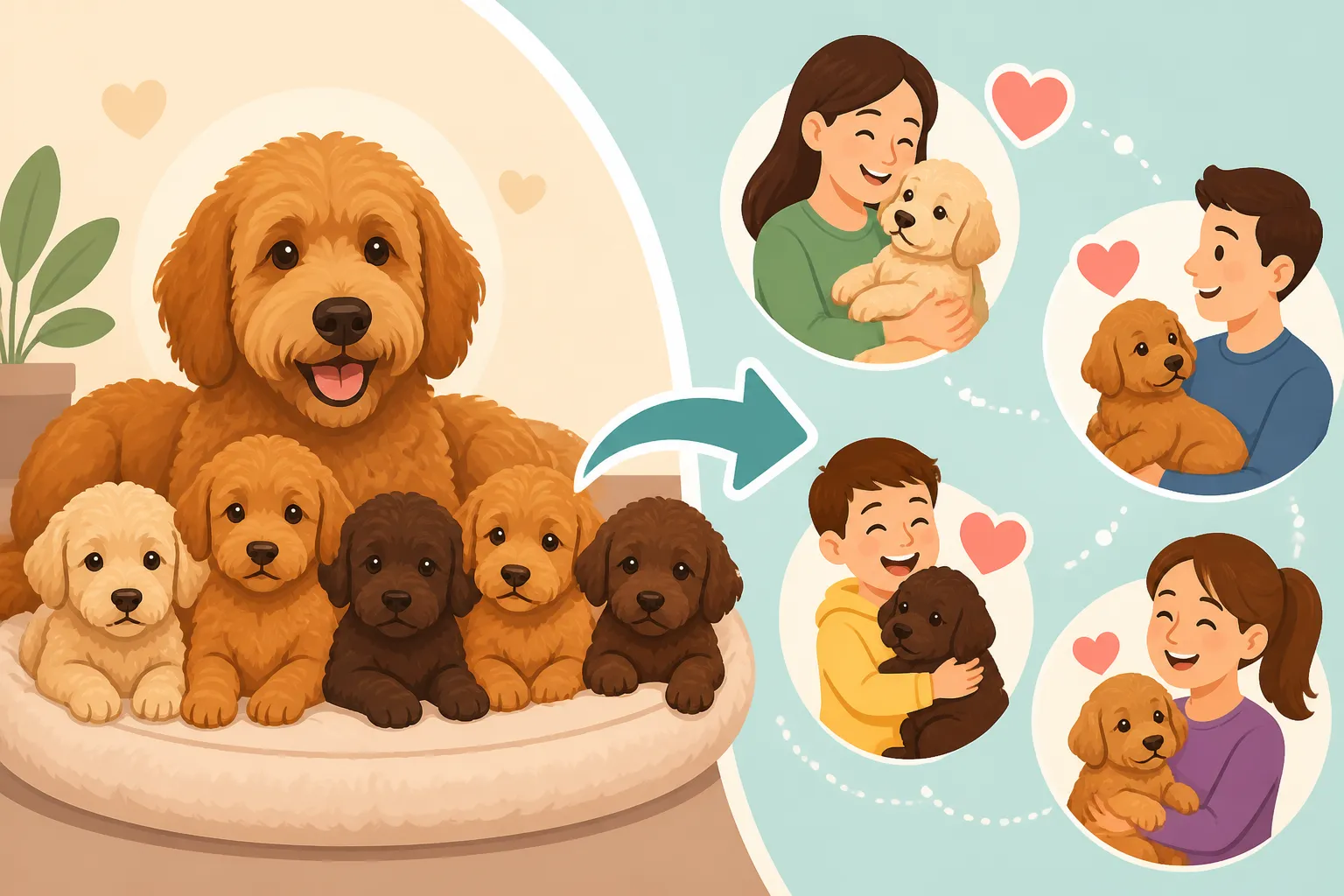
The very specific criteria for the initial Labradoodle breeding meant that only a handful of the resulting puppies might possess all the desired traits for guide dog work – temperament, trainability, and the elusive low-shedding coat. Sultan was the standout, but what about his two siblings? They didn't quite make the cut for the specialized guide dog program. Suddenly, the Royal Guide Dogs Association found themselves with two healthy, energetic puppies that, despite their unique heritage, were proving difficult to place. Why Nobody Wanted the First Labradoodle Puppies is a key piece of this story.
These puppies, without the immediate appeal of being a "guide dog," were essentially just mixed-breed dogs in a world that primarily valued purebreds. They lacked the pedigree, the known lineage, and the "brand recognition" that would later make the Labradoodle a sensation. They weren't bad dogs by any means; they just didn't fit the precise mold for which they were initially bred, nor did they fit the public's expectations of what a desirable dog should be. This created a genuine dilemma for the association, who were not in the business of running a pet placement service for non-guide dogs. They were faced with the challenge of finding appropriate homes for these trailblazing, yet unmarketable, pups.
Public Perception and Marketing Hurdles
The struggle to place the remaining puppies underscored a significant marketing hurdle that Conron, in his altruistic pursuit, hadn't initially anticipated. He had successfully created a dog that met a medical need, but he hadn't created a dog that the public wanted to adopt for general companionship. The term "Labradoodle" itself, coined by Conron, was initially intended to add a touch of mystique and appeal, but it wasn't enough to overcome the entrenched preference for purebreds.
The public didn't understand the genetic cross, the potential for hybrid vigor, or the benefits that could arise from such a pairing. They simply saw a mixed-breed dog, and in those days, mixed breeds often ended up in shelters, not highly sought-after homes. It was a perception challenge that highlighted the chasm between a scientific breeding achievement and popular appeal. Even with the success of Sultan, the broader public needed convincing, and for Sultan's siblings, that conviction came too late. They were truly ahead of their time, a testament to Conron's foresight, but a challenge for their immediate welfare.
The Aftermath and the Rise of the 'Designer Dog' Craze
The initial difficulties in finding homes for Sultan's littermates cast a shadow that Wally Conron later reflected on with considerable regret. He unintentionally opened a Pandora's Box, sparking a phenomenon he couldn't control.
The Unforeseen Demand and Ethical Concerns
Despite the slow start for the other puppies, the story of Sultan and the "allergy-friendly guide dog" eventually started to gain traction. Journalists picked up on the unique combination, and the idea of a dog that was intelligent, friendly, and potentially less allergenic began to captivate the public imagination. Suddenly, people who loved Labradors but struggled with allergies, or admired Poodles but wanted a different temperament, saw a potential solution. This ignited an unforeseen demand for Labradoodles, a demand that far outstripped the Royal Guide Dogs Association's capacity or desire to meet. What Conron Said He Regretted About the Labradoodle speaks volumes about this period.
This burgeoning popularity led to an explosion of breeders, many of whom were less scrupulous than Conron had hoped. These individuals, often without understanding the genetics or health testing protocols, began breeding Labradors and Poodles, sometimes prioritizing profit over puppy welfare or predictable traits. This rapid, unregulated expansion led to concerns about puppy mill practices and dogs with unpredictable coats, temperaments, and health issues. It created a situation where the initial noble goal was overshadowed by commercial exploitation, something Conron famously lamented.
The Labradoodle's Journey to Popularity
Despite Conron's regrets, the Labradoodle's journey to popularity was undeniable. The combination of intelligence, a generally friendly disposition, and a range of attractive, low-shedding coats resonated deeply with modern families. Breeders, both responsible and irresponsible, began to market these "designer dogs" extensively, and the Labradoodle became a household name. Organizations like the Australian Labradoodle Association of America (ALAA) and the Worldwide Australian Labradoodle Association (WALA) emerged, attempting to standardize breeding practices and uphold health and temperament ideals.
Today, you can find a vast array of Labradoodle-related products on sites like Chewy, from specialized grooming tools for their unique coats to dietary supplements aimed at supporting their joint health. The sheer variety of options available from retailers like Chewy speaks to the widespread adoption and integration of Labradoodles into family life. The journey from those unplaced littermates to a global phenomenon illustrates a dramatic shift in public perception and canine culture. This shift also propelled many other "doodle" crosses into the spotlight, making the Labradoodle a true trendsetter. Whether the Labradoodle Started the Doodle Trend is certainly a topic worth exploring further, given its impact.
Lessons Learned for Modern Labradoodle Owners
The initial struggles to place the first Labradoodle litter offer invaluable lessons for prospective owners today. Understanding this history helps us appreciate the complexity of crossbreeding and the importance of responsible practices.
Understanding Breed History and Responsible Breeding
The story of the first Labradoodle litter is a powerful reminder that not all crosses are created equal, and not every puppy within a litter will possess the ideal traits. It underscores the critical role of thoughtful, ethical breeding. Responsible breeders today go far beyond simply breeding a Labrador and a Poodle. They meticulously select parent dogs based on temperament, health clearances, and genetic testing to increase the likelihood of producing healthy, well-adjusted puppies with desirable coats.
They understand that predictable traits come from generations of careful selection, not just a single cross. This is why when you're looking for a Labradoodle, especially from the lines of organizations like the ALAA, you'll hear discussions about generations like F1, F1b, and Multigen. These terms describe the complexity of the breeding program, aimed at consistency. The breeder should be transparent about their program, genetic testing, and what they expect from their puppies, rather than just promising a perfect "designer dog." Always ask about The Health Tests a Labradoodle Breeder Should Show to ensure you're supporting responsible practices.
Choosing Your Labradoodle Wisely Today
For anyone considering bringing a Labradoodle into their home, the historical context of the first litter emphasizes the importance of thorough research and careful selection. Don't assume that every Labradoodle will be hypoallergenic, or that every puppy will possess the calm demeanor of a guide dog. Genetically, there's always variation, especially in earlier generations. This means you need to prioritize finding a reputable breeder who focuses on health, temperament, and ethical breeding practices, rather than simply the "doodle" label.
When you're ready to get a puppy, be prepared for the actual costs involved. The Fifteen Hundred to Three Thousand a Labradoodle Puppy Costs is a reflection of the significant investment in health testing, proper care, and time that responsible breeders put into their dogs. A good breeder will want to educate you on everything, from coat care – which can involve regular grooming appointments or a substantial investment in tools from Chewy – to proper nutrition and training. They will also guide you on how to prepare for your new puppy, ensuring a smooth transition into your home. Remember that while a Labradoodle can be a wonderful family member, their needs for exercise, mental stimulation, and grooming are significant. Many Labradoodles also end up with first-time owners, so understanding their needs is paramount. Why So Many Labradoodles Go to First Time Owners highlights the need for preparedness and realistic expectations.
| Aspect | First Labradoodle Litter (1989) | Modern Labradoodle Ownership (Today) |
|---|---|---|
| Primary Goal | Guide dog for specific allergy needs | Family companion, therapy, service roles |
| Public Perception | Skepticism, seen as "mutts" | Highly desirable, "designer dog" status |
| Placement Challenges | Difficulty placing non-guide dog puppies | High demand, long waiting lists for reputable breeders |
| Breeding Regulation | None, experimental cross | Emerging standards, breeder associations (ALAA, WALA) |
| Focus of Breeders | Solving a specific problem | Health, temperament, coat consistency, market appeal |
| Cost to Acquire | Likely minimal for non-guide dogs | Significant investment due to demand & responsible breeding |
Disclaimer
This article is for general informational purposes only and does not constitute professional advice. Laws, prices and regulations vary by location and change over time. Consult a qualified professional for guidance on your specific situation.