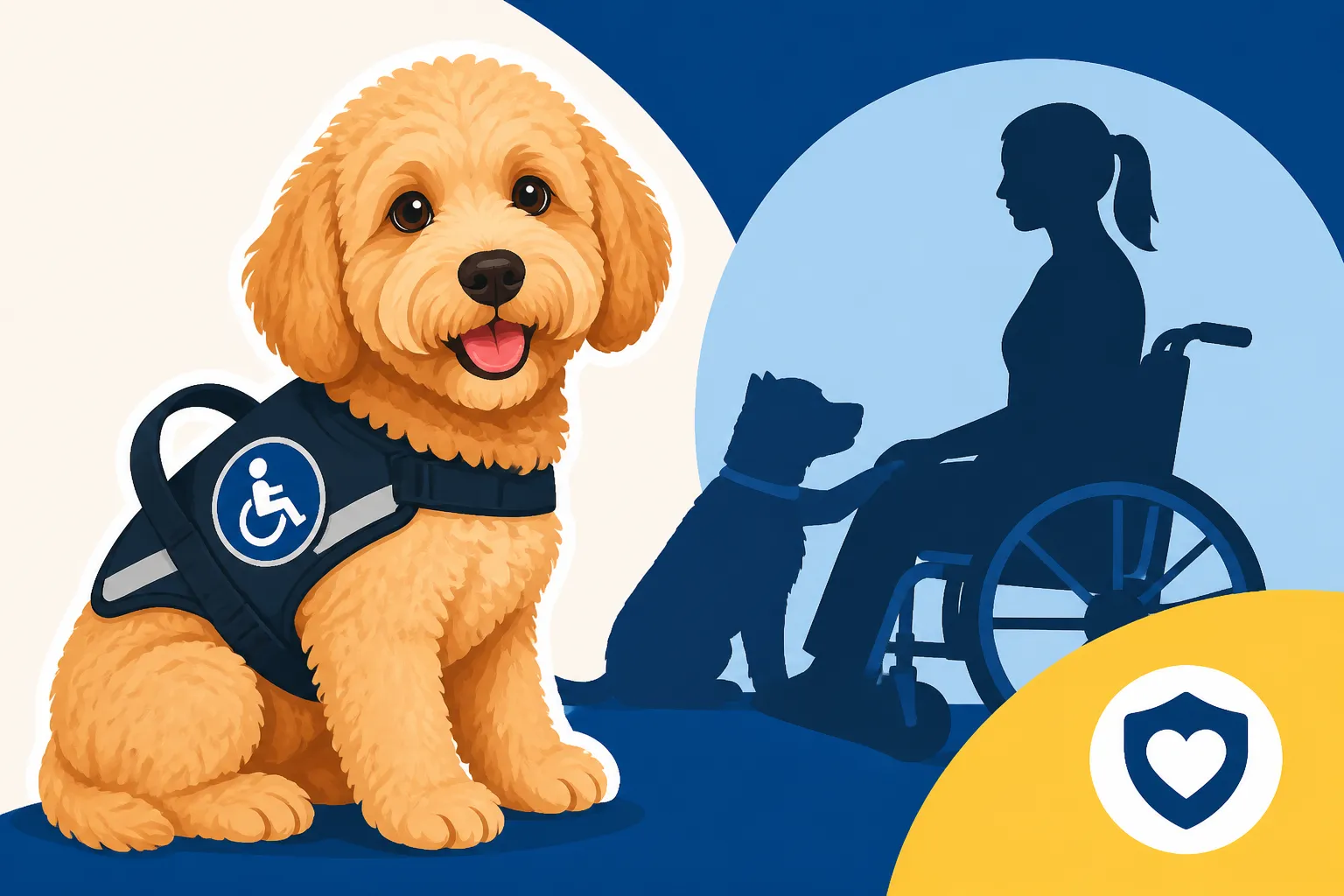
Whether a Miniature Labradoodle Can Be a Service Dog
Many aspiring service dog handlers dream of a loyal, intelligent companion to assist with daily tasks, and for those who love the charm of a Labradoodle, the idea of a miniature version filling this crucial role is incredibly appealing. However, the path to becoming a legitimate service dog is rigorous, and owners often wonder if a smaller dog, even one as smart and willing as a Labradoodle, can truly meet the demands. This guide will delve deep into whether a Miniature Labradoodle has what it takes to be a successful service dog, exploring the critical factors that contribute to a dog's suitability for such an important job.
Understanding What Makes a Service Dog, Regardless of Size
Before we dive into the specifics of a Miniature Labradoodle, it's crucial to understand the fundamental requirements that define a service dog. This isn't just about being a well-behaved pet; a service dog is legally recognized as an animal specifically trained to perform tasks directly related to a person's disability. This distinction is vital and sets them apart from emotional support animals or therapy dogs, which, while wonderful companions, don't have the same public access rights.
The Defining Characteristics of a Service Dog
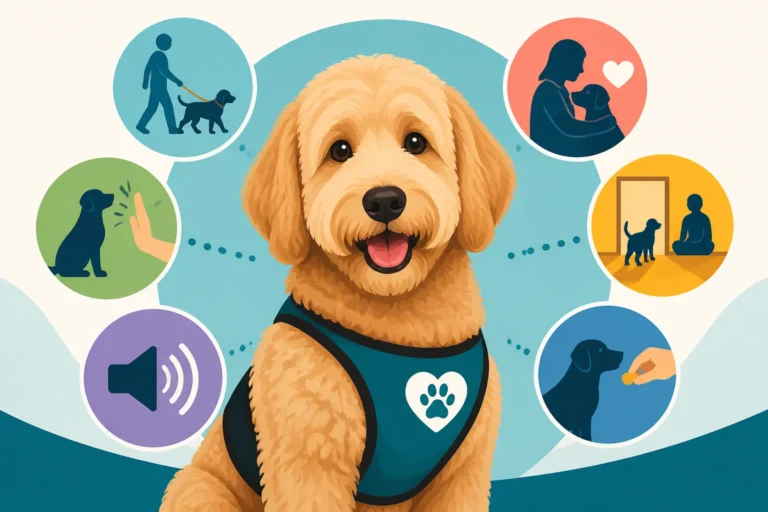
When we talk about service dogs, we're discussing highly specialized working animals. Their primary role isn't just to be present; it's to mitigate a disability through specific, trained actions. These tasks can vary wildly, from guiding a visually impaired person to detecting changes in blood sugar, providing stability, or alerting to an impending medical event. The key here is the task-training. Without concrete, disability-mitigating tasks, a dog cannot be a service dog. This requires immense focus, a strong work ethic, and a calm demeanor even in distracting public environments. It’s a huge ask, and not every dog, regardless of breed or size, is cut out for it.
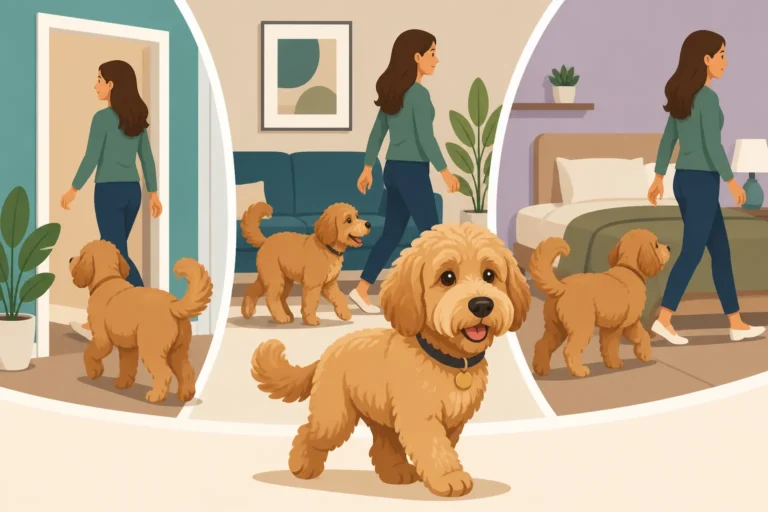
Furthermore, a service dog must possess impeccable public manners. This means no barking, no jumping on strangers, no sniffing merchandise, and certainly no aggression. They need to be able to lie quietly under a table in a bustling restaurant, ignore other dogs and tempting dropped food, and remain entirely focused on their handler. What Public Access Training Asks of a Labradoodle delves into the depth of this expectation. This level of obedience and self-control requires not only rigorous training but also an inherent temperament that thrives on structure and partnership.
Why Size Isn't the Only Factor, But It Matters
While a service dog isn't defined by its size, it's an undeniable factor when considering the type of tasks it can perform. A Great Dane might be perfect for mobility assistance, offering bracing and balance, whereas a smaller dog simply couldn't physically support a person's weight. Conversely, a tiny chihuahua might excel at alerting to blood sugar drops or retrieving dropped keys, tasks where its small stature is an asset, allowing it to navigate tight spaces or be less conspicuous.
For a Miniature Labradoodle, typically ranging from 14 to 16 inches tall and weighing between 15 and 25 pounds, their size puts them in an interesting middle ground. They aren't tiny, but they're not large. This means they are excluded from certain physical tasks that require significant strength or bracing ability, but perfectly capable of many others. It’s about matching the dog's physical capabilities to the specific needs of the handler's disability.
The Miniature Labradoodle's Suitability for Service Work
Now, let's zero in on the Miniature Labradoodle. Can this charming, often intelligent crossbreed truly excel in a service dog role? The answer, like with most things canine, isn't a simple yes or no. It depends heavily on the individual dog, its breeding, and the specific tasks required.
Temperament and Intelligence: A Promising Foundation
Labradoodles, by their very nature, often inherit a wonderful blend of traits from their Labrador Retriever and Poodle parents. Labradors are renowned for their biddability, loyalty, and desire to please, while Poodles bring incredible intelligence, a keen problem-solving ability, and often a calm, attentive nature. This combination can result in a Miniature Labradoodle that is smart, eager to learn, and highly devoted to its person—all fantastic qualities for a service dog. The Temperament a Labradoodle Gets From Each Parent highlights these inheritances.
However, it's crucial to remember that "doodles" are still crossbreeds, and temperament can be less predictable than in a purebred line selectively bred for working traits over generations. A Miniature Labradoodle can possess the focus, resilience, and calm demeanor needed, but it’s not a guarantee with every puppy. Early socialization and exposure to a wide variety of sights, sounds, and experiences are paramount to shaping a confident, stable dog.
Health and Longevity: A Critical Consideration
A service dog is a long-term commitment, and its health is paramount. No one wants to invest years of training and emotional attachment into a dog that develops debilitating health issues early on. Miniature Labradoodles generally share the health concerns of their parent breeds, the Miniature Poodle and the Labrador Retriever. This includes a propensity for certain joint issues, eye conditions, and other hereditary problems.
For example, Slipping Kneecaps in a Miniature Labradoodle is a concern for many smaller breeds, and can severely impact a dog's ability to perform tasks requiring movement or standing for long periods. Progressive Retinal Atrophy (PRA) or other eye conditions could compromise a dog's ability to see and navigate, which is non-negotiable for a working animal. Reputable breeders will conduct extensive health testing on their breeding stock to minimize the risk of passing on these conditions. It's vital to inquire about these clearances for both parents, even for a miniature size. A healthy dog has a better chance of a long, productive working life.
Physical Capabilities: Where Size Truly Differentiates
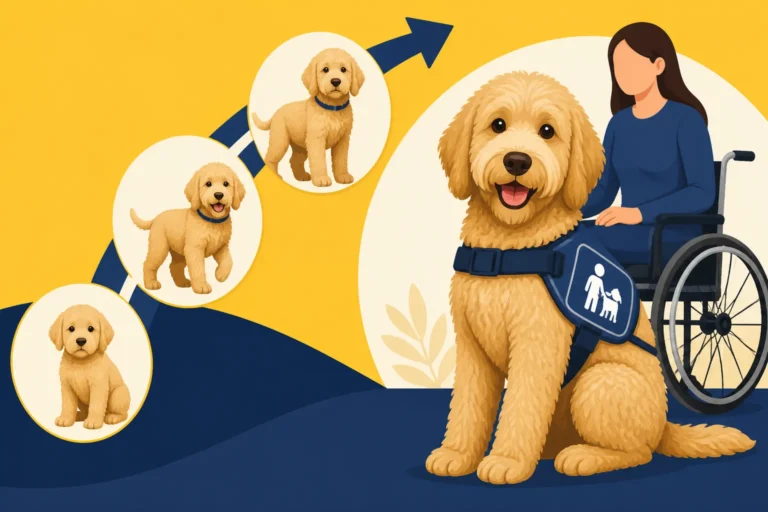
A Miniature Labradoodle, while sturdy for its size, will not be able to perform heavy mobility tasks like pulling a wheelchair, providing deep pressure therapy for a full-sized adult, or bracing a person's fall. These tasks require the mass and skeletal structure of a much larger dog.
However, Miniature Labradoodles can excel at a wide array of other crucial service tasks:
- Medical Alert/Response: Detecting blood sugar changes (diabetes alert), impending seizures (seizure alert), or even scent-based allergy alerts. Their smaller size makes them less intimidating in public while still being effective.
- Retrieval: Picking up dropped items like keys, phones, medications, or even specific tools. Their dexterity and natural retrieving drive from the Labrador side can be a huge asset.
- Hearing Alert: Alerting deaf or hard-of-hearing individuals to sounds like doorbells, alarms, or names being called.
- Psychiatric Service Dog Tasks: Providing tactile stimulation (nuzzling, pawing) during an anxiety attack, interrupting repetitive behaviors, or creating a personal space barrier in crowds.
- Deep Pressure Therapy (Limited): While they can't provide full body DPT for an adult, a Miniature Labradoodle can provide pressure to a lap or chest area, which can be calming for some individuals.
- Opening/Closing Doors or Drawers: Using ropes or specially adapted handles.
Here’s a quick comparison of general suitability based on size for common service dog tasks:
| Service Task | Standard Labradoodle Suitability | Miniature Labradoodle Suitability | Considerations for Mini |
|---|---|---|---|
| Mobility Assistance (Bracing/Pulling) | High | Low/None | Too small for weight-bearing or heavy pulling. |
| Retrieval of Dropped Items | High | High | Excellent for small, light items; easier to maneuver in tight spaces. |
| Medical Alert (Scent-based) | High | High | Scent ability is unrelated to size; often less conspicuous. |
| Hearing Alert | High | High | Alerting to sounds is independent of size. |
| Deep Pressure Therapy (Full Body) | High | Low/Partial | Can provide pressure on lap/chest, but not full body. |
| Blocking/Space Creation | High | Medium | Can create a small barrier, but less imposing than a large dog. |
| Guiding (Visual Impairment) | High | Low/None | Requires significant size/strength for safe navigation. |
| Interrupting Repetitive Behaviors | High | High | Behavioral task, unrelated to size. |
| Opening/Closing Doors/Drawers | Medium/High | Medium/High | Requires dexterity and specific training, achievable by both. |
Finding and Training a Miniature Service Dog Prospect
If you've determined that a Miniature Labradoodle's physical capabilities align with your service dog needs, the next steps involve careful selection and dedicated training. This is where the real work begins.
Selecting the Right Prospect
The ideal Miniature Labradoodle service dog prospect isn't just a cute puppy; it's a dog with a specific set of innate traits. Look for puppies that are:
- Confident, not fearful: They should approach new situations with curiosity, not terror.
- Resilient: They should recover quickly from startling noises or minor bumps.
- Calm and attentive: While puppies are naturally playful, a good prospect will show moments of focus and a desire to connect.
- Not overly distracted: While environmental curiosity is good, they shouldn't be uncontrollably drawn to every leaf or sound.
- Sound sensitive, but not reactive: They should acknowledge sounds but not jump or bark excessively.
- Touch tolerant: They should be comfortable with handling all over their body.
Many reputable breeders perform temperament testing on their litters, which can be invaluable for identifying potential service dog candidates. Be upfront with breeders about your intentions; they can often guide you toward the most suitable puppies from a litter. Health clearances, as mentioned, are non-negotiable. Don't be shy about asking a breeder for Labradoodle eye certificates and hip/elbow evaluations.
The Training Journey: Professional Guidance is Key
Whether you opt for a program-trained dog or decide to owner-train your Miniature Labradoodle, the training journey for a service dog is extensive and demands consistency. Whether an Owner Can Train Their Own Service Labradoodle explores the commitment required for owner-training.
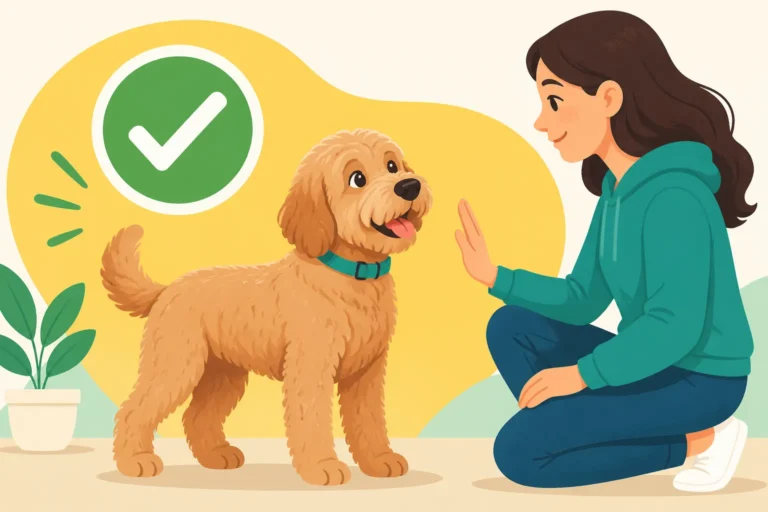
- Foundation Obedience and Socialization: This starts from day one. A service dog needs rock-solid basic obedience (sit, stay, come, heel) and extensive socialization to all types of environments, people, and sounds. Puppy classes are a great start, but the work must continue daily. Consider online programs like BAXTER & Bella, which offer structured curricula that can be adapted for service dog foundations, covering everything from basic cues to polite public behavior.
- Public Access Training: This is where things get serious. Your Miniature Labradoodle must learn to behave impeccably in public places where pets are not typically allowed. This involves desensitization to novel stimuli, learning to ignore distractions, and remaining calm and focused on you. This phase can take months, even years, of dedicated practice.
- Task Training: This is the heart of service dog work. You'll need to identify the specific tasks your Miniature Labradoodle will perform to mitigate your disability and then systematically train those behaviors. This often involves breaking down complex tasks into small, achievable steps and using positive reinforcement. For example, if retrieving dropped items, you might start with a favorite toy, then move to a specific object, and gradually increase difficulty and distraction. Teaching a Labradoodle to Settle Under a Restaurant Table is a great example of the kind of specific training needed for public access.
- Ongoing Maintenance: Training doesn't end when the dog is "certified." A service dog's skills need to be continually reinforced throughout its working life. Regular practice, continued socialization, and mental enrichment are crucial to keep your Miniature Labradoodle sharp and happy in its role. Utilizing quality training tools found on platforms like Amazon, such as clickers, long lines, and various types of leashes and harnesses, can significantly aid in this ongoing process.
Common Challenges and Important Considerations
While a Miniature Labradoodle can make an excellent service dog, it's important to be aware of potential challenges.
Public Perception and Breed Stereotypes
Unfortunately, the "doodle" popularity explosion has led to some misconceptions. There's a segment of the public, and even some service dog organizations, that harbor skepticism about doodles as service dogs, often due to their crossbreed status or the perception of them being "designer pets" rather than serious working animals. You might encounter more questions or even resistance than someone with a traditional breed like a Labrador or German Shepherd. Being confident in your dog's training and tasks, and knowing your rights, is essential.
Energy Levels and Mental Stimulation
Labradoodles, regardless of size, are often energetic and intelligent dogs. While a Miniature might not need the same marathon runs as a Standard Labradoodle, they still require significant daily exercise and mental stimulation to prevent boredom and destructive behaviors. A bored Labradoodle is not a focused service dog. This means daily walks, playtime, and enrichment activities are critical, even on top of their service dog duties. Ensuring their needs are met contributes directly to their ability to perform their job effectively.
The Commitment of Service Dog Ownership
Owning and working with a service dog, especially one you've owner-trained, is a profound commitment. It requires patience, consistency, a willingness to advocate for yourself and your dog, and a deep understanding of canine behavior and training principles. It's a journey, not a destination, and it can be incredibly rewarding, but it's not without its demands. Make sure you are prepared for the time, effort, and financial investment involved in keeping a working dog healthy and well-trained for The Twelve to Fifteen Years a Labradoodle Lives.
In conclusion, a Miniature Labradoodle absolutely can be a service dog. Their intelligence, biddability, and moderate size open up many possibilities for individuals with disabilities. However, it requires a carefully selected individual dog with the right temperament, rigorous health testing, and dedicated, professional-level training. It's not a path for every Mini Labradoodle, but for the right dog and the right handler, it can be a truly life-changing partnership.
Disclaimer
This article is for general informational purposes only and does not constitute professional advice. Laws, prices and regulations vary by location and change over time. Consult a qualified professional for guidance on your specific situation.