Whether a Labradoodle Needs a Yard
It's a common worry for many prospective Labradoodle owners, especially those living in apartments or homes with smaller outdoor spaces: do these energetic, lovable dogs absolutely need a huge backyard to thrive? The truth is, while a yard can be a wonderful convenience, it's often misunderstood as a substitute for actual engagement and exercise. This guide will dive deep into what a Labradoodle truly requires to be happy and healthy, dispelling myths and offering practical solutions for every living situation.
The Common Misconception: Does a Labradoodle Truly Need a Yard?
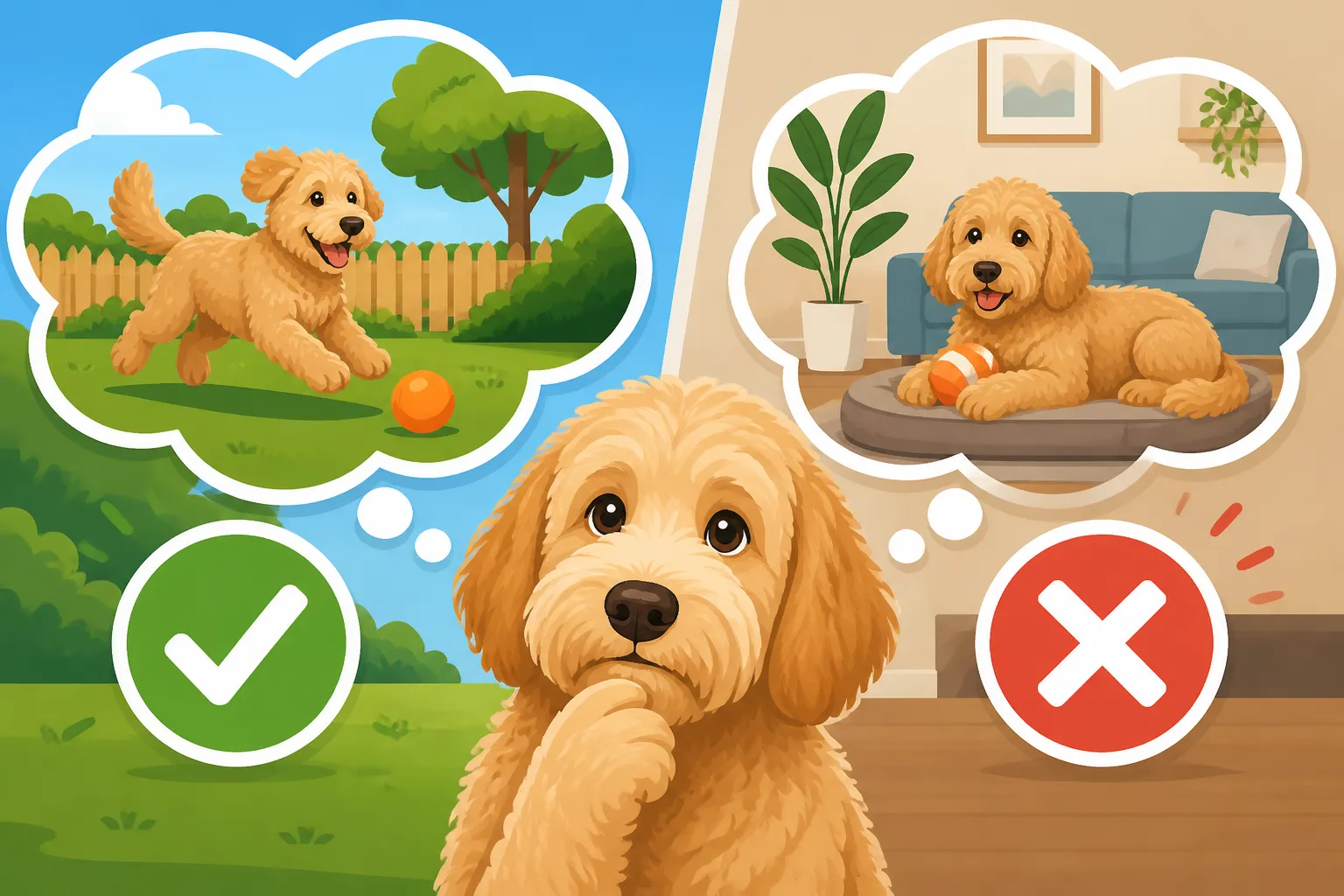
The idea that a big dog needs a big yard is deeply ingrained in our perception of dog ownership, and with a breed as lively and often large as a Labradoodle, it’s easy to see why this belief persists. Many people picture a Labradoodle romping endlessly in a sprawling green space, burning off all their energy independently. However, this mental image often misses a crucial point: a yard, no matter how large, is primarily a space, not an activity in itself. Your Labradoodle needs engagement, structured exercise, and mental stimulation far more than they need square footage of grass.
Think about it from your dog's perspective. If left to their own devices in a yard, many Labradoodles might do a few zoomies, sniff around, and then settle down, perhaps barking at passersby or getting into mischief out of boredom. It's not the same as a brisk walk where they're actively engaging with the world, or a training session where their brains are working. The size of your yard is less important than how you utilize the space you have, and how committed you are to fulfilling your Labradoodle's inherent needs for activity and companionship. Owners often feel a pang of guilt if their yard isn't expansive, but that guilt can be misplaced if they are otherwise providing excellent care.
What a Labradoodle's Energy Really Demands
Labradoodles are a mix of two intelligent and active breeds: the Labrador Retriever and the Poodle. Both parent breeds were developed for working roles that required stamina, brains, and a willingness to engage with their human partners. This heritage means your Labradoodle isn't just a couch potato waiting for the next meal; they are often bright, curious, and possess a surprising amount of energy, even the miniature varieties. This energy, if not properly channeled, can lead to a host of behavioral issues that are far more disruptive than a lack of yard space.
Their needs go beyond just physical exertion. They crave mental challenges, opportunities to explore, and consistent interaction with their family. A neglected dog in a large yard can be just as unhappy, or even more so, than a well-exercised dog in a small apartment. Owners often report that The Exercise a Labradoodle Needs Before It Behaves is more about quality and consistency than simply having unlimited space. A Labradoodle that is bored or under-stimulated can become destructive, bark excessively, or develop separation anxiety, regardless of how much grass they have access to.
The Difference Between a Yard and Exercise
Let's clarify something critical: a yard is not a substitute for intentional exercise. Tossing a ball a few times in the backyard is good, but it's rarely enough to satisfy a Labradoodle's deep-seated need for exploration, sniffing, and varied physical activity. Imagine if your only form of exercise was walking around your house; it might be better than nothing, but it wouldn't offer the same physical or mental stimulation as a hike or a gym session.
For a Labradoodle, a true exercise regimen means:
- Daily walks or runs: These provide not just physical activity but also crucial opportunities for sniffing, exploring new sights and sounds, and engaging with the outside world.
- Play sessions: Structured games of fetch, tug, or hide-and-seek that involve you and challenge their minds.
- Training: Regular training sessions, even short ones, stimulate their intelligent brains and reinforce good behavior. This is often overlooked but profoundly important for mental well-being.
- Socialization: Opportunities to safely interact with other dogs and people, helping them develop into well-adjusted companions.
A yard might facilitate some of these activities, especially play, but it doesn't automatically provide them. You are the key ingredient in your Labradoodle's exercise routine, not the size of your property. If you're a first-time owner, you might underestimate this commitment, but understanding it upfront is vital for a happy partnership.
Meeting a Labradoodle's Needs Without a Big Backyard
So, if a yard isn't strictly necessary, how do you successfully raise a vibrant, well-adjusted Labradoodle in an apartment or a home with minimal outdoor space? It all comes down to commitment, creativity, and a consistent routine. It's absolutely achievable, and many city-dwelling Labradoodles are living their best lives thanks to dedicated owners.
The biggest frustration for many urban dog owners is feeling like they're somehow failing their dog by not having a sprawling estate. But let me tell you, it's far from the truth. A Labradoodle thrives on companionship and routine. As long as you're providing those, along with adequate exercise and mental engagement, they will adapt beautifully to their environment. It might even foster a stronger bond, as your dog relies on you even more for their outdoor adventures.
Structured Exercise Beyond the Fence Line
Without a personal yard for impromptu potty breaks or quick romps, scheduled outdoor time becomes paramount. This means committing to several walks throughout the day, rain or shine.
- Morning Wake-Up Walk: Start the day with a solid 30-45 minute walk. This helps them eliminate, gets their energy flowing, and provides mental stimulation right away. It's important to let them sniff and explore, not just march in a straight line. Think of it as their morning newspaper.
- Mid-Day Potty and Stretch: If you're home or have a dog walker, a shorter 15-20 minute outing in the middle of the day is crucial for potty needs and a quick stretch of the legs. This can be a quick trip around the block or to a nearby patch of grass.
- Evening Adventure: Another substantial walk, perhaps 45-60 minutes, focusing on a different route or a trip to a dog park if appropriate. This is a great time for longer sniffing sessions, varied terrain, or meeting other canine friends.
- Late Night Relief: A final, short potty break before bed ensures they can hold it through the night.
Consistency is more important than extreme length. Two or three good, purposeful walks each day will do more for a Labradoodle than sporadic, hours-long hikes on weekends. Consider how Whether a Standard Labradoodle Ages Faster might impact their exercise needs later in life, and build a flexible routine.
Mental Stimulation is Key, Anywhere
Physical exercise alone won't tire out a Labradoodle's clever mind. These dogs love to learn and solve problems. Incorporating mental stimulation is vital, especially when your physical space is limited.
- Training Sessions: Even 5-10 minutes of training per day can be incredibly enriching. Work on new commands, brush up on old ones, or teach fun tricks. This engages their brain and strengthens your bond. Check out resources on sites like Chewy or Amazon for training treats and tools.
- Puzzle Toys and Treat Dispensers: These are a lifesaver for keeping a Labradoodle occupied indoors. Toys that require them to figure out how to get treats out slow down their eating and provide a satisfying challenge. This can also help address issues like Whether a Labradoodle Is Always Hungry.
- Scent Work: Hide treats or their favorite toys around your home and encourage them to "find it." This taps into their natural scenting abilities and is wonderfully tiring for their brains. Even in a small apartment, you can create a fun and challenging scent game.
- Interactive Play: Don't just hand them a toy and walk away. Engage in games like tug-of-war (with rules, of course!), fetch indoors, or hide-and-seek. These games involve you, which is what your social Labradoodle truly craves.
Safety and Outdoor Spaces for City Doodles
Living in an urban environment means being extra diligent about safety and making the most of communal outdoor spaces.
- Leash Manners: Impeccable leash manners are non-negotiable. A Labradoodle pulling on the leash can be dangerous for both of you, especially in busy areas. Invest time in loose-leash training from puppyhood.
- Dog Parks: If available, dog parks can be a great way for your Labradoodle to socialize and burn off steam. However, always exercise caution. Ensure your dog has good recall, is well-socialized, and monitor interactions closely. Not all dogs (or owners!) are good fits for dog parks.
- Daycare/Walkers: If you work full-time, a reputable dog daycare or a professional dog walker can be an invaluable resource. This ensures your Labradoodle gets sufficient exercise and companionship during the day, preventing them from becoming What a Labradoodle Destroys When Left Alone due to boredom or anxiety. Consider Whether a Labradoodle Copes With a Full Workday carefully before committing.
- "Sniffari" Walks: Instead of just power-walking, dedicate some walks to pure sniffing exploration. Let your Labradoodle dictate the pace, allowing them to investigate every interesting smell. This is incredibly enriching mentally and physically tiring in a different way.
Here's a quick comparison of meeting Labradoodle needs with and without a yard:
| Need | With a Yard | Without a Yard (Apartment/City) |
|---|---|---|
| Physical Exercise | Self-initiated play, fetch in yard, occasional walks | Daily structured walks/runs, dog park visits, indoor play |
| Mental Stimulation | Training, puzzle toys, some yard exploration | Dedicated daily training, puzzle toys, scent games, new routes |
| Potty Breaks | Easy access to yard | Scheduled walks, careful timing, potential dog walker |
| Socialization | Requires owner initiation for walks/park visits | Requires owner initiation for walks/park visits/daycare |
| Independence | Can be left alone in yard (with supervision) | Must be fully leash-walked, less unsupervised outdoor time |
| Owner Involvement | Still high, but can allow for more "downtime" | Extremely high and consistent throughout the day |
The Role of a Yard: Benefits and Potential Pitfalls
While a yard isn't a strict necessity, it certainly offers some advantages, provided it's used correctly. However, it also comes with its own set of responsibilities and potential downsides that owners often overlook. A yard isn't a magical solution; it's just another tool in your dog-raising toolbox.
Pros of a Fenced Outdoor Space
Let's be honest, having a yard is convenient. There's no denying that.
- Convenience for Potty Breaks: This is perhaps the biggest and most obvious benefit. Being able to open the door and let your Labradoodle out for a quick potty break, especially in bad weather or late at night, is a huge time-saver and stress reducer. No need to throw on layers or search for a leash when nature calls unexpectedly.
- Safe Off-Leash Play: A securely fenced yard provides a safe space for your Labradoodle to run, play fetch, and zoom around without the constant worry of traffic or other distractions. This is particularly valuable for puppies or adolescent dogs who still have boundless energy to burn in short bursts.
- Sunbathing and Fresh Air: On a nice day, a yard allows your Labradoodle to simply relax outdoors, soak up some sun, and enjoy the fresh air, even if it's just for a quiet snooze.
- Training Space: A yard can be a great, distraction-free environment to practice recall, obedience commands, or even introduce agility obstacles.
These benefits are real, and they can make life with a Labradoodle easier. However, it's crucial to remember that these are conveniences, not substitutes for quality engagement. Many dogs with yards still receive inadequate exercise or mental stimulation because their owners mistakenly believe the yard alone is enough.
When a Yard Isn't Enough (or even a drawback)
The illusion of a yard providing everything a dog needs is a common trap many owners fall into, leading to unexpected behavioral problems.
- Boredom and Destructive Behaviors: A Labradoodle left in a yard alone for extended periods will get bored. Boredom often leads to digging, excessive barking, chewing on landscaping, or trying to escape. They might even develop neurotic habits if not given proper stimulation. A large yard can actually amplify these issues if the dog isn't being supervised or engaged.
- Lack of Mental Stimulation: As discussed, a yard doesn't inherently offer mental challenges. Walking the same perimeter day after day, sniffing the same spots, won't engage a Labradoodle's intelligent mind. They need novelty and purpose.
- Safety Concerns: Even a fenced yard isn't foolproof. Some Labradoodles are expert escape artists, while others might bark aggressively at passersby, leading to neighbor complaints. Toxins (plants, fertilizers), pests, and even theft are other risks that must be managed.
- Grooming and Maintenance: A yard means more exposure to dirt, mud, burrs, and allergens, especially with a Labradoodle's coat type. This can lead to increased grooming needs and potentially more trips to the groomer, adding to The Yearly Grooming Total on a Standard Labradoodle. If your dog frequently comes in muddy, it also means more cleaning for you.
- Behavioral Issues: A Labradoodle that relies solely on a yard for activity might become less accustomed to leash walks or public outings, making excursions more challenging when they do occur. They might pull on the leash fiercely or react strongly to novel stimuli because they're not used to regular exposure.
The truth is, a yard is often more for the owner's convenience than the dog's absolute necessity. A dog's happiness and well-being are far more dependent on the time, effort, and love their human companion invests, regardless of the property size.
Creating an Enriched Environment, Indoors and Out
Ultimately, whether you have a sprawling estate or a cozy apartment, the goal is to provide a rich, stimulating environment for your Labradoodle. This involves a combination of physical activity, mental challenges, and plenty of quality time with you. It's about designing a lifestyle that suits both your dog's breed-specific needs and your own circumstances. Don't feel guilty about your living situation; focus on what you can provide.
Daily Routines for a Happy Labradoodle
Establishing a predictable daily routine is incredibly beneficial for dogs. It helps them understand what to expect, reduces anxiety, and ensures their needs are met consistently.
- Structured Exercise Times: Carve out specific times each day for walks, runs, or active play. These should be non-negotiable. For many Labradoodles, this might mean a good hour in the morning and another hour in the evening, broken into shorter stints if needed. Remember, Telling an Anxious Labradoodle From an Under Exercised One can sometimes come down to a consistent routine.
- Mental Work Throughout the Day: Integrate short training sessions or puzzle toy time into your daily schedule. This can be during meal times, after a walk, or when you need a moment of quiet focus.
- Quality Time and Affection: Labradoodles are companion dogs; they thrive on interaction. Spend time petting, cuddling, and just hanging out with your dog. This strengthens your bond and fulfills their social needs.
- Consistency is Key: Dogs thrive on predictability. Try to stick to a similar schedule for feeding, potty breaks, and exercise each day. While flexibility is important, a basic routine provides comfort and security.
It's about creating a rhythm where your Labradoodle's physical and mental tanks are regularly topped up, rather than waiting for them to run on empty and then wondering why they're bouncing off the walls.
Making the Most of Small Outdoor Areas
Even a small patio, balcony, or modest yard can be leveraged to enhance your Labradoodle's life.
- "Potty Patch" Areas: If you have a balcony or a very small paved area, consider a dedicated potty patch (like real or artificial grass squares from Chewy or similar retailers on Amazon) for quick relief. This isn't a substitute for walks but can be a convenient option.
- Sensory Gardens: If you have a small yard, plant dog-friendly herbs like lavender or mint in raised beds for them to sniff. Create different textures with soft grass, smooth pavers, or even a small sandbox for digging (if you're brave!).
- Shade and Shelter: Ensure any outdoor area offers protection from sun and rain. A small awning or a doghouse can provide a comfortable spot for your Labradoodle to relax outside.
- Interactive Play Stations: Even a small space can house a sturdy tug pole or a simple tunnel for playtime. For a Labradoodle, the opportunity to use their body and brain in varied ways is enriching. This feeds into their need for engagement, demonstrating that Whether a Labradoodle Needs a Sport to Be Manageable isn't just for competitive dogs.
- Supervised Exploration: Even if it's just a small patch of grass, supervise your Labradoodle while they're out there. Engage with them, practice commands, or play a quick game. Don't just open the door and forget about them.
Remember, a Labradoodle needs an engaged owner far more than they need a giant yard. If you're willing to put in the time and effort for daily walks, mental games, and plenty of love, your Labradoodle will flourish, regardless of the square footage of your property. Focus on quality of interaction over quantity of space, and you'll have a happy, well-adjusted companion for years to come.
Disclaimer
This article is for general informational purposes only and does not constitute professional advice. Laws, prices and regulations vary by location and change over time. Consult a qualified professional for guidance on your specific situation.