A Labradoodle That Waits Outside the Bathroom Door
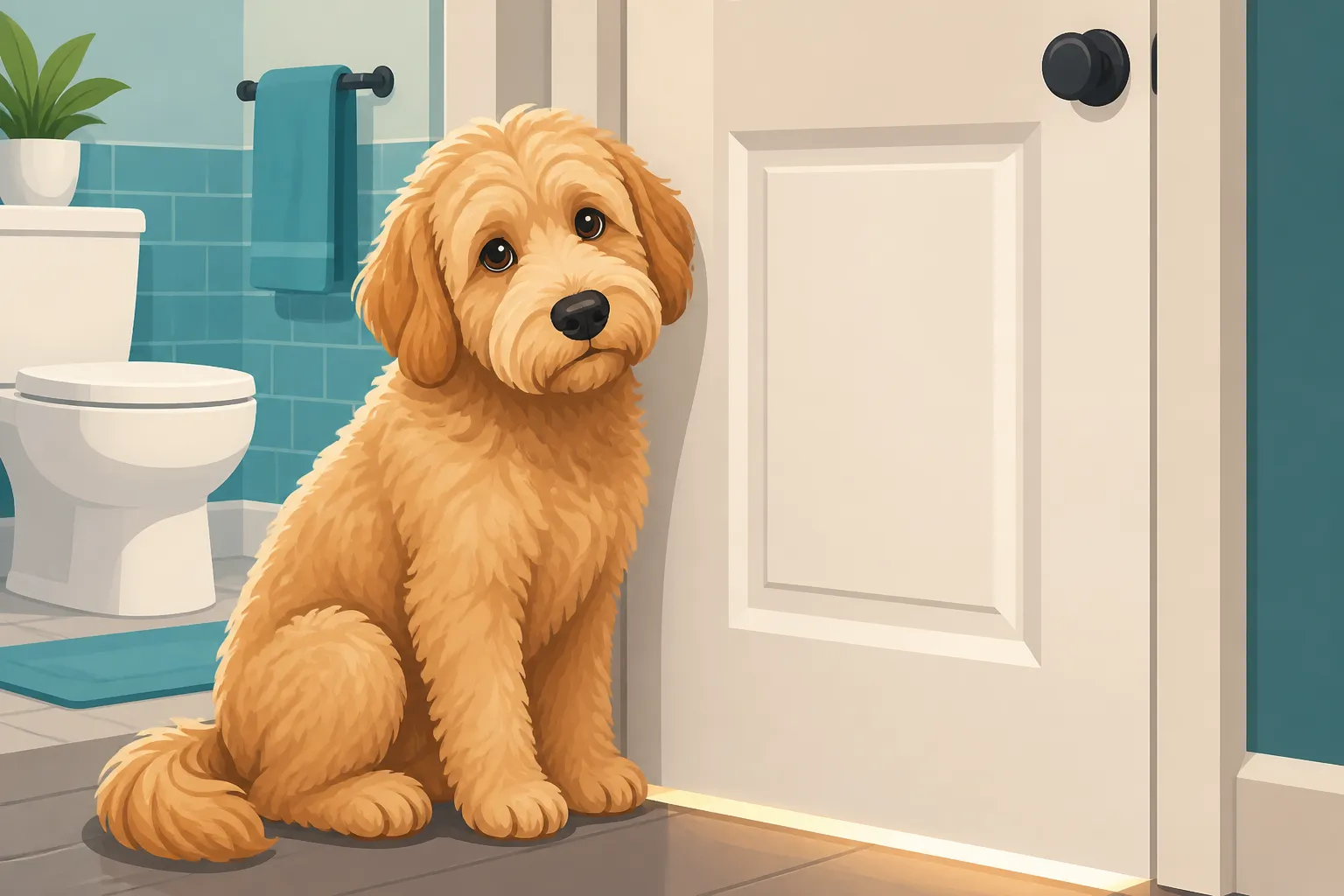
Oh, the Labradoodle and the bathroom door. If you're reading this, you probably know exactly what I'm talking about: that sweet, furry face peering under the crack, the nose nudging the door open, or the mournful sigh from the other side. It’s a common, and often endearing, trait that many Labradoodle owners experience. While it’s lovely to feel so adored, sometimes you just need a moment of privacy! This guide is here to help you understand why your Labradoodle becomes your shadow, and more importantly, how you can gently encourage a little independence without breaking that special bond.
The Roots of Your Labradoodle's Shadow Behavior
It's easy to feel like your Labradoodle is an anomaly when they glue themselves to your side, but trust me, it's a deeply ingrained part of who they are, thanks to their fantastic lineage. Understanding why they do it is the first step toward finding solutions that work for both of you.
The "Velcro Dog" Tendency
Labradoodles are often described as "Velcro dogs," and for good reason! This isn't just a cute nickname; it’s a reflection of their genetic makeup and the traits purposefully bred into them. When you combine the eager-to-please, people-oriented nature of a Labrador Retriever with the intelligent, loyal, and often sensitive disposition of a Poodle, you get a dog that thrives on companionship. Both parent breeds have a strong desire to be with their humans, whether it's working alongside them or simply being part of the family unit.
For many Labradoodles, being near you isn't just a preference; it’s a deep-seated need for connection and security. They often feel most content and safe when they can see, hear, or even just sense your presence. This bond is what makes them such wonderful family pets and, historically, made them candidates for assistance work. Think about it: a guide dog needs to be utterly focused on its handler. While your Labradoodle might not be guiding you across a busy street, that same intense desire for connection often manifests as never wanting to be more than a few feet away. This is a big part of The Temperament a Labradoodle Gets From Each Parent. It's adorable, yes, but it can also be a bit overwhelming when you need personal space.
Distinguishing Attachment from Anxiety
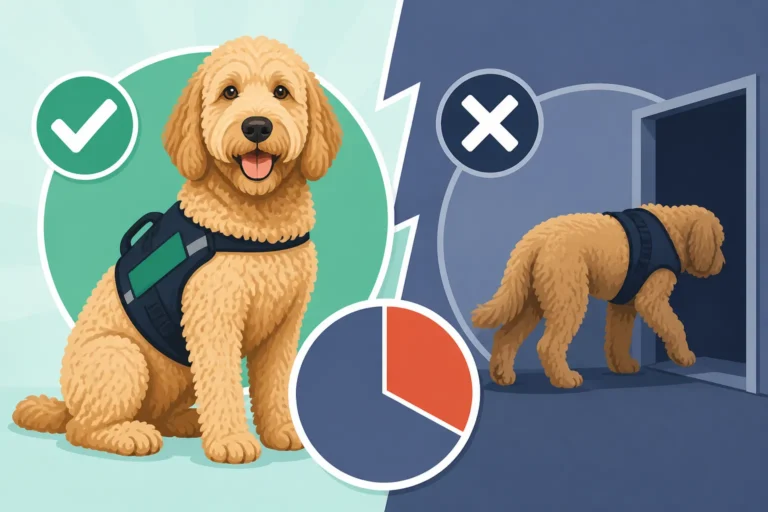
It’s crucial to differentiate between a Labradoodle who simply loves your company and one who is experiencing genuine distress when separated. A "Velcro dog" who waits patiently outside the bathroom door is often just showing their affection and preference for proximity. They might lie down, maybe let out a soft sigh, but generally, they aren't panicking. They understand you're still there, just behind a temporary barrier. This is a mild form of The Velcro Labradoodle That Cannot Be Left but usually manageable.
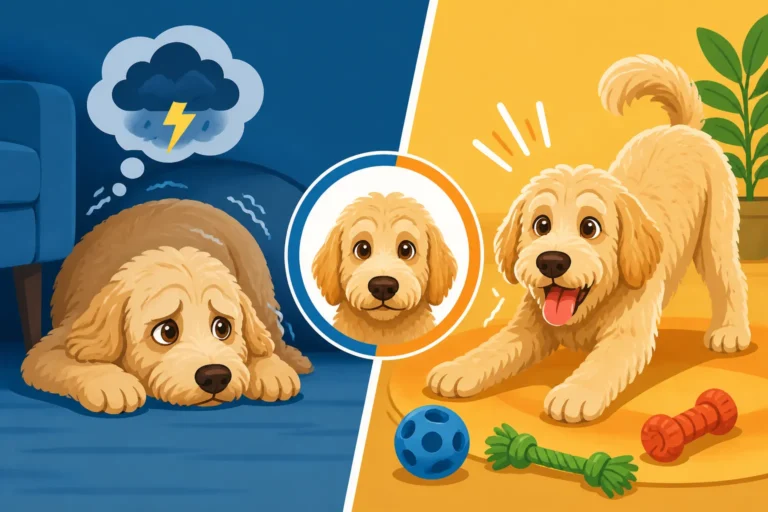
However, if your Labradoodle exhibits more intense reactions, it might be heading into separation anxiety territory. Signs like incessant barking, howling, destructive chewing of the doorframe or anything nearby, pacing frantically, or even having accidents inside the house only when you're out of sight, suggest a deeper issue. True separation anxiety is a severe stress response, not just a preference. It’s when their world feels like it's falling apart without you. Understanding the difference is vital for applying the correct training methods; what works for a mildly attached dog might not be enough for one with true anxiety. For a deeper dive into discerning between general clinginess and actual anxiety, check out Telling an Anxious Labradoodle From an Under Exercised One.
Practical Strategies to Foster Independence
While your Labradoodle's devotion is heartwarming, fostering a healthy sense of independence benefits both of you. It reduces their reliance on your constant presence and gives you a much-needed break. The key here is gradual, positive reinforcement.
Gradually Increasing Alone Time
One of the most effective ways to help your Labradoodle become more independent is to introduce alone time in small, manageable increments. Start with short bursts of separation within your home. For example, put up a baby gate between you and your dog while you're still in the house. This allows them to see and hear you, but not physically follow you. You might work in your home office while they are gated in the living room, or cook in the kitchen while they're in a nearby, visible area.
The goal is for them to realize that being apart for a short period is perfectly normal and not a precursor to abandonment. Gradually increase the duration of these separations. Begin with just a few minutes, then five, then ten. When they remain calm, reward them with praise or a quiet treat. Avoid making a big deal out of leaving or returning, as this can inadvertently heighten their anxiety. You want it to be a non-event. This slow and steady approach helps build their confidence and shows them that you always come back, even if they can't physically be by your side for every single moment. This also ties into how you can successfully manage The Alone Time a Velcro Labradoodle Can Build To.
Creating a "Safe Space" for Solo Time
Every Labradoodle, especially one with a strong attachment to their human, benefits from having their own designated "safe space." This could be a crate, a cozy dog bed in a quiet corner, or even a specific room in the house where they can relax undisturbed. The trick is to make this space incredibly inviting and positive. Fill it with comfortable bedding, their favorite chew toys, and perhaps a long-lasting treat or a puzzle feeder when you need to step away.
Introduce this space through positive association. Never use it for punishment. Encourage them to go there voluntarily with treats and praise. Feed them their meals in their crate or on their special bed. The idea is to build a positive mental connection: "This is my special place where good things happen and I can relax." When you know you'll need to use the bathroom, direct them to their safe space with a cheerful command and a reward. If you're wondering about the benefits of crating, Whether a Crate Helps a Labradoodle Switch Off offers some great insights. Over time, this space becomes a sanctuary where they feel secure, even when you're not right there next to them.
The Power of Ignoring and Rewarding Calmness
This strategy can feel counterintuitive, especially when your Labradoodle is looking at you with those big, soulful eyes, but it's incredibly effective in fostering independence. The core idea is to ignore attention-seeking behaviors (like nudging, pawing, or following) and reward moments of calm, independent behavior.
When you're preparing to use the bathroom and your Labradoodle starts to follow, gently but firmly block their path or close the door. Do not engage in eye contact, talk to them, or give them any form of attention if they are being clingy. Wait a few moments. The instant they lie down, look away, or settle themselves before you open the door or re-enter the room, that's when you offer calm praise and perhaps a small, high-value treat. It teaches them that being calm and respecting boundaries earns positive attention, while demanding attention does not. This doesn't mean you stop loving or interacting with your dog; it simply means you're being strategic about when and how you offer attention to reinforce desired behaviors. Consistency is absolutely key here.
Navigating the Bathroom Door Dilemma
Okay, let's get down to the nitty-gritty of the bathroom door itself. It's a specific scenario, but the principles we've discussed can be tailored to help you get that much-needed moment of peace.
Setting Clear Boundaries and Sticking to Them
When it comes to the bathroom, consistency is your best friend. If the bathroom is a no-go zone for your Labradoodle, then it needs to be always a no-go zone. This means no exceptions, even if they look particularly cute or it's just for "a second." Every time you let them in, you reinforce the idea that their persistence pays off.
Start by practicing this boundary when you don't actually need to use the bathroom. Walk towards the bathroom door, and if your Labradoodle starts to follow, say "stay" or "wait" and use your body to gently block their entry. Close the door, even if it's just for 10-15 seconds. Re-emerge, and if they were calm outside the door, give them a quiet treat and praise. Gradually increase the time you're behind the closed door. This teaches them that the closed door is a temporary barrier, not a permanent separation, and that you will return. It's about establishing a clear rule: "Bathroom is my space, not ours."
Pre-empting the Follow with Distraction
Sometimes, the best offense is a good defense. Before you even head for the bathroom, set your Labradoodle up for success by giving them something else engaging to do. A long-lasting chew, a KONG stuffed with peanut butter or yogurt (and maybe frozen for extra challenge!), or a puzzle toy can be a fantastic diversion. The key is to introduce this distraction before you disappear.
For instance, grab a favorite chew, say a chew stick from a reputable brand you can find on Amazon, hand it to your Labradoodle, and then calmly walk to the bathroom and close the door. By the time they look up from their delicious task, you’ll already be in. This shifts their focus from "Where did my human go?" to "Oh, yummy chew!" Over time, they'll associate your movement towards the bathroom with getting a special treat, making the separation less stressful and more about a positive experience. This is particularly effective for those moments when you know you’ll be gone for a few minutes.
Training a "Stay" or "Go to Bed" Command
Basic obedience commands are invaluable in managing a shadow Labradoodle. A solid "stay" or "go to bed" (or "place") command can be your secret weapon for those moments you need personal space. If your Labradoodle has a reliable "stay," you can simply tell them to "stay" in the living room or hallway before you enter the bathroom. Reward them generously when they hold their position calmly.
If "go to bed" is your preferred command, train them to go to their designated safe space (their bed or mat) and remain there until released. Practice these commands regularly, not just when you need to go to the bathroom. Start with short durations and gradually increase the time and distance. Resources like BAXTER & Bella offer fantastic online training programs that can guide you step-by-step through teaching these fundamental commands, providing structured lessons that build confidence in both you and your dog. When your Labradoodle knows exactly what's expected of them, they're much more likely to comply happily. A firm foundation in these basics can make a world of difference in your daily routine. Mastering commands like these early on can also help your Labradoodle meet expectations such as What a Labradoodle Should Know by Six Months.
When to Seek Professional Help
While many Labradoodles can learn to respect boundaries with consistent training, there are times when their shadow behavior might indicate something more profound, necessitating expert intervention.
Recognizing Escalating Anxiety
It's one thing for your Labradoodle to wait patiently outside the door, perhaps letting out a soft whine. It's another thing entirely if their distress escalates significantly when you step out of sight. Keep a close eye out for these signs that suggest more than just clinginess:
- Excessive Vocalization: Constant, frantic barking, howling, or crying when left alone, even for short periods like a trip to the bathroom.
- Destructive Behavior: Chewing door frames, scratching at doors, damaging furniture or items near the point of separation. This isn't just puppy chewing; it's frantic, anxiety-driven destruction. What a Labradoodle Destroys When Left Alone can give more context.
- Elimination Accidents: Urinating or defecating indoors only when left alone, despite being house-trained and having had recent potty breaks.
- Pacing and Trembling: Restlessness, panting excessively, trembling, or drooling, even in a cool environment, specifically when left alone or when you're preparing to leave.
- Escape Attempts: Trying to chew through crates, dig under doors, or break out of rooms.
If you're seeing these kinds of behaviors, especially in combination, it's a strong indicator that your Labradoodle is experiencing true separation anxiety, which can be incredibly stressful for them and challenging for you to manage alone. It's important to remember that these behaviors aren't about being "naughty" but are signs of genuine distress. You may also want to investigate Whether a Labradoodle Barks When Left.
Consulting a Certified Professional
If you suspect your Labradoodle's attachment has crossed the line into separation anxiety, or if your efforts to foster independence aren't yielding results, don't hesitate to reach out to a professional. A certified professional dog trainer specializing in behavior, or a veterinary behaviorist, can accurately diagnose the issue and create a tailored plan.
These experts can help you distinguish between mild separation distress and clinical separation anxiety, which often requires a more intensive, multi-faceted approach, sometimes including medication in severe cases alongside behavior modification. They can observe your dog's specific reactions, help you identify triggers, and guide you through counter-conditioning and desensitization techniques that are far more effective than general advice. Investing in professional guidance not only alleviates your dog's distress but also gives you the tools and confidence to manage the situation effectively. Remember, seeking help is a sign of a responsible and caring owner who wants the best for their beloved Labradoodle.
| Behavior Trait | Primarily Attachment/Clinginess | Potentially Separation Anxiety |
|---|---|---|
| Physical Proximity | Follows you room to room, lies at your feet, waits at the door. | Frantically tries to get to you, scratches doors, chews barriers. |
| Vocalization | Occasional sigh, soft whine, quiet "alert" bark. | Persistent barking, howling, crying, high-pitched whines. |
| Destructive Acts | Minimal or none, may chew own toys calmly. | Chews furniture, door frames, personal items; frantic and targeted. |
| Elimination | Consistent house-training, no accidents related to alone time. | Accidents (urine/feces) only when left alone. |
| Body Language | Relaxed, may settle quickly, watchful but calm. | Pacing, panting, drooling, trembling, wide eyes, tail tucked. |
| Greeting Upon Return | Happy, excited, but settles quickly. | Overly frantic, takes a long time to calm down after you return. |
Disclaimer
This article is for general informational purposes only and does not constitute professional advice. Laws, prices and regulations vary by location and change over time. Consult a qualified professional for guidance on your specific situation.