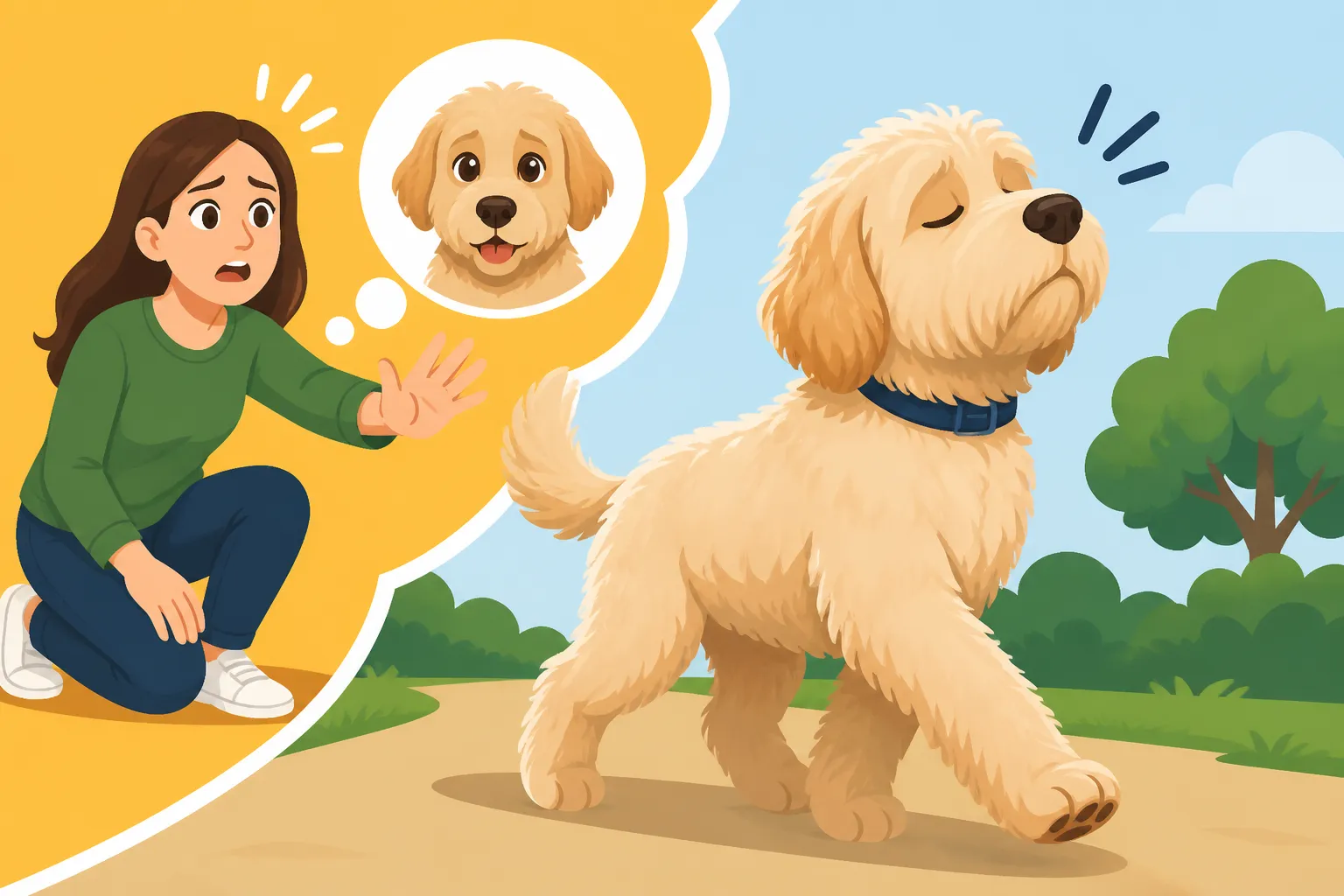
Whether a Labradoodle Stops Listening at Ten Months
It's incredibly common to wake up one morning and feel like your sweet, attentive Labradoodle puppy has been replaced by a rebellious teenager who suddenly developed selective hearing. All those weeks and months of diligent training, consistent cues, and endless treats seem to vanish into thin air, especially around the ten-month mark. This guide is here to help you understand why this challenging phase happens and, most importantly, equip you with the strategies to navigate it, re-establish good habits, and strengthen your bond with your evolving companion.
Understanding Labradoodle Adolescence: The "Teenage" Phase
Just like human teenagers, adolescent dogs go through a period of significant physical, mental, and emotional development. It's not about them intentionally being naughty or forgetting everything; it's a natural, albeit frustrating, stage of growth. Your Labradoodle isn't just a bigger puppy anymore; they're becoming an adult, and that comes with a whole new set of challenges.
The Biological Reality of "Teenage" Dogs
From roughly six months to two years of age (and sometimes even a bit longer for larger breeds like a standard Labradoodle), dogs enter what veterinarians and behaviorists refer to as adolescence. This phase is characterized by a surge in hormones, similar to puberty in humans. These hormonal changes affect everything from their energy levels to their decision-making processes. Think about a human teenager's brain – it's still very much under construction, especially the parts responsible for impulse control and rational thought. The same goes for your Labradoodle. Their brain is literally reorganizing itself, making them more prone to impulsive actions and less capable of filtering distractions or consistently recalling learned behaviors.
During this time, male Labradoodles might start to mark territory more frequently, and female Labradoodles will experience their first heat cycle if not spayed. These biological shifts are profound and influence their behavior in ways that might seem baffling to us. What was once a simple 'sit' command in the living room now feels impossible when there's a squirrel in the park or another dog to greet. It’s important to remember that this isn't a personal affront; it’s just biology playing its part in their development.
Why Ten Months Feels Like a Sudden Change
The ten-month mark often feels like a particularly acute peak of this "not listening" phase because it's typically when your Labradoodle has enough confidence, physical stamina, and hormonal drive to really explore their independence. Prior to this, they might have been a bit more tentative, relying on you for direction and comfort. Now, they feel big enough and brave enough to make their own choices, often testing the boundaries you've carefully established. Suddenly, that short leash walk around the block isn't enough; they want to sniff every bush, pull towards every new scent, and explore every corner.
This can be especially challenging because you’ve likely put in a lot of effort during their puppyhood, and they were probably doing so well! It's disheartening when you feel like you're starting from scratch. But rest assured, the foundational training is still there, it's just buried under a layer of adolescent hormones and newfound curiosity. This is also a time when many owners start to relax their training efforts, assuming the puppy stage is over, which can inadvertently reinforce the "selective hearing" as the dog learns they can get away with more.
Why Your Labradoodle Seems to "Stop Listening"
The phrase "stops listening" can be misleading because it implies an intentional defiance. While there's certainly an element of boundary-testing, a large part of it is due to their developing brain and increased engagement with the wider world. Their priorities shift, and what was once highly motivating (like a tiny treat from you) might now pale in comparison to the excitement of a passing jogger or the scent of a rabbit.
The "Selective Hearing" Phenomenon
Ah, selective hearing – a hallmark of the adolescent dog! One minute your Labradoodle is performing a perfect 'stay' in the kitchen, the next they're completely ignoring your frantic calls at the dog park. This isn't necessarily a sign they've forgotten the command; rather, it’s that the value of the distraction outweighs the value of obeying you in that moment. Their world has opened up, and everything is fascinating. A familiar voice might just be background noise when there’s an exciting new smell or another dog to play with. This often leads to frustrating situations, particularly when it comes to recall. You might have built a stellar recall with your puppy in a quiet backyard, but in a bustling environment, all that hard work seems to evaporate. This is a common tale, and it’s why many owners report that their The Ten Month Old Labradoodle That Forgets Everything often struggles with commands they once knew perfectly.
This phenomenon is also tied to their developing attention span. While a puppy might focus intently on you for a few minutes, an adolescent Labradoodle has a brain that's buzzing with new connections and desires. They might hear you, process the command, but then another stimulus grabs their attention, and the thought of obeying simply fades away. It's not malicious; it's just their brain prioritizing novelty and excitement over compliance with a well-worn cue. Understanding this can help us approach their training with more empathy and less frustration.
Testing Boundaries and Increased Independence
As your Labradoodle grows, they naturally begin to test boundaries. What happens if I jump on the counter just this once? What if I pull on the leash to get to that interesting person? Will my human really make me 'sit' before going out the door every single time? This push for independence is normal. They're trying to figure out the rules of their world and what they can get away with. This can manifest as increased mouthing, counter-surfing, jumping on guests, or simply being generally less compliant than they were a few months ago. It's a critical period where your consistent leadership is more important than ever. If boundaries aren't consistently reinforced, your Labradoodle will learn that they can indeed make their own rules.
This boundary-testing isn't just about defiance; it's also about a natural curiosity and drive to explore. A young Labradoodle, full of energy and a growing sense of self, will push limits to see what's on the other side. They might suddenly decide that their crate is no longer a fun place to be, or that waiting patiently for their dinner is an optional suggestion. This is a time when the patience of even the most dedicated owner is truly tested. It’s also crucial to remember that their physical strength is increasing, making behaviors like pulling on the leash much more challenging to manage if not addressed properly. You might find yourself needing to revisit earlier lessons like Teaching a Sixty Pound Labradoodle Not to Pull with renewed vigor.
Heightened Distractibility and Energy
Adolescent Labradoodles are often bundles of energy, and their world has suddenly become much more vibrant and full of enticing distractions. Everything outside the home is new and exciting, from the smell of fresh rain to the distant bark of another dog. Their drive to explore and interact with their environment becomes incredibly strong, making it difficult for them to focus on you, especially in novel or stimulating locations. This heightened distractibility is a huge reason why they seem to "tune you out." Their brains are simply overwhelmed by all the interesting input, and your voice might struggle to cut through the noise.
This surge of energy also means they need more physical and mental stimulation than ever before. An under-exercised Labradoodle is more likely to exhibit unwanted behaviors, as they’ll find their own ways to burn off steam – often ways you don’t appreciate, like chewing furniture or endlessly pacing. Ensuring they get enough appropriate exercise and mental enrichment is key to managing their behavior during this phase. Without sufficient outlets, that boundless Labradoodle energy can easily translate into mischievousness or what appears to be outright disobedience. Consider how The Exercise a Labradoodle Needs Before It Behaves becomes even more paramount during these months.
Practical Strategies for Re-engaging Your Adolescent Labradoodle
The good news is that this phase is temporary, and with the right approach, you can guide your Labradoodle through it successfully. It requires a shift in mindset and a renewed commitment to consistent, positive training.
Going Back to Basics: Reinforcing Foundational Training
When your Labradoodle seems to have forgotten everything, the best approach is often to go back to basics. This means revisiting every command you taught them during puppyhood, but now in a way that acknowledges their increased independence and distractibility. Start in low-distraction environments, like your living room or a quiet backyard, and gradually introduce more challenging settings. Use high-value rewards – think chicken, cheese, or special training treats, not just their regular kibble. For instance, when working on recall, start by having them come to you from a short distance in the house, then in the yard, and eventually on a long line in a park, always making it the most rewarding choice they can make.
Break down commands into smaller steps if needed. If they’re struggling with 'stay,' practice holding it for just a second, then two, then three, lavishly rewarding each successful attempt. Short, frequent training sessions (5-10 minutes a few times a day) are much more effective than one long, tedious session. This helps keep their attention and prevents them from becoming bored or frustrated. Remember, the goal is to make obeying you the most rewarding and reinforcing behavior, even when there are other exciting things happening around them. This deliberate practice is essential to Building a Recall a Labradoodle Answers Off Leash and other vital skills.
Managing the Environment to Prevent "Mistakes"
Prevention is key during adolescence. If your Labradoodle is counter-surfing, don't leave tempting food on the counter. If they're chewing inappropriate items, ensure those items are out of reach. This isn't about giving up on training; it's about setting them up for success and preventing them from practicing undesirable behaviors. Use management tools like baby gates to restrict access to certain rooms, use their crate when you can't supervise them directly, and keep them on a leash or long line when outside, especially in unfenced areas. A good quality long line, available from retailers like Amazon, can be a game-changer for practicing recall in open spaces without risking a runaway dog.
By managing their environment, you reduce the opportunities for them to "practice" misbehavior and reinforce the idea that they don't have free reign. This also gives you the chance to intervene and redirect them towards acceptable behaviors before they make a mistake. For example, if you know they're prone to jumping on visitors, have them on a leash when guests arrive so you can gently guide them into a sit before they get a chance to leap up. This proactive approach saves you from constant correction and builds a more positive relationship.
Patience, Consistency, and Positive Reinforcement
These three pillars are more critical than ever during your Labradoodle's adolescence.
- Patience: This phase can be incredibly trying. There will be days when you feel like you're getting nowhere. Take a deep breath, remember it's a phase, and remind yourself that your Labradoodle isn't doing this to spite you. Celebrate the small victories and don't dwell on the setbacks.
- Consistency: Everyone in the household needs to be on the same page with rules, commands, and expectations. If one person allows jumping while another corrects it, your Labradoodle will become confused and more likely to test the limits. Consistency helps them understand what is expected and builds trust. Ensure that all cues are the same, and rewards are given for the same behaviors, every single time.
- Positive Reinforcement: Focus on rewarding the behaviors you want to see, rather than just punishing the ones you don't. When your Labradoodle does listen, even if it's after a slight delay, praise them enthusiastically and reward them handsomely. This strengthens the desired behavior and builds a positive association with obeying you. Avoid harsh corrections or punishment, as these can damage your bond and make your Labradoodle fearful or less likely to engage with you. Whether a Labradoodle Is Too Soft for Correction is an important consideration, as harsh methods can be detrimental.
Beyond the Teenage Tantrums: When to Seek Professional Guidance
While adolescence is a normal phase, some behaviors might go beyond typical teenage rebellion and indicate a deeper issue. Knowing when to seek professional help can make a huge difference in your Labradoodle's development and your peace of mind.
Recognizing Red Flags Beyond Normal Adolescence
Most adolescent behaviors are annoying but manageable: selective hearing, boundary testing, and increased energy. However, there are certain red flags that suggest you might need more than just a refresher course in basic training. If your Labradoodle starts to exhibit true aggression (growling, snapping, biting) towards people or other dogs, or if they develop severe separation anxiety that results in destructive behavior or self-harm when left alone, it's time to seek expert intervention. Other concerning signs include extreme fear or phobias, obsessive compulsive behaviors, or a sudden, unexplained shift in temperament that persists despite consistent training efforts.
It's also a red flag if you feel completely overwhelmed and unable to manage your Labradoodle's behavior, leading to a breakdown in your relationship or your ability to keep them safe. While every Labradoodle has individual quirks, a sustained pattern of unmanageable behavior can be a sign that something more serious is at play. Don't feel ashamed if you find yourself in this situation; it's a testament to your commitment to your dog's well-being that you're seeking help. It’s also important to consider if their struggles are impacting their overall quality of life or yours.
The Value of a Certified Professional Dog Trainer
Bringing in a certified professional dog trainer can be a game-changer during the adolescent phase. They can offer an objective perspective on your Labradoodle's behavior, identify the root causes of issues, and provide tailored strategies that work for your specific dog and household. A good trainer will use positive reinforcement methods and help you understand canine communication better, strengthening your bond rather than creating fear. They can help you fine-tune your timing, teach you new techniques for managing distractions, and provide support when you feel discouraged. Many trainers offer group classes, which can be fantastic for socialization and working through distractions, or private sessions for more personalized attention. Online training programs, such as those offered by BAXTER & Bella, can also provide structured guidance and support from certified professionals, offering flexible learning from the comfort of your home.
When looking for a trainer, seek out those who are certified by reputable organizations and who emphasize positive, force-free methods. Ask about their experience with adolescent dogs and Labradoodles specifically. They can help bridge the gap between your well-behaved puppy and the confident, well-adjusted adult dog you envision. Sometimes, just having someone knowledgeable to guide you through the process, confirm that you're on the right track, or suggest slight adjustments, can make all the difference. Remember, asking for help isn't a sign of failure; it's a sign of a responsible and caring pet parent. Whether a Labradoodle Needs a Trainer or a Class is a question many owners face, and often, the answer is a resounding yes for getting through this period successfully.
| Behavior Trait | Puppy (Under 6-7 Months) | Adolescent (7 Months to 2 Years) |
|---|---|---|
| Attention Span | Short, but often very focused on owner in low distraction | Short, easily distracted by environment, less owner-focused |
| Obedience | Learning basics, eager to please, mistakes usually from lack of understanding | "Selective hearing," testing boundaries, "forgetting" known commands |
| Energy Levels | Bursts of intense play, followed by long naps | Sustained high energy, often seems restless, needs more outlet |
| Socialization | Curious, generally friendly, learning appropriate play | Can become more assertive, fearful, or reactive; exploring social ranks |
| Impulse Control | Very little, prone to sudden reactions and chewing | Developing, but still weak, leading to impulsive actions like counter-surfing |
| Independence | Highly reliant on owner, follows closely | Seeks more independence, explores further, less likely to check in with owner |
Disclaimer
This article is for general informational purposes only and does not constitute professional advice. Laws, prices and regulations vary by location and change over time. Consult a qualified professional for guidance on your specific situation.