Whether a Labradoodle Can Do Seizure Response Work
It's incredibly natural to wonder if our beloved Labradoodles, with their intelligent eyes and boundless affection, could step into such a profound role as a seizure response dog. For many, the idea of their loyal companion providing life-saving assistance is a powerful and hopeful thought. This guide aims to thoroughly explore whether a Labradoodle possesses the inherent qualities and trainability to perform seizure response work, offering a realistic look at the journey, challenges, and immense rewards involved.
The Critical Role of Seizure Response Dogs
Before we dive into the specifics of our curly-coated friends, it's vital to understand what seizure response work truly entails. This isn't just about having a comforting presence; it's about a dog actively performing trained tasks that can make a profound difference during and after a seizure event.
More Than Just a Companion: Defining Seizure Response
When we talk about a seizure response dog, it's crucial to distinguish it from a seizure alert dog. While both are invaluable, they serve different, albeit sometimes overlapping, functions. A seizure alert dog might sense an impending seizure before it happens, giving their person a critical window of time to get to a safe place, take medication, or call for help. This is often an innate ability, not something that's formally taught.
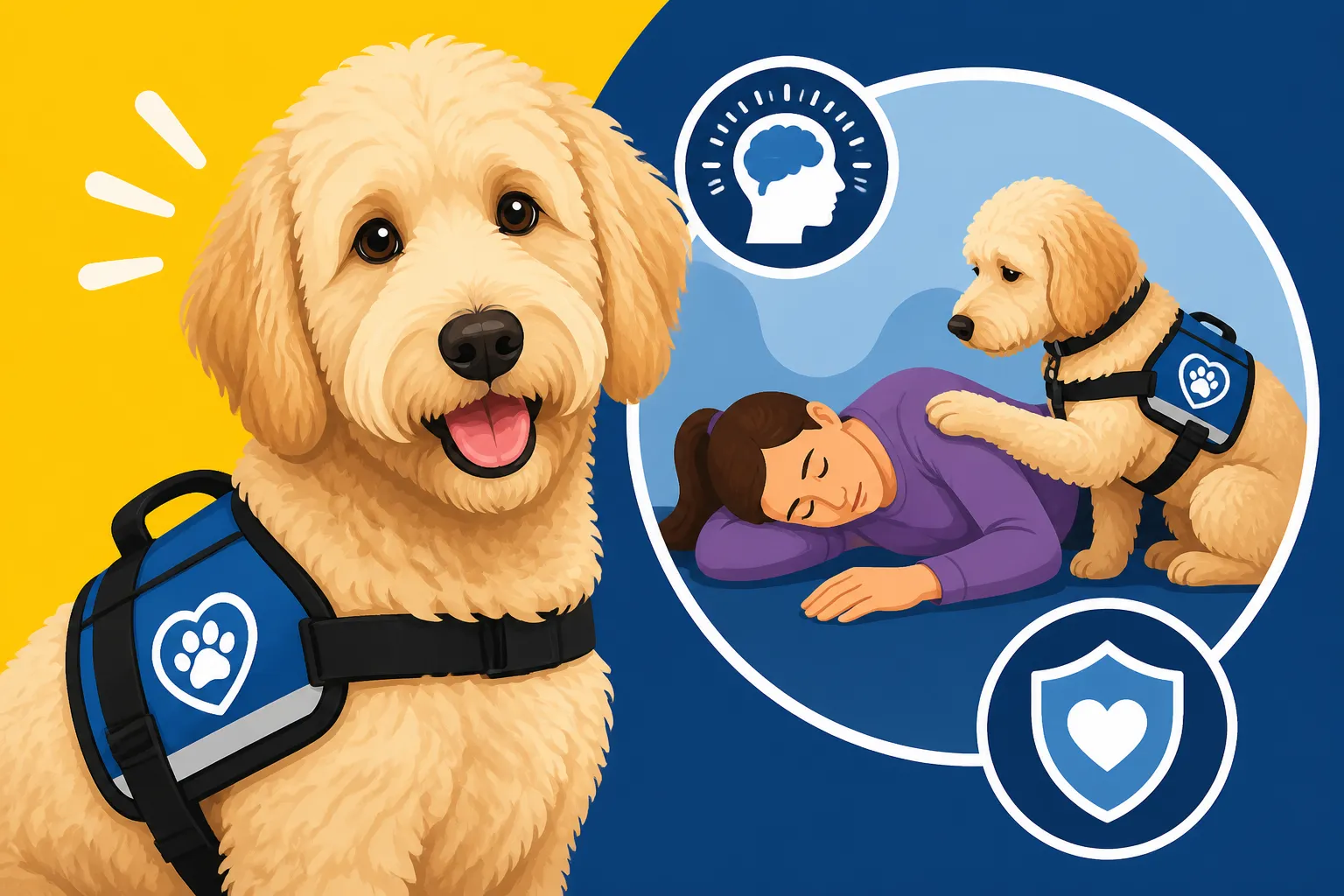
A seizure response dog, on the other hand, is specifically trained to act during or immediately after a seizure. Their job isn't to predict, but to perform concrete actions that mitigate danger and provide assistance. Imagine someone experiencing a seizure. A response dog might:
- Provide comfort and safety: By lying next to their handler, they can cushion their head, prevent self-injury by blocking flailing limbs, or even just be a reassuring presence as the person recovers consciousness.
- Summon help: This could involve going to a specific person, pressing an emergency button, or barking to alert others in the home.
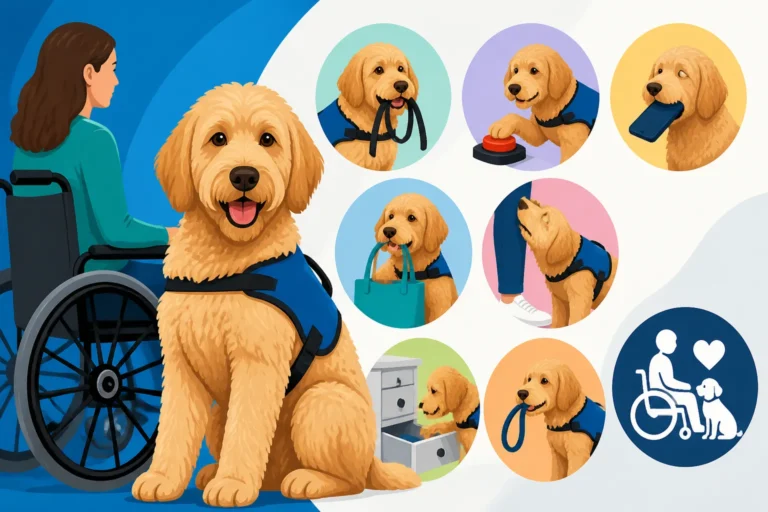
- Retrieve essential items: They might be trained to fetch a phone, medication, or a blanket, bringing these items to their handler's side.
- Break a fall: For certain types of seizures, a larger dog might be trained to brace or help their handler descend safely to the floor.
These tasks require not only intelligence but also immense composure under stress and a deep, intuitive bond with their handler. The dog needs to understand the urgency of the situation and act decisively, even when things are chaotic or frightening.
Essential Qualities for a Seizure Response Canine
Not every dog, regardless of breed, is cut out for the demanding world of service work. For seizure response, in particular, a dog needs a very specific set of traits to succeed.
First and foremost is an exceptional temperament. A service dog must be incredibly stable, unflappable, and confident in all environments. Think about a dog witnessing their beloved human collapse – it's a terrifying sight. A seizure response dog cannot panic, become aggressive, or shy away. They must remain calm under pressure, focusing on their trained tasks. This means a dog with natural resilience and a solid nerve.
Biddability and attentiveness are also paramount. These dogs need to be highly motivated to work with their handler and incredibly attuned to their subtle cues and changes in behavior. They must be eager to please and easily directed, even when distractions are present. This goes beyond simple obedience; it's about a profound partnership.
Furthermore, a good seizure response dog needs a decent level of intelligence and problem-solving skills. While they are trained for specific tasks, real-life situations are rarely textbook. They may need to adapt slightly or use their judgment within the bounds of their training. For instance, if they're trained to push an emergency button, but the button is knocked out of reach, a smart dog might still find a way to alert.
Finally, depending on the specific tasks, physical attributes can play a role. A dog trained to provide deep pressure or brace a falling person needs to be of a suitable size and sturdy build. However, even smaller dogs can excel at tasks like retrieving medication or summoning help. What's universal, though, is good health and stamina to perform their duties consistently over many years.
Labradoodle Traits: A Natural Fit or a Training Challenge?
Now, let's bring it home to the Labradoodle. With their unique blend of Labrador Retriever and Poodle, they carry a fascinating mix of characteristics that can make them both incredibly promising and, at times, surprisingly challenging for service work.
The Labradoodle's Inherited Strengths
Labradoodles often bring a wonderful set of traits to the table that can make them excellent candidates for service work, including seizure response.
From their Poodle lineage, Labradoodles inherit remarkable intelligence and a strong desire to please. Poodles are known for being highly trainable and excelling in various dog sports and working roles. This translates into a Labradoodle that is generally quick to learn and eager to engage in training sessions. Their smarts mean they can often grasp complex commands and sequences of actions, which is essential for the multi-step tasks involved in seizure response.
The Labrador Retriever side contributes loyalty, a gentle nature, and a certain robustness. Labradors are famously devoted companions, known for their patience and kind demeanor. This unwavering loyalty creates the deep bond necessary for a dog to instinctively want to help their person. Many Labradoodles also inherit the Labrador's natural biddability and love of people, making them very pleasant to work with.
It's this combination that often leads to the "Velcro dog" tendency many Labradoodle owners describe. These dogs often form incredibly strong attachments to their families, preferring to be right by their side. This attentiveness and desire for proximity can be a significant advantage in seizure response work, as the dog is already closely monitoring their handler. Their inherent empathy often shines through; many Labradoodle owners report their dogs seem to "know" when they're upset or not feeling well, offering comfort without being asked. This natural inclination to comfort and stay close can be a powerful foundation for building specific response behaviors. The Temperament a Labradoodle Gets From Each Parent highlights how these traits emerge.
Potential Hurdles for Labradoodles in Service Work
While Labradoodles possess many desirable traits, it's also important to be realistic about the potential challenges they can present in a high-stakes role like seizure response. Not every Labradoodle is destined for service work, and understanding these hurdles can help set appropriate expectations.
One of the most common observations about Labradoodles, especially when young, is their high energy levels. They are often incredibly playful and active, requiring significant exercise and mental stimulation. While this can be channeled positively, an under-exercised or under-stimulated Labradoodle can be prone to restlessness, jumping, or distraction – behaviors that are completely incompatible with service work. Maintaining focus during a critical moment is paramount, and a dog that is easily sidetracked by a squirrel or a new scent could compromise their ability to respond effectively. Managing this energy through appropriate outlets is crucial.
Another practical consideration is their grooming demands. Labradoodles, especially those with fleece or wool coats, require consistent and thorough grooming to prevent matting. If a dog isn't comfortable with regular brushing, bathing, and even clipping, it can become a source of stress or even pain, which can negatively impact their overall well-being and their ability to focus on their work. A matted coat isn't just a cosmetic issue; it can be deeply uncomfortable and painful for the dog, potentially affecting their willingness to be handled, especially during a seizure.
There's also what some affectionately call the "Doodle brain." While highly intelligent, this can sometimes manifest as being too clever or easily bored with repetition. They might try to outsmart their handler or find alternative, less desirable ways to achieve a goal. This means their training needs to be engaging, consistent, and always a step ahead. Adolescent Labradoodles, like all dogs, can also go through phases where they seem to "forget everything" they've learned, testing boundaries and requiring immense patience and reinforcement from their handler. The Ten Month Old Labradoodle That Forgets Everything perfectly captures this adolescent regression.
Finally, the ability to generalize skills to different environments is critical for any service dog in public access. A Labradoodle might perform perfectly in their home environment, but can they maintain that focus and execute tasks flawlessly in a bustling supermarket, a quiet doctor's office, or on public transport? This requires extensive, careful public access training and desensitization to a myriad of sights, sounds, and smells. What Public Access Training Asks of a Labradoodle delves into this demanding aspect.
The Path to Seizure Response Training
If you have a Labradoodle that appears to have the right foundational temperament – calm, attentive, resilient – the next step is to embark on the rigorous journey of training. This is not a quick process, and it requires immense dedication and consistency.
Foundation and Early Socialization
The path to any service dog role begins long before specific tasks are taught. It starts in puppyhood with exceptional socialization and foundational training. A Labradoodle puppy needs to be exposed to a wide variety of sights, sounds, people, and environments in a positive and controlled manner. This builds their confidence and helps them develop into a well-adjusted adult dog who isn't easily startled or stressed by novelty. Think of it as building a strong psychological framework.
Basic obedience is the bedrock upon which all complex service tasks are built. Commands like "sit," "stay," "down," "come," and "leave it" must be rock-solid, even amidst distractions. A dog that struggles with basic obedience will never be able to handle the demands of advanced task training. Early leash training is also paramount, as a service dog needs to walk politely by their handler's side without pulling, regardless of what's happening around them.
Desensitization to various forms of touch is also critical, especially for seizure response. The dog must be comfortable with being touched all over their body, having their paws handled, and being in close proximity, even if their handler is moving erratically. This isn't just for grooming; it's to ensure they can perform tasks like cushioning a head or blocking a limb without being startled or reacting negatively.
Task-Specific Training and Professional Guidance
Once the foundation is firm, you can begin the arduous process of task-specific training. This is where the magic happens, transforming innate behaviors into purposeful assistance. Positive reinforcement is the golden standard here, using rewards like treats, praise, and toys to motivate your Labradoodle and make training enjoyable.
Tasks like retrieving a phone or medication are taught through a process called shaping. You'd start by rewarding your dog for looking at the item, then for touching it, then for picking it up, and finally for bringing it to you. Each step builds on the last. Similarly, teaching a dog to press an emergency button might involve teaching them to target with their nose or paw, gradually increasing the difficulty until they press the actual button. Consistency, short sessions, and clear communication are key.
For seizure response, simulating scenarios is important, but must be done very carefully and gently to avoid scaring the dog. You might practice falling gently to the floor and then cueing your dog to lie beside you, or rewarding them for remaining calm and close.
While owner-training a service dog is possible, it is incredibly demanding and often benefits immensely from professional guidance. A certified service dog trainer or an organization specializing in seizure alert/response dogs can provide invaluable expertise. They can help you identify your Labradoodle's strengths, troubleshoot challenges, and ensure your training methods are effective and humane. Resources like BAXTER & Bella, an online puppy and dog training program, can offer structured lessons and support for foundation skills, even if you eventually work with an in-person specialist for specific service tasks. Their comprehensive approach to training can be a great starting point for building a confident, well-behaved dog. Whether an Owner Can Train Their Own Service Labradoodle delves into the intricacies of this decision.
Ongoing Commitment and Public Access Training
The training journey doesn't end when your Labradoodle learns their tasks. It's a lifelong commitment. Ongoing reinforcement and practice are essential to maintain their skills. Just like a human professional, a service dog needs refreshers and continued practice to stay sharp. This also includes addressing any new challenges that might arise as they age or as your personal needs evolve.
A critical component of service dog work is public access training. This is where the rubber meets the road. Your Labradoodle needs to be able to accompany you respectfully and unobtrusively in all public spaces where service dogs are permitted by law. This means ignoring other people, other dogs, tempting smells, and loud noises. They must perform their tasks on cue in these distracting environments. This stage of training is often the most challenging and time-consuming, requiring countless hours of exposure and practice. Outfitting your Labradoodle with appropriate gear for public access, such as a comfortable service dog vest, can be found on platforms like Amazon, alongside other essential training tools like treat pouches and long lines. How Long Training a Service Labradoodle Takes gives insight into the time commitment involved.
Setting Realistic Expectations for a Labradoodle Seizure Response Dog
While the dream of a Labradoodle seizure response dog is beautiful, it's crucial to temper that hope with a healthy dose of realism. The journey is not for the faint of heart, and success is never guaranteed.
The Reality of "Washing Out"
Perhaps the most important realistic expectation to hold is that not every dog, even those from excellent lines with promising temperaments, will make it as a service dog. This is known as "washing out," and it's a common occurrence even in programs that selectively breed for service work. The washout rate can be quite high, sometimes over 50%, for dogs entering professional training programs.
There are many reasons a Labradoodle might wash out of seizure response training:
- Temperament issues: Despite initial promise, a dog might develop anxieties, fears, or reactiveness that makes them unsuitable for public work or remaining calm during a seizure. They might be too easily distracted, too excitable, or simply lack the inherent resilience needed for such a high-pressure role.
- Health problems: Service dogs need to be in peak physical condition. Any developing health issues, whether genetic or acquired, could disqualify a dog from continuing. Even minor chronic issues can impact their comfort and ability to focus.
- Inability to learn tasks: Some dogs, despite their intelligence, might struggle to consistently perform the specific tasks required for seizure response, or to generalize those tasks to different environments.
- Lack of bond/motivation: While rare for Labradoodles, a dog might not form the necessary deep working bond or lack the consistent motivation to perform the demanding work over many years.
It's absolutely vital to understand that if your Labradoodle washes out, it is not a failure on your part or the dog's. It simply means that particular dog wasn't suited for that particular role. They can still be a phenomenal, loving companion and an integral part of your family. For dogs that don't make the cut, options often exist to adopt them out to loving homes, as explored in What Washes a Labradoodle Out of a Program.
Support Systems and Resources
Embarking on the journey of training a seizure response Labradoodle means leaning heavily on support systems. You are not alone in this endeavor.
Connecting with community groups and online forums for service dog handlers can provide invaluable peer support, practical advice, and a sense of camaraderie. These groups often share tips on training, navigating public access, and coping with the emotional highs and lows of the process.
You'll also need to invest in the right equipment. This isn't just about a flashy vest; it includes durable leashes, comfortable harnesses, treat pouches, and other training aids. Platforms like Amazon are fantastic for finding a wide range of reliable and affordable gear. Choosing the right gear can make a difference in comfort for your Labradoodle and effectiveness of your training.
Veterinary support is paramount. Regular health checks, preventative care, and immediate attention to any health concerns are crucial to ensure your Labradoodle remains healthy enough to work. Open communication with your vet about your dog's working role can help them tailor their care.
Finally, understand the financial and emotional investment. Training a service dog, whether through a program or owner-training with professional help, can be costly and time-consuming. You will dedicate countless hours and resources. Emotionally, it can be a roller coaster of triumphs and setbacks. Celebrating small victories and managing expectations for the tougher days are both important aspects of this journey. For a deeper understanding of the financial commitment, What a Program Trained Assistance Labradoodle Costs provides a helpful overview.
With the right Labradoodle, immense dedication, and a strong support network, the possibility of your intelligent, affectionate companion becoming a life-saving seizure response dog can become a reality. It's a testament to the incredible bond we share with these remarkable animals.
Disclaimer
This article is for general informational purposes only and does not constitute professional advice. Laws, prices and regulations vary by location and change over time. Consult a qualified professional for guidance on your specific situation.