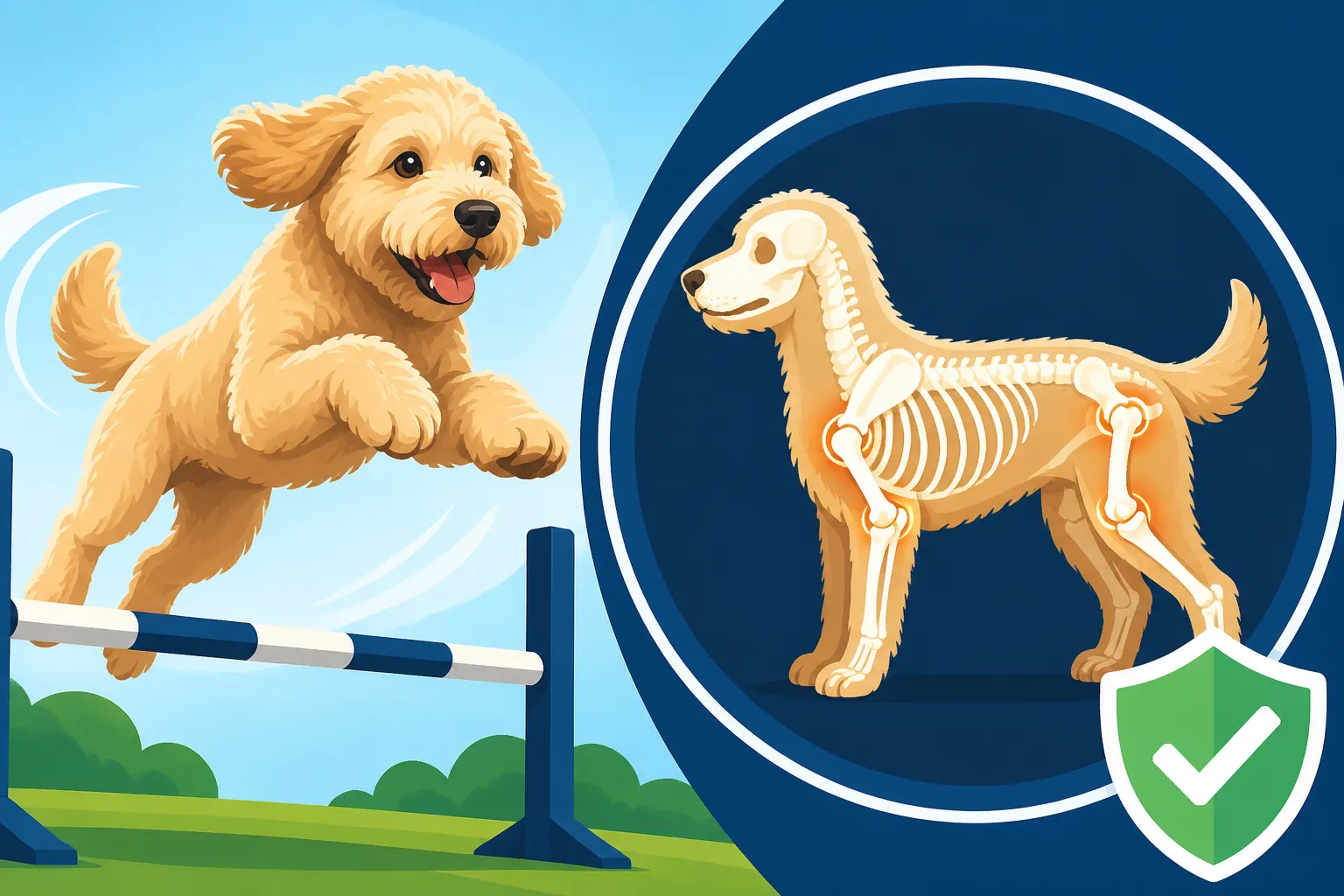
Whether a Labradoodle’s Frame Holds Up to Jumping
As a Labradoodle owner, there's nothing quite like watching your bouncy, joyful companion launch themselves into the air, whether it's to greet you, chase a frisbee, or leap onto the sofa. However, many of us quietly worry about the impact all that enthusiastic jumping might have on their precious joints and long-term health. This guide will dive deep into understanding your Labradoodle's physical capabilities, the potential risks of frequent jumping, and how you can ensure they enjoy a life full of safe, active fun without compromising their well-being.
Understanding the Labradoodle's Anatomy for Jumping
Our beloved Labradoodles are a wonderful blend of two fantastic breeds: the robust Labrador Retriever and the elegant Standard Poodle. Both bring their unique physical attributes to the mix, which significantly influences how well a Labradoodle's frame holds up to activities like jumping. It's not just about their energy levels; it's about the very bones and ligaments that support them.
Influence of Labrador and Poodle Genetics on Joint Health
The Labrador Retriever side of our Labradoodles is known for its strong, sturdy build, designed for retrieving in tough conditions. However, Labradors are also predisposed to certain orthopedic conditions, particularly hip and elbow dysplasia. These are conditions where the joints don't form correctly, leading to wear and tear over time. On the other hand, the Poodle, while lighter and more agile, can also carry genetic predispositions to conditions like luxating patellas (slipping kneecaps) and Legg-Calve-Perthes disease, though the latter is more common in smaller poodles.
When these two breeds combine, the resulting Labradoodle often inherits a blend of these traits. Some might get the more solid, heavier frame of a Labrador, while others lean towards the Poodle's finer bone structure. The hope with a crossbreed like the Labradoodle is often that hybrid vigor might reduce the incidence of these inherited issues, but it's not a guarantee. Every Labradoodle is an individual, and careful breeding practices, including thorough health testing of parent dogs, are paramount to minimize these risks. Reputable breeders should always be transparent about their dogs' Hips and Elbows in a Sixty Pound Labradoodle and The prcd-PRA Test Both Labradoodle Parents Need results.
Key Joints Affected by Jumping Hips, Elbows, and Knees
When a Labradoodle jumps, several key joints bear the brunt of the impact, both on takeoff and landing. The hips are crucial, especially when launching upwards or landing awkwardly. Repeated high-impact activities can accelerate wear on the hip joints, potentially worsening any underlying predisposition to hip dysplasia. Imagine your Labradoodle leaping off the couch or out of a truck repeatedly – that impact travels right up the legs to the hips.
The elbows are also heavily involved. As they land, dogs often brace themselves with their front legs, putting significant stress on the elbow joints. This can be particularly problematic if a Labradoodle has any degree of elbow dysplasia. Similarly, the knees (stifles) are pivotal. The anterior cruciate ligament (ACL) in the knee is a common site for injury in active dogs, especially with twisting motions or sudden stops and starts often associated with jumping and chasing. A jump from an elevated surface, landing hard, or twisting mid-air can put immense strain on these ligaments, potentially leading to tears or ruptures. Torn Cruciates in an Active Labradoodle is a painful and often costly injury that we want to avoid.
The Risks of Repetitive Jumping for Labradoodles
While jumping is a natural and often joyous expression for many dogs, including our Labradoodles, it's crucial to understand that excessive or uncontrolled jumping can pose significant risks to their musculoskeletal health over time. Just like a human athlete, a dog's body can only withstand so much impact before issues start to arise.
Common Joint Issues Exacerbated by Impact
The repetitive stress of jumping, especially on hard surfaces or from considerable heights, can exacerbate or accelerate a range of joint problems. Beyond the aforementioned hip and elbow dysplasia, we need to consider conditions like arthritis. Every jump creates a small amount of micro-trauma in the joint cartilage. Over years, this can lead to inflammation and the breakdown of cartilage, resulting in painful arthritis. This is particularly concerning as our Labradoodles age; even if they seem fine in their energetic youth, years of impact can catch up with them. Arthritis in a Labradoodle at Ten is a reality many owners face.
Another concern is luxating patellas, or "slipping kneecaps," which are more common in smaller breeds but can certainly affect miniature and even some standard Labradoodles, especially if they inherited more of the Poodle's bone structure. Jumping puts direct strain on the knee joint, and if the patella is prone to slipping out of its groove, forceful landings can dislocate it, causing acute pain and potentially leading to ligament damage over time. This is especially something to watch for in smaller Labradoodles. Slipping Kneecaps in a Miniature Labradoodle describes this problem in more detail.
How Age and Growth Stages Impact Jumping Safety
The timing of intense physical activity, particularly jumping, is incredibly important for Labradoodles. Their bones, joints, and growth plates are still developing during puppyhood and adolescence. During this critical period, excessive impact can cause irreversible damage. For instance, the growth plates, which are areas of cartilage at the ends of long bones, don't fully close until a dog is typically 12-18 months old, sometimes later for larger breeds. Until then, these areas are soft and vulnerable to injury. A hard landing from a jump could damage a growth plate, leading to abnormal bone growth, limb deformities, or even early onset arthritis.
Therefore, owners should be very mindful of limiting high-impact activities, including jumping, until their Labradoodle is fully grown. This means discouraging jumping off high furniture, repetitive retrieving of objects that require big leaps, or jumping off decks or out of vehicles. While a few enthusiastic hops are fine, structured, intense jumping exercises should be avoided. The Exercise Limit for a Growing Labradoodle emphasizes this crucial developmental stage and how we need to protect our puppies.
Recognizing Signs of Joint Strain or Injury
It's vital for us as Labradoodle parents to be observant and recognize the subtle signs that our dog might be experiencing joint strain or injury. They can't tell us in words, so we need to be their advocates. Sometimes, the first signs might be very subtle, easily dismissed as just "being tired." Look for changes in their gait: a slight limp, favoring one leg, or stiffness, especially after rest or exercise. They might seem reluctant to jump or climb stairs, or they might struggle to get up from a lying position.
Other indicators include a decreased willingness to play, a change in their usual energy levels, or vocalizations (whimpers, yelps) when touched in certain areas. You might notice swelling around a joint, or they might start licking or chewing excessively at a particular limb. If your Labradoodle, who once bounded into the car, now hesitates or whimpers, that's a red flag. Any persistent lameness or changes in their usual joyful mobility warrant a visit to your veterinarian to rule out serious issues. Supporting a Sixty Pound Labradoodle That Cannot Rise later in life is a challenge many face, and early intervention can make a huge difference.
Safe Jumping Practices and Alternatives for Labradoodles
While we want our Labradoodles to be happy and active, it's equally important to protect their joints. This doesn't mean eliminating all jumping, but rather managing it smartly. We want to encourage healthy movement that strengthens their bodies without causing undue stress.
Training for Controlled Jumping and Entry/Exit
One of the best things you can do for your Labradoodle's joints is to teach them to jump only when appropriate and safely. For instance, rather than letting them leap out of the car, train them to wait for a ramp or to be lifted. Similarly, teach them to wait for an invitation to get on furniture, rather than free-for-all leaps. This involves consistent positive reinforcement. For example, use treats and praise to reward them for waiting calmly at the car door, then guide them onto a ramp. Or teach a "four on the floor" command before they greet guests, preventing excited jumps that put stress on their bodies and can accidentally knock people over.
Puppy classes or online training programs, like those offered by BAXTER & Bella, often have modules on proper puppy body mechanics and preventing jumping behaviors. The key is to teach them impulse control and provide safe alternatives. Using a sturdy ramp for car entry and exit, or steps for getting onto a high bed, can save their joints years of wear and tear. You can find many effective, well-reviewed ramps on Amazon, designed for dogs of various sizes and weights.
Low-Impact Activities to Satisfy a Labradoodle's Energy
Labradoodles are energetic dogs, and they need to burn off that energy. If we restrict jumping, we must provide other outlets. Fortunately, there are plenty of fantastic low-impact activities that can keep your Labradoodle mentally and physically stimulated without straining their joints.
Consider activities like swimming, which is excellent for building muscle and cardiovascular health with virtually no impact on joints. Many Labradoodles adore water, inheriting a love for it from their Labrador ancestors. Long, brisk walks or gentle hikes on varied terrain (soft earth, grass) are also wonderful. Scent work, where they use their powerful noses to find hidden treats or toys, is a fantastic mental workout that engages them deeply without any physical strain. Obedience training and trick training, focusing on ground-level commands and fun tricks, can also provide mental enrichment and build a strong bond. Even simple games of fetch on a soft lawn are better than repeated leaps from heights.
Tools and Aids to Protect Your Labradoodle's Joints
Modern pet care offers several helpful tools to safeguard your Labradoodle's joints, especially as they get older or if they have a known predisposition to joint issues.
- Ramps and Steps: For vehicles, beds, or couches, ramps and doggy steps are indispensable. They eliminate the need for high-impact jumps, allowing your dog to ascend and descend gracefully. Look for sturdy, non-slip options on platforms like Amazon.
- Supportive Bedding: Orthopedic dog beds provide excellent support for joints, especially for older or larger Labradoodles. They distribute weight evenly and can help reduce stiffness.
- Non-Slip Mats: If you have hardwood or tile floors, consider placing non-slip rugs or runners in high-traffic areas. Slipping and splaying on slick surfaces can cause acute joint injuries and exacerbate existing conditions.
- Appropriate Harnesses: While not directly for jumping, a well-fitting, comfortable harness can help distribute pressure evenly during walks, reducing strain on the neck and shoulders compared to a collar, which can influence overall posture and movement.
By proactively using these tools and teaching safe habits, you can significantly reduce the cumulative stress on your Labradoodle's joints throughout their life.
Nutritional and Lifestyle Support for Joint Health
Beyond managing specific activities, a holistic approach to your Labradoodle's well-being is crucial for long-term joint health. What they eat, how much they weigh, and how regularly they see the vet all play significant roles in supporting their frame against the rigors of an active life.
The Role of Diet and Supplements in Joint Fortification
Good nutrition is the foundation of a healthy body, and that includes strong joints. Feeding your Labradoodle a high-quality, balanced diet appropriate for their life stage and size is paramount. For puppies, a large breed puppy food formula is often recommended, as it controls growth rate, which is critical for proper joint development. Feeding a Labradoodle Through Its Growth is vital to prevent skeletal issues.
For adult Labradoodles, beyond the basic nutrition, many owners consider joint supplements. Ingredients like glucosamine, chondroitin, and MSM are widely recognized for their role in supporting cartilage health and reducing inflammation. Omega-3 fatty acids, found in fish oil, also have anti-inflammatory properties that can benefit joints. While supplements aren't a magic bullet and should always be discussed with your vet, they can be a valuable part of a proactive joint care strategy. You'll find many reputable brands of dog joint supplements available on Amazon, but always check with your vet for the right dosage and type for your specific dog. Whether Glucosamine Helps a Labradoodle's Joints is a common question, and it's worth exploring with your vet.
Maintaining a Healthy Weight to Reduce Joint Stress
This is perhaps one of the most impactful things you can do for your Labradoodle's joint health: keep them at a healthy weight. Every extra pound your dog carries places additional stress on their joints, accelerating wear and tear. Imagine carrying a heavy backpack all day, every day – that's what being overweight feels like for your dog's hips, knees, and elbows.
Overweight dogs are more prone to arthritis, cruciate ligament tears, and other orthopedic issues. It can also make existing conditions like hip or elbow dysplasia much worse. Regular monitoring of your Labradoodle's weight, portion control, and ensuring adequate exercise are key. Consult your veterinarian for an ideal weight range and feeding guidelines. Don't fall for those puppy dog eyes and incessant begging; a lean Labradoodle is a healthier, happier Labradoodle. Keeping Weight Off a Labradoodle That Begs requires discipline, but it's worth it for their longevity.
Regular Vet Check-ups and Proactive Care
Even with the best diet and exercise regimen, regular veterinary check-ups are non-negotiable for monitoring your Labradoodle's joint health. Your vet can assess their gait, palpate their joints for signs of pain or instability, and recommend X-rays if they suspect an issue. Early detection of joint problems allows for earlier intervention, which can often slow the progression of disease and improve your dog's quality of life significantly.
These annual visits are also an opportunity to discuss any changes you've observed in your Labradoodle's mobility or willingness to perform certain activities. They can advise on appropriate exercise levels, dietary adjustments, and the introduction of joint supplements. The Yearly Screening a Labradoodle Should Get isn't just about vaccinations; it's a comprehensive health assessment that includes their musculoskeletal system. By being proactive and working closely with your vet, you can help ensure your Labradoodle's frame holds up beautifully for many years of joyful, active living.
| Jumping Scenario | Risk Level | Impact on Joints | Recommended Action |
|---|---|---|---|
| Jumping off high furniture | High | Significant impact on hips, knees, and spine; potential for injury. | Train "off" command, use dog ramps/steps. |
| Leaping out of a vehicle | High | High impact landing on front limbs, potential spinal compression. | Use a car ramp, lift smaller dogs, train for controlled exit. |
| Repetitive high frisbee jumps | Medium-High | High impact on all joints, twisting injuries. | Limit height, use lower throws, alternate with ground play. |
| Controlled agility jumps | Medium | Designed with proper form, but repetitive impact exists. | Ensure proper training, warm-ups, cool-downs, limit repetitions. |
| Jumping up to greet people | Low-Medium | Can cause mild joint strain, especially if frequent and forceful. | Train "four on the floor" greeting, reward calm behavior. |
| Jumping into shallow water | Low | Minimal impact, excellent for joints. | Encourage swimming and water retrieves. |
| Small, controlled jumps over obstacles | Low | Good for muscle building, proprioception. | Keep obstacles low, ensure soft landing, supervise closely. |
Disclaimer
This article is for general informational purposes only and does not constitute professional advice. Laws, prices and regulations vary by location and change over time. Consult a qualified professional for guidance on your specific situation.