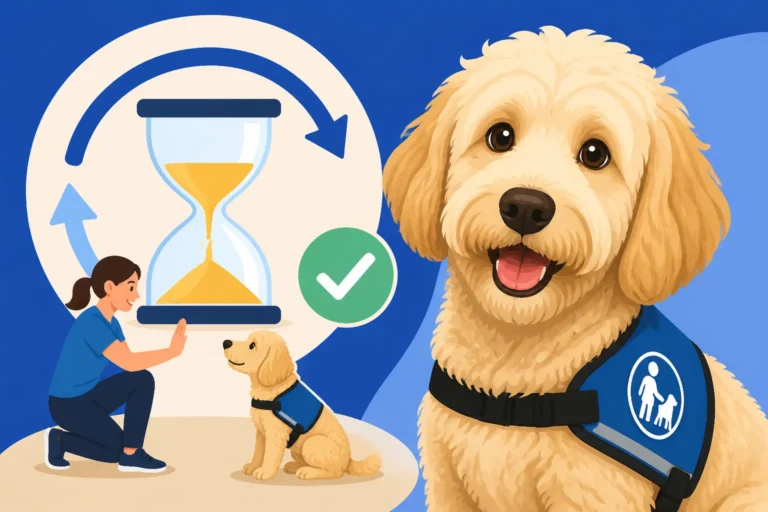
The Ten Month Old Labradoodle That Forgets Everything
It's incredibly frustrating, isn't it? One minute you have a beautifully trained Labradoodle puppy, acing all their commands, walking politely on a leash, and minding their manners, and the next, they've seemingly forgotten every single thing you've taught them. If your ten-month-old Labradoodle suddenly seems to have "selective hearing" or acts like they've never encountered a leash before, you're not alone. This guide will walk you through why this adolescent regression happens and, more importantly, how to navigate this challenging but temporary phase with grace and consistency.
The Adolescent Brain Drain: Understanding Your Labradoodle's "Amnesia"
Just like human teenagers, adolescent dogs go through a period of immense change, both physically and neurologically. What feels like a deliberate act of defiance from your Labradoodle is actually often a symptom of their developing brain and surging hormones. It’s a time when everything they thought they knew gets thrown into disarray, and their perception of the world—and their place in it—shifts dramatically.
What's Happening in Their Head?
Around six to ten months of age, Labradoodles, like many breeds, enter adolescence. This isn't just about growing bigger; it's a profound developmental stage. Their brains are undergoing a significant "remodeling" process, particularly in the prefrontal cortex, which is responsible for impulse control, decision-making, and understanding consequences. Think of it like a renovation project where some connections are temporarily disrupted or reorganized. What was once hardwired in puppyhood might suddenly feel fuzzy as new neural pathways are being formed.
On top of this neurological shake-up, a surge of hormones — testosterone in males and estrogen in females — is flooding their systems. These hormones are powerful drivers, increasing their desire for independence, exploration, and often, testing boundaries. They might suddenly be much more interested in the exciting smells and sounds of the outside world than in your voice or the treat in your hand. This is a natural, biological imperative for a maturing dog, pushing them to become more self-reliant, even if it makes them seem incredibly stubborn or forgetful to us.
Why This Age is So Challenging
This stage is often referred to as the "teenage rebellion" for good reason. Your Labradoodle is no longer a clumsy, eager-to-please puppy, but they're not quite a settled adult either. They're caught in a limbo where they possess a puppy's boundless energy and curiosity but with an adult-sized body and burgeoning confidence. This combination can be incredibly challenging for owners. The sweet, compliant puppy you brought home has been replaced by a dog who seems determined to push every single one of your buttons.
They're trying to figure out where they stand in the world, and that often involves testing the limits you've set. Commands they once knew perfectly, like "sit" or "stay," might now be met with a blank stare or a delayed, reluctant response. They're not doing this out of spite, but rather out of a genuine struggle with impulse control and an increased desire for self-determination. It's a phase that requires immense patience, understanding, and a willingness to go back to basics, even when it feels like you're starting from scratch. Remember, it’s not a reflection of your past training efforts, but a normal, if exasperating, part of canine development. The Age a Labradoodle Hits Adolescence is a crucial time for continued guidance.
Common Training Regressions You Might See
It's truly astonishing how quickly a once well-behaved Labradoodle can transform into a whirlwind of forgotten manners during adolescence. What might have been minor quirks in puppyhood can become full-blown challenges as their confidence grows and their brain selectively "forgets" your rules. Identifying these common regressions can help you understand what you're up against and approach it with a clear strategy.
The Sudden Deafness and Failed Recalls
Perhaps one of the most disheartening regressions is the "sudden deafness." You call your Labradoodle's name, and they might twitch an ear, glance your way for a split second, and then return to whatever captivating scent or distant squirrel has caught their attention. Your reliable recall, once a source of pride, can vanish into thin air. This isn't because they don't know the command; it's because the perceived reward of whatever distraction they're focused on vastly outweighs the reward of coming back to you.
The world outside your backyard or living room is a sensory overload for an adolescent Labradoodle. Their natural hunting and exploring instincts, inherited from their Labrador and Poodle parents, are kicking into high gear. A rustling bush, a passing jogger, or the scent of a rabbit can be far more enticing than anything you're offering. This is where many owners feel a real sense of betrayal, especially if they've put a lot of effort into recall training. It's vital during this period to manage their environment, perhaps using a long line for outdoor excursions, and reinforce recall in increasingly distracting settings. A Labradoodle That Ignores a Recall It Knew is a common complaint, but it's manageable.
Leash Pulling and Jumping All Over Again
Remember those early days when your puppy learned to walk nicely on a leash? Or when you painstakingly taught them to greet people with "four on the floor"? Well, during adolescence, those lessons can feel like ancient history. Your Labradoodle, now much stronger and more energetic, might suddenly revert to pulling you down the street as if they're a sled dog on a mission. Their increased strength combined with a burning desire to explore means they often forget any polite leash manners they once had.
Similarly, jumping on guests, family members, or even you, can make a sudden comeback. What was cute as a ten-pound puppy is much less charming when it's a sixty-pound bundle of fur launching itself at visitors. They're excited, they want attention, and their impulse control is, frankly, not fully developed. This can be embarrassing and even dangerous, especially if you have small children or elderly visitors. It requires a firm return to training basics, perhaps even using specific tools like a front-clip harness to help manage the pulling. A Labradoodle That Jumps on Every Visitor highlights a specific problem that often resurfaces.
House Manners and Impulse Control Issues
Beyond outdoor adventures, you might notice a regression in basic house manners. Counter surfing, once a rare occurrence, might become a regular sport. That delicious-smelling pizza left on the kitchen counter? Fair game for an opportunistic adolescent nose. They might also start exploring forbidden items with their mouth again, turning your favorite shoes or the remote control into a new chew toy, despite having been perfectly house-trained for months.
This surge in mischievous behavior is often a direct result of their developing independence and testing boundaries. They're pushing the limits, seeing what they can get away with, and their ability to stop themselves is still a work in progress. What might seem like deliberate naughtiness is often a combination of heightened curiosity, lower impulse control, and an abundance of energy. It's a prime time for installing baby gates, securing trash cans, and ensuring that tempting items are well out of reach. A Labradoodle That Counter Surfs perfectly describes this frustrating habit.
Re-Engaging Their Brain: Strategies for Success
When your Labradoodle seems to have swapped their memory for a boundless supply of zoomies and mischief, it's easy to feel defeated. But this is not the time to give up! Instead, it's a crucial period to double down on your training efforts, albeit with a fresh, more engaging approach. The key is to make learning irresistible again, tapping into their adolescent drive rather than fighting against it.
Go Back to Basics: The "Puppy Class" Reboot
Think of this phase as a mandatory "reboot" for your Labradoodle's training. It's not a failure on your part, but a recognition that their brain needs some refreshers. Start by simplifying commands back to their most basic form. For instance, if "sit" is suddenly a struggle, go back to luring them into position with a treat right at their nose, rewarding instantly when their rear touches the ground. Keep these sessions super short – literally 2-5 minutes at a time – and end on a high note, even if it's just after a couple of successful "sits."
Vary the environment for these mini-sessions. Start in a quiet room with no distractions, then move to a slightly busier part of the house, then the backyard, and eventually a park. Each time you change the location, it's like teaching the command all over again, reinforcing its meaning in different contexts. This foundational work will help solidify the neural pathways that might have become a bit shaky during their adolescent growth spurt. It's about rebuilding their understanding and your trust, one tiny, successful step at a time. What a Labradoodle Should Know by Six Months can serve as a benchmark for what you might need to revisit.
Keeping Training Sessions Fun and Engaging
Adolescent Labradoodles have incredible energy and intelligence, but they also have short attention spans for anything they deem boring. Repetitive, monotonous drills are a recipe for disengagement. Instead, inject fun and novelty into every training session. Turn commands into games! For example, instead of just asking for a "stay," try playing "hide and seek" where they have to stay while you hide, then get a huge reward when they find you.
Incorporate training into daily activities. Ask for a "sit" before opening the door for a walk, a "down" before they get their meal, or a "wait" before they chase a ball. This makes training less of a chore and more of a seamless part of their exciting day. Online resources like BAXTER & Bella offer excellent courses and support that can provide fresh ideas and keep things engaging. Their structured programs are designed to make training enjoyable for both dog and owner, helping you navigate these challenging periods with a sense of purpose and fun. Varying the location, the rewards, and the way you ask for commands will keep your Labradoodle on their toes and prevent them from getting bored of repetition. Whether a Labradoodle Gets Bored of Repetition is a real concern.
High-Value Rewards are Your Best Friend
During adolescence, the everyday kibble or a pat on the head might simply not cut it as a motivator when faced with the irresistible pull of the outside world. This is where high-value rewards become absolutely essential. Think small, soft, incredibly delicious treats that your Labradoodle rarely gets. Cooked chicken, tiny pieces of cheese, hot dogs, or specially made dog training treats can work wonders. The smellier and tastier, the better!
The type of reward should also match the difficulty of the task and the level of distraction. For a simple "sit" in a quiet room, a medium-value treat might be fine. But for a rock-solid recall at the park with other dogs playing nearby, you'll need the absolute best, most irresistible treat you have. You can find a fantastic selection of treat pouches and high-value training treats on platforms like Amazon that make it easy to keep your rewards handy and your dog motivated. Don't be afraid to experiment to find out what truly makes your Labradoodle's eyes light up. Sometimes, a favorite squeaky toy or a quick game of tug can be an even higher value reward than food.
Managing Expectations and Your Own Frustration
It’s easy to feel personally offended when your dog, who you’ve poured so much time and love into training, suddenly acts like a wild child. The frustration can bubble up, leading to impatience, anger, or even despair. However, understanding that this phase is normal and temporary is key to maintaining your sanity and preserving your bond with your Labradoodle.
It's Not Personal: Understanding Canine Adolescence
Let's be clear: your Labradoodle isn't trying to spite you. They're not deliberately trying to be "bad." They are simply going through a perfectly normal, albeit challenging, developmental stage. Their brain is literally re-wiring itself, making impulse control and executive functions incredibly difficult. Their hormonal surges drive them to explore, be more independent, and test boundaries, much like human teenagers.
When they ignore your recall for a squirrel, it's not a personal affront; it's a momentary lapse in judgment because the squirrel's novelty is overwhelming their still-developing ability to choose your command over instant gratification. Remind yourself constantly that this is a phase, and it will pass. Maintaining a sense of humor and empathy will go a long way in navigating these turbulent waters without damaging the loving relationship you've built. How Long Labradoodle Adolescence Lasts is often longer than owners expect, reinforcing the need for patience.
Consistency is Key, Even When it Feels Hopeless
During adolescence, consistency isn't just important; it's paramount. Every member of the household needs to be on the same page regarding rules, commands, and expectations. If one person allows counter-surfing and another reprimands it, your Labradoodle will get mixed signals and continue to test the limits. Create a simple list of house rules and stick to them.
It's easy to get discouraged when you feel like you're repeating yourself endlessly, or when your Labradoodle seems to forget something immediately after you've just trained it. But remember, every consistent interaction, every gentle correction, and every successful reward contributes to solidifying the desired behaviors. Even when it feels like nothing is sinking in, you are laying down critical groundwork for their future adult behavior. Think of it as continuously filling a leaky bucket – you might need to keep adding water, but eventually, the leaks will seal up. Whether a Labradoodle Stops Listening at Ten Months is a common feeling, but your consistency is what gets you through.
Seeking Professional Guidance
While adolescence is normal, some behaviors can become genuinely overwhelming or problematic. If you find yourself struggling to make progress, feeling constantly frustrated, or noticing that your Labradoodle is developing concerning behaviors like increased reactivity, aggression, or severe anxiety, don't hesitate to seek professional help. A certified professional dog trainer or a veterinary behaviorist can provide invaluable support.
They can assess your Labradoodle's individual temperament and your household dynamics, offering tailored strategies and techniques. Sometimes, an outside perspective and expert guidance are exactly what you need to break through a training plateau. They can teach you new ways to communicate, manage the environment, and motivate your dog. Investing in professional help now can prevent small issues from snowballing into larger, more ingrained problems down the line. Whether a Labradoodle Needs a Trainer or a Class can help you decide when and how to engage professional help.
Exercise and Enrichment: Channeling Adolescent Energy
A tired Labradoodle is usually a well-behaved Labradoodle. During adolescence, their energy levels can seem limitless, and if that energy isn't channeled constructively, it will inevitably find its own (often destructive) outlets. Providing ample, appropriate exercise and mental stimulation isn't just good for their physical health; it's absolutely critical for managing their adolescent exuberance and ensuring they're receptive to training.
The Right Amount and Type of Exercise
An adolescent Labradoodle needs more than just a quick walk around the block. They need opportunities to run, explore, and burn off that incredible energy. For a standard Labradoodle, this could mean an hour or more of vigorous activity daily, sometimes split into multiple sessions. However, it's not just about duration; it's about the type of exercise. Repetitive, solitary running on a treadmill might burn calories, but it doesn't engage their complex minds.
Think about activities that incorporate both physical and mental effort: long hikes on varied terrain, off-leash play (in secure areas!) with other well-socialized dogs, games of fetch, or even swimming if your Labradoodle enjoys water. Varying their exercise routine keeps things exciting and prevents boredom. Remember to always consider their joint health, especially for large breeds, and avoid excessive high-impact activities on hard surfaces, particularly if they are still growing. The Exercise a Labradoodle Needs Before It Behaves is a crucial factor in managing behavior.
Mental Stimulation Beyond Physical Activity
While physical exercise is vital, it's often mental enrichment that truly tires out a busy adolescent brain. A Labradoodle is an intelligent crossbreed, and their minds crave a challenge. Simply walking them can satisfy some physical needs, but if their brains aren't engaged, they'll invent their own "jobs" – and those jobs often involve chewing your furniture, barking excessively, or getting into mischief.
Incorporate puzzle toys, snuffle mats, and scent work into their daily routine. Hide treats around the house and encourage them to "find it." Teach them new tricks, even silly ones, just to get their brains working. Ten minutes of focused mental work can be as tiring as thirty minutes of physical exercise. Rotate their toys to keep them novel, and consider interactive feeders that make them work for their meals instead of just gobbling them down. You can find a huge variety of these engaging toys and tools on Amazon, perfect for keeping a clever Labradoodle occupied when you can't actively supervise them.
Structured Playtime and Socialization
Social interaction is incredibly important for Labradoodles, but adolescent dogs need structured playtime to ensure they're learning appropriate social skills. Unsupervised roughhousing at the dog park with unknown dogs can quickly lead to bad habits or even fearful experiences. Instead, seek out playdates with dogs you know are well-socialized and have appropriate play styles.
Consider enrolling in advanced obedience classes or dog sports like agility, scent work, or rally obedience. These activities provide a fantastic outlet for their energy, build confidence, and strengthen the bond between you. They also teach your Labradoodle to focus on you amidst distractions, which is a life skill that will serve you both well beyond adolescence. Proper socialization during this phase is about teaching them how to interact politely and confidently with the world, not just letting them run wild. A Labradoodle That Is Pushy With Strange Dogs illustrates why careful socialization is so important.
Building a Stronger Bond Through Adolescence
Adolescence can feel like a test of your patience, but it's also a profound opportunity to deepen your relationship with your Labradoodle. Navigating this challenging period together, with understanding and consistent effort, will forge an unbreakable bond built on trust, clear communication, and mutual respect.
Positive Reinforcement: The Foundation of Trust
During the "teenage years," it's more important than ever to stick to positive reinforcement methods. While it's tempting to resort to harsh corrections when your Labradoodle is acting out, punishment can erode trust and create fear, making them less likely to engage with you. Instead, focus on rewarding the behaviors you want to see, even if they're small. Catch them doing something right – even if it's just pausing before jumping, or glancing at you before running off – and lavish them with praise and high-value treats.
This approach teaches your Labradoodle what to do, rather than simply what not to do. It builds their confidence and encourages them to make good choices because they associate those choices with positive outcomes from you. Remember, a dog who feels safe and understood is more likely to listen and learn, even when their hormones are raging. Positive reinforcement creates a joyful learning environment, making you the most exciting thing in their world.
Quality Time and Connection
Beyond formal training sessions, simply spending quality, intentional time with your Labradoodle is crucial for maintaining your bond. This doesn't always have to be about rigorous exercise or demanding training. Sometimes it's just about quiet connection. Snuggling on the couch while you read, giving them a long, gentle massage, or even just sitting together in the yard while they chew on a favorite toy builds emotional intimacy.
These moments reinforce that you are their safe haven, their companion, and the center of their world. When they feel truly connected to you, they're more likely to listen and cooperate, even when distractions call. A simple, predictable routine, with plenty of opportunities for affection and relaxed companionship, can provide a sense of security during a time when their internal world feels a bit chaotic. Whether a Labradoodle Follows You Room to Room can be a sign of their desire for connection.
Setting Clear Boundaries and Rules
While empathy and positive reinforcement are vital, so is establishing clear, consistent boundaries. Adolescent Labradoodles are testing limits, and if those limits aren't clearly defined and consistently enforced, they will push further. Decide what rules are non-negotiable in your household – no jumping on the furniture, no begging at the table, polite greetings at the door – and ensure everyone in the family reinforces them.
This isn't about being mean; it's about providing structure and predictability, which dogs thrive on. Use management strategies (crates, baby gates, leashes indoors) to prevent your Labradoodle from practicing undesirable behaviors when you can't actively supervise them. A well-defined structure provides security and helps your Labradoodle understand their place in the family. It teaches them self-control and respect, which are foundational for a well-adjusted adult dog.
Adolescent Labradoodle Challenges and Strategies
Here's a quick overview of common adolescent Labradoodle challenges and effective strategies to help you navigate this phase:
| Challenge | Description | Recommended Strategy |
|---|---|---|
| "Sudden Deafness" / Recall | Your dog ignores commands, especially recall, in distracting environments. | Go back to basics in low-distraction areas. Use high-value treats. Practice on a long line. Make coming to you the most exciting thing ever. |
| Leash Pulling | Strong pulling, forgetting polite leash manners. | Use a front-clip harness or head halter for better control. Practice loose-leash walking in quiet areas. Reward heavily for walking nicely. |
| Jumping on People | Excitable jumping on guests or family members. | Teach "four on the floor." Consistently turn away or step back when they jump. Reward calm greetings. Keep greetings controlled. |
| Counter Surfing / Chewing | Stealing food from counters, chewing forbidden items. | Management is key: keep counters clear, secure trash. Provide appropriate chew toys and mental stimulation. Supervise or crate when you can't. |
| Reduced Impulse Control | Difficulty waiting, high excitability, poor decision-making. | Practice "stay," "leave it," and "wait" daily. Incorporate impulse control games. Increase mental enrichment with puzzle toys and scent work. |
| Boundless Energy | Seems to have endless energy, gets into trouble when bored. | Ensure sufficient physical exercise (long walks, runs, fetch). Provide ample mental stimulation daily. Consider dog sports or advanced training. |
| General Stubbornness | Appears to deliberately ignore commands or test limits. | Maintain extreme consistency with rules and commands. Keep training sessions short, fun, and highly rewarding. Be patient and empathetic; it's a phase! |
Disclaimer
This article is for general informational purposes only and does not constitute professional advice. Laws, prices and regulations vary by location and change over time. Consult a qualified professional for guidance on your specific situation.