What Chipping, Licensing and the Operation Cost
Bringing a new Labradoodle puppy home is an incredibly exciting time, full of joy and anticipation! But let's be honest, beyond the initial purchase price, the list of immediate "must-dos" can feel a little overwhelming. You're not alone if you've wondered about those crucial early expenses that keep your new furry family member safe and compliant with local rules. This guide is here to walk you through the often-unseen but vital costs associated with microchipping, licensing, and the big one: the spay or neuter operation for your beloved Labradoodle.
Microchipping Your Labradoodle: A Lifeline, Not Just a Chip
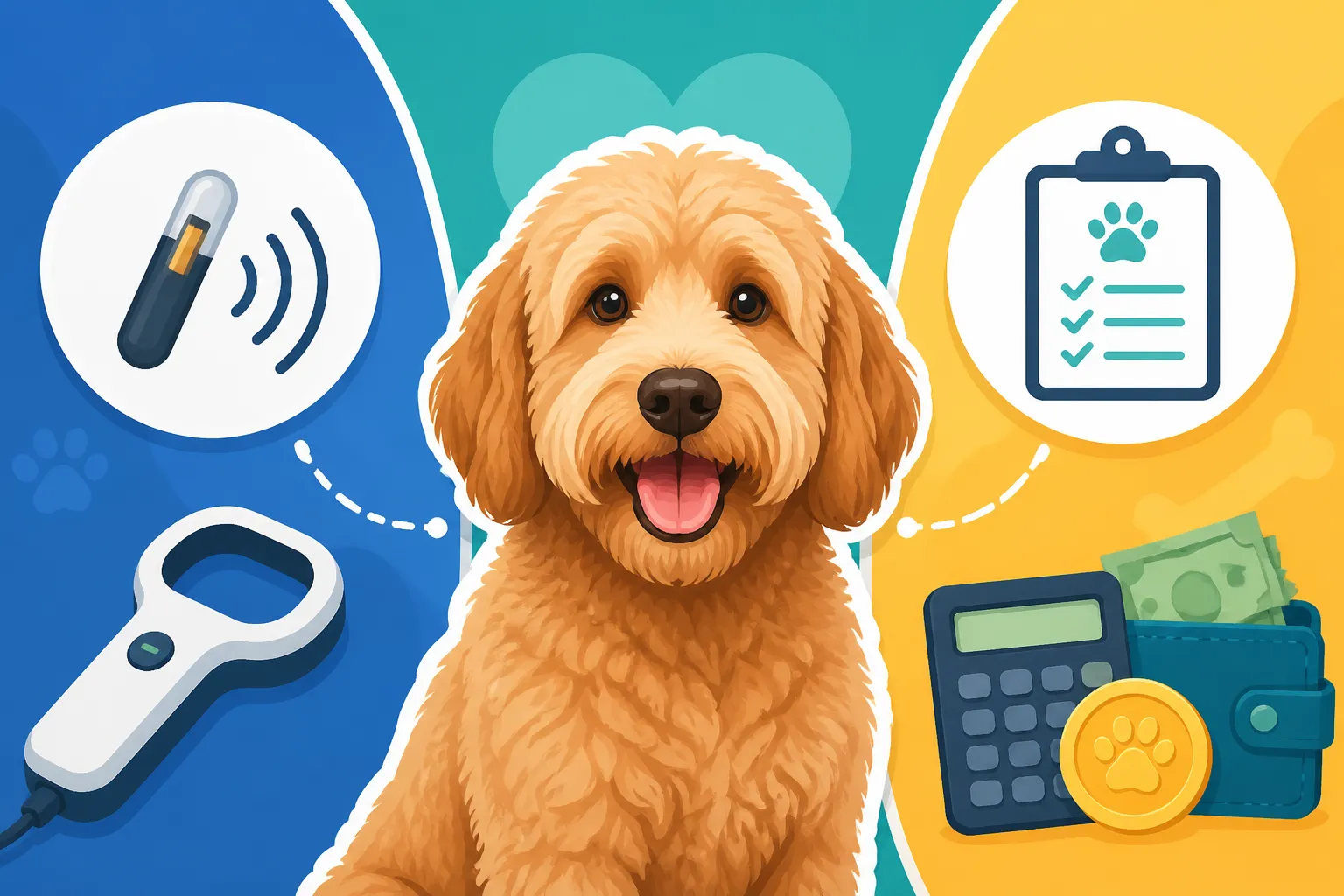
When you first welcome your Labradoodle, among the flurry of new toys and puppy kisses, comes the serious business of ensuring their safety. One of the best ways to do this is through microchipping. It's a small, practically invisible step that can make all the difference if your curious Labradoodle ever wanders off or gets lost. Many new owners mistakenly think the chip itself is the only cost, but there's a bit more to understand.
The Cost of the Chip Itself
The actual microchip is a tiny device, no larger than a grain of rice, implanted just under your dog's skin, typically between the shoulder blades. The cost of the chip itself is usually bundled into the service fee for implantation. This fee can vary quite a bit depending on where you get it done. A full-service veterinary clinic might charge more because it includes an examination and possibly other services, while a dedicated low-cost vaccine clinic or an animal shelter often offers microchipping at a significantly reduced rate.
It's a one-time procedure, usually quick and no more painful than a regular vaccination injection. Many breeders will even have puppies microchipped before they go to their new homes, so be sure to check with yours. If your Labradoodle is already chipped, the next crucial step is ensuring it's registered in your name. Without current contact information tied to the chip, it's virtually useless if your dog goes missing.
Registration Fees and Database Management
Having a microchip implanted is only half the battle; that chip needs to be registered with a national pet recovery database. This is where your contact information – your name, address, phone numbers, and emergency contacts – is linked to the unique ID number on your Labradoodle's chip. Without this step, if your dog is found, the scanner will only show an ID number, with no way to trace it back to you.
Many microchip companies offer a one-time lifetime registration fee, which is often the most straightforward option. Others might have annual renewal fees. It's really important to keep this information up-to-date. Think about it: if you move or change your phone number, and you don't update your microchip registration, how will anyone reach you if your Labradoodle is found miles from home? I've heard too many heartbreaking stories where a pet was found, chipped, but the owners couldn't be traced because their details were outdated. Setting a yearly reminder on your phone or calendar to review your pet's microchip registration is a great habit to adopt, especially as you also think about The Yearly Screening a Labradoodle Should Get.
Navigating Local Licensing Requirements for Your Labradoodle
Just like people need driver's licenses to operate a car, many municipalities require dog owners to obtain a license for their furry companions. This isn't just about bureaucracy; it's a critical part of responsible pet ownership and community safety, and it's something you'll need to factor into your initial Labradoodle budget.
Why Dog Licensing is a Must
Licensing your Labradoodle isn't just a suggestion; it's a legal requirement in most cities and counties across the country. The purpose behind these laws is multi-faceted. First and foremost, a license helps local animal control services identify and return lost pets to their rightful owners. If your Labradoodle, with its adventurous spirit, manages to slip out of the yard, that tag on their collar can be the quickest way home. Many licenses include a unique ID number that can be traced back to you directly through the local animal control office.
Beyond reunification, license fees also play a vital role in funding local animal shelters, spay/neuter programs, and animal welfare initiatives within your community. It's a way for pet owners to contribute to the well-being of all animals in their area. Plus, let's be honest, avoiding a hefty fine for an unlicensed pet is always a good motivator!
Understanding Licensing Fees and Renewals
The cost of a dog license can vary widely from one jurisdiction to another, sometimes even within different zip codes in the same state. Typically, you'll find that fees are lower for dogs who have been spayed or neutered. This is a deliberate incentive by local governments to encourage responsible pet population control. Many places also offer reduced fees for senior citizens who own pets, or for service animals.
Licenses are usually issued on an annual basis, meaning you'll need to renew it each year. Missing the renewal deadline often incurs a late fee, so it's wise to mark your calendar once you receive your first license. The good news is that once you've gone through the initial process, renewals are usually much simpler, often available online or by mail. Keep in mind that these fees are generally separate from any microchip registration fees. They are two distinct, though equally important, administrative tasks for your Labradoodle.
The Paperwork and Proof You'll Need
When you go to license your Labradoodle, you'll need to bring a few important documents. The absolute essential is proof of current rabies vaccination. This is a universal requirement because rabies is a serious public health concern, and licensing helps ensure that vaccinated animals are accounted for. Without a valid rabies certificate from a licensed veterinarian, you likely won't be able to get a license.
Additionally, if you want to take advantage of the lower spay/neuter rates (which, trust me, you do!), you'll need to provide proof that your Labradoodle has been altered. This is typically a certificate from your veterinarian stating that the procedure has been performed. This is another reason why it's so helpful to keep all your Labradoodle's veterinary records organized. Knowing What an ALAA Labradoodle Breeder Must Prove might give you an idea of the types of health records you should expect when bringing your puppy home, many of which will be important for licensing and other needs.
The Spay/Neuter Operation: A Significant but Essential Investment
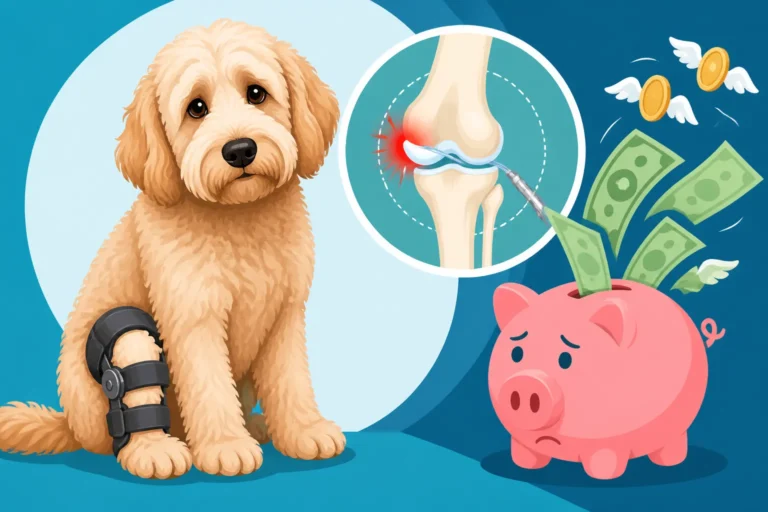
Deciding whether and when to spay or neuter your Labradoodle is one of the most significant decisions you'll make in their first year. While it's one of the more substantial upfront costs of pet ownership, it's an investment that pays dividends in your dog's long-term health, behavior, and the prevention of countless unwanted puppies.
Factors Influencing Spay/Neuter Costs for a Labradoodle
The cost of a spay (for females) or neuter (for males) operation for your Labradoodle can vary considerably. It's not a fixed price, and several factors come into play. Firstly, your geographical location can have a big impact; veterinary services often cost more in urban areas compared to rural ones, simply due to overheads.
Secondly, the type of veterinary clinic makes a difference. A private, full-service veterinary hospital will generally charge more than a low-cost spay/neuter clinic or an animal welfare organization that offers subsidized services. While the latter can be a fantastic, affordable option, always inquire about what exactly is included in their package to ensure you're comfortable with the level of care provided.
Lastly, your Labradoodle's size and age play a role. Larger dogs require more anesthesia, and the surgery itself might be more complex, especially for females. Older dogs, or those with underlying health conditions, may require more extensive pre-surgical testing and monitoring, which adds to the overall cost. For example, a standard Labradoodle will likely incur higher costs than a miniature one due to their weight. Thinking about Whether Neutering Timing Changes a Labradoodle's Lifespan might also inform your decision on when to schedule the procedure, which can sometimes influence costs based on age brackets at certain clinics.
What the Procedure Typically Includes
While the headline price for spay/neuter might seem like just "the surgery," a comprehensive and safe procedure involves much more. It's not just a quick snip and done! Typically, a quality spay or neuter package should include:
- Pre-surgical blood work: This is crucial to ensure your Labradoodle is healthy enough for anesthesia and to detect any hidden issues with organs like kidneys or liver. It helps the vet tailor the anesthesia protocol specifically for your dog.
- Anesthesia and monitoring: Your dog will be put under general anesthesia, and during the procedure, their vital signs (heart rate, breathing, oxygen levels, temperature) should be monitored by trained staff.
- The surgical procedure itself: This is where the actual removal of the ovaries and uterus (spay) or testicles (neuter) happens.
- Pain medication: Post-operative pain management is essential for your Labradoodle's comfort and recovery. This usually includes injectable pain medication administered at the clinic and oral medication to send home.
- An Elizabethan collar (E-collar or "cone"): This prevents your Labradoodle from licking or chewing at their incision site, which can lead to infection and complications.
- Post-operative check-ups: Often, a follow-up appointment a few days later is included to ensure the incision is healing well and to remove sutures if non-dissolvable ones were used.
It's vital to discuss all these inclusions with your veterinarian beforehand so you know exactly what you're paying for and what level of care your Labradoodle will receive.
Weighing the Benefits Against the Price Tag
While the cost of a spay or neuter can feel significant, it’s truly an investment in your Labradoodle's future well-being and a responsible decision for the broader pet community. The benefits far outweigh the initial expense.
For female Labradoodles, spaying eliminates the risk of uterine infections (pyometra), which is a life-threatening condition requiring emergency surgery, and significantly reduces the risk of mammary cancer, especially if done before their first heat cycle. For male Labradoodles, neutering prevents testicular cancer and can reduce the incidence of prostate problems later in life. It also often curbs undesirable behaviors like roaming, marking territory, and aggression, making for a calmer, more pleasant companion. Imagine the stress and potential costs of a lost Labradoodle that has roamed miles looking for a mate!
From a community standpoint, spaying and neutering drastically reduce the number of unwanted litters, easing the burden on already overcrowded animal shelters. It's a crucial step in combating pet overpopulation. In the long run, investing in this procedure upfront can save you considerable money by preventing costly emergency veterinary care for reproductive illnesses or unexpected puppies. Many pet insurance providers, such as Healthy Paws, offer plans that help with unexpected illnesses or accidents, but prevention through spay/neuter can reduce some of those risks entirely.
Financial Assistance and Planning for the Operation
If the cost of a spay or neuter feels daunting, please know that you have options. Many animal welfare organizations and local shelters run low-cost spay/neuter clinics specifically designed to make these essential surgeries affordable. These clinics maintain high standards of care while operating on a non-profit model. It's always worth researching what's available in your area.
Additionally, some veterinary clinics offer payment plans, or you might consider applying for veterinary credit options like CareCredit. It's also a good idea to start saving a little money each month specifically for your Labradoodle's healthcare needs. Think of it as a small, regular contribution to a "health savings account" for your dog.
If you have pet insurance, sometimes aspects of preventative care like spay/neuter might be included in wellness plans, or at least complications post-surgery would be covered. Review your policy carefully or discuss with the insurer. Reputable breeders often include a spay/neuter clause in their contract, sometimes even offering a rebate or requiring proof of the procedure by a certain age. They understand the importance of this step for the breed's health and population control, as discussed when considering Whether a Labradoodle Breeder's Contract Is Enforceable. When your Labradoodle is recovering, having easy access to their regular food, perhaps from a convenient service like Chewy, or even specialized fresh food from Ollie if your vet recommends it, can make their recovery smoother and less stressful for you.
Long-Term Financial Planning Beyond the Initial Costs
While microchipping, licensing, and spay/neuter are significant initial costs, responsible Labradoodle ownership is a marathon, not a sprint. These foundational expenses are just the beginning of a lifetime of care, and it's wise to think ahead.
Unexpected Vet Bills and the Value of Pet Insurance
Even the healthiest Labradoodle, bred from Whether Health Tested Parents Add Years to a Labradoodle, can face unexpected accidents or illnesses. A sudden limp, a mysterious skin rash, or an urgent trip to the emergency vet can quickly lead to bills that climb into the hundreds or even thousands of dollars. This is where pet insurance truly shines. Companies like Healthy Paws can provide a financial safety net, helping to cover a significant portion of these unforeseen veterinary expenses.
The peace of mind knowing you can make medical decisions based on what's best for your Labradoodle, rather than your bank account, is invaluable. It’s definitely worth looking into different policies and understanding what they cover, especially before any pre-existing conditions are on record. Insuring a Labradoodle Before Anything Is On Record is often the smartest move, as coverage for conditions diagnosed prior to enrollment is typically excluded.
Ongoing Care and Supply Costs
Beyond the initial setup, a Labradoodle has recurring needs that contribute to the overall cost of ownership. Their diet, for example, is a continuous expense. Providing high-quality food, whether it's a premium kibble from Chewy or a fresh food subscription like Ollie, is crucial for their health and longevity. Your Labradoodle's appetite and nutritional needs will evolve as they grow; knowing How Much a Labradoodle Puppy Should Eat Daily is just the start.
Grooming is another significant factor for Labradoodles, especially with their unique coats. Regular professional grooming or investing in the right tools and learning to do it yourself is essential to prevent painful matting. Even tasks like How Often a Labradoodle's Nails Need Cutting require consistent attention. Then there are toys, treats, annual veterinary check-ups, vaccinations, parasite prevention, and potentially training classes. It all adds up! Understanding the full spectrum of expenses, from the cost of their initial shots to What the First Year With a Labradoodle Costs, helps you budget effectively and provide the best life for your furry friend.
Here's a quick overview of potential costs and what influences them:
| Item | Typical Cost Range (Description) | Influencing Factors | Key Benefits |
|---|---|---|---|
| Microchipping | Affordable one-time fee, plus optional registration | Clinic type (vet vs. low-cost), registration plan (one-time vs. annual) | Pet reunification if lost, peace of mind |
| Dog Licensing | Annual fee, often reduced for altered pets | Location (city/county), spay/neuter status, senior owner discount | Legal compliance, aids lost pet recovery, funds animal services |
| Spay/Neuter | Significant upfront cost, varies widely | Location, clinic type, dog's size/age, pre-surgical inclusions | Prevents unwanted litters, reduces health risks (cancers, infections), improves behavior |
Responsible pet ownership is a journey, and these initial administrative and medical steps are fundamental parts of that journey. They ensure your Labradoodle is not only a cherished member of your family but also a safe, healthy, and legally recognized part of your community. While the costs might seem daunting at first glance, they are investments that foster a lifetime of joy and companionship with your wonderful Labradoodle.
Disclaimer
This article is for general informational purposes only and does not constitute professional advice. Laws, prices and regulations vary by location and change over time. Consult a qualified professional for guidance on your specific situation.