What a Washed Out Service Labradoodle Is Placed For
It can be heartbreaking to hear that a Labradoodle, bred and trained with so much promise to become a service dog, didn't quite make the cut. These "washed out" or "career change" dogs aren't failures; they simply found that the demanding life of a service animal wasn't their true calling. This guide aims to shed light on where these wonderful Labradoodles go after their service dog dreams diverge, detailing the journey from program hopeful to beloved family pet and what new owners can expect.
Understanding the "Washed Out" Terminology
When a Labradoodle is designated as "washed out" or a "career change" dog from a service dog program, it doesn't mean they're inherently flawed or untrainable. Rather, it signifies that they didn't meet the extremely rigorous and specific criteria required for service work. The path to becoming a service dog is incredibly demanding, and many factors can lead to a dog being redirected to a different life. It's a pragmatic decision made by programs to ensure the safety and efficacy of their working dogs, and it often opens up a beautiful opportunity for families seeking a well-socialized, well-started companion.
Common Reasons a Labradoodle Washes Out
There are a myriad of reasons why a Labradoodle might not complete its service dog training, and they're usually not due to a lack of intelligence or desire on the dog's part. Sometimes, it's something as simple as a minor health issue that would preclude them from a long, active working life. For instance, a subtle limp or a predisposition to allergies might not severely impact a pet dog's life, but it could be a deal-breaker for a service animal needing peak physical condition. What Washes a Labradoodle Out of a Program further explores these criteria.
Other times, it's temperament-related. While Labradoodles are generally known for their friendly and eager-to-please nature, some might be too easily distracted by novel sights or smells, making it hard for them to maintain focus in busy public environments. Imagine a Labradoodle in a crowded grocery store needing to ignore every dropped crumb or passing stranger; some just find that level of suppression too challenging, preferring to engage with the world around them in a more typical dog fashion. This isn't a flaw, it's just a different personality trait.
Then there are specific tasks. A service dog might need to perform a very particular action, like picking up dropped keys, opening doors, or alerting to medical changes. If a Labradoodle struggles consistently with one crucial task, despite extensive training, the program might decide they are better suited to a less structured life. It’s about finding the right fit for both the dog and the human it would serve; sometimes that match just isn't there for the working role.
It's Not a Failure, It's a Career Change
It's really important to reframe the idea of a "washed out" dog. These dogs are not failures; they are simply embarking on a different career path – that of a cherished family member. They've often received a huge amount of socialization, basic obedience training, and exposure to various environments that a typical puppy would never experience. Think about it: they've probably been to airports, stores, and restaurants, learning impeccable manners along the way.
These dogs are often incredibly well-adjusted to human interaction and possess a solid foundation of manners that can take months, if not years, for an average puppy owner to achieve. They are, in essence, pre-loved and pre-trained, ready to bring joy to a family without the immense pressure of their former career. Many adopters find this foundational training to be an incredible benefit, making the transition into a pet home much smoother.
The Rehoming Process for a Program Dog
Service dog organizations take the rehoming of their career change dogs very seriously. They've invested significant time, resources, and emotional energy into these animals, and their primary goal is to find them loving, appropriate forever homes where they can thrive. The process is usually quite structured, ensuring the best possible match for both dog and family.
Applying to Adopt a Program Labradoodle
Most service dog organizations have a formal application process for adopting a career change dog. This isn't like picking up a puppy from a breeder or visiting a local shelter; it's often more thorough. You'll likely need to fill out detailed questionnaires about your living situation, family members (including children and other pets), your lifestyle, and your previous dog experience. They want to know that you understand the commitment involved and that your home environment is stable and suitable.
Sometimes, programs have waiting lists for these highly sought-after dogs, as their excellent manners and socialization make them very appealing. Be prepared for a wait, and understand that the program is looking for the right home, not just the first home. They might ask for references, perform home visits, or conduct multiple interviews to ensure transparency and a good fit. This rigor is a testament to their dedication to the dogs' welfare. Adopting a Career Change Labradoodle From a Program delves into this process in more detail.
What Program Dogs Are Placed For
Career change Labradoodles are typically placed as family pets, companions, or sometimes even as therapy dogs. Their excellent socialization skills and calm demeanor often make them ideal candidates for visiting hospitals, nursing homes, or schools for reading programs. While they might not have the specialized focus for service work, their general good nature and exposure to diverse environments make them fantastic ambassadors for canine comfort.
It's rare for them to be placed into another working role that requires the same intense focus as service work, but a more relaxed "facility dog" role, assisting professionals in specific settings, isn't out of the question if their temperament is perfectly suited. However, for the most part, these dogs are looking for a comfy couch, regular walks, and unconditional love, without the expectation of performing specific tasks under pressure.
Here's a quick overview of typical placements:
| Placement Type | Description | Key Benefits for Adopter | Considerations for Adopter |
|---|---|---|---|
| Family Pet | Lives as a companion animal in a home, enjoying typical pet activities. | Well-socialized, basic obedience trained, house-trained. | May still need consistent routine, exercise, and mental stimulation. |
| Therapy Dog | Visits hospitals, schools, or care facilities with an owner to provide comfort. | Excellent temperament, calm under pressure, loves people. | Requires further certification, continued training, and owner commitment. |
| Active Companion | Joins an active individual or family for hiking, running, or dog sports. | Good physical condition, eager to learn, enjoys activity. | Needs adequate daily exercise, mental challenges to prevent boredom. |
| Companion for Elderly | Provides companionship and gentle interaction for seniors. | Calm, gentle, well-mannered, can be a great emotional support. | Needs an owner capable of meeting their physical needs (walks, vet care). |
What Life Looks Like for a Rescued Program Labradoodle
Bringing a former service dog-in-training into your home is an exciting prospect, but it's important to have realistic expectations. While these dogs come with a fantastic foundation, they are still individuals with unique personalities and needs. Their new life as a pet is a significant adjustment, and they'll rely on you to guide them through it.
Adjusting to a Pet Home
One of the biggest transitions for a career change Labradoodle is moving from a highly structured program environment to a typical family home. They might have lived with various foster families, but their training focused on public access and specific tasks. Now, they'll need to learn the rhythm of your home: where they sleep, when they eat, what the house rules are, and how much personal space they have. This can sometimes feel a bit disorienting for them.
Some dogs adapt seamlessly, while others might show a bit of confusion or anxiety initially. They might not immediately understand that they can relax on the couch or play freely in the yard if they were previously taught strict "off-duty" rules. Be patient, consistent, and give them time to decompress and understand their new role. Establishing a clear routine for feeding, walks, and playtime can help immensely.
These dogs are often used to being the center of attention or having a very clear "job" to do. In a pet home, their "job" is simply to be a dog. This can sometimes lead to an initial period of searching for purpose, but with gentle guidance, they quickly learn to enjoy the simple pleasures of pet life. They may still require a good amount of mental stimulation and physical activity. The Time a Labradoodle Takes Out of a Week is a good read on how much daily engagement Labradoodles generally need.
Potential Behavior Quirks
While generally well-behaved, a former program dog might have some quirks that stem from their training or the reasons they washed out. For example, a dog that washed out due to being easily distracted might still struggle with focus in highly stimulating environments, even as a pet. This means you might need to be extra vigilant on walks if they're prone to lunging at squirrels or greeting every person they see.
Some Labradoodles might be unusually quiet or reserved at first, having been trained to be calm and unobtrusive in public settings. They might not jump or bark like a typical dog and may need encouragement to express their natural canine behaviors in an appropriate way. On the flip side, some might struggle with alone time if they've always been with a trainer or foster handler. These "Velcro dogs" can develop separation anxiety if not managed carefully. The Velcro Labradoodle That Cannot Be Left offers great insight into this common Labradoodle trait.
It's also possible they have specific fears or dislikes that led to their career change, such as being uncomfortable with certain surfaces, loud noises, or specific types of people. Programs are usually transparent about these issues, but it's something new owners should be aware of and prepared to manage with kindness and positive reinforcement. Remember, these aren't "bad" behaviors, but rather expressions of their individual experience.
Preparing Your Home for a Former Service Dog
Bringing any new dog into your home requires preparation, but a career change Labradoodle, with their unique background, benefits from a thoughtful approach. You're not just getting a dog; you're welcoming an animal that has undergone significant training and life experiences, and setting them up for success means understanding their needs.
Essential Supplies and Routine
Before your new Labradoodle arrives, make sure you have all the essentials. This includes a comfortable dog bed, food and water bowls, a sturdy leash and collar or harness, and plenty of appropriate chew toys. Many programs will provide a small amount of the dog's current food to help with the transition, but you'll want to have a plan for their diet. Brands like Chewy or Ollie offer a wide range of high-quality foods, and if your dog has any specific dietary needs, they can usually cater to that. Discuss with the program what they were eating, and whether they have any known sensitivities.
Establish a predictable routine from day one. Dogs thrive on routine, and a former program dog, especially, will appreciate the structure. Consistent feeding times, scheduled walks, and designated potty breaks will help them settle in faster. Know where they will sleep and ensure they have a safe, quiet space of their own. A crate can be a wonderful tool for this, providing a den where they can decompress.
Don't forget mental enrichment! Even if they're no longer performing complex tasks, Labradoodles are intelligent dogs who need their brains exercised. Puzzle toys, training sessions for fun tricks, or even just regular opportunities to explore new smells on walks can make a huge difference in their overall happiness.
Health and Ongoing Care Considerations
While service dog programs often provide excellent veterinary care throughout training, it's crucial for new owners to get a comprehensive vet check-up soon after adoption. Discuss their known health history with the program and share this information with your new veterinarian. Some programs will provide medical records, which is incredibly helpful for continuity of care.
Consider pet insurance right away. Even if your Labradoodle appears perfectly healthy, unexpected illnesses or injuries can be costly. Companies like Healthy Paws offer coverage for accidents and illnesses, which can provide immense peace of mind. Given that Labradoodles can be prone to certain conditions inherited from their parent breeds, like hip dysplasia or certain eye conditions, having a safety net is wise. Whether Health Tested Parents Add Years to a Labradoodle is a valuable resource if you're curious about breed-specific health concerns.
Remember that ongoing grooming is a significant part of Labradoodle care. Their coats, whether fleece or wool, require regular brushing to prevent matting and professional grooming every 6-8 weeks. Factor this into your budget and schedule, as neglected coats can lead to painful skin issues.
Embracing the Journey with a Career Change Labradoodle
Adopting a career change Labradoodle is a truly rewarding experience. You're giving a deserving dog a loving home, and in return, you'll receive a companion who is often exceptionally well-mannered, intelligent, and eager to bond. These dogs have so much to offer, even if their journey took a slightly different path than originally planned.
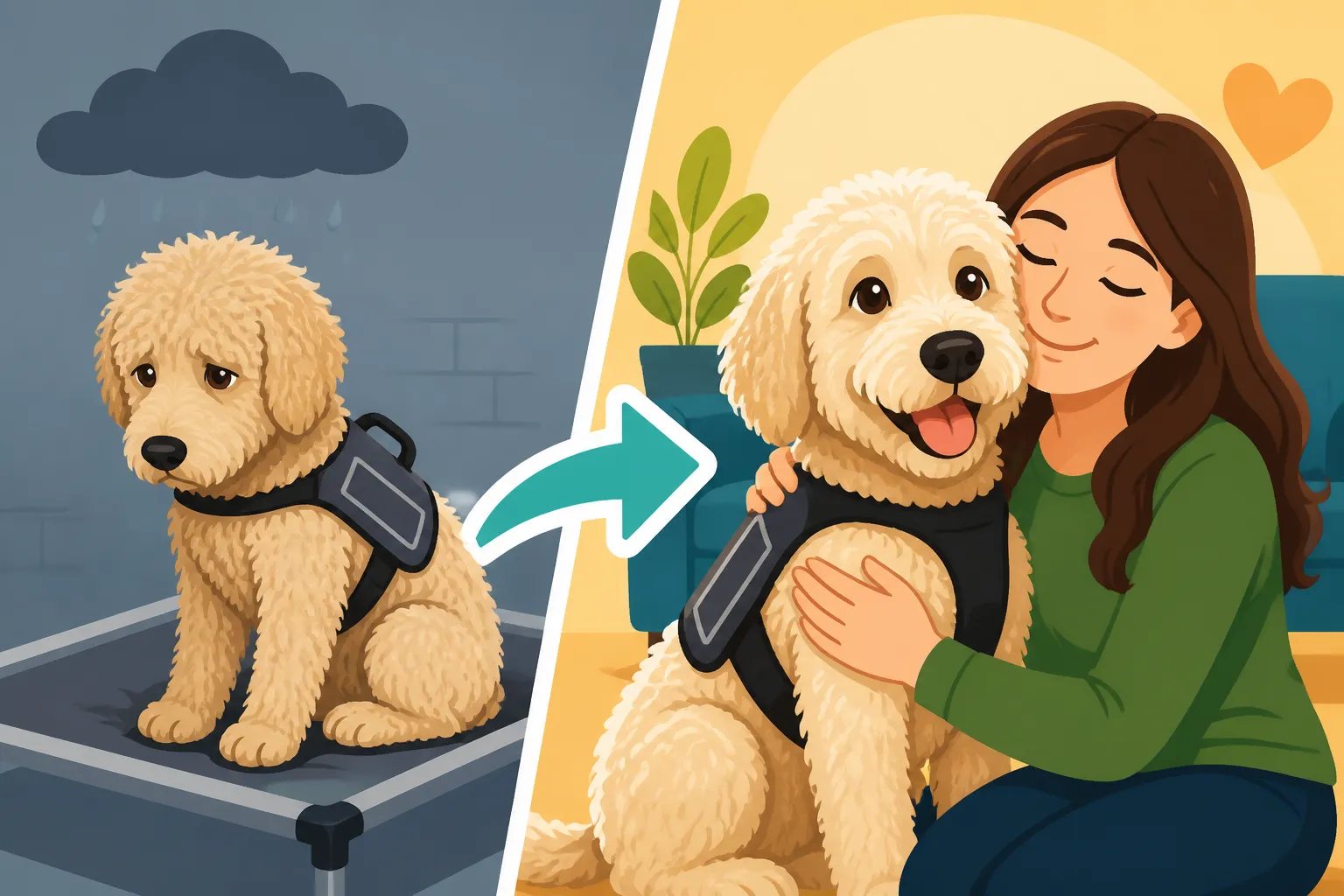
Patience, understanding, and consistent positive reinforcement are your greatest tools as you guide them into their new life. Celebrate their small victories, help them discover the joys of being a pet, and cherish the unique bond you'll form. They might not wear a service vest anymore, but their capacity for love and companionship is boundless. You're not just adopting a dog; you're becoming part of their next, equally important, chapter.
Disclaimer
This article is for general informational purposes only and does not constitute professional advice. Laws, prices and regulations vary by location and change over time. Consult a qualified professional for guidance on your specific situation.