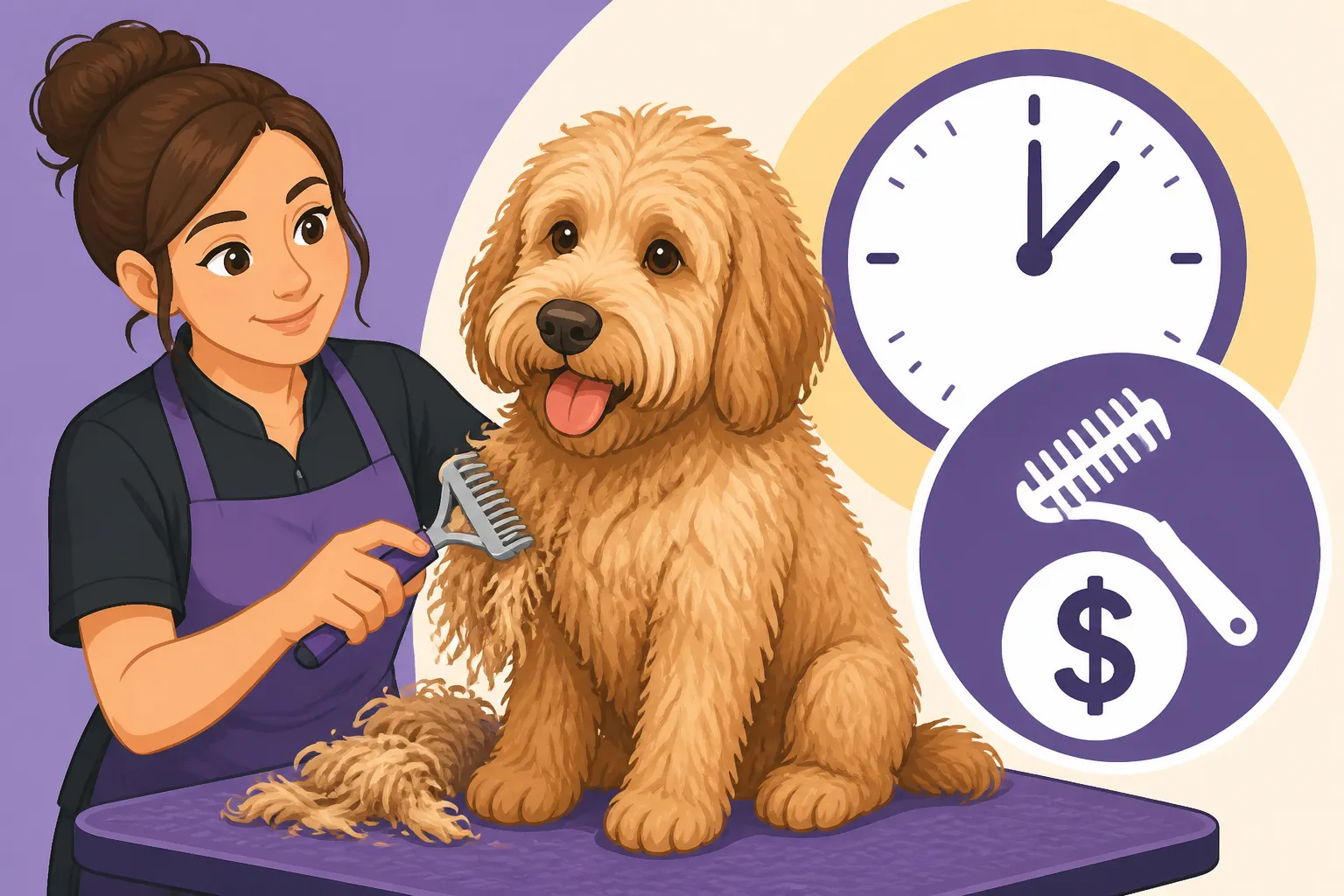
What a Groomer Charges to Dematt a Labradoodle by the Hour
Oh, the dreaded matted Labradoodle! It’s a common scenario that sends shivers down the spine of many a doodle parent, often accompanied by a sinking feeling in the stomach about what the groomer is going to say – and charge. This comprehensive guide is here to shed some light on exactly how groomers typically approach and price dematting services for our beloved Labradoodle companions, helping you understand the costs involved and, more importantly, how to prevent those tangled situations in the first place.
Understanding the Groomer's Hourly Rate for Dematting
It's a common misconception that a groomer just "clips" a matted dog. The reality is far more intricate, demanding both skill and patience, which is why dematting often comes with a specific hourly charge. You're not just paying for a haircut; you're paying for damage control and meticulous restoration (or safe removal).
Why Dematting is Time-Consuming and Skilled Work
Imagine trying to comb through a tangled mess of yarn, but the yarn is attached to a squirming, sensitive creature that needs to be handled gently and safely. That's essentially what dematting a Labradoodle can be like. These gorgeous coats, especially the fleece and wool types often cherished for their low-shedding qualities, are incredibly prone to matting if not maintained diligently. When mats form, they don't just sit on the surface; they tighten and pull at the skin, causing discomfort and even pain for your dog. A groomer's job is to carefully, painstakingly, and gently work these out, often section by section, inch by inch. This isn't just a brush-and-go situation; it involves specialized tools, techniques, and a deep understanding of canine anatomy to avoid injuring the dog or causing unnecessary stress. It requires a calm hand, a sharp eye, and often, another set of hands to assist, especially with a larger, less cooperative dog.
Factors Influencing the Hourly Rate
The actual hourly rate a groomer charges for dematting can vary quite a bit, reflecting a range of factors. Firstly, geographical location plays a huge role; groomers in a bustling city like Los Angeles or New York City will likely have higher overheads and thus higher rates than those in a more rural area. The groomer's experience and reputation are also significant. A highly sought-after, certified master groomer with years of experience dealing with complex coats will command a higher rate than a newer stylist. The specific salon's pricing structure, its amenities, and the demand for its services also influence the cost. Some high-end salons might include extra pampering, while a smaller, independent groomer might offer a more streamlined service. It’s not just about the skill, but the entire business model and market.
The Initial Assessment and Quote
When you bring your Labradoodle in with mats, the very first step a professional groomer will take is a thorough assessment. They'll run their hands through the coat, feeling for mats, noting their location, size, and severity. Are they surface mats that can be brushed out? Or are they tight, pelt-like mats close to the skin? Are they concentrated behind the ears, in the armpits, or around the tail, common problem areas we often neglect? This assessment is crucial for the groomer to determine if dematting is even possible without causing undue pain or stress to your dog. They will then typically provide an estimate based on their hourly rate and their best guess as to how long the process will take. It’s always an estimate, because you never truly know how much effort a mat will take until you start working on it. Be prepared for them to explain the condition of your dog's coat frankly – they're not judging you, they're just giving you the facts so you can make an informed decision. Sometimes, the most humane option isn't dematting at all.
The True Cost of Dematting: Beyond the Hourly Rate
While the hourly rate is the foundation, the total bill for dematting a severely matted Labradoodle can involve more than just that number multiplied by hours. There are other considerations and potential add-ons that can impact the final cost.
Additional Services and Hidden Fees
Many grooming salons have a base price for a full groom, which includes services like bathing, drying, nail trims, and a standard haircut. However, dematting is almost universally considered an additional service due to the extra time, labor, and specialized care required. Some groomers might have a flat "dematting fee" in addition to their hourly rate, or a tiered system based on the severity. It’s not uncommon for a groomer to charge for specialized conditioning treatments needed after dematting, as the coat often requires extra moisture and repair. Furthermore, if your Labradoodle is particularly anxious or uncooperative due to the pain of the mats or general dislike of grooming, the groomer might need an assistant, which could incur an additional charge. Always ask for a detailed breakdown of potential costs before any work begins, so there are no surprises when you pick up your freshly groomed pup.
The Impact of Matting Severity on Total Cost
The rule of thumb is simple: the worse the mats, the higher the cost. Light, surface mats that can be gently brushed out with a detangling spray and a little patience will naturally take less time and thus cost less. However, if your Labradoodle has developed tight, widespread pelting, especially in areas like the belly, groin, or behind the ears where mats often go unnoticed until they're severe, the groomer might need several hours just for the dematting process alone. These kinds of mats can be so dense that they restrict movement and airflow, leading to skin irritation, hot spots, and even infections. The groomer might have to use special tools like mat splitters or even tiny clippers to carefully work under the mats to release them, which is incredibly labor-intensive. This is where the hourly rate really adds up. You can often prevent this by making sure you're regularly brushing your Labradoodle to the skin, not just the surface, and focusing on those hidden spots Brushing a Labradoodle to the Skin, Not the Surface.
| Matting Severity | Description | Estimated Time (Relative) | Potential Outcome |
|---|---|---|---|
| Light | Small, isolated tangles, typically surface level. | Minimal | Can often be brushed out with detangling spray. |
| Moderate | Several noticeable mats, some tighter, pulling at the skin in specific areas (e.g., behind ears, armpits). | Moderate | Requires careful, sectioned dematting; may add significant time to a full groom. |
| Severe | Widespread, tight, pelt-like mats close to the skin, potentially causing skin irritation or restricting movement. | Extensive | Dematting may be impossible or inhumane; usually requires a full shave-down. |
| Extreme | Solid matting covering large areas of the body, forming a "shell" over the skin. Often associated with skin issues. | Very Extensive | Shave-down is almost always the only safe, humane option to prevent pain and further skin damage. |
When Shaving Down Becomes the Only Option (and its cost)
Sometimes, despite a groomer's best efforts and intentions, the mats are simply too severe to be humanely brushed out. When mats are too tight, too widespread, or too close to the skin, attempting to demat them can be incredibly painful, stressful, and even dangerous for your dog. In these situations, a responsible groomer will strongly recommend a full shave-down. This means clipping the coat very short, often right down to the skin, to remove the matted fur entirely. While it might look drastic, it's often the kindest thing you can do for your dog, immediately relieving them of the discomfort and restriction. The cost of a shave-down might initially seem lower than an extensive hourly dematting session, as it's a quicker process for the groomer. However, there can still be added costs if the mats are so severe that they dull clipper blades quickly, or if skin issues (like a Yeast Trapped Under a Labradoodle's Coat or other infections) are discovered underneath, necessitating veterinary attention. It's a humbling experience for many owners, but a necessary one to prioritize the dog's well-being. Knowing Whether a Tight Matted Labradoodle Has Any Other Option is important for managing expectations.
Preventing Matting to Save Money and Stress
The old adage "an ounce of prevention is worth a pound of cure" couldn't be more true when it comes to Labradoodle grooming. Proactive care is not only better for your dog's comfort but also significantly kinder to your wallet.
Essential Grooming Tools and Techniques for Home Care
Regular, thorough home grooming is your absolute best defense against matting. You'll need the right tools: a high-quality slicker brush, a metal comb with both wide and fine teeth, and a good detangling spray. For Labradoodles, especially those with the prized fleece or wool coats, line brushing is key. This technique involves systematically brushing sections of your dog's coat from the skin outwards, ensuring you get all the way down to the root, not just skimming the top layer. Focus on areas prone to matting, such as behind the ears, in the armpits, under the harness, and around the tail. Establishing a consistent routine, even if it's just 10-15 minutes every other day, can make a world of difference. Investing in these tools upfront from reputable retailers like Chewy and learning the proper techniques will save you countless dollars in potential dematting fees down the line. Remember, How Long Brushing a Labradoodle Takes Each Week really depends on the coat type and consistency of care.
The Importance of Regular Professional Grooming
Even with diligent home care, regular professional grooming is indispensable for most Labradoodles. Their unique coats, especially during The Coat Change That Hits a Labradoodle at Nine Months, often require a skilled hand to manage. A professional groomer has specialized equipment like high-velocity dryers that help blow out loose undercoat and prevent mats from forming deep within the layers. They can also perform sanitary trims, paw pad trims, and eye trims that are hard to do safely and effectively at home, all of which contribute to preventing matting in those sensitive areas. A professional groomer also acts as an early warning system, spotting tiny mats before they become major problems. Booking appointments every 6-8 weeks is often recommended to keep their coat in top condition and prevent those costly dematting sessions. For an idea of baseline costs, you can look into What a Full Groom Costs on a Wool Coated Labradoodle.
Diet and Coat Health Considerations
It might not be the first thing you think of, but your Labradoodle's diet plays a vital role in the health and manageability of their coat. A high-quality diet rich in essential fatty acids (like Omega-3 and Omega-6) can contribute to a healthier, shinier coat that is less prone to dryness, breakage, and thus, matting. Poor nutrition can lead to a dull, brittle coat that tangles more easily. Many premium dog foods, like those offered by Ollie, focus on fresh, whole ingredients that support skin and coat health. While a good diet won't magically prevent all mats if brushing is neglected, it certainly creates a better foundation. Think of it as investing in their internal health to support their external beauty and ease of grooming. Discussing nutrition with your vet can help ensure your Labradoodle is getting all the nutrients they need for a healthy coat from the inside out.
Making Smart Financial Choices for Your Labradoodle's Grooming
Grooming is an ongoing expense, but smart planning can make it much more manageable and help you avoid the unexpected hit of a high dematting bill.
Budgeting for Regular Grooming Needs
Factor regular grooming into your monthly or quarterly pet budget. Rather than seeing it as a discretionary expense, consider it a non-negotiable part of responsible Labradoodle ownership, just like food and vet visits. Knowing that you'll be spending a certain amount on professional grooms every 6-8 weeks allows you to set aside funds, making those appointments less of a financial surprise. This consistent budgeting helps you maintain their coat proactively, drastically reducing the likelihood of needing costly dematting. Think of it as an investment that saves you more money (and stress) in the long run. If you're considering a puppy, understanding What a Labradoodle's First Puppy Trim Costs can help you plan from the start.
Exploring Grooming Packages and Memberships
Many grooming salons offer loyalty programs, grooming packages, or even memberships that can help reduce costs for regular clients. These might include discounted rates for booking multiple appointments in advance, or a fixed monthly fee that covers a certain number of grooms and maintenance appointments. If you're committed to keeping your Labradoodle's coat in pristine condition, inquiring about such options can lead to significant savings over time compared to paying for individual services each time. Don't be shy about asking your local groomers if they have any programs designed for high-maintenance coats or frequent visitors. Some might even offer "tidy-up" appointments between full grooms, which are shorter, cheaper sessions to maintain key areas and prevent mats.
The Role of Pet Insurance in Unexpected Grooming Needs
While pet insurance typically doesn't cover routine grooming (like regular haircuts or dematting), it can be incredibly valuable if severe matting leads to secondary health issues. For example, if neglected mats cause skin infections, severe hot spots, or other dermatological problems that require veterinary treatment, diagnostics, or medication, pet insurance providers like Healthy Paws may help cover those unexpected vet bills. This won't cover the groomer's dematting fee directly, but it provides a safety net for the medical consequences that can arise from severe matting. It's a good idea to research what different policies cover and how they handle conditions that might be linked to grooming neglect, even indirectly. Understanding What Insuring a Labradoodle Puppy Runs Monthly is a good starting point for incorporating this safety net into your budget. It's about protecting your dog's overall health, which in turn protects your finances from those truly unexpected, high-cost medical emergencies.
Disclaimer
This article is for general informational purposes only and does not constitute professional advice. Laws, prices and regulations vary by location and change over time. Consult a qualified professional for guidance on your specific situation.