Whether a Guardian Labradoodle Is Insured by the Breeder
It’s a common scenario: you’ve found the perfect Labradoodle puppy through a breeder's guardian home program, offering an incredible opportunity to bring a wonderful dog into your family at a reduced cost. But then the questions start bubbling up, especially around big topics like insurance. It can feel like navigating a maze of shared responsibilities, and one of the most confusing points is often: who actually pays for the vet bills and, more specifically, is this special Labradoodle covered by the breeder’s insurance? This guide is here to shed light on this often-unclear area, helping you understand the intricacies of insurance within a guardian home agreement.
Understanding the Guardian Home Arrangement
Stepping into a guardian home agreement for a Labradoodle can feel like winning the lottery – you get a gorgeous puppy, often from top lines, with many of its initial costs covered. But it’s not just a free ride; it’s a partnership that comes with distinct responsibilities and a shared future for the dog. Understanding the core mechanics of this arrangement is key to clarifying everything, including the thorny topic of insurance.
What Exactly Is a Guardian Home?
At its heart, a guardian home program is a mutually beneficial arrangement between a dog breeder and a family. Breeders, especially those focusing on quality and ethical practices, often don't want to keep a large number of breeding dogs in kennels. They want their breeding animals to live full, rich lives as beloved family pets. This is where guardian homes come in. A family provides a loving, permanent home for a breeding dog, raising it as their own, while the breeder retains ownership and breeding rights for a set number of litters or years. In return for caring for the dog, the guardian family often gets the dog at a significantly reduced price, or sometimes even free, with the understanding that the breeder covers all breeding-related expenses. It’s a way for a breeder to expand their program without compromising the welfare of their dogs, ensuring each one is a cherished member of a family. This program is often detailed when considering The Guardian Home Program That Gets You a Labradoodle Cheap.
The day-to-day life of a guardian Labradoodle is essentially that of any pet dog. They live in a home, go on walks, play fetch, and snuggle on the couch. The main difference arises when it’s time for breeding. For females, this means visiting the breeder for planned breedings, and then returning to the breeder's home for whelping and raising puppies for several weeks. For males, it involves short trips for stud duties. Once the dog has completed its breeding career, they are usually spayed or neutered at the breeder's expense, and full ownership is transferred to the guardian family, making them officially 100% theirs forever.
The Shared Ownership Dilemma
While the day-to-day care falls squarely on the guardian family, the legal reality of shared ownership can create complexities. You’re providing the home and the love, but the breeder still holds specific rights and responsibilities. This dual ownership is precisely why the question of who insures the dog isn’t always straightforward. It’s not like simply buying a puppy where all responsibilities immediately transfer to you. Instead, you're entering into a detailed contract, and this contract dictates much of the financial and medical division of labor.
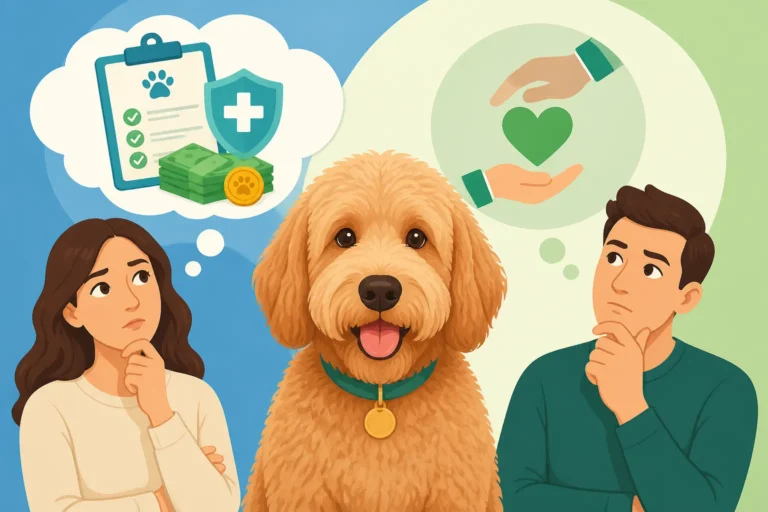
The legal document you sign, often referred to as a guardian home contract, is paramount. It should meticulously outline who is responsible for what, from routine vaccinations and annual check-ups to emergency surgeries and, yes, insurance. Without a clear, written agreement, disagreements can easily arise, particularly when unexpected vet bills pop up. This is where many guardian families find themselves asking, "Do I need my own policy, or is the breeder’s coverage enough?" The vagueness can be stressful, especially when you're deeply bonded with the dog and want to ensure they receive the best possible care. Understanding What a Guardian Home Labradoodle Contract Says is your first line of defense against these ambiguities.
The Insurance Question: Who Covers What?
When it comes to insuring a guardian Labradoodle, there's no universal answer, as practices can vary significantly between breeders. However, there are common divisions of responsibility that most ethical breeders follow. The key is clarity and communication from the outset.
Breeder's Perspective on Insurance
Typically, the breeder will assume financial responsibility for anything directly related to the dog’s breeding career. This means all health testing required for breeding soundness—think hip and elbow evaluations, eye exams, genetic panels for conditions like Exercise Induced Collapse and the Labradoodle's Labrador Half or The prcd-PRA Test Both Labradoodle Parents Need—should be covered by the breeder. If the dog needs veterinary care specifically because of a pregnancy complication, a difficult birth, or issues arising during the puppy-raising period, these costs generally fall to the breeder. This makes perfect sense; these are expenses incurred directly because the dog is part of their breeding program.
What about general insurance? Some breeders may carry a general liability policy that covers their entire kennel, including dogs placed in guardian homes, but this usually pertains to issues like property damage caused by the dog or legal liabilities associated with the breeding program, not necessarily individual pet health insurance for the guardian dog. It's rare for a breeder to carry a comprehensive pet health insurance policy, like those offered by Healthy Paws or similar providers, that would cover all routine and emergency care for a dog living in a guardian home. Their focus is usually on the breeding aspects, and sometimes a limited warranty against certain genetic defects, rather than day-to-day medical coverage. Therefore, assuming the breeder's insurance covers everything would be a risky gamble.
Guardian Family's Insurance Responsibilities
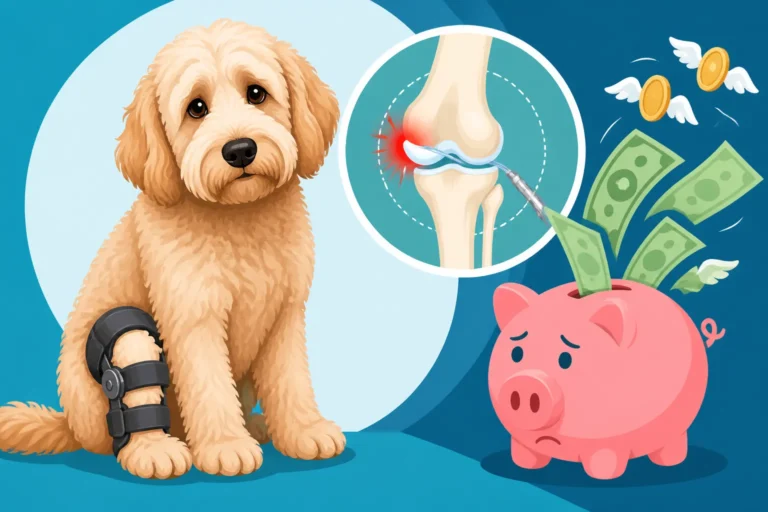
For the vast majority of guardian home arrangements, the guardian family is responsible for the dog’s routine veterinary care and any non-breeding related illnesses or accidents. This means annual check-ups, vaccinations, flea and tick prevention, heartworm medication, and any unexpected injuries (like a torn cruciate from playing too hard, or an ingestion of something they shouldn't have) or illnesses (like an ear infection or sudden pancreatitis) are typically the guardian family's financial burden. This is similar to owning any pet; you’re responsible for their general well-being.
Given this reality, it’s highly recommended that guardian families consider purchasing their own pet health insurance policy for their Labradoodle. This policy would cover accidental injuries and illnesses, much like it would for any other pet you own. Companies like Healthy Paws or those found through comparison sites on Chewy offer a range of plans. Imagine your Labradoodle suddenly develops a severe allergy, requiring extensive diagnostic tests and long-term medication, or experiences a sudden bloat episode requiring emergency surgery. These are not typically breeding-related, and the costs can be astronomical. A good pet insurance policy can save you from a heartbreaking financial decision during a stressful time.
Navigating Emergency Situations
Emergencies are where the gray areas can become terrifyingly clear. What if your guardian Labradoodle needs immediate, life-saving surgery? Who makes the call, and who pays? The contract should ideally have a clause addressing emergency medical care and who has authority to approve treatment if the breeder cannot be reached. However, even with that, the financial burden can still be ambiguous without proper insurance.
If the emergency is clearly breeding-related (e.g., a complication during labor), the breeder should cover the costs. But what if it’s an accident, or an illness that could potentially be genetic but hasn’t been officially diagnosed or linked to the breeding program yet? This is where a guardian family having their own pet insurance is invaluable. You can proceed with necessary treatment, knowing you'll be reimbursed, while the long-term discussion with the breeder about responsibility can happen later. It removes the immediate financial pressure from a critical situation. It's vital to have a clear understanding of Who Pays the Vet Bills on a Guardian Labradoodle before any crisis occurs.
Reading the Guardian Home Contract Carefully
The guardian home contract is not just a formality; it's the bedrock of your agreement with the breeder. It outlines expectations, responsibilities, and, crucially, financial obligations. Ignoring the fine print can lead to significant misunderstandings and financial strain down the road.
Key Insurance Clauses to Look For
Before you sign anything, immerse yourself in the contract. Look specifically for sections detailing veterinary care, medical expenses, and insurance. Does it state explicitly who is responsible for routine vet visits, vaccinations, and emergency care? Does it mention genetic health testing (e.g., for issues like Hips and Elbows in a Sixty Pound Labradoodle) and who bears those costs? Pay close attention to any clauses regarding catastrophic illness or injury. Some contracts might specify that the breeder covers all costs related to the dog's life if it's a breeding animal, but this is less common and often only refers to specific breeding-related medical events.
A robust contract will clearly delineate the division of expenses. For example, it might state, "Breeder is responsible for all costs associated with breeding, including genetic health testing, stud fees, whelping, and emergency care directly resulting from pregnancy or birth. Guardian is responsible for all routine veterinary care, vaccinations, preventative medications, and all non-breeding related illness or injury." This type of clear language helps you understand your financial commitment and whether you need to budget for pet insurance yourself. If the contract is vague, do not hesitate to ask for clarification and have it amended in writing if necessary.
The Importance of Open Communication
Never assume. If the contract doesn't explicitly mention pet health insurance, or if a clause is ambiguous, talk to the breeder. Have an open, honest conversation about potential scenarios. Ask direct questions: "If my Labradoodle breaks a leg playing in the park, who pays for the surgery?" or "If she develops a chronic condition like diabetes or Addison's Disease a Labradoodle Inherits From the Poodle, how are those ongoing medical costs handled?" A reputable breeder will welcome these questions and be transparent about their policies. They understand the financial commitment involved and want to ensure their dogs are well cared for.
This dialogue is crucial not just for clarity on insurance, but for building a strong, trusting relationship with your breeder. This relationship will be ongoing for several years, through breedings, puppy care, and potentially health challenges. You want to feel comfortable discussing any concerns that arise. If a breeder is evasive or dismissive of your questions about financial responsibilities, it might be a red flag that requires further consideration. Remember, you’re not just getting a dog; you’re entering a partnership that requires clear understanding from both sides.
When to Consider Your Own Policy
In most guardian home scenarios, a guardian family absolutely should consider getting their own pet insurance policy. Unless the contract explicitly states that the breeder carries a comprehensive policy that covers all medical expenses for the dog during its time in your home (which, as mentioned, is exceedingly rare), you will be responsible for a significant portion of its veterinary care. Even if the breeder offers some reimbursement for certain non-breeding related issues, it's often not as comprehensive as a dedicated pet insurance plan.
Think about it this way: for the years your Labradoodle lives with you as part of the guardian program, they are your family pet. They eat your food (perhaps a healthy option from Ollie), sleep in your bed, and go on adventures with you. Treat their health care planning with the same diligence you would for any beloved family member. A policy from a provider like Healthy Paws can cover things like accidents, unexpected illnesses, surgeries, and even some specialist visits, providing peace of mind. It allows you to prioritize your dog's health without financial stress, regardless of the breeder's specific contractual obligations. It’s about being prepared for the unexpected, which is a cornerstone of responsible pet ownership. It's always wise to ensure you're Insuring a Labradoodle Before Anything Is On Record.
Practical Tips for Guardian Families Regarding Insurance
Being a guardian family is a rewarding experience, but it requires diligence, especially when it comes to the practicalities of vet care and insurance. A little preparation can go a long way in ensuring smooth sailing and preventing future headaches.
Documenting Everything
In any shared ownership arrangement, documentation is your best friend. Keep meticulous records of all veterinary visits, including dates, diagnoses, treatments, and costs. Hold onto all receipts, invoices, and communication (emails, texts) with your breeder regarding your Labradoodle’s health. If you have your own pet insurance, this documentation will be vital for submitting claims. If there's ever a dispute with the breeder about who owes what, these records will provide undeniable proof of expenses and care provided.
It’s also wise to keep a running log of your dog’s general health, any unusual behaviors, or changes you notice. This isn't just for financial purposes; it also helps you and your vet track your Labradoodle's well-being over time. Having all this information readily available makes discussions with both your veterinarian and your breeder much more efficient and clear. It’s especially important when dealing with conditions that might be difficult to diagnose or have vague symptoms, such as The Vague Signs of Addison's in a Labradoodle.
Exploring Pet Insurance Providers
As a guardian family, researching and selecting a pet insurance provider for your Labradoodle is a proactive step that can offer immense peace of mind. Many companies offer various plans to suit different budgets and needs. When comparing providers like Healthy Paws, or exploring options available through a retailer like Chewy, consider what's most important to you:
- Coverage: Does it include accidents, illnesses, hereditary conditions (which are a concern for Labradoodles, as discussed in Whether a Labradoodle Policy Covers Hereditary Conditions), and emergency care?
- Deductibles: How much will you pay out of pocket before coverage kicks in?
- Reimbursement levels: What percentage of the vet bill will the insurer pay?
- Annual limits: Is there a cap on how much they will pay in a year?
Take the time to read reviews and understand policy exclusions. Some policies might exclude pre-existing conditions, so getting coverage while your Labradoodle is young and healthy is usually the best approach. Don't be afraid to get a few quotes and compare the offerings side-by-side.
Budgeting for Unexpected Vet Bills
Even with a comprehensive pet insurance policy and a clear guardian home contract, it’s always wise to budget for some out-of-pocket veterinary expenses. No insurance policy covers 100% of costs, and deductibles and co-pays are standard. There might also be incidental costs not covered by insurance, such as specific supplements or specialized grooming for a medical condition. Having an emergency fund specifically for your Labradoodle can be a financial lifeline.
Think of it as having a "just in case" fund. This might be a few hundred dollars set aside in a separate savings account, or perhaps an emergency credit card you only use for pet care. The last thing you want is to be caught off guard when your beloved Labradoodle needs urgent care and you're scrambling to find funds. This preparedness aligns with the overall commitment of being a responsible guardian family, ensuring your Labradoodle receives the best care at all times, no matter what surprises life throws your way. The total cost of owning a dog can be substantial, so thinking about What Fourteen Years With a Labradoodle Comes To includes these critical aspects.
Disclaimer
This article is for general informational purposes only and does not constitute professional advice. Laws, prices and regulations vary by location and change over time. Consult a qualified professional for guidance on your specific situation.