Insuring a Labradoodle Against Bloat
One of the most terrifying emergencies a Labradoodle owner can face is bloat, medically known as Gastric Dilatation-Volvulus (GDV). It's a sudden, life-threatening condition that can turn a normal evening into a frantic dash to the emergency vet, often leaving owners reeling from both fear for their beloved dog and the overwhelming financial burden of saving them. This guide aims to thoroughly explore how pet insurance can be a critical safety net against the astronomical costs associated with this urgent medical crisis.
Understanding Bloat: A Labradoodle Owner's Deepest Fear
When you bring a Labradoodle into your home, you're not just gaining a furry family member; you're also taking on the responsibility of understanding their unique health risks. Bloat is one of those risks that every owner needs to be aware of, especially with breeds like ours that carry the Poodle's deep-chested build. It's truly a nightmare scenario, and knowing what it is and why your Labradoodle is susceptible can make all the difference.
What Exactly Is Gastric Dilatation-Volvulus (GDV)?
Let's get serious for a moment about what bloat actually entails. Gastric Dilatation-Volvulus, or GDV, isn't just an upset stomach. It's a medical emergency where your dog's stomach fills with gas (dilatation) and then twists upon itself (volvulus). Imagine a balloon inflating rapidly and then twisting at the neck – that's essentially what happens inside your Labradoodle. This twisting cuts off blood supply to the stomach and other organs, leading to rapid tissue death, shock, and if not treated immediately, death. It can happen incredibly fast, often without much warning, turning a playful afternoon into a desperate fight for life. There's a reason veterinarians consider it one of the most urgent non-traumatic emergencies.
Why Labradoodles Face a Higher Risk of Bloat
The deep, narrow chest conformation inherited from the Poodle side of our beloved Labradoodles makes them inherently more susceptible to bloat. It's not just about size; it's about shape. Breeds with a high chest-to-width ratio, like Standard Poodles and by extension, many Labradoodles, have more "room" for their stomach to distend and twist. This predisposition is a crucial piece of information for any Labradoodle owner. You might think, "My dog is happy and healthy, it won't happen to us," but bloat doesn't discriminate. Factors like eating too quickly, exercising vigorously after meals, stress, or even genetics can play a role. It’s important to remember that this isn't a fault of the breed, but a structural reality that we, as owners, need to be mindful of. We've talked before about The Deep Chest a Labradoodle Gets From the Poodle, and this characteristic unfortunately ties directly into their bloat risk.
The Terrifying Signs of a Bloat Emergency
Recognizing the signs of bloat immediately is absolutely vital. This condition progresses rapidly, and every minute counts. Your Labradoodle might start pacing restlessly, attempt to vomit but nothing comes up (often described as "non-productive retching"), or drool excessively. They might have a distended, hard abdomen that is painful to the touch. Their gums could become pale, and they may show signs of weakness or collapse. It's a truly horrifying experience for both dog and owner. If you ever suspect your Labradoodle is bloating, you cannot hesitate. Do not wait to see if it improves; head straight to the nearest emergency veterinary clinic. There's no time for "wait and see" with GDV. Understanding The Signs a Labradoodle Is Bloating could quite literally save their life.
The Heart-Stopping Cost of Emergency Bloat Treatment
Beyond the emotional toll of seeing your beloved Labradoodle in distress, the financial implications of a bloat emergency are often staggering. This isn't a simple office visit; it's an intensive, time-sensitive, and highly specialized procedure that comes with a price tag that can be a shock to even the most prepared pet parent. It's a harsh reality, but one that needs to be faced head-on when considering pet ownership.
Unforeseen Vet Bills: A Financial Gut Punch
Imagine this: it’s 2 AM, and your Labradoodle is showing all the classic, terrifying signs of bloat. You rush them to the emergency clinic. The veterinary team confirms GDV, and suddenly you're faced with a decision that no one ever wants to make: authorize thousands of dollars in emergency surgery and critical care, or… well, the alternative is unthinkable. These unexpected costs can easily range from several thousand dollars to well over ten thousand, depending on the severity, the clinic, your location, and how quickly you get help. This isn't just for the surgery itself, but for diagnostics, anesthesia, medications, overnight monitoring, and any complications that arise. Many families are simply not prepared for such an enormous, sudden expense, which adds another layer of heartbreak to an already traumatic situation.
Surgical Intervention: The Lifesaving, Costly Procedure
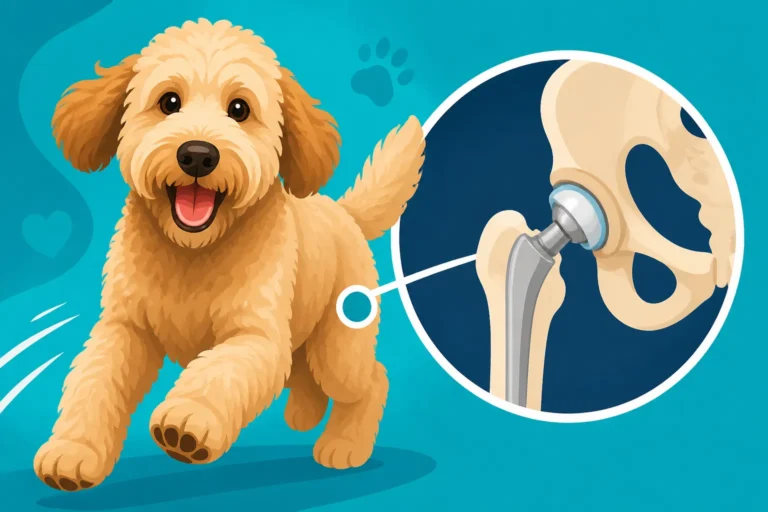
The primary treatment for GDV is emergency surgery, known as a gastropexy. During this procedure, the veterinarian will first de-rotate the stomach, emptying any gas or fluid. Then, critically, they will suture the stomach to the abdominal wall to prevent it from twisting again in the future. This prophylactic measure, while not preventing dilatation, significantly reduces the risk of recurrence and is almost always performed during an emergency bloat surgery. However, the surgery is complex and involves significant risks, especially if the stomach tissue has already started to necrose. Post-surgical care is intensive, requiring close monitoring for several days. This whole package of surgery, anesthesia, specialized equipment, and skilled veterinary staff is what drives the cost so high. If you're wondering What Emergency Bloat Surgery Costs a Labradoodle Owner, be prepared for figures that can seriously impact your savings.
Post-Operative Care and Potential Complications
The journey doesn't end when the surgery is over. Your Labradoodle will need attentive post-operative care, which includes pain management, antibiotics, anti-nausea medications, and strict rest. They’ll likely stay at the veterinary hospital for several days for continuous monitoring. Even after successful surgery, complications can arise, such as cardiac arrhythmias, peritonitis, or further tissue damage. These complications can necessitate extended hospital stays, additional medications, or even secondary surgeries, pushing the overall cost even higher. It’s a recovery period that requires patience, dedication, and often, more financial resources than initially estimated.
Navigating Pet Insurance: Your Lifeline Against Bloat
Given the potentially devastating costs of bloat, pet insurance isn't just a nice-to-have; for many Labradoodle owners, it's a critical financial tool. It provides a way to manage these unexpected, high-cost emergencies without having to compromise on your dog's care due to financial constraints. But understanding how it works, especially concerning a serious condition like bloat, is key.
How Pet Insurance Generally Works
At its core, pet insurance helps reimburse you for eligible veterinary expenses. You typically pay a monthly premium, and in return, the insurer covers a percentage of your vet bills after you meet a deductible. For most accident and illness plans, conditions like bloat are covered, as they are considered unexpected emergencies. However, it's crucial to understand the specifics of your policy. Providers like Healthy Paws, for example, offer comprehensive accident and illness plans that generally cover such emergencies. You pay your vet bill upfront, submit a claim, and then the insurance company reimburses you for the covered portion. It's designed to give you peace of mind that when a crisis hits, you can focus on your pet's health, not just your wallet.
Pre-Existing Conditions and Waiting Periods for Bloat
This is where details truly matter. Almost all pet insurance policies have waiting periods before certain conditions are covered. For accidents, this might be a few days, but for illnesses, it's usually longer, typically 14 to 30 days. More critically, pet insurance does not cover pre-existing conditions. This means if your Labradoodle shows any signs of bloat, or has been diagnosed with it, before your policy's waiting period ends (or before you even get insurance), any future bloat-related treatment will likely be excluded from coverage. This is why it’s so important to consider Insuring a Labradoodle Before Anything Is On Record. The best time to get pet insurance is when your Labradoodle is a puppy and ideally free of any health issues, ensuring maximum coverage down the line.
Preventive Gastropexy and Insurance Coverage
Many owners of at-risk breeds like Labradoodles opt for a prophylactic gastropexy, which is a surgery to tack the stomach to the abdominal wall before a bloat episode occurs. This is often done at the same time as spaying or neutering. Whether this preventive measure is covered by insurance varies significantly by provider and policy. Some companies might cover a portion of the cost if it's considered a medically recommended procedure for high-risk breeds, sometimes under a "wellness rider" or as part of a general surgery benefit. Others might not cover it at all because it's elective. It's a critical question to ask when you're looking at policies. For instance, some plans offered through companies like Chewy, which partners with various insurers, might have different stipulations for elective versus emergency procedures. Always get clarification on this specific point, as Whether a Labradoodle Should Have a Preventive Gastropexy is a common consideration for owners.
Choosing the Right Policy to Protect Your Labradoodle
Selecting the right pet insurance can feel like sifting through a mountain of paperwork and jargon. It’s not a one-size-fits-all decision, especially when you’re specifically concerned about a condition as serious and costly as bloat. Taking the time to compare your options will pay off immensely.
What to Look For in Bloat Coverage
When you're evaluating pet insurance plans for your Labradoodle, particularly with an eye toward bloat, focus on a few key areas. First, ensure the plan is a comprehensive accident and illness policy, not just an accident-only plan, as bloat is typically classified as an illness or emergency. Second, confirm there are no specific exclusions for GDV or large breed conditions. While rare, some older or more basic policies might have such clauses. Third, look at the reimbursement percentage. Most plans offer 70%, 80%, or even 90% reimbursement. A higher percentage means less out-of-pocket expense for you during an emergency. Finally, check the annual limits. Since bloat surgery can be so expensive, you'll want a plan with a high annual limit, or ideally, an unlimited one, to ensure all costs are covered.
Understanding Deductibles, Reimbursement Rates, and Annual Limits
These three terms are the pillars of any pet insurance policy and directly impact your out-of-pocket costs during a bloat emergency:
- Deductible: This is the amount you pay out of pocket before your insurance coverage kicks in. Deductibles can be annual or per-incident. An annual deductible means you pay it once a year, no matter how many claims you make. A per-incident deductible means you pay it for each new condition or incident. Lower deductibles usually mean higher monthly premiums, and vice-versa.
- Reimbursement Rate: This is the percentage of the covered veterinary bill that the insurance company pays after your deductible is met. If you have an 80% reimbursement rate and a $5,000 bill after your deductible, the insurer pays $4,000, and you pay $1,000.
- Annual Limit: This is the maximum amount the insurance company will pay out in a policy year. Given that bloat surgery can hit $5,000-$10,000 or more, an annual limit of $10,000 or higher, or even an unlimited option, is highly recommended for a Labradoodle.
Here’s a quick comparison of how these factors can play out with an emergency bloat surgery costing $7,000:
| Policy Type | Deductible | Reimbursement | Annual Limit | Your Out-of-Pocket | Insurer Payout |
|---|---|---|---|---|---|
| Option A | $250 | 80% | $10,000 | $250 (deductible) + $1350 (20%) = $1600 | $5400 |
| Option B | $500 | 90% | Unlimited | $500 (deductible) + $650 (10%) = $1150 | $5850 |
| Option C | $1000 | 70% | $5,000 | $1000 (deductible) + $4200 (30%) = $5200 | $3800 (capped at limit) |
As you can see, choosing a policy with a higher reimbursement and a suitable annual limit can make a huge difference in an emergency.
The Role of Wellness Plans vs. Accident & Illness Policies
It's important to distinguish between these two types of plans.
Accident & Illness Policies are your main line of defense for unexpected events like bloat, broken bones, sudden illnesses, or even Cancer in an Older Labradoodle. They cover major, unforeseen veterinary expenses, which is exactly what bloat treatment falls under.
Wellness Plans, on the other hand, are typically add-ons or separate plans designed to cover routine care like vaccinations, annual check-ups, flea and tick prevention, and sometimes even dental cleanings. While valuable for managing regular pet care costs, they generally do not cover emergency treatments like bloat surgery. Some wellness plans might contribute to the cost of a preventive gastropexy if it’s an elective procedure that aligns with their benefits, but this is less common. Make sure your primary focus for bloat protection is a robust accident and illness policy.
Important Details That Impact Your Bloat Coverage
Even with a comprehensive accident and illness policy, there are still nuances and specific clauses that can affect your coverage for bloat. It's not enough to simply have insurance; you need to understand the fine print.
Policy Exclusions and Age Restrictions
While most modern pet insurance plans are quite inclusive, it's always wise to review the specific exclusions. Some policies might have breed-specific exclusions, though this is rare for Labradoodles and bloat specifically. More common are age restrictions. Some companies might not offer new policies for very senior dogs, or they might have different coverage tiers for older pets. For example, if your Labradoodle is already considered a senior, roughly around The Birthday a Labradoodle Counts as Senior, your options might be more limited or come with higher premiums. Also, remember that pre-existing conditions are almost always excluded, which underscores the importance of getting insurance early in your Labradoodle's life. Always read the sample policy available from providers like Ollie or others you're considering, as the devil is often in the details.
Provider Comparisons: Finding the Best Fit for Your Doodle
The pet insurance market is competitive, with many reputable providers. Each one has slightly different policies, pricing structures, and customer service experiences. It's beneficial to compare quotes and policy details from several companies. Look at their reputation for processing claims, their customer reviews, and their transparency regarding coverage. Some questions you might ask include:
- What is the waiting period for illnesses like bloat?
- Do you cover emergency bloat surgery and related hospitalization?
- Do you cover prophylactic gastropexy if recommended by a vet for a high-risk breed?
- Are there any specific exclusions for Labradoodles or deep-chested breeds?
- What are the deductible options, reimbursement percentages, and annual limits?
Sites like Chewy often aggregate different pet insurance providers, allowing you to compare options side-by-side, which can be a real time-saver. Don't just pick the cheapest option; look for the one that offers the best coverage for your specific concerns, like bloat, for a reasonable price.
The Value of Early Enrollment
We can’t stress this enough: enroll your Labradoodle in pet insurance as early as possible. The younger and healthier your dog is when you get coverage, the fewer pre-existing conditions they will have, and the more comprehensive your coverage will be throughout their life. If you wait until your Labradoodle is older or starts developing health issues, those issues will likely be considered pre-existing and won't be covered. This holds true for bloat; if your dog has an episode before you enroll or during the waiting period, that specific condition may be excluded moving forward. While you can't predict every health issue, securing coverage early is the smartest way to protect your Labradoodle and your finances from major unexpected expenses. It's a foundational step in Keeping a Labradoodle Sound Into Its Teens.
Beyond Insurance: Mitigating Bloat Risk for Your Labradoodle
While pet insurance is an invaluable safety net for the financial strain of bloat, it's equally important to understand and implement preventive measures. Reducing the risk of bloat occurring in the first place is the best strategy, and it involves a combination of daily habits and informed discussions with your veterinarian.
Daily Habits to Help Prevent Bloat
There are several practices that Labradoodle owners can adopt to potentially lower their dog's risk of bloat. While no method guarantees complete prevention, these habits contribute to overall digestive health and might reduce triggering factors:
- Multiple Small Meals: Instead of one or two large meals, feed your Labradoodle two to three smaller meals throughout the day. This reduces the amount of food and gas in the stomach at any one time.
- Slow Down Eating: If your Labradoodle wolfs down their food, consider using a slow-feeder bowl or puzzle feeder. This encourages them to eat more slowly and ingest less air.
- Restrict Exercise Around Meals: Avoid vigorous exercise, excitement, or stress for at least an hour before and two hours after meals. This gives their stomach time to digest without undue movement or agitation. You might wonder Whether a Labradoodle Should Rest After Eating, and the answer is a resounding yes!
- Fresh Water Access: Always provide fresh water, but discourage guzzling large amounts immediately after eating.
- Monitor Food Bowl Height: The debate around raised bowls and bloat risk is ongoing. While previously thought to help, some studies suggest they might actually increase risk for certain breeds. Discuss this with your vet to make an informed decision for your particular dog.
- High-Quality Diet: Feed a high-quality dog food. While specific dietary links to bloat are still being researched, good nutrition supports overall health.
Discussing Prophylactic Gastropexy with Your Vet
For many owners of high-risk breeds, a prophylactic gastropexy is a serious consideration. This elective surgery, which tacks the stomach to the abdominal wall, dramatically reduces the chance of the stomach twisting (volvulus), although it doesn't prevent it from dilating (filling with gas). It's often performed when the dog is already under anesthesia for another procedure, such as spaying or neutering, making it a more convenient and potentially cost-effective option than if done separately.
Your veterinarian can assess your Labradoodle's individual risk factors, discuss the procedure in detail, and help you weigh the pros and cons. They can also explain the recovery process and any potential complications. As mentioned earlier, check with your insurance provider like Healthy Paws or others about coverage for this elective procedure, as it's a significant investment that could prevent a life-threatening emergency down the road. Understanding Whether a Tacked Stomach Ends a Labradoodle's Bloat Risk is key – it reduces twist risk, not gas accumulation.
Preparing for an Emergency: Every Second Counts
Even with all the best preventive measures, bloat can still strike. That's why being prepared for an emergency is paramount.
- Know Your Emergency Vet: Have the contact information and directions for the nearest 24-hour emergency veterinary clinic readily available. Don't wait until a crisis to figure this out.
- Recognize the Signs: Reiterate your knowledge of bloat symptoms. Teach other family members who care for your Labradoodle to recognize them as well.
- Stay Calm (as much as possible): In an emergency, panic can cloud judgment. Try to remain as calm as you can to act quickly and effectively.
- Financial Preparedness: This is where pet insurance truly shines. Knowing you have financial backing can allow you to make immediate decisions based purely on your dog's health needs, without the added stress of crushing debt. Even without insurance, having an emergency fund set aside specifically for vet bills can provide critical peace of mind.
Being proactive about both prevention and preparedness is the greatest gift you can give your Labradoodle, helping ensure they live a long, healthy, and bloat-free life.
Disclaimer
This article is for general informational purposes only and does not constitute professional advice. Laws, prices and regulations vary by location and change over time. Consult a qualified professional for guidance on your specific situation.