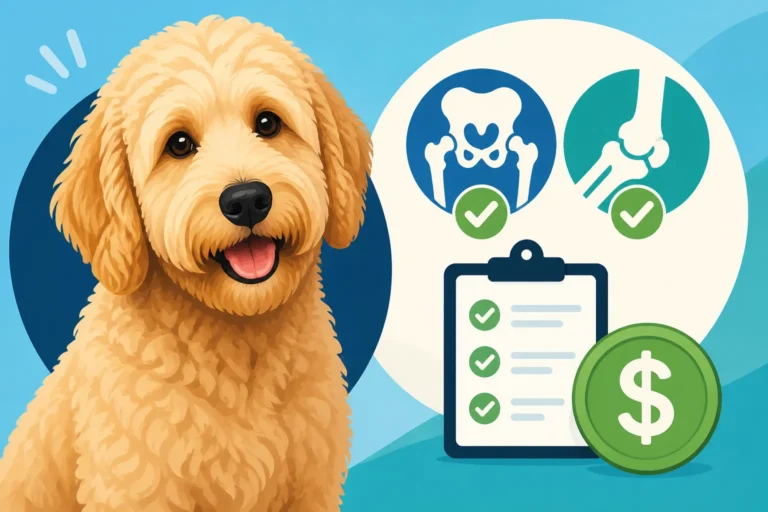
Doodle Rescue and the Two Year Old Labradoodle
It's truly heartbreaking to hear about a two-year-old Labradoodle finding itself in a rescue situation. You might be wondering how a dog, especially one as seemingly popular and desirable as a Labradoodle, could end up homeless at such a young age. This guide aims to shed light on the common reasons why these wonderful dogs end up in shelters or with dedicated rescue groups, what you can expect when considering adopting one, and how to successfully welcome a rescue Labradoodle into your life and home.
The Heartbreaking Reality: Why Two-Year-Old Labradoodles End Up in Rescue
When you picture a Labradoodle, you likely imagine a happy-go-lucky, intelligent, and relatively easy-going family companion. After all, they’re often advertised as the perfect blend of the Poodle's smarts and the Labrador's friendly nature. But the reality, sadly, is that many owners are unprepared for the actual commitment these dogs require, leading to a significant number of young adult Labradoodles needing new homes.
Unrealistic Expectations and the "Easy Dog" Myth
One of the biggest factors contributing to Labradoodles ending up in rescue is the widespread, yet often inaccurate, perception that they are inherently "easy" dogs. The rise of the "doodle" phenomenon has unfortunately created a market where puppies are sometimes acquired by individuals or families who haven't fully researched the breed's needs, beyond the allure of a cute, fluffy, supposedly hypoallergenic companion. Many people fall in love with the idea of a Labradoodle, often after seeing adorable puppy photos or hearing anecdotal stories, without truly understanding the daily demands of ownership.
The truth is, while Labradoodles are generally bright and eager to please, they inherit traits from two highly energetic and intelligent working breeds. This means they require significant mental stimulation, consistent training, and plenty of physical exercise. They aren't content to be couch potatoes without proper outlets for their energy. When a bouncy, intelligent Labradoodle puppy matures into a two-year-old dog that still demands attention, daily activity, and continuous engagement, owners who expected a low-maintenance pet can quickly become overwhelmed. They might find themselves saying, "This dog is too much for us," not because the dog is bad, but because the initial expectations were misaligned with the breed's genuine needs. This often leads to dogs being rehomed or surrendered, and it's a primary reason Why a Labradoodle Reaches Rescue at Two.
The "Adolescent Wall" and Behavioral Challenges
Just like human teenagers, dogs go through an adolescent phase, typically between 8 months and 2 or 3 years of age. For a Labradoodle, this can be a particularly challenging period. A two-year-old Labradoodle might be right in the thick of this "adolescent wall," where they seem to forget all their puppy training, test boundaries, and exhibit behaviors that can push even the most patient owner to their limits. This isn't unique to Labradoodles, of course, but their size, intelligence, and energy levels can amplify these challenges.
Common behavioral issues that often surface or intensify during this time include destructive chewing, especially if not given appropriate outlets; incessant jumping on guests; strong leash pulling that makes walks unpleasant; and even separation anxiety, particularly in a dog known for being a The Velcro Labradoodle That Cannot Be Left. Owners might suddenly find their once-manageable puppy has transformed into a high-energy, stubborn young adult who seems to defy every command. This can be incredibly frustrating and disheartening. Without consistent training, boundaries, and ample exercise, these behaviors don't just magically disappear. Instead, they can escalate, making daily life stressful and ultimately leading to the difficult decision to rehome the dog. The combination of unexpected energy and challenging adolescent behaviors is a frequent catalyst for owners seeking rescue placements. It's often compounded by a lack of understanding that this phase is temporary and manageable with the right approach.
Grooming Neglect and the Matted Coat
Another significant, yet often underestimated, reason Labradoodles end up in rescue is directly related to their beautiful, but demanding, coats. Many prospective owners are drawn to the promise of a "hypoallergenic" dog and assume their coat care will be minimal. Nothing could be further from the truth, especially for Labradoodles with the popular fleece or wool coats. These coats require extensive and regular grooming to prevent matting, which can quickly become painful and lead to serious skin issues.
A two-year-old Labradoodle might have already gone through The Coat Change That Hits a Labradoodle at Nine Months, transitioning from a soft puppy coat to a denser adult coat that is much more prone to tangles and mats. If owners haven't maintained a diligent brushing schedule – often requiring daily or every-other-day thorough line brushing down to the skin – the coat can become a solid, painful mess. Mats can pull on the skin, cause hot spots, hide parasites, and severely restrict movement. Addressing severe matting often requires professional grooming, which can be expensive, especially if the dog needs to be completely shaved down. When faced with a matted, uncomfortable dog, high grooming bills, and the emotional distress of seeing their pet in discomfort, some owners feel they can no longer cope. This grooming challenge is a recurring theme in rescue surrenders. Many simply weren't prepared for the financial and time commitment involved in maintaining a healthy Labradoodle coat, resulting in preventable suffering for the dog and heartache for the owner.
What to Expect When Adopting a Two-Year-Old Labradoodle from Rescue
Adopting a rescue dog, particularly a young adult, is a truly commendable act. It offers a dog a second chance at a loving home, and in return, you gain a loyal companion. However, it's crucial to approach the process with realistic expectations. These dogs often come with a past, and understanding what to anticipate can help ensure a smooth transition and a successful adoption.
Initial Assessment and Foster Care
When a Labradoodle enters a reputable rescue organization, the first step is typically a comprehensive initial assessment. This includes a full veterinary check-up, where they'll be vaccinated, dewormed, microchipped, and spayed or neutered if they aren't already. This is also when the rescue team will get a preliminary understanding of the dog's physical health and any immediate needs, such as addressing severe matting or treating an ear infection.
Following their vet clearance, most reputable Labradoodle rescues place the dogs into foster homes rather than keeping them in kennels. This foster care period is invaluable. It allows the rescue to learn about the dog's true personality in a home environment. Foster parents can observe how the Labradoodle interacts with people, children, other pets (if applicable), and how they adapt to a routine. They'll note things like house-training status, leash manners, any anxieties, or specific quirks. This firsthand knowledge helps the rescue make the best possible match with potential adopters. While a rescue might not have a complete history of the dog's life before it came to them, the insights gained in foster care are incredibly detailed and provide a much better picture than you'd get from a shelter environment alone. This personalized approach is one of the many benefits of working with dedicated doodle rescues.
Health Status and Potential Issues
While rescues do their best to provide immediate veterinary care, adopting a two-year-old Labradoodle means you might be taking on a dog whose health history is largely unknown. You can expect them to be current on core vaccinations, spayed/neutered, and free of obvious, pressing medical conditions. However, hereditary issues common in Labradors and Poodles, which can affect Labradoodles, might not have been screened for or addressed by previous owners. For instance, conditions like hip and elbow dysplasia, progressive retinal atrophy (PRA), or Addison's disease might not be apparent at two years old or might not have been investigated.
It's a stark reality that The Health Tests a Labradoodle Breeder Should Show are often entirely absent for rescue dogs, meaning you won't have the same genetic health guarantees you might seek from a responsible breeder. You'll want to schedule a comprehensive vet check-up soon after adoption, even if the rescue provided initial care. This allows your personal veterinarian to establish a baseline, check for any lingering issues, and discuss preventive care tailored to your new dog. Common issues like chronic ear infections (often due to their drop ears and hair growth), dental problems from lack of care, or even lingering effects of nutritional neglect are not uncommon in rescue dogs. Being prepared for potential veterinary costs, and possibly considering pet insurance from a provider like Healthy Paws, is a wise step when bringing home any rescue dog, especially one whose past care is uncertain.
Temperament and Training Insights
A two-year-old Labradoodle from a rescue often comes with a complex blend of personality traits and behaviors. They might be incredibly sweet and eager to please, thrilled to have consistent care and attention. However, they might also exhibit a range of behaviors stemming from their past experiences. It's common for rescue dogs to be anxious, fearful, or even overly exuberant due to stress, lack of consistent training, or previous neglect. They might be under-socialized, or, conversely, have a history of being bounced between homes, leading to a lack of security.
The beauty of foster care is that foster parents can offer invaluable insights into these aspects. They can tell you if the dog is house-trained, knows basic commands, or has any reactivity issues. They might observe specific fears, such as a fear of loud noises or men with hats, or signs of separation anxiety. It's important to remember that a dog's behavior in a foster home can differ slightly from how they act in their new permanent home, especially during the initial "decompression" period. Patience and understanding are paramount. You should anticipate that a rescue Labradoodle, even if described as "well-trained," will need a period of adjustment where you reinforce training, establish new routines, and build trust. Some might be shy initially, while others might be overly enthusiastic. Giving them space, time, and consistent positive reinforcement will be key to helping them settle in and truly show you their wonderful personality.
The Adoption Process: Finding Your Perfect Match
Finding the right rescue Labradoodle isn't always a quick process. Reputable rescue organizations are very thorough, and for good reason—they want to ensure that each dog finds its forever home and doesn't end up back in the rescue system. Understanding their process will help you navigate it smoothly.
Navigating Doodle-Specific Rescues
While you might find Labradoodles in general shelters, your best bet for finding a well-vetted dog with a known history (as much as possible) is often through a doodle-specific rescue. Organizations like IDOG Rescue, Doodle Rock Rescue, or local breed-specific groups specializing in Poodle mixes have a deep understanding of Labradoodle traits, health concerns, and behavioral patterns. They are better equipped to match you with a dog that truly fits your lifestyle.
These specialized rescues usually have a more rigorous application process, which includes detailed questionnaires about your living situation, past pet experience, and lifestyle. They might also conduct phone interviews, reference checks (veterinarian, personal), and home visits. This isn't meant to be intrusive; it's a critical step to ensure you can provide a suitable and safe environment for a Labradoodle, especially one that might have specific needs or a history of behavioral challenges. By working with these groups, you benefit from their expertise and their network of foster families who can offer personalized insights into each dog. They also often provide ongoing support and resources after adoption, which can be incredibly helpful for new rescue owners. You'll find that What the Doodle Rescues Charge for a Labradoodle varies, but it's typically an adoption fee that covers their vetting costs.
Application, Interview, and Home Visit
The journey to adopting a rescue Labradoodle typically begins with a comprehensive application. This form is designed to gather extensive information about you, your family, your home environment, your experience with dogs, and your expectations for a new pet. It’s important to be completely honest and thorough in your responses, as this information helps the rescue determine if you're a good fit for their available dogs. Don't gloss over your work schedule or the presence of small children, for instance; transparency helps ensure the best match for everyone.
After reviewing your application, a rescue volunteer will usually conduct a phone interview. This is your chance to ask questions about specific dogs you're interested in, clarify aspects of your application, and learn more about the rescue's philosophy. Be prepared to discuss your lifestyle, how you plan to manage a two-year-old Labradoodle's energy and grooming needs, and how you would handle potential behavioral challenges. Following a successful interview, many rescues will arrange a home visit. This visit allows them to see your living space firsthand, assess your yard (if you have one), and confirm that your home is safe and suitable for a dog. They might look for potential hazards, discuss fencing, and get a better sense of the daily environment the dog would be entering. Again, this is all part of their commitment to responsible rehoming and making sure the placement is truly permanent.
Meeting and Integrating Your New Family Member
Once approved, you'll usually have the opportunity to meet the Labradoodle(s) you're interested in, often at the foster home. This meet-and-greet is a crucial step. Spend time interacting with the dog, observing their behavior, and asking the foster parent detailed questions about their daily habits, likes, dislikes, and any specific triggers they might have. If you have other pets, the rescue might arrange a "dog-to-dog" meet to ensure compatibility. This cautious approach is vital, as rushing introductions can lead to stress or conflicts down the line.
Bringing your new rescue Labradoodle home requires patience and a structured approach. The first few weeks are often called the "decompression" period. Your dog has just undergone a significant change, and they need time to adjust to their new surroundings, routine, and family. Set up a safe, quiet space for them—a crate or a designated bed in a low-traffic area—where they can retreat. Establish a consistent daily schedule for feeding, potty breaks, exercise, and quiet time. Avoid overwhelming them with too many new people or places initially. Keep interactions calm and positive. Reinforce good behavior with praise and treats. Remember that trust is built over time, through consistent positive experiences. While you might be excited, a slow and steady integration is the most successful path to helping your two-year-old Labradoodle feel secure and loved in their new home.
Setting Up for Success: Essential Care for Your Rescue Labradoodle
Adopting a two-year-old Labradoodle means taking on a commitment to their well-being for many years to come. Providing excellent daily care, including nutrition, grooming, and ongoing veterinary attention, is fundamental to their happiness and health.
Nutrition and a Balanced Diet
Proper nutrition is the cornerstone of your Labradoodle's health. A high-quality diet provides the energy, nutrients, and vitamins necessary for a strong immune system, healthy coat, and optimal organ function. When you first bring your rescue Labradoodle home, it's wise to continue feeding them the food they were eating in foster care, at least for the first week or two. This minimizes gastrointestinal upset during an already stressful transition.
If you decide to switch to a different food, do so gradually over 7-10 days, slowly mixing increasing amounts of the new food with decreasing amounts of the old. Look for dog foods with real meat as the first ingredient and avoid excessive fillers, artificial colors, or preservatives. Brands like Purina Pro Plan, Royal Canin, or Hill's Science Diet are often vet-recommended, but many excellent boutique brands also exist. You might explore fresh food options like Ollie or order convenient, high-quality kibble from online retailers like Chewy. Always ensure fresh water is available. If your Labradoodle has a sensitive stomach, allergies, or any health conditions, consult your veterinarian for specific dietary recommendations. Remember, a healthy diet contributes significantly to managing their energy levels and overall well-being.
Grooming Essentials for a Matted Past
As we touched on earlier, grooming is non-negotiable for Labradoodles, especially those with fleece or wool coats. If your rescue Labradoodle arrived with a matted coat, the first step is often a trip to a professional groomer. They are equipped to safely remove mats, even if it means a complete shave-down. While it might look drastic, it's often the kindest solution for a severely matted dog, as brushing out severe mats can be incredibly painful.
Once the slate is clean, establish a regular grooming routine immediately. Your Labradoodle will need thorough line brushing multiple times a week to prevent new mats from forming. Tools like a slicker brush, a metal comb, and a de-matting rake are essential. Pay particular attention to areas prone to matting: behind the ears, in the armpits, on the tail, and around the sanitary areas. Learning How Many Times a Week a Labradoodle Needs Brushing is crucial to prevent another painful situation. Professional grooming appointments should be scheduled every 6-8 weeks for a full bath, blow-dry, and trim. This regular maintenance not only keeps their coat healthy but also gives you a chance to bond with your dog and check for any skin issues. Don't forget nail trims and ear cleaning, as their floppy ears can be prone to infections.
Veterinary Care and Ongoing Health Monitoring
Your first priority after adoption, even if the rescue provided initial vetting, should be a comprehensive check-up with your own trusted veterinarian. This allows your vet to create a baseline health record, confirm all vaccinations are current, and screen for any issues that might have been missed or developed since the rescue's initial assessment. Discuss any observations you've made about your Labradoodle's behavior, appetite, or energy levels.
Establishing a long-term health plan is vital. This includes regular annual check-ups, appropriate parasite prevention (fleas, ticks, heartworm), and dental care. Be proactive in monitoring for common Labradoodle health issues. For example, watch for signs of joint pain, especially if you suspect hip or elbow issues. Keep an eye on their ears for redness, odor, or excessive scratching, as ear infections are very common. It's also wise to consider pet insurance from a provider like Healthy Paws soon after adoption, before any pre-existing conditions are noted. This can be a lifesaver for unexpected illnesses or accidents, as Whether a Labradoodle Claims More on Insurance Than Labradors can be a concern due to their potential for inherited conditions. Having a good relationship with your vet is invaluable for keeping your two-year-old rescue Labradoodle healthy and happy for many years to come.
Training and Behavior: Building Trust and Routine
Bringing a two-year-old rescue Labradoodle into your home is a rewarding experience, but it also comes with the responsibility of addressing any behavioral challenges and building a strong, trusting relationship. Consistency, patience, and positive reinforcement are your most powerful tools.
Understanding Past Trauma and Patience
Many rescue dogs, particularly those surrendered at two years old, may have experienced neglect, inconsistent training, or even trauma in their past. They might be confused, anxious, or fearful in their new environment. It’s crucial to approach them with immense patience and empathy, understanding that their reactions might be rooted in past experiences you know nothing about. Avoid harsh corrections or punishment, as this can exacerbate fear and break down trust. Instead, focus on positive reinforcement, rewarding desired behaviors with treats, praise, and affection.
Give your Labradoodle space and time to decompress and feel safe. Don't force interactions, but gently encourage them. Observe their body language closely for signs of stress or discomfort. For example, a tucked tail, flattened ears, yawning, lip licking, or turning away can all indicate anxiety. Building trust is a gradual process that involves consistent kindness, predictability, and creating an environment where your dog feels secure and understood. Remember, their past might be unknown, but their future is in your hands, and a compassionate approach will pave the way for a strong bond.
Establishing a Consistent Routine and Boundaries
Dogs thrive on routine and predictability, and this is especially true for rescue dogs who may have experienced instability. Establishing a consistent daily schedule for your two-year-old Labradoodle from day one will help them feel secure and understand what's expected of them. This means setting fixed times for meals, potty breaks, walks, playtime, and quiet time. For example, if you feed them around 7 AM and 5 PM, stick to those times. If walks are after breakfast and before dinner, make it a habit.
In conjunction with routine, clear and consistent boundaries are essential. Decide on house rules and ensure every family member adheres to them. For example, if jumping on furniture is not allowed, no one should ever permit it. If they are not allowed to counter surf, everyone needs to be vigilant about keeping counters clear. Use positive reinforcement to reward them when they respect boundaries. A cozy crate can be a wonderful tool, providing a safe, den-like space for them to relax and feel secure. It also aids in house-training and managing unsupervised time. The consistency in routine and boundaries helps your Labradoodle learn what is acceptable, reducing anxiety and making them feel more confident in their new home. This structure helps transform a potentially confused or anxious dog into a well-adjusted family member.
Addressing Common Behavioral Issues
It’s not uncommon for a two-year-old rescue Labradoodle to come with some behavioral quirks or challenges. Whether it's separation anxiety, leash reactivity, excessive jumping, or even lapses in house-training, these issues can be overwhelming. The good news is that most can be managed and improved with consistent effort and the right strategies.
For issues like separation anxiety, often seen in The Velcro Labradoodle That Cannot Be Left, start with very short absences and gradually increase the time, ensuring your dog is comfortable each step of the way. Provide engaging puzzle toys filled with treats from Chewy or other brands to distract them when you leave. For jumping, ignore the behavior until all four paws are on the floor, then immediately reward calm greetings. Leash reactivity might require desensitization and counter-conditioning work, where you gradually expose them to triggers from a distance while rewarding calm behavior. If house-training is an issue, treat your adult dog like a puppy, taking them out frequently and praising successful eliminations. For persistent or severe issues, don't hesitate to seek professional help from a certified dog trainer or a veterinary behaviorist. They can provide tailored guidance and help you implement effective strategies. Remember, every success, no matter how small, is a step forward in helping your Labradoodle become a confident and well-behaved companion.
The Long-Term Commitment: A Rewarding Journey
Adopting a two-year-old Labradoodle from rescue is a decision that extends far beyond the initial excitement of bringing them home. It’s a profound long-term commitment that impacts your finances, your daily routine, and ultimately, your heart. The journey can have its challenges, but the rewards are immeasurable.
Financial Realities of Owning a Labradoodle
Let's be realistic: owning any dog, especially a medium to large breed like a Labradoodle, comes with significant financial responsibilities. Many owners underestimate the true cost, which can contribute to dogs ending up in rescue. Beyond the initial adoption fee (which generally covers immediate vetting), you'll have ongoing expenses that add up. These include high-quality food, regular professional grooming (especially for fleece or wool coats), annual vet check-ups, vaccinations, parasite prevention, and unexpected medical emergencies.
Consider the cost of training classes if you need help with behavior, or durable toys to keep an intelligent Labradoodle mentally stimulated. A The Yearly Bill on a Fleece Coated Labradoodle can easily run into several hundred dollars for professional grooming alone. Pet insurance, as mentioned earlier, is a wise investment to mitigate the financial shock of accidents or illnesses. When you consider What Fourteen Years With a Labradoodle Comes To, the total cost of ownership can easily exceed tens of thousands of dollars over their lifetime. It’s crucial to assess your budget and ensure you can comfortably provide for all your Labradoodle's needs, not just for a few months, but for their entire lifespan. Being financially prepared helps ensure they receive the best care and reduces the likelihood of future surrender due to unforeseen costs.
Here's a generalized table illustrating potential annual costs:
| Category | Estimated Annual Cost Range (USD) | Notes |
|---|---|---|
| Food (High-Quality Kibble) | $400 – $800 | Varies based on brand (e.g., Chewy's selection), size, and activity level. Fresh food can be higher. |
| Professional Grooming | $500 – $1200 | 6-8 appointments per year for fleece/wool coats. DIY grooming can reduce costs, but requires tools & time. |
| Vet Visits (Annual & Prevent.) | $200 – $500 | Includes annual check-up, vaccinations, heartworm/flea prevention. Does not include illness/emergency. |
| Pet Insurance (Monthly) | $30 – $70 ($360 – $840/year) | Highly recommended for unexpected health issues, such as those covered by Healthy Paws. |
| Training/Classes | $100 – $500 | Puppy classes, obedience, or behavioral consultations. Can be higher for specific issues. |
| Toys & Chews | $100 – $250 | Durable chews are essential for a Labradoodle's strong jaws. |
| Supplies (Bed, Collar, Leash) | $50 – $150 | Replacements as needed. |
| Total Estimated Annual Cost | $1710 – $3290+ | This excludes emergency vet care, boarding, or extensive training/therapy. |
Enriching Your Rescue Labradoodle's Life
A two-year-old Labradoodle, especially one with a potentially rocky past, thrives on mental and physical enrichment. Providing a stimulating environment is key to their happiness, preventing boredom, and avoiding destructive behaviors. Daily walks are a must, but these intelligent dogs need more than just a stroll around the block. Incorporate varied routes, allow them to sniff and explore, and consider off-leash opportunities in secure areas if their recall is solid.
Mental stimulation is equally vital. Puzzle feeders, interactive toys, and chew toys filled with healthy treats can keep their minds engaged. Short, fun training sessions, where you practice basic commands or teach new tricks, are also excellent for bonding and mental exercise. Consider dog sports like agility, obedience, or even scent work, which can tap into their natural intelligence and athleticism. For some Labradoodles, gentle socialization with other calm, vaccinated dogs can be beneficial, building their confidence and social skills. Providing outlets for their natural instincts and energy will not only keep them well-behaved but will also deepen your connection and help them truly flourish in their new home. Remember, a bored Labradoodle is often a mischievous Labradoodle!
The Unconditional Love and Transformation
While the journey of adopting a two-year-old rescue Labradoodle comes with its share of responsibilities and potential challenges, the rewards are truly extraordinary. There's a unique satisfaction that comes from offering a dog a second chance, watching them slowly come out of their shell, and witnessing their transformation into a confident, loving companion. Many rescue owners will tell you that the bond they form with their adopted dog is incredibly deep, perhaps because of the mutual trust built during the rehabilitation process.
Seeing a rescue Labradoodle, who may have once been timid or anxious, blossom into a joyful, playful, and affectionate family member is one of life's greatest pleasures. Their resilience and capacity for love are inspiring. They often show a profound gratitude for the stability and kindness you provide. The wet nose nudges, enthusiastic tail wags, and comforting presence become an integral part of your life. While the path might require patience, consistency, and dedication, the unconditional love, loyalty, and companionship a rescue Labradoodle brings into your home make every effort worthwhile. You're not just giving a dog a home; you're gaining a loyal family member and embarking on a deeply fulfilling journey together.
Disclaimer
Please note that this guide provides general information about adopting a rescue Labradoodle. Every dog is an individual, and their behavior, health, and needs may vary. The information presented here should not replace professional veterinary advice or the guidance of a certified dog trainer or behaviorist. Always consult with qualified professionals regarding your specific pet's care.