Whether Labradoodles Form Calcium Oxalate Stones
It’s a truly frightening moment when you notice your beloved Labradoodle struggling to urinate, or worse, see a fleck of blood in their pee. The immediate fear of what could be wrong is immense, and for many Labradoodle owners, the question of urinary stones, particularly calcium oxalate stones, often crosses their mind. This guide aims to thoroughly explore whether Labradoodles are indeed prone to forming these painful stones, how to spot the signs, and what proactive steps you can take to keep your furry friend healthy and comfortable.
Understanding Calcium Oxalate Stones in Dogs
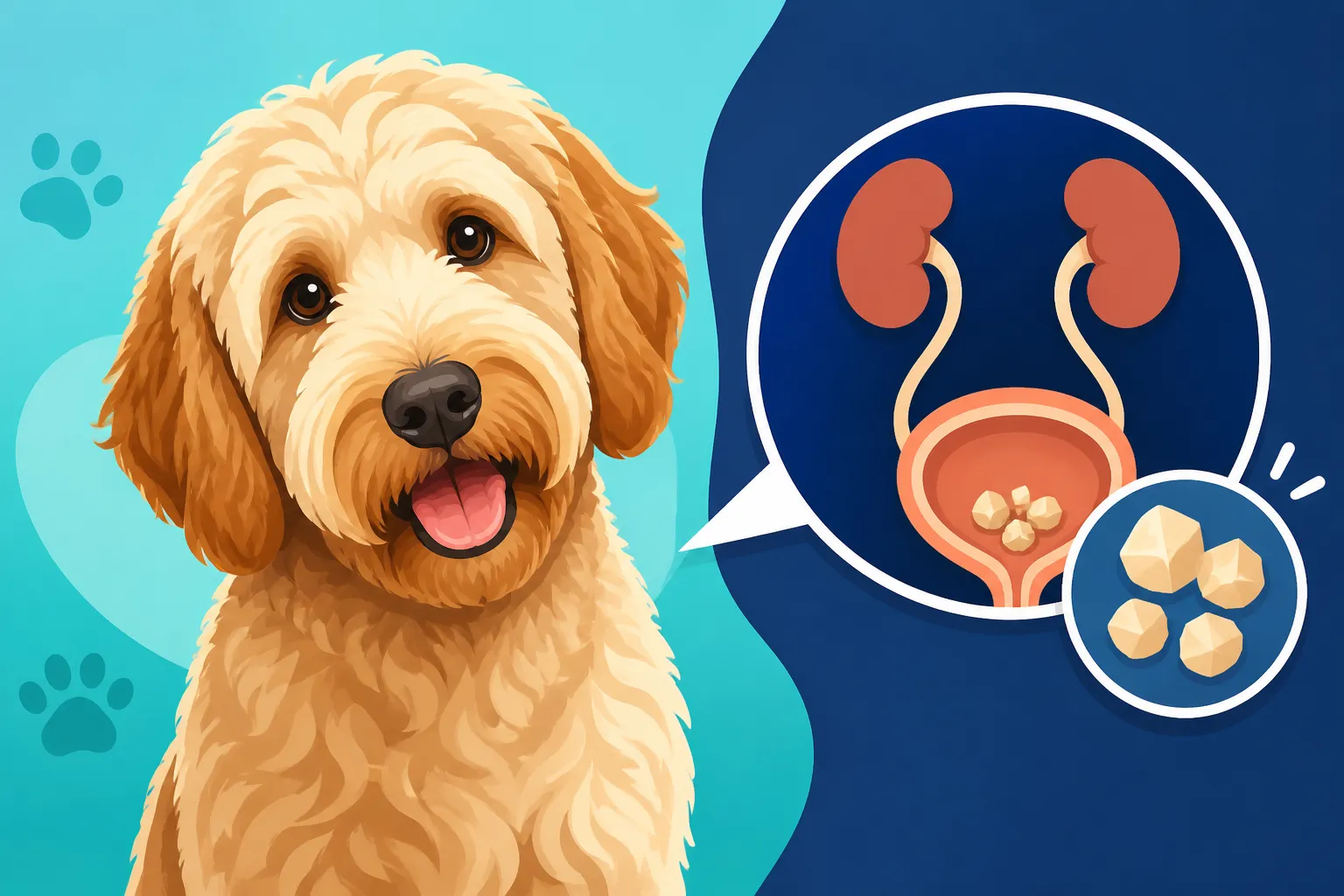
Urinary stones, or uroliths, are solid mineral concretions that can form in the urinary tract, causing immense pain and potentially life-threatening blockages. Among the various types of stones, calcium oxalate stones are particularly common in dogs and can be a persistent problem.
What Exactly Are These Stones?
Calcium oxalate stones are tiny, crystal-like formations composed primarily of calcium and oxalic acid. Think of them like tiny, jagged pebbles that can develop anywhere in your dog’s urinary tract, from the kidneys down to the bladder and urethra. They form when there's an excess of calcium and oxalate in the urine, combined with specific urine pH levels and other factors that allow these minerals to crystallize and clump together. Unlike some other types of stones, like struvite, calcium oxalate stones rarely dissolve with diet changes alone, meaning they often require more intensive intervention once they’ve formed. They can be incredibly painful, causing inflammation and irritation wherever they are located. If they become lodged in the urethra, they can cause a complete blockage, which is a medical emergency requiring immediate veterinary attention.
This formation process isn't just a random event; it's often influenced by a combination of genetics, diet, urine concentration, and how frequently a dog urinates. For instance, if a dog isn't drinking enough water, their urine becomes more concentrated, providing a denser environment for crystals to form. Similarly, certain foods high in oxalates can contribute to the problem. It’s a delicate balance of bodily chemistry, and when that balance is off, these unwelcome guests can start to appear, making life miserable for your otherwise happy and energetic Labradoodle. Understanding the underlying mechanisms is the first step in both prevention and effective management.
The Labradoodle's Specific Predisposition
Now, the burning question: are Labradoodles more prone to these calcium oxalate stones? The answer lies largely in their genetic makeup, specifically the Poodle side of their heritage. Poodles, particularly Miniature and Toy Poodles, have a documented genetic predisposition to forming calcium oxalate stones. While the Labrador Retriever side doesn't carry the same strong genetic link for this particular issue, the Poodle influence is significant enough to mean that Labradoodles can inherit an increased risk. This doesn't mean every Labradoodle will develop them, but it certainly puts them in a higher risk category compared to some other breeds.
Breeders committed to the health of their lines will often screen their Poodle breeding stock for any history of urinary stone formation, but it’s not always a testable genetic marker like some other inherited conditions. Therefore, owners need to be particularly vigilant. This predisposition is often related to how their kidneys process calcium and oxalate, or how well their bodies regulate urine pH. It’s not about poor breeding necessarily, but rather a known trait within the Poodle breed that carries over to their delightful Labradoodle offspring. Being aware of this heightened risk is crucial for proactive care and for knowing what to look out for as your dog grows and ages.
Recognizing Symptoms and Confirming Diagnosis
Catching urinary stones early is paramount to preventing severe pain, complications, and costly emergency treatments. Owners play a vital role in being observant and knowing when to seek veterinary help.
Early Warning Signs Every Owner Should Know
The signs of urinary stones can sometimes be subtle, especially in the early stages, but they often become more pronounced as the condition progresses. One of the first things many owners notice is a change in their Labradoodle's urination habits. They might start needing to go out more frequently, often producing only small amounts of urine each time. You might also notice your dog straining significantly, hunched over and pushing, but still struggling to void their bladder completely. This straining, known as dysuria, is a clear indicator that something is amiss.
Another unmistakable sign is blood in the urine, medically termed hematuria. This can range from a faint pinkish tinge to a noticeable red, and it's caused by the sharp edges of the stones irritating the delicate lining of the bladder and urethra. Beyond visible changes in urination, your Labradoodle might also start licking at their genital area more excessively than usual due to discomfort. They may appear restless, show signs of abdominal pain when touched, or even have accidents in the house, despite being fully house-trained. If your typically vibrant Labradoodle starts acting a bit "off"—lethargic, grumpy, or showing a decreased appetite—and these behavioral changes coincide with any urinary symptoms, it’s a red flag. Remember that for general overall wellness, it's important to keep up with your dog's regular vet visits, as discussed in The Yearly Screening a Labradoodle Should Get.
How Vets Identify Urinary Stones
If you suspect your Labradoodle might have urinary stones, a trip to the vet is absolutely necessary. The diagnostic process typically starts with a thorough physical examination and a detailed discussion about your dog's symptoms and history. Your vet will likely then recommend a urinalysis, which involves analyzing a urine sample. This test can reveal the presence of blood, infection, and critically, crystals. While crystals in the urine don't automatically mean stones are present, they are a strong indicator that the conditions for stone formation exist.
To confirm the presence, size, and location of actual stones, imaging techniques are essential. X-rays are often the first step, as calcium oxalate stones are typically radiopaque, meaning they show up clearly on radiographs. However, very small stones might be missed, or their exact location might be ambiguous. In such cases, or if stones are suspected in the kidneys, an ultrasound might be recommended. An ultrasound provides a more detailed view of the bladder and kidneys, allowing the vet to see the internal structure and any stones that might be hiding. In some complex cases, a contrast study (injecting dye into the urinary tract) or even a cystoscopy (inserting a tiny camera into the bladder) may be performed for a definitive diagnosis. Getting an accurate diagnosis quickly means your vet can then discuss the best treatment options, which is particularly important as some conditions, like Whether a Labradoodle Inherits Kidney Disease, can also present with similar symptoms.
Managing and Preventing Calcium Oxalate Stones
Once calcium oxalate stones are diagnosed, a comprehensive management plan is crucial. This often involves a multi-pronged approach focusing on diet, hydration, and, if necessary, medical or surgical intervention.
Dietary Strategies to Minimize Risk
Diet plays a huge role in both the prevention and recurrence of calcium oxalate stones. The primary goal is to create urine that is less saturated with the stone-forming minerals and to encourage a more alkaline (higher pH) urine environment, as calcium oxalate stones typically form in acidic urine. Your vet will likely recommend a prescription diet specifically formulated for managing calcium oxalate urolithiasis. Brands like Hill's Prescription Diet u/d or Royal Canin Urinary SO are common choices. These diets are typically lower in protein, calcium, and oxalate, and contain ingredients designed to increase urine volume and alkalinity.
Beyond prescription foods, there are general principles to follow if your dog is at risk. Avoiding foods high in oxalates, such as spinach, sweet potatoes, and certain nuts, can be beneficial. It's also important to ensure the diet isn't excessively high in calcium. Always consult your vet before making any drastic dietary changes or adding supplements, as an incorrect diet can exacerbate the problem. Ensuring your Labradoodle isn't overweight is also a good idea, as obesity can sometimes contribute to general health issues, and you should always monitor their food intake, especially if you have a Labradoodle that seems to be Whether a Labradoodle Is Always Hungry. For senior dogs, dietary needs change, so understanding Feeding an Old Labradoodle That Has Slowed Down is also important for their overall well-being.
Lifestyle Adjustments and Hydration
Increasing your Labradoodle's water intake is one of the most impactful lifestyle changes you can make. Diluted urine is less likely to form crystals. Encourage drinking by offering fresh, clean water at all times, using multiple water bowls around the house, and even considering a pet drinking fountain, which can entice some dogs to drink more due to the moving water. Adding a little bit of low-sodium broth to their water can also make it more appealing. For dogs on dry kibble, moistening it with water or switching to a wet food diet can significantly boost their fluid intake.
Beyond hydration, ensuring your Labradoodle has frequent opportunities to urinate is important. The longer urine sits in the bladder, the more time crystals have to settle and aggregate into stones. Regular, frequent potty breaks, especially after waking up and after meals, can help flush out the urinary system. Maintaining a consistent exercise routine is also beneficial for overall health, but avoid excessive activity in hot weather, as dehydration can concentrate urine. Regular vet check-ups are also vital for ongoing monitoring.
Medication and Surgical Options
When dietary and lifestyle changes aren't enough, or if stones are already large and causing problems, medication or surgery might be necessary. For small stones or to prevent recurrence, vets often prescribe potassium citrate. This medication helps to alkalinize the urine and bind with calcium, making it less likely for calcium oxalate crystals to form. It’s a lifelong medication for many dogs, and consistent administration is key. Your vet will monitor urine pH and crystal formation regularly to ensure the medication is effective.
However, once calcium oxalate stones have formed and are causing symptoms, they often require removal because, as mentioned, they usually don't dissolve. The most common surgical procedure is a cystotomy, where the bladder is surgically opened, and the stones are removed. For male dogs with stones lodged in the urethra, sometimes a procedure called a perineal urethrostomy (PU surgery) may be recommended, which widens the urethra to prevent future blockages. Non-surgical options like voiding hydropulsion (flushing small stones out with fluid pressure) or lithotripsy (using shock waves to break up stones) are less common but may be considered in specific cases. Pet insurance, such as through Healthy Paws, can be incredibly helpful in mitigating the financial burden of such extensive treatments, as these procedures can be quite costly.
Living Long and Healthy with a Stone-Prone Labradoodle
Managing calcium oxalate stones can feel daunting, but with the right approach, your Labradoodle can still lead a full and happy life. It’s a journey of vigilance and commitment.
Continuous Care and Financial Planning
Living with a Labradoodle prone to calcium oxalate stones requires a proactive and consistent approach to their healthcare. This means adhering strictly to the prescribed diet and medication regimen, as even minor deviations can increase the risk of recurrence. Regular veterinary check-ups, often every three to six months, will include urinalysis to monitor urine pH and check for the presence of crystals or bacteria that could complicate matters. Your vet might also recommend periodic X-rays or ultrasounds to scan for any new stone formation before they become large enough to cause severe problems. This ongoing vigilance is your best defense against recurrence.
The financial aspect of managing a chronic condition like recurrent urinary stones can be substantial. Prescription diets are often more expensive than standard kibble, and lifelong medications like potassium citrate add to the monthly budget. Should surgery be required again, the costs can quickly escalate. This is where investing in pet insurance, like a comprehensive plan from Healthy Paws, becomes an absolute lifesaver. A good policy can cover a significant portion of diagnostic tests, medications, and surgical procedures, providing immense peace of mind and ensuring you can always choose the best care for your Labradoodle without undue financial stress. Planning ahead for these potential costs is an act of love for your furry family member, helping them to live out The Twelve to Fifteen Years a Labradoodle Lives in comfort.
The Emotional Impact on Owners
Let’s be honest, dealing with a pet’s chronic health issue is emotionally taxing. Watching your Labradoodle strain to urinate, seeing blood, or knowing they’re in discomfort can be heartbreaking. The worry about recurrence, the constant monitoring of their water intake and bathroom habits, and the strict adherence to diet can feel like a heavy burden. It’s natural to feel frustrated, stressed, or even guilty, wondering if there was something more you could have done. However, it’s important to remember that you are doing everything you can by being informed and proactive.
Connecting with other Labradoodle owners who have faced similar challenges can provide invaluable support and shared wisdom. Online forums or local breed groups can be great resources for emotional support and practical tips. Recognize that while it’s a challenge, it's also an opportunity to deepen your bond with your dog through dedicated care. Every extra year of comfort and happiness you provide is a testament to your love. The challenges of health issues are certainly something to consider, as many owners, when looking back, consider What a Labradoodle Owner Should Watch For After Eight as their dog ages.
Here's a quick overview of some common urinary stones:
| Stone Type | Common Causes | Urine pH Preference | Dissolvable with Diet? | Common Breeds at Risk |
|---|---|---|---|---|
| Calcium Oxalate | High calcium/oxalate in urine, acidic urine, genetics | Acidic | Rarely | Poodles, Schnauzers, Shih Tzus, Bichon Frises |
| Struvite | Urinary tract infections (often bacterial) | Alkaline | Yes, often | Schnauzers, Labradors, Cocker Spaniels, Bichon Frises |
| Urate | Genetic metabolic defect, high purine diet | Acidic | Sometimes | Dalmatians, English Bulldogs, Black Russian Terriers |
| Cystine | Genetic defect in amino acid transport | Acidic | Sometimes | Newfoundlands, Dachshunds, English Bulldogs |
Remember that your veterinarian is your best resource for tailored advice and treatment plans for your specific Labradoodle. They can guide you through the complexities of stone management and ensure your beloved companion receives the best possible care.
Disclaimer
This article is intended for informational purposes only and is not a substitute for professional veterinary advice. Always consult with your veterinarian regarding any health concerns or before making any decisions about your Labradoodle's care or treatment.