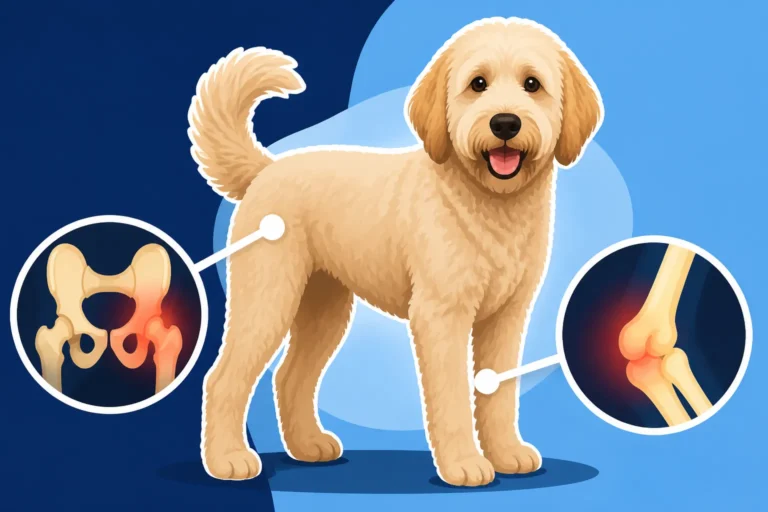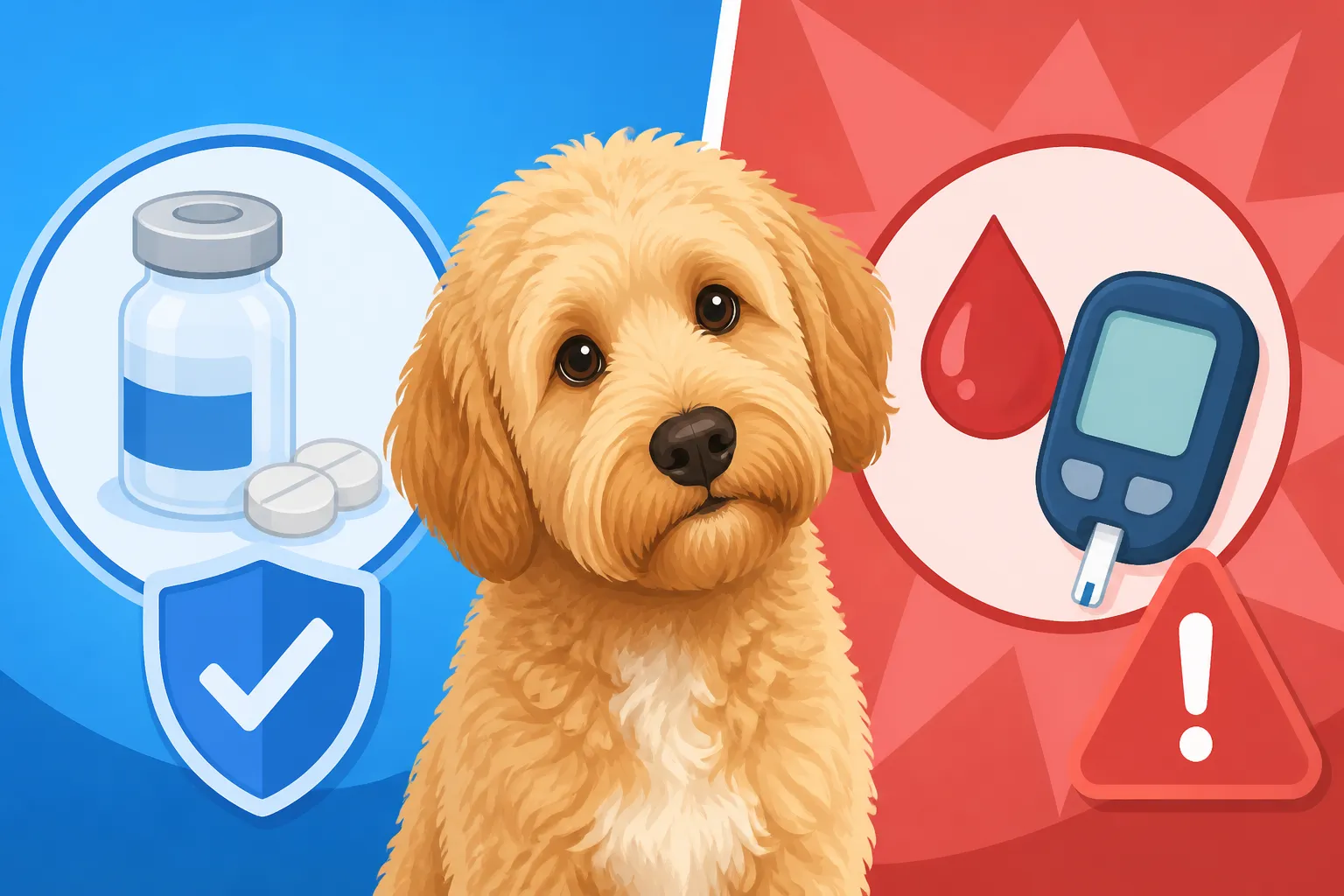
Whether Long Term Steroids Give a Labradoodle Diabetes
It’s a truly frightening moment when your beloved Labradoodle, who’s been on long-term steroid medication for a persistent issue like allergies or inflammatory bowel disease, starts showing signs that just don’t seem right. Many of us worry constantly about the side effects of these powerful drugs, and one of the biggest concerns is whether long-term steroid use could actually lead to something as serious as diabetes in our furry family members. This guide is here to shed light on that very real possibility, explain the connection, and arm you with the knowledge to protect your Labradoodle's health.
Understanding Steroids and Their Role in Your Labradoodle's Health
When your vet prescribes steroids for your Labradoodle, it’s usually for a good reason. These medications, officially known as corticosteroids, are incredibly potent anti-inflammatory and immunosuppressive agents. They can be a true lifesaver for dogs dealing with a range of challenging conditions.
Why Your Labradoodle Might Need Steroids
You might find your Labradoodle on steroids for conditions that make their lives miserable or even threaten them. Common scenarios include severe allergic reactions, like persistent skin itching and hot spots that just won't clear up, or autoimmune diseases where their body mistakenly attacks its own tissues. For example, conditions like inflammatory bowel disease (IBD) can cause chronic vomiting and diarrhea, and steroids can help calm that angry gut. They’re also crucial in managing certain cancers or severe arthritis, where inflammation causes debilitating pain. It’s important to remember that while steroids can have side effects, often the benefits of managing these serious conditions far outweigh the risks, at least in the short term. The decision to use them is always a careful balance, often after other options have been exhausted.
Different Forms and Durations of Steroid Treatment
Steroids come in various forms and potencies, and how they’re administered significantly impacts their effects. Your Labradoodle might receive an injection at the vet's office that lasts for several weeks, or you might be sent home with pills like prednisone or prednisolone to give daily. There are also topical creams for skin issues or eye drops for specific eye inflammations. The duration of treatment is key. Short-term bursts, perhaps for a sudden allergic flare-up, are generally well-tolerated. It's the long-term, continuous use—especially at higher doses—that starts to raise the risk profile for complications like diabetes. Your vet will always try to use the lowest effective dose for the shortest possible time, but for chronic conditions, "long-term" can mean months or even years of consistent medication.
The Direct Link Between Long-Term Steroid Use and Diabetes
It’s not just an old wives' tale; there's a very real physiological connection between long-term steroid administration and the development of diabetes in dogs, including our beloved Labradoodles. This isn't about blaming the medication, but understanding how it works within the body.
How Steroids Affect Blood Sugar Regulation
Corticosteroids like prednisone directly interfere with how your Labradoodle’s body handles blood sugar. Essentially, they mimic cortisol, a natural stress hormone, and one of cortisol’s jobs is to raise blood glucose levels. It does this by stimulating the liver to produce more glucose and by making the body’s cells less responsive to insulin—a hormone that usually ushers glucose from the bloodstream into cells for energy. This phenomenon is called insulin resistance. When cells become resistant, the pancreas has to work overtime, producing more and more insulin to try and keep blood sugar levels normal. If this goes on for too long, the pancreas, specifically the insulin-producing beta cells, can become exhausted and fail. This can lead directly to full-blown diabetes mellitus. It's a progressive problem, often starting subtly and worsening over time. This is why if your Labradoodle is on these medications long-term, regular vet check-ups are even more crucial, including bloodwork that monitors these vital levels as part of their The Yearly Screening a Labradoodle Should Get.
Increased Pancreatic Stress and Genetic Predisposition
The constant demand for the pancreas to produce more insulin puts it under immense stress. Imagine running a marathon every single day – eventually, you'd burn out. The same can happen to the pancreatic cells responsible for insulin production. While any dog can develop steroid-induced diabetes, some breeds might have a genetic predisposition that makes them more susceptible when steroids are introduced. While Labradoodles aren't specifically called out as one of the highest-risk breeds for steroid-induced diabetes (like some terriers or Samoyeds are for general diabetes), they inherit genes from both the Labrador Retriever and the Poodle, breeds that can be prone to diabetes. Therefore, keeping an eye on their health, especially if they are also struggling with something like Thyroid Failure Behind a Labradoodle's Coat Loss, is paramount. It’s another layer of complexity that diligent owners need to be aware of.
Recognizing the Signs of Diabetes in Your Labradoodle
Catching diabetes early, especially if your Labradoodle is on long-term steroids, can make a huge difference in their prognosis and quality of life. The signs can sometimes be subtle or easily mistaken for other issues.
Classic Symptoms to Watch For
The four "P's" are the classic giveaways for diabetes in dogs:
- Polydipsia (Increased Thirst): Your Labradoodle might be emptying their water bowl much faster than usual, or constantly asking for water. You might even notice them trying to drink from unusual places.
- Polyuria (Increased Urination): With increased drinking comes increased peeing. You might notice more frequent potty breaks, larger puddles, or even accidents in the house from a previously perfectly house-trained dog. This is one of the more common signs that can really catch an owner's attention.
- Polyphagia (Increased Hunger): This can be a confusing one. Despite eating more, often ravenously, your dog might actually be losing weight. Their body isn't effectively utilizing the glucose from their food, so the cells are starving for energy, signaling hunger. If your Labradoodle seems to be Whether a Labradoodle Is Always Hungry even after a good meal, it's worth noting.
- Weight Loss: As mentioned, even with increased eating, dogs with diabetes often lose weight because their bodies can't use glucose properly and start breaking down fat and muscle for energy. This can be particularly concerning if it's accompanied by other symptoms.
Other signs can include lethargy, a dull coat, or even recurrent infections because high blood sugar can suppress the immune system. If you notice a combination of these, it's definitely time for a vet visit.
Differentiating Steroid Side Effects from Diabetes Symptoms
This is where it gets tricky! Many of the immediate side effects of steroids can overlap with early diabetes symptoms, making diagnosis a challenge. For instance, increased thirst, urination, and hunger are all common side effects of steroids themselves. Your Labradoodle might also gain weight initially from the steroid's effect on appetite, only to start losing it if diabetes sets in. They might also appear more restless or pant more. The key is to notice changes in these patterns. If the thirst suddenly becomes extreme, or the weight loss is undeniable despite the increased appetite, these are red flags. This is why regular communication with your veterinarian is so critical. They can help you understand the nuances and decide when additional diagnostics are warranted. If you're seeing any of The Vague Signs of Addison's in a Labradoodle—another endocrine disease—it highlights how complex these hormonal issues can be.
| Symptom | Common Steroid Side Effect | Potential Diabetes Symptom | Key Differentiating Factor |
|---|---|---|---|
| Increased Thirst | Yes (common) | Yes (classic) | Extreme thirst, new onset while on stable steroid dose, or worsening rapidly. |
| Increased Urination | Yes (common) | Yes (classic) | Excessive urination, accidents in house, or sudden significant increase. |
| Increased Hunger | Yes (common) | Yes (classic) | Ravenous appetite with weight loss, despite eating more. |
| Weight Gain | Yes (initially, due to appetite) | No (typically weight loss) | If weight gain turns to unexplained loss despite eating. |
| Lethargy / Weakness | No (can be more restless) | Yes (common) | New onset of weakness, especially combined with other P's. |
| Recurrent Infections | No (immunosuppression) | Yes (common) | Any new or worsening infections, particularly urinary or skin. |
Managing Steroid Use and Mitigating Diabetes Risk
Navigating steroid treatment for your Labradoodle while trying to prevent diabetes can feel like walking a tightrope. But with careful management and proactive steps, you can significantly reduce the risks.
Working Closely with Your Veterinarian
Your veterinarian is your most important ally in this journey. If your Labradoodle is on long-term steroids, make sure you have regular check-ups, even if your dog seems fine. These visits should include blood work to monitor blood glucose levels, liver enzymes (which can also be affected by steroids), and kidney function. Discuss with your vet alternative treatments or the possibility of tapering down the steroid dose if the underlying condition allows. Sometimes, combining steroids with other medications can help reduce the required steroid dosage, thereby lowering the risk of side effects. For instance, if your Labradoodle is experiencing Life on Daily Medication for an Addisonian Labradoodle, their medication regimen is likely very specific and needs strict veterinary oversight. Don't ever adjust steroid dosages on your own; a sudden stop can cause a severe crisis.
Dietary Adjustments and Exercise Regimen
Diet and exercise play a huge role in managing blood sugar and overall health, especially for dogs on steroids. Steroids can increase appetite and lead to weight gain, which itself is a risk factor for diabetes. It’s crucial to prevent The Weight a Labradoodle Puts On Without Anyone Noticing.
- Diet: Your vet might recommend a diet lower in carbohydrates and higher in fiber to help stabilize blood sugar. Avoid high-sugar treats and table scraps. Focus on high-quality, balanced dog food. If your Labradoodle is an older dog, discussing Feeding an Old Labradoodle That Has Slowed Down with your vet is also important, as their nutritional needs change.
- Exercise: Regular, moderate exercise helps improve insulin sensitivity and manage weight. Even if your Labradoodle is aging or dealing with joint stiffness, finding appropriate activities, perhaps a gentle swim or shorter, more frequent walks, is vital. For a Labradoodle that struggles with mobility due to age, think about Exercise for a Stiff Old Labradoodle. Consistency is more important than intensity. Keep an eye on any conditions like Exercise Induced Collapse and the Labradoodle's Labrador Half, which would need careful exercise planning.
Proactive Monitoring and Early Intervention
Beyond regular vet visits, you, as the owner, are on the front lines of monitoring your Labradoodle's health. Pay close attention to their water intake, urination frequency, and appetite. Keep a log if necessary, as small changes can be significant clues. If you notice any of the classic diabetes symptoms, contact your vet immediately. Early diagnosis means earlier intervention, which can prevent more severe complications. Some owners even invest in home glucose monitoring strips for urine, though these are less precise than blood tests. Insurance providers like Healthy Paws offer coverage options that can help manage the ongoing costs of chronic conditions like diabetes or the diagnostic tests needed to catch them early. Knowing you have that safety net can alleviate some of the financial stress that comes with long-term medical care.
Remember, the goal isn't to demonize steroids, but to use them wisely and mitigate their potential downsides. With vigilance and close veterinary partnership, you can give your Labradoodle the best chance at a long, healthy life, even if they require long-term steroid therapy. It's about being informed and empowered, advocating for your furry best friend's well-being through every stage of their life, especially as you consider What a Labradoodle Owner Should Watch For After Eight.
Disclaimer
The information provided in this article is for educational purposes only and is not intended to be a substitute for professional veterinary advice, diagnosis, or treatment. Always seek the advice of your veterinarian or other qualified animal health provider with any questions you may have regarding a medical condition.