Whether Repeat Ear Infections Mean a Labradoodle Has Allergies
It’s incredibly disheartening and frustrating to watch your beloved Labradoodle constantly shaking their head, scratching at their ears, or developing that all-too-familiar yeasty odor. If you've found yourself in a cycle of endless vet visits, temporary relief, and then the return of those pesky ear infections, you’re not alone. This comprehensive guide will delve into why your Labradoodle might be experiencing these recurring issues and how allergies often play a central, hidden role in their ear health.
Understanding the Labradoodle's Ear Anatomy
Before we dive into the nitty-gritty of allergies, let's talk about why Labradoodle ears, specifically, seem to be a magnet for trouble. It's not just bad luck; it's often a combination of genetics and design.
The Drop Ear Design and Its Challenges
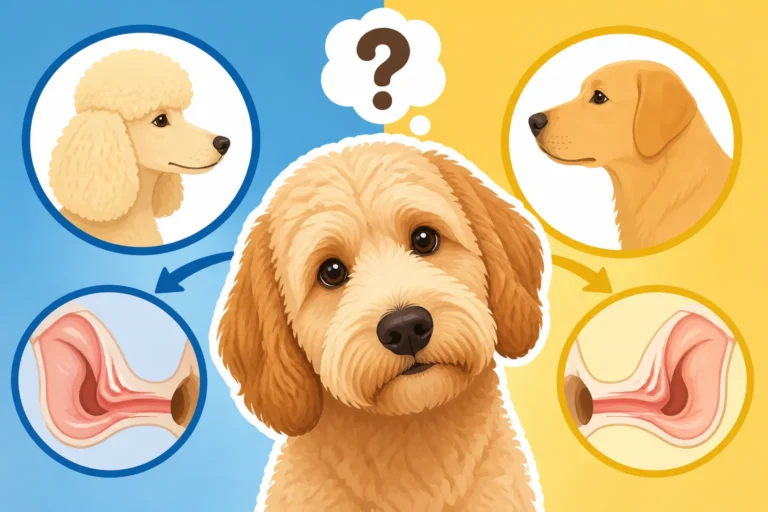
Take a look at your Labradoodle’s ears. Unlike dogs with upright, pricked ears that allow for excellent airflow, Labradoodles inherit a lovely, floppy "drop ear" design from both their Labrador and Poodle parents. While undeniably cute, this design creates a warm, dark, and often moist environment within the ear canal. Imagine trying to air out a damp towel in a sealed bag – it's just not going to happen efficiently. This lack of ventilation means moisture, debris, and warmth get trapped, creating an ideal breeding ground for bacteria and yeast, which are the usual culprits behind ear infections.
For dogs with erect ears, air circulates freely, helping to dry out the canal and keep things inhospitable for microorganisms. But for our sweet Labradoodles, that natural air circulation is significantly reduced. This predisposition is a fundamental challenge many owners face, setting the stage for repeat infections, especially if other factors, like allergies, are in play. It’s part of the unique physiology that comes from Whether a Labradoodle's Ear Canal Is Poodle or Labrador.
The Hair That Grows Where a Labradoodle's Ear Should Drain
Adding another layer to the ear challenge is the prolific hair growth many Labradoodles experience inside their ear canals. This isn't just a bit of fuzz; some Labradoodles have dense, curly hair that acts like a dam, further trapping moisture, wax, and debris deep within the ear. It’s like having a clogged drain in a damp environment – everything just sits there and festers.
This internal ear hair makes it incredibly difficult for the ear to naturally clean itself and for any ear cleaning solutions to penetrate effectively. Many owners grapple with the question of Whether a Labradoodle's Ear Hair Causes Its Infections. This debate often revolves around how best to manage this growth. Without proper management, this hair contributes significantly to the cycle of recurring infections, providing ample surface area for bacteria and yeast to cling to and thrive.
Recognizing the Signs of Chronic Ear Trouble
When your Labradoodle gets an ear infection, some signs are pretty hard to miss. But with chronic issues, there can be more subtle indicators that an experienced eye might pick up, hinting at a deeper, underlying problem.
Beyond the Obvious Head Shaking and Scratching
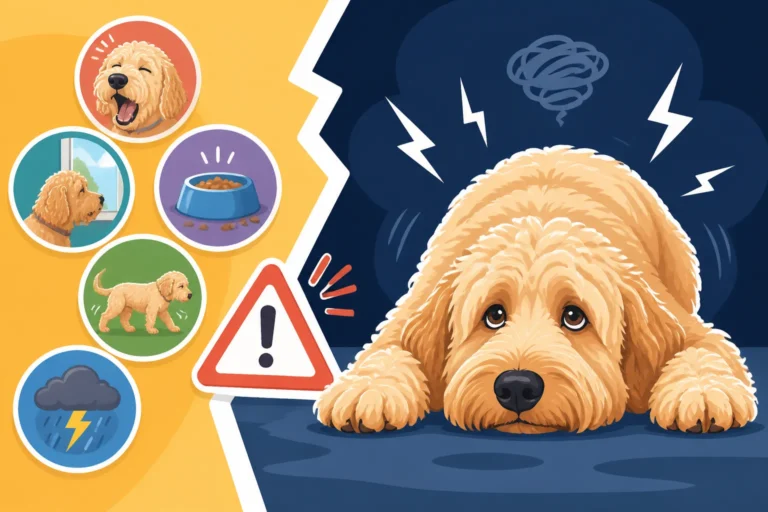
Of course, the classic signs of an ear infection are frantic head shaking, pawing at the ears, and relentless scratching. You might also notice a foul odor emanating from the ear, a dark brown, black, or yellowish discharge, and visible redness or swelling inside the ear flap. However, with chronic issues, sometimes the signs become less dramatic. Your dog might develop a slight head tilt, favoring one ear. They might become more irritable, reluctant to have their head touched, or even show a decrease in their usual playful energy.
Some Labradoodles become very adept at hiding their discomfort, especially if they've dealt with chronic pain. Owners might only notice a subtle change in behavior, such as a slight withdrawal, or perhaps a more noticeable odor that seems to reappear shortly after a course of treatment ends. Regularly inspecting your Labradoodle's ears – gently lifting the flap and sniffing the opening – can help you catch these subtle cues before they escalate into a full-blown, painful infection.
The Cycle of Infection and Treatment Frustration
Many Labradoodle owners find themselves stuck in a frustrating loop: their dog develops an ear infection, they go to the vet, get ear drops or oral medication, the infection clears up, and everyone breathes a sigh of relief. Then, a few weeks or months later, it’s back with a vengeance. This recurring pattern, known as chronic otitis, is often the biggest red flag that something more profound is going on than just a simple, one-off infection.
This cycle is incredibly frustrating, not just for you but for your dog, who experiences repeated discomfort. It also takes a toll on your wallet and your peace of mind. If you’re constantly battling ear infections, it’s a strong indication that the underlying cause hasn't been addressed. Treating the symptoms repeatedly without identifying the root problem is like endlessly bailing water out of a leaky boat instead of patching the hole. This persistent recurrence is exactly what should prompt a deeper investigation with your veterinarian, moving beyond symptomatic relief to uncover the true culprit.
The Deep Link Between Allergies and Ear Infections
This is where the pieces often fall into place for many Labradoodle owners. While ear anatomy and hair play a role, allergies are frequently the silent, driving force behind those never-ending ear infections.
How Allergies Manifest in a Labradoodle's Ears
For many dogs, particularly breeds like the Labradoodle, allergies don’t always show up as sneezing or hives. Instead, they often manifest as skin issues, and the skin lining the ear canal is no exception. When a Labradoodle has an allergic reaction, whether it's to something they've inhaled, eaten, or touched, their immune system overreacts. This leads to widespread inflammation throughout the body, and often, the ears are one of the first and most severely affected areas.
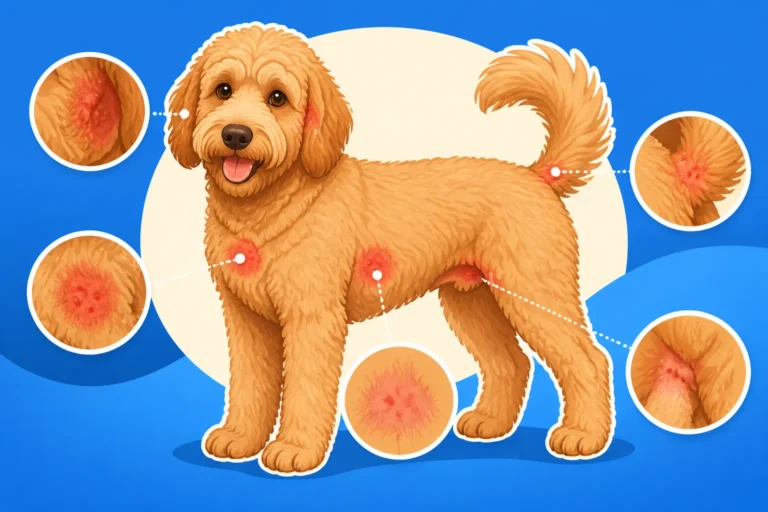
This allergic inflammation causes the delicate skin in the ear canal to become red, itchy, and swollen. This altered environment is perfect for the overgrowth of naturally occurring bacteria and yeast, like Malassezia pachydermatis, which can lead to Yeast Trapped Under a Labradoodle's Coat. The inflamed tissue produces more wax and moisture, creating a warm, nutrient-rich soup for these opportunistic microorganisms to thrive. So, while the immediate problem is a bacterial or yeast infection, the reason that infection keeps coming back is the underlying allergic inflammation. If you notice your Labradoodle is itchy elsewhere on their body, like their paws or belly, it’s an even stronger indicator that allergies are at play. This link is why we often say the ears are the "canary in the coal mine" for a dog with allergies, highlighting Allergies Behind a Labradoodle's Itching.
Common Types of Allergies Affecting Labradoodles
Just like in people, allergies in dogs can come in a few different forms, and identifying the specific type is key to effective management.
-
Environmental Allergies (Atopy): This is one of the most common culprits. Imagine seasonal allergies in humans, but instead of just runny noses, dogs often get itchy skin and ears. Labradoodles can be sensitive to airborne allergens like pollen (from trees, grasses, weeds), dust mites, and mold spores. These allergens are inhaled or absorbed through the skin, triggering an immune response that causes inflammation. Depending on where you live and the time of year, your Labradoodle's ear issues might flare up seasonally, offering a clue. This type of allergy is often referred to as Whether Atopy Explains a Labradoodle's Itching.
-
Food Allergies: While less common than environmental allergies, food allergies can definitely cause recurring ear infections. In these cases, your Labradoodle's immune system mistakenly identifies a protein in their food as a threat, leading to an inflammatory response. Common food allergens for dogs include proteins like chicken, beef, dairy, wheat, soy, and lamb. The reactions aren’t always immediate, which can make them tricky to pinpoint. The symptoms are often year-round, unlike seasonal environmental allergies.
-
Contact Allergies: These are rarer for ear issues but can occur if your dog's ears come into direct contact with an irritating substance. Think about certain plants, carpet cleaners, or even topical medications they might react to. The good news is that these are often easier to identify and remove from your dog's environment.
Understanding these different types is crucial because the diagnostic and management strategies vary significantly.
Diagnosing the Underlying Allergy
Pinpointing the exact allergen causing your Labradoodle's ear woes requires a systematic approach, often in partnership with your veterinarian. It’s not always a quick fix, but it’s essential for long-term relief.
The Veterinary Approach to Chronic Otitis
When you bring your Labradoodle to the vet with recurring ear infections, the first step is always to treat any active infection. Your vet will typically perform an otoscopic exam to look deep into the ear canal and check the eardrum. They will also do a cytology, which involves taking a swab of the ear discharge and examining it under a microscope. This helps identify whether bacteria, yeast, or both are present, and gives a clue as to which type (e.g., rods or cocci for bacteria). Sometimes, for persistent or resistant infections, a culture and sensitivity test will be done. This test identifies the specific type of bacteria or yeast and determines which antibiotics or antifungals will be most effective.
It's critical that any active infection is cleared before pursuing allergy testing. Trying to perform allergy tests or an elimination diet while your dog is still itchy and uncomfortable from an active infection will skew results and make it harder to differentiate between allergy symptoms and infection symptoms. Your vet might also want to do The Yearly Screening a Labradoodle Should Get to rule out other systemic health issues. Once the infection is under control, the real detective work for allergies can begin.
Allergy Testing Options for Labradoodles
Once your Labradoodle's ears are clear of infection, your vet might suggest various allergy testing methods to identify the underlying cause. Each method has its pros and cons.
-
Intradermal Skin Testing (IDST): Often considered the "gold standard" for diagnosing environmental allergies (atopy). This procedure is typically performed by a veterinary dermatologist. It involves shaving a small patch of your dog's side and injecting tiny amounts of various common allergens (like pollens, dust mites, molds) just under the skin. The dermatologist then observes for local reactions (redness and swelling) at the injection sites, which indicate sensitivity to a particular allergen. It's highly accurate for environmental allergens but requires sedation and a specialist.
-
Serum IgE Blood Testing: This is a less invasive option where a blood sample is taken and sent to a lab to measure specific IgE antibodies against a panel of environmental or food allergens. While convenient, the results can sometimes be less reliable than IDST for environmental allergies. For food allergies, blood tests can be particularly tricky, often yielding false positives or negatives, which is why they are not usually the primary method for diagnosing food sensitivities.
-
Elimination Diet Trial: This is the most accurate way to diagnose food allergies. It involves feeding your Labradoodle a novel protein diet (one they've never eaten before, like kangaroo or duck) or a hydrolyzed protein diet (where the proteins are broken down so small the immune system doesn't recognize them as allergens) for a strict period, usually 8-12 weeks. During this time, absolutely no other treats, table scraps, or flavored medications are allowed. If the ear infections and other allergy symptoms resolve during this trial, then food allergies are highly suspected. After the trial, your vet will guide you through a "challenge" phase, reintroducing single ingredients to identify the specific culprits. This takes dedication but is invaluable for accurate diagnosis of food sensitivities, impacting Whether Food Changes a Labradoodle's Itching.
Choosing the right testing method depends on your dog's symptoms, your vet's recommendations, and your resources.
| Allergy Testing Method | Type of Allergy Detected | Accuracy (General) | Invasiveness | Timeframe | Cost (Approx.) |
|---|---|---|---|---|---|
| Intradermal Skin Testing | Environmental (Atopy) | High | Moderate | Single visit | Moderate to High |
| Serum IgE Blood Testing | Environmental, Food | Variable (can have false +/-) | Low | Days to weeks | Moderate |
| Elimination Diet Trial | Food | High (Gold Standard) | Low | 8-12 weeks | Variable (food costs) |
Managing Allergies to Prevent Ear Infections
Once you've identified the specific allergens affecting your Labradoodle, the real work of managing their condition begins. The goal is to reduce inflammation and prevent those frustrating recurring ear infections.
Environmental Allergy Management Strategies
Managing environmental allergies often involves a multi-pronged approach to reduce exposure and control the immune response. For many Labradoodles, lifelong management is necessary.
- Medications: Your vet might prescribe antihistamines, anti-inflammatory medications, or newer targeted drugs like Apoquel or Cytopoint to control the itch and inflammation. Omega-3 fatty acid supplements can also help support skin barrier health and reduce inflammation.
- Immunotherapy: If IDST or blood tests pinpoint specific environmental allergens, your vet may recommend immunotherapy, often called allergy shots or drops. This involves giving your dog gradually increasing doses of the identified allergens over time, essentially desensitizing their immune system. While it takes time (6-12 months to see full effect), it can significantly reduce symptoms and the need for other medications, offering long-term relief.
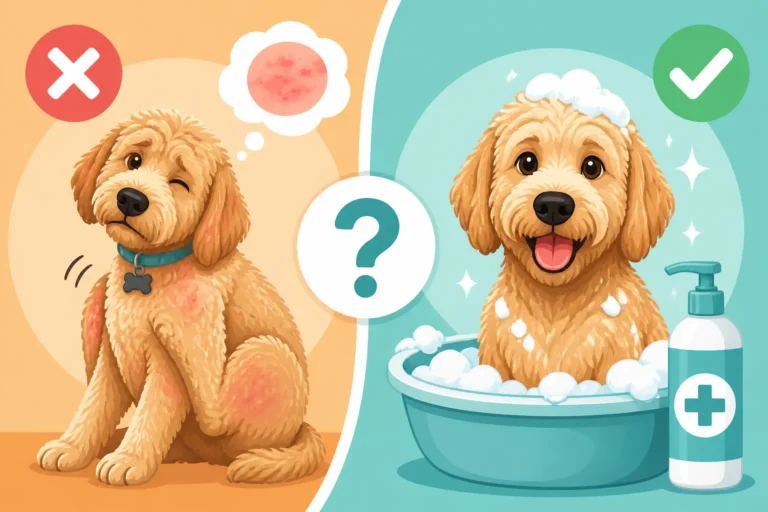
- Topical Care: Regular ear cleaning with a vet-approved solution is paramount, especially after swims or baths. This helps flush out allergens and keep the ear canal clean and dry. Additionally, medicated shampoos can help soothe irritated skin and manage secondary yeast or bacterial overgrowth, providing relief for Whether a Labradoodle Needs Medicated Baths.
- Environmental Control: Minimizing exposure to known allergens can help. This might mean wiping your dog's paws and coat after outdoor activities, using HEPA air filters in your home, regular vacuuming, and washing their bedding frequently. For seasonal allergies, knowing when pollen counts are high can help you adjust walks.
It's worth noting that managing chronic conditions like allergies can be expensive. Many pet insurance plans, like those from Healthy Paws, often cover diagnostic tests and ongoing treatments for chronic conditions, which can be a huge relief for owners.
Food Allergy and Sensitivity Solutions
If a food allergy is confirmed through an elimination diet, managing it is generally more straightforward, though it requires strict adherence.
- Hydrolyzed Protein Diets: These specialized prescription diets feature proteins that have been broken down into such small components that your Labradoodle's immune system doesn't recognize them as allergens. They are highly effective for managing food allergies and are often used during the diagnostic elimination trial.
- Novel Protein Diets: These diets use protein sources that your dog has likely never encountered before, such as venison, duck, or kangaroo. The idea is that if your dog hasn't been exposed to it, they haven't developed an allergy to it.
- Strict Adherence: This cannot be stressed enough. Even a single treat or piece of kibble from the "old" food can trigger a reaction and sabotage your efforts. You'll need to be diligent about checking ingredient labels for everything your dog consumes. This diligence is directly linked to whether your efforts effectively change Whether Food Changes a Labradoodle's Itching.
Working closely with your veterinarian is crucial to select the right diet and ensure your Labradoodle is receiving all the necessary nutrients while avoiding allergens.
Integrated Approach to Long-Term Ear Health
Ultimately, achieving long-term relief from recurring ear infections in your Labradoodle means adopting an integrated, holistic approach that addresses all contributing factors. This means looking at your dog's ear anatomy, internal ear hair, and most importantly, any underlying allergies.
Consistency is key. Regular veterinary check-ups are essential to monitor your Labradoodle's ear health and adjust management strategies as needed. This might involve periodic cytology checks even when things seem fine, just to catch any subtle flare-ups early. Don't underestimate the power of vigilant daily care, combined with targeted allergy management. For Labradoodles who enjoy swimming, diligent Drying a Labradoodle's Ears After Water is crucial to prevent moisture from exacerbating an already sensitive ear canal. Remember, managing allergies is a marathon, not a sprint, and having a good pet insurance plan, like one from Healthy Paws, can provide financial peace of mind for ongoing treatments and potential future flare-ups, allowing you to focus on your Labradoodle's health.
Preventative Measures and Daily Care
Beyond addressing the underlying allergies, consistent preventative measures and diligent daily care are vital to keeping your Labradoodle's ears healthy and preventing those dreaded infections.
Routine Ear Cleaning and Inspection
Think of routine ear cleaning as brushing your dog's teeth – it's a necessary part of their regular hygiene. For Labradoodles prone to ear issues, this is even more critical.
- How to Clean: Use a vet-approved ear cleaning solution. Gently lift your Labradoodle's ear flap and squirt a generous amount of the cleaner into the ear canal until it's full. Massage the base of the ear for about 20-30 seconds. You'll hear a squishing sound as the solution breaks up wax and debris. Allow your dog to shake their head, which helps dislodge everything. Then, use a cotton ball or gauze wrapped around your finger to gently wipe away any visible solution and debris from the inner ear flap and the very entrance of the canal. Never use cotton swabs (Q-tips) deep in the ear canal, as this can push debris further in or damage the eardrum.
- Frequency: The frequency depends on your dog. For Labradoodles with a history of infections or allergies, once a week might be appropriate. If your Labradoodle loves to swim, always clean their ears immediately after they've been in water. This is a critical step for Cleaning a Labradoodle's Ears After Swimming.
- What to Look For: During cleaning, take a moment to inspect the ear. Look for redness, swelling, any unusual discharge, or a foul odor. If you spot any of these, it's time for a vet visit, even if it's not their scheduled cleaning day. Early detection is key to preventing a minor irritation from becoming a full-blown infection.
Grooming Practices for Healthy Ears
Grooming plays a significant role in managing the Labradoodle's unique ear anatomy and coat. Proper grooming can make a big difference in preventing recurrent ear infections.
- Keeping Hair Trimmed: The hair growing inside your Labradoodle's ear canal needs attention. For many Labradoodles, it's beneficial to have this hair thinned out or trimmed to improve airflow and prevent wax and moisture from getting trapped. This can be done by a professional groomer or your vet. The debate around Whether Ear Hair Should Be Plucked on a Labradoodle is ongoing. Some prefer gentle plucking if the hair is sparse and easily removed, while others advocate for trimming with small clippers to avoid irritating the sensitive skin, which can, in turn, lead to inflammation. The best approach often depends on the individual dog's ear hair density and sensitivity.
- Professional Grooming: Regular visits to a professional groomer who is experienced with Labradoodles can be invaluable. They can expertly trim the hair around the ear entrance and inside the canal, keeping it tidy and promoting better air circulation. They can also ensure the rest of your dog's coat is well-maintained, preventing mats that can harbor moisture and indirectly contribute to overall skin issues.
- Avoid Over-Cleaning or Harsh Products: While cleaning is important, over-cleaning with harsh products can strip the ear of its natural protective oils and irritate the delicate skin, potentially leading to more problems. Always use gentle, vet-recommended solutions and stick to the recommended frequency.
By combining careful allergy management with consistent and appropriate ear care, you can significantly reduce the frequency and severity of ear infections, leading to a much happier and more comfortable life for your beloved Labradoodle.
Disclaimer
This article is for general informational purposes only and does not constitute professional advice. Laws, prices and regulations vary by location and change over time. Consult a qualified professional for guidance on your specific situation.