Drying a Labradoodle’s Ears After Water
It’s a tale as old as time for Labradoodle owners: your furry companion absolutely loves water. Whether it’s a puddle, a lake, the ocean, or even just their water bowl, they’re diving in with joyful abandon. But then, the dread sets in – those floppy, hairy ears are soaking wet, and you know what that can mean: another ear infection brewing. It’s a frustrating cycle, but properly drying your Labradoodle's ears after a swim or bath is crucial for preventing those painful, itchy infections. This guide will walk you through exactly how to keep those adorable ears healthy and dry.
Why Labradoodle Ears Are a Magnet for Moisture and Trouble
Let's be honest, those cute, floppy ears are part of what makes our Labradoodles so endearing. But what's adorable on the outside can be a breeding ground for trouble on the inside, especially when moisture is added to the mix. Understanding the unique anatomy and lineage of your Labradoodle helps explain why their ears need special attention.
The Anatomy of a Drop Ear and Trapped Moisture
Unlike dogs with upright, pricked ears that allow for plenty of airflow, Labradoodles inherit their characteristic "drop ears" from both their Labrador Retriever and Poodle parents. These ears hang down, effectively covering the ear canal opening. This design, while charming, creates a warm, dark, and humid environment—the perfect party spot for bacteria and yeast to flourish. When water gets trapped in there after a swim, bath, or even just a rainy walk, it just amplifies the problem. The moisture doesn't evaporate easily, turning that cozy space into a tropical rainforest for microscopic invaders. It's like wearing a non-breathable cap over your ears all day, every day; eventually, things are bound to get funky underneath.
The Problematic Hair Growth Within the Canal
Adding another layer to this ear conundrum is the dense hair growth found within the ear canal, especially inherited from the Poodle side. This isn't just fluffy stuff; this hair can effectively block airflow even further, making it harder for moisture to escape. Think of it as a thick, furry curtain trapping all that humidity inside. This internal hair also provides a surface for wax and debris to cling to, accumulating over time. When water mixes with this wax and hair, it creates a matted, soggy mess that becomes incredibly difficult to dry out completely. Owners often wonder, Whether a Labradoodle's Ear Hair Causes Its Infections, and the answer is a resounding yes, by contributing to the moisture trap.
The Labrador's Love for Water and the Poodle's Coat
Both parent breeds contribute to the Labradoodle's water-loving tendencies and unique coat challenges. Labradors are famously enthusiastic swimmers, originally bred to retrieve waterfowl, so it's no surprise many Labradoodles share this passion. They'll plunge into any body of water they can find, meaning frequent ear exposure. The Poodle's dense, curly coat, while often marketed as "hypoallergenic," also contributes to the "wool" or "fleece" textures common in Labradoodles, which can hold onto moisture like a sponge. This combination of a water-loving dog with ears designed to trap moisture and a coat that holds it, is a recipe for recurrent ear infections if not managed properly. This is why Ear Infections Built Into a Labradoodle's Drop Ear are such a common frustration.
The Right Way to Dry Your Labradoodle's Ears After Water Exposure
So, your Labradoodle has had a blast splashing around, and now their ears are dripping. Don't panic! With a few simple steps and the right tools, you can significantly reduce the risk of infection. This isn't just a quick towel rub; it's a methodical process that needs to be part of your routine.
Initial Gentle Cleaning and Absorption
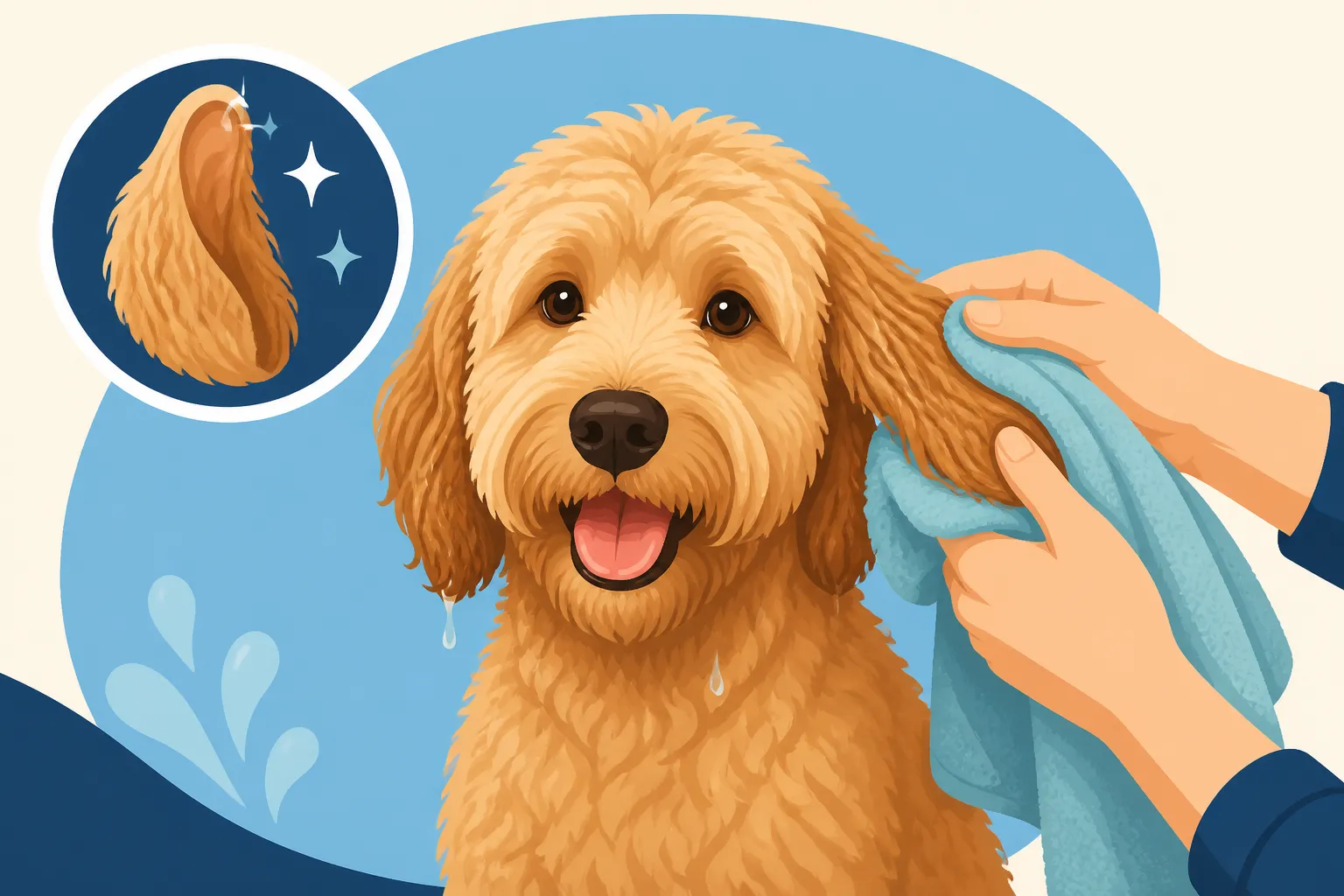
As soon as your Labradoodle exits the water, the first step is to gently dry the outer ear. Grab a soft, absorbent towel – a microfiber towel works wonders here. Gently blot and wipe the visible parts of the ear flap, both inside and out. Don't rub vigorously, as this can irritate the delicate skin or push water further into the canal. The goal is to remove as much surface moisture as possible.
Next, you’ll want to tackle the deeper parts of the ear canal without inserting anything too far. Cotton balls or soft, dry gauze pads are your best friends here. Take a fresh cotton ball and gently wipe around the opening of the ear canal, absorbing any visible water. You can gently insert the cotton ball just into the outer part of the canal, twist it slightly, and pull it out. Repeat with fresh cotton balls until they come out relatively dry. Remember, never use cotton swabs (Q-tips) down the ear canal, as these can push debris deeper, damage the eardrum, or cause trauma. Your vet can show you the safe depth for wiping, which is usually just to the first bend.
Using a Gentle Ear Drying Solution
For an extra layer of protection, especially for Labradoodles prone to ear infections, a veterinarian-approved ear drying solution can be incredibly helpful. These solutions often contain ingredients like boric acid or salicylic acid, which help dry out the canal and slightly acidify the environment, making it less hospitable for yeast and bacteria.
To apply, hold your Labradoodle’s ear flap up and carefully squirt the recommended amount of solution into the ear canal. You'll likely hear a squishing sound. Gently massage the base of the ear for about 30 seconds. This helps distribute the solution deep into the canal and dislodge any trapped debris. Your Labradoodle will likely shake their head violently afterward, which is exactly what you want! Let them shake, as this brings the solution, water, and loosened debris out. Use a clean cotton ball or towel to wipe away anything that comes out. Do this for both ears. Many owners find this step critical, especially when addressing The Hair That Grows Where a Labradoodle's Ear Should Drain.
The Power of Airflow: Beyond Towels and Solutions
Even after towel drying and applying a solution, airflow is paramount. Those deep, floppy ears need to breathe. If your Labradoodle is tolerant, you can use a hairdryer on a cool setting, held several inches away from the ear, to gently blow air into the ear canal. Always test the temperature on your own hand first to ensure it's not too hot. Don't direct it too closely or for too long, as you risk burning the delicate skin. Just a minute or two per ear can make a huge difference in evaporating residual moisture.
Another simple trick is to gently lift and tie your Labradoodle's ears back over their head for a short period after drying. You can use a soft fabric headband or a loose hair tie (be very careful not to pull the fur or restrict blood flow). This allows air to circulate directly into the ear canal. Aim for 10-15 minutes, if your dog will tolerate it, especially after vigorous swimming. This is particularly important for dogs with dense "wool" coats, as Whether a Wool Coated Labradoodle Gets More Ear Infections is often due to their increased ability to hold moisture.
Preventing Future Ear Issues: Beyond Just Drying
Drying ears after water exposure is a reactive measure. To truly keep those ears healthy, you need a proactive, consistent approach to ear care that extends beyond just post-swim rituals.
Regular Ear Checks and Cleaning Routine
Consistency is key. Make it a habit to check your Labradoodle's ears at least weekly, and certainly after any water activity. Look for redness, swelling, discharge (especially dark, waxy, or pus-like), or any foul odor. A healthy ear should be pale pink, clean, and free of odor.
In addition to drying, a routine cleaning with a gentle, veterinary-approved ear cleaner (different from a drying solution, though some are two-in-one) can help prevent wax and debris buildup. Talk to your vet about how often you should clean your specific Labradoodle's ears, as too much cleaning can also cause irritation. Many owners ask How Often a Labradoodle's Ears Should Be Cleaned and the answer varies depending on individual dog, activity, and ear health.
The Role of Grooming: Hair Plucking and Trimming
Remember that internal ear hair we talked about? For some Labradoodles, especially those with dense Poodle-like coats, this hair can become so thick it significantly impedes airflow and traps debris. Discuss with your groomer or vet whether plucking or trimming the hair from inside the ear canal is appropriate for your dog.
While some groomers routinely pluck ear hair, there's ongoing debate about whether it helps or actually causes microscopic trauma that can lead to infection. For many Labradoodles, a light trimming around the ear canal opening is sufficient to improve airflow without irritating the delicate skin. Always consult a professional before attempting any internal ear hair removal yourself.
Addressing Underlying Issues: Allergies and Diet
Sometimes, recurrent ear infections aren't just about trapped moisture; they're a symptom of an underlying issue, often allergies. Just like in people, allergies in dogs can manifest as skin irritation and ear infections. If your Labradoodle is constantly itching, shaking their head, or getting ear infections despite diligent cleaning and drying, it might be time to investigate allergies.
This could involve working with your vet on a hypoallergenic diet trial, identifying environmental allergens, or discussing medications. Whether Repeat Ear Infections Mean a Labradoodle Has Allergies is a common and important question, and it's definitely worth exploring with your vet if you're stuck in a cycle of infections. Pet insurance providers like Healthy Paws often cover diagnostics and treatment for chronic conditions like allergies that lead to ear issues, making these investigations more manageable financially.
Here's a quick comparison of ear drying methods:
| Method | Description | Pros | Cons | Best For |
|---|---|---|---|---|
| Towel Blotting | Gentle wiping of outer ear and canal entrance with soft towel/cotton. | Safe, easy, immediate removal of surface moisture. | Doesn't dry deep into the canal; requires repeat. | Immediate post-water, general upkeep. |
| Ear Drying Solution | Liquid applied into the ear canal, massaged, then shaken out. | Dries deep, helps acidify canal, fights microbes. | Can be irritating if overused or dog has open sores. | Post-water for prone dogs, periodic maintenance. |
| Hairdryer (Cool) | Low, cool air blown gently into the ear canal. | Promotes evaporation, good for deep drying. | Risk of burns if too hot/close; dog may resist noise. | After deep water exposure, for very wet ears. |
| Ears Tied Back | Gently securing ear flaps open to improve airflow. | Simple, no products needed, natural airflow. | Dog may dislike; only effective for limited time. | After all other methods, for passive drying. |
When to Seek Veterinary Help for Labradoodle Ear Problems
Even with the most diligent care, sometimes ear infections can sneak up on us. Knowing when to call the vet is crucial to prevent minor issues from becoming painful, chronic problems for your Labradoodle.
Recognizing the Signs of an Ear Infection
Your Labradoodle will give you clues if their ears are bothering them. Watch for any of these common signs of an ear infection:
- Excessive Head Shaking: This is often the first and most obvious sign.
- Persistent Ear Scratching: Your dog might repeatedly scratch at one or both ears with their paw.
- Redness or Swelling: The inside of the ear flap or the opening of the ear canal might appear inflamed.
- Foul Odor: A strong, yeasty, or unpleasant smell coming from the ear. This is a tell-tale sign of Yeast Trapped Under a Labradoodle's Coat or bacterial overgrowth.
- Discharge: Dark brown, yellow, or greenish discharge. It could be waxy, crusty, or pus-like.
- Pain or Sensitivity: Your dog might yelp or pull away when you touch their ears.
- Tilting Head or Loss of Balance: In more severe cases, an inner ear infection can affect balance.
- Scabs or Hair Loss: Around the ear from scratching.
Don't wait if you notice these symptoms. Catching an infection early makes it much easier to treat and prevents deeper, more painful issues.
What a Vet Visit Entails and Treatment Options
When you take your Labradoodle to the vet for an ear issue, they will perform a thorough examination. This usually includes:
- Visual Inspection: Looking at the outer ear and ear canal.
- Otoscopic Examination: Using an otoscope (a specialized instrument with a light) to look deep into the ear canal and check the eardrum.
- Ear Swab and Cytology: Your vet will take a swab from the affected ear and examine it under a microscope. This helps them identify whether the infection is caused by bacteria, yeast, or a combination, and which specific types. This guides their choice of medication.
Treatment typically involves ear drops that contain antibiotics, antifungals, and/or anti-inflammatory medications. Sometimes, an oral medication might be prescribed, especially for severe or chronic cases. Your vet will also likely recommend a specific ear cleaner to use as part of the treatment protocol. It's crucial to follow your vet's instructions precisely and complete the entire course of medication, even if the ears appear to improve quickly. Stopping early can lead to a relapse and resistant infections. For serious or recurring issues, pet insurance can be a lifesaver, and policies from providers like Healthy Paws are often designed to cover chronic conditions after the waiting period, offering peace of mind.
Remember, prompt action is key. Leaving an ear infection untreated can lead to chronic pain, hearing loss, and even more complicated issues requiring surgery. Your Labradoodle relies on you to keep those happy, floppy ears healthy!
Disclaimer
This article is intended for informational purposes only and is not a substitute for professional veterinary advice. Always consult with a qualified veterinarian for any health concerns or before making any decisions about your Labradoodle's medical care. Individual results may vary.